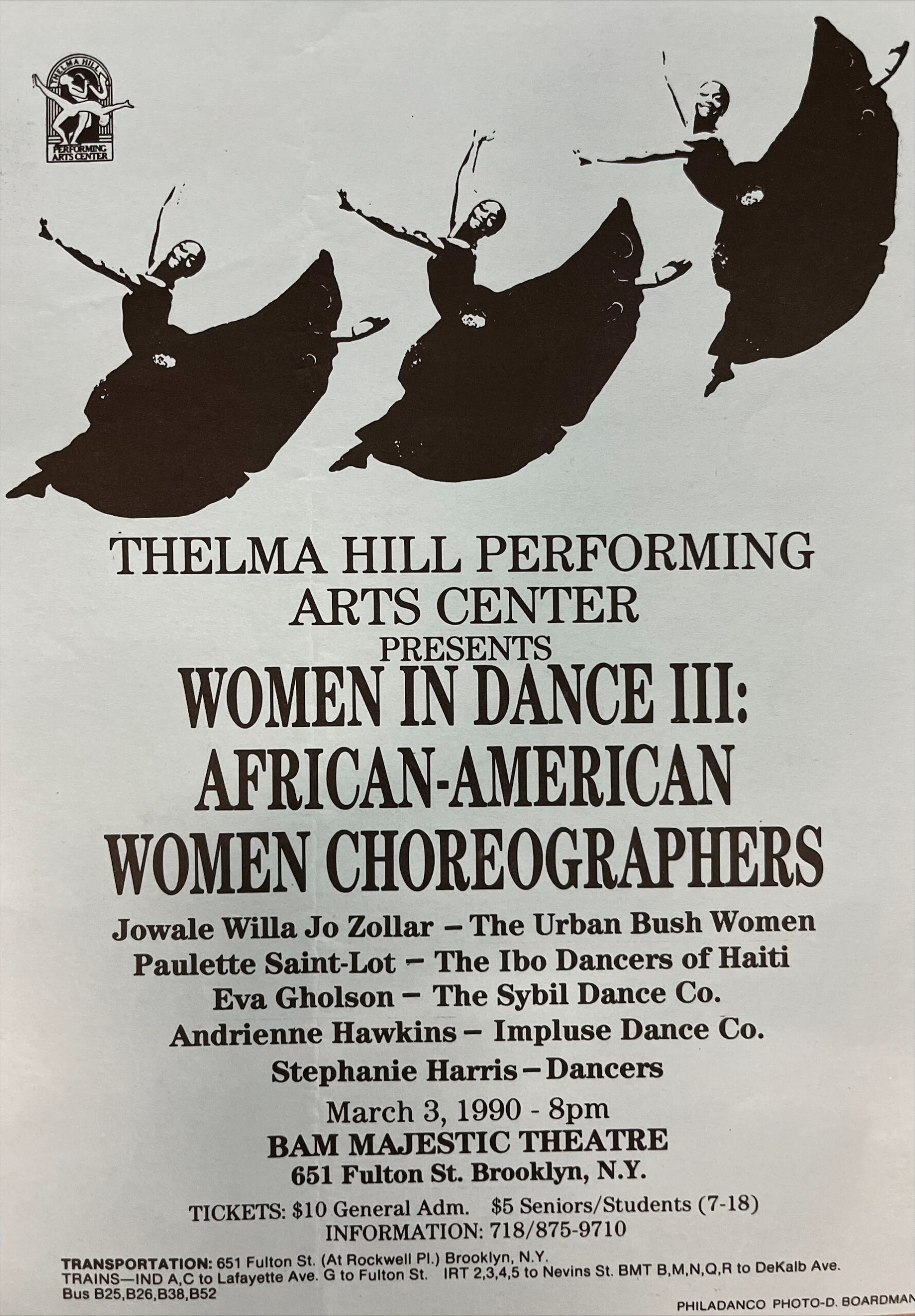
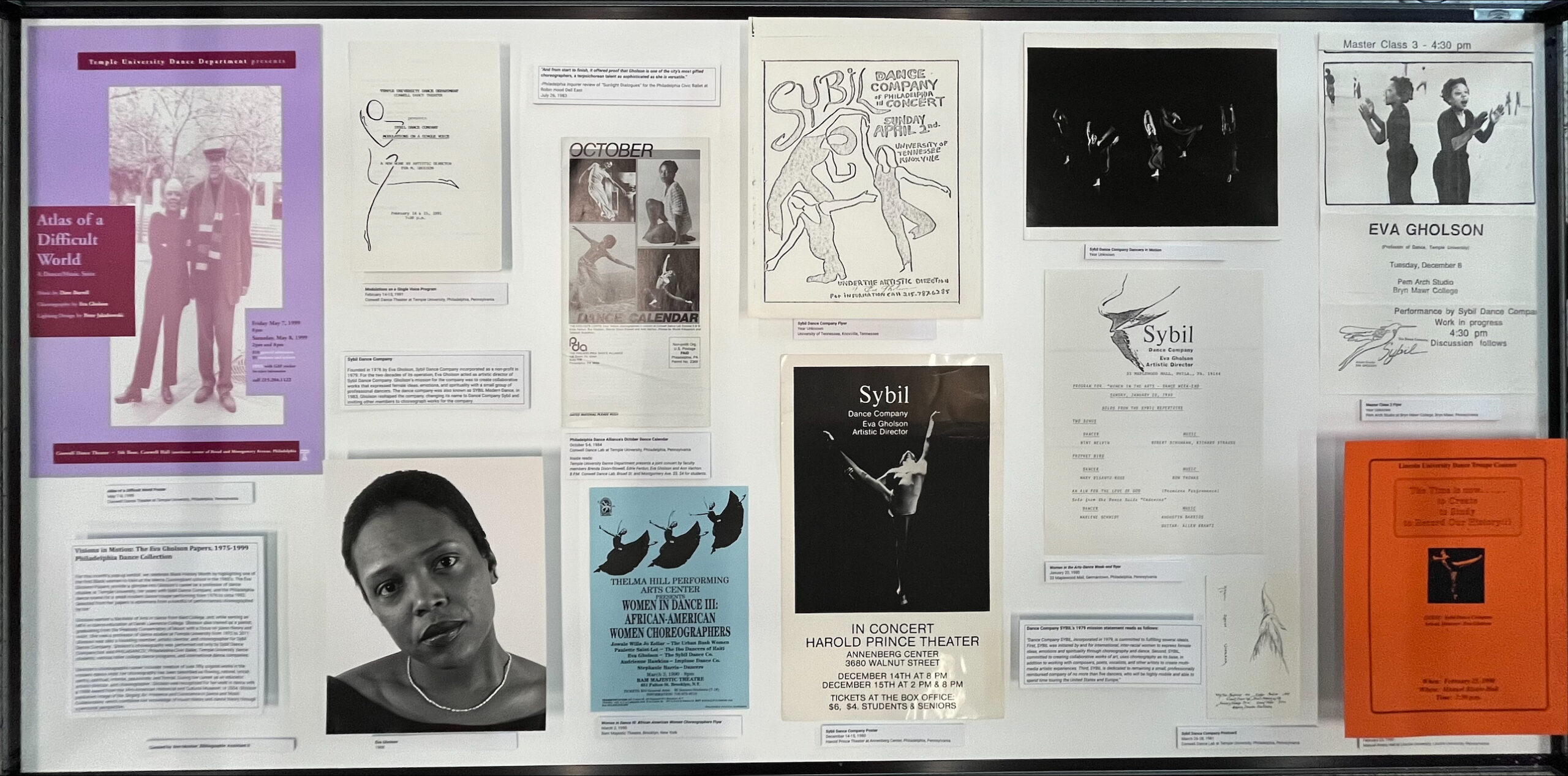
This month’s pop-up exhibit in the SCRC Reading Room recognizes Black History Month by highlighting the Papers of Eva Gholson, the first Black women to train at the Merce Cunningham studio in the 1960’s. The Eva Gholson Papers provide a glimpse into Gholson’s career as a professor of dance studies at Temple University, her years with Sybil Dance Company, and the Philadelphia dance scene for a small modern dance troupe during the mid-1970s to the early-1990s.
Gholson earned a Bachelor of Arts in dance from Bard College and an MFA in dance education at Sarah Lawrence College. Gholson also trained as a pianist, graduating from the Peabody Conservatory of Music with a focus on piano theory and violin. She was a professor of dance studies at Temple University from 1972 to 2011. Gholson was also a founding member, artistic director, and choreographer for Sybil Dance Company. Gholson’s choreography was performed not only by Sybil Dance Company but also PHILADANCO!, Philadelphia Civic Ballet, Temple University dance students, various other college dance programs dance companies around the world.
During her career in choreography Gholson created over fifty original works in the modern dance style. Her choreography has been described by various critics as flowing, natural, lyrical, earthy, spiritual, intense, passionate, and formal. As an educator, artistic director, and choreographer, Gholson was recognized for her work in dance with a 1988 award from the Afro-American Historical and Cultural Museum. In 2004, Gholson published Image of the Singing Air: Presence and Conscience in Dance and Music Collaboration, which combined her personal perspective with her knowledge of music and dance theory.
A selection of ephemera from performances Gholson choreographed is on display in the SCRC Reading room this month.
This year’s fall exhibit explores the images of two photographers, Joseph V. Labolito Photographic Prints and Collections – Joseph V. Labolito and Jim MacMillan Jim MacMillan – Journalist, educator and social innovator in Philadelphia, as they travelled around Philadelphia, photographing unique human experiences and fleeting moments in the city. This exhibit runs from November 13, 2023 to March 2024 in the exhibit space of Temple University’s Charles Library. More information about an opening reception is to follow.
Joseph V. Lobalito
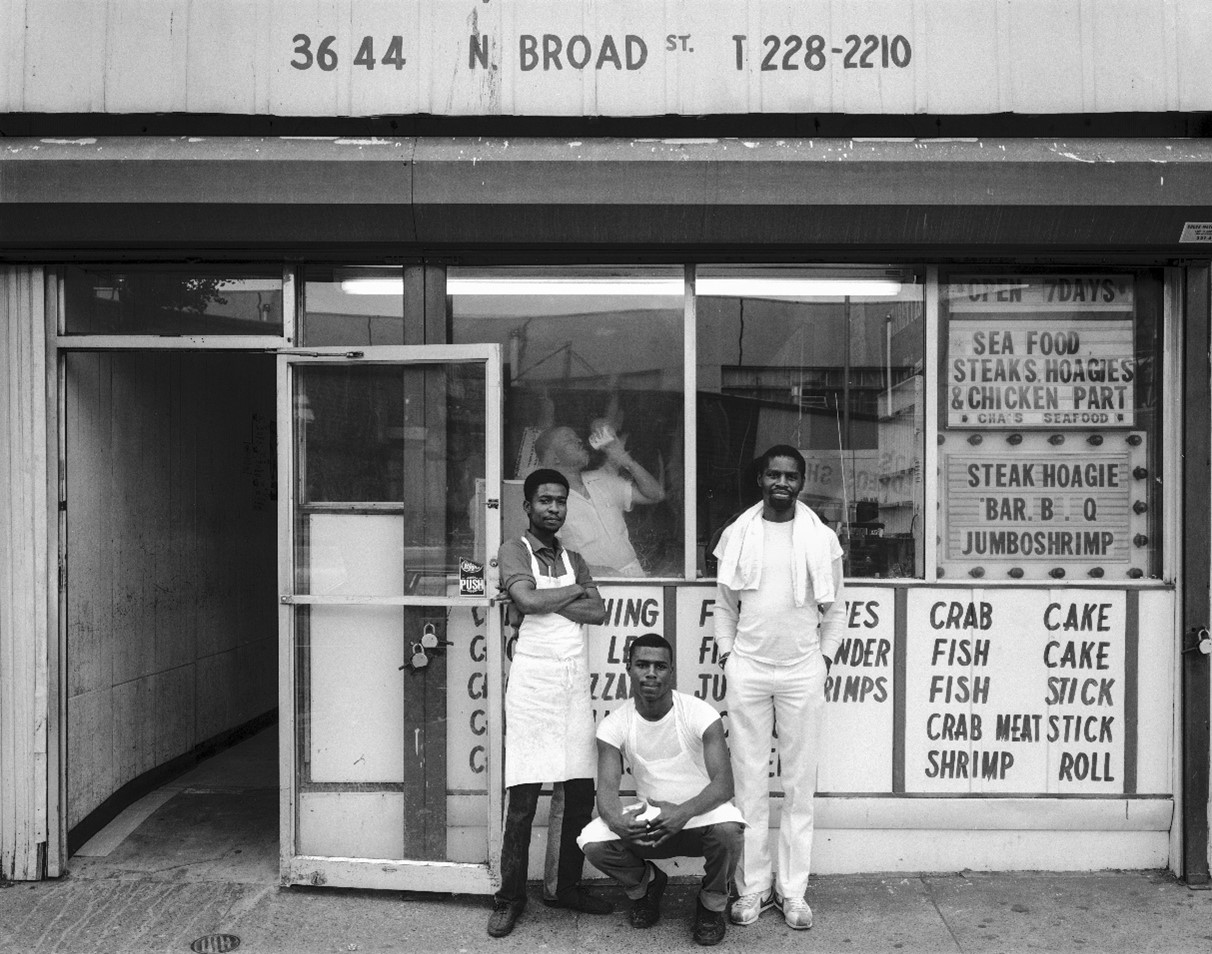
Joseph V. Labolito’s career in photography began in 1977. For the past 27 years he has worked at Temple University as a senior photographer. Labolito documented the areas where he grew up and the places he frequented, capturing a deeply personal and authentic representation of Philadelphia, from the 1980s through the 2000s. Labolito describes his work as,
“a tribute to the city that has shaped me, the people who call it home, and the enduring spirit of Philadelphia. Through these photographs, I hope to share the beauty and resilience of this city with the world, inviting viewers to journey through time and celebrate the progress and evolution of Philadelphia.”
3644 North Broad Street May 25, 1986 Photo by Joseph V. Labolito
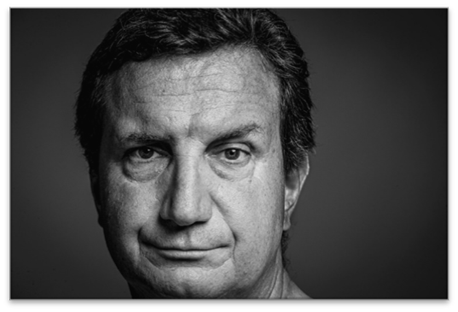
Jim MacMillan is the founder and director of the Philadelphia Center for Gun Violence Reporting and its parent organization, the Initiative for Better Gun Violence Reporting, as well as assistant direct of the Logan Center for Urban Investigative Reporting at Klein College. During his photojournalism career, MacMillan spent 17 years at the Philadelphia Daily News and worked for The Associated Press in Boston and in Baghdad during the war in Iraq, for which his team was awarded The Pulitzer Prize. MacMillan says of his work,
Jim MacMillan
“every opportunity to take pictures on the streets of Philadelphia and tell the stories of our neighbors and neighborhoods has felt like an incredible privilege. Photographing activists in action during street-level protests and demonstrations has always felt like a special honor as we exercise our First Amendment rights together in the city where our nation was born.”
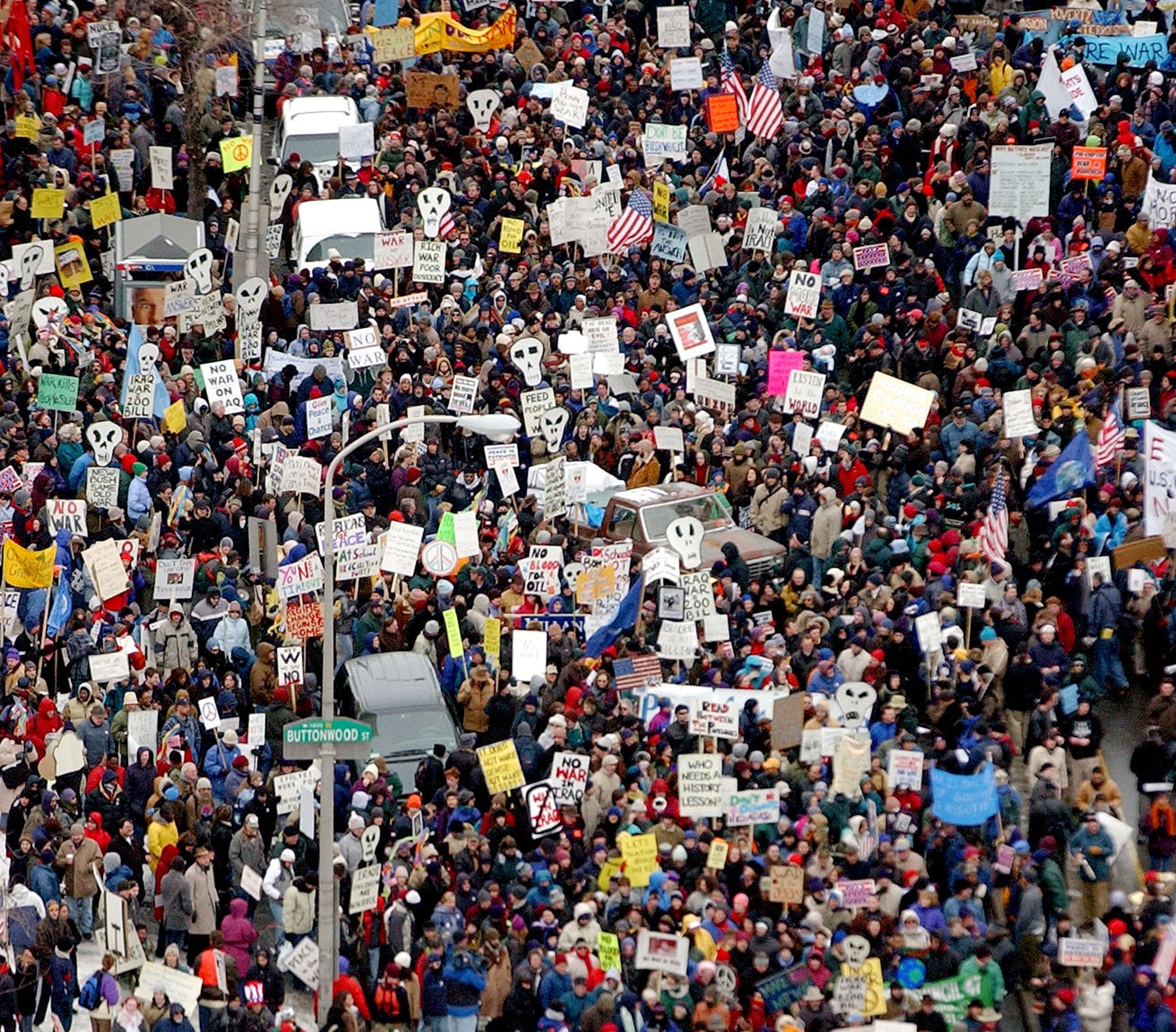
Peace protesters march down North Broad Street Saturday. Police estimated that ten thousand demonstrators marched in Philadelphia Saturday against war with Iraq. February 15, 2003 Philadelphia Daily News photo by Jim MacMillan
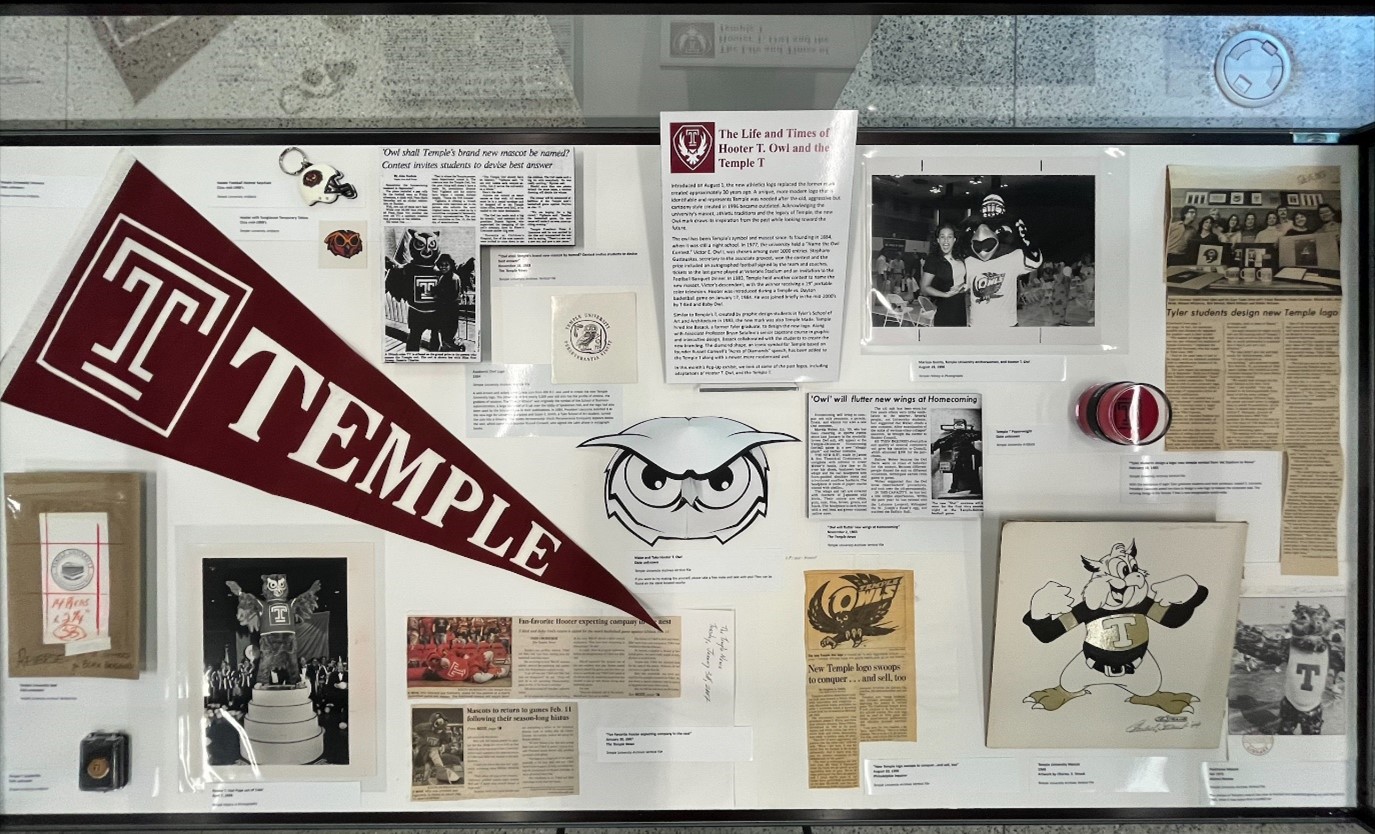
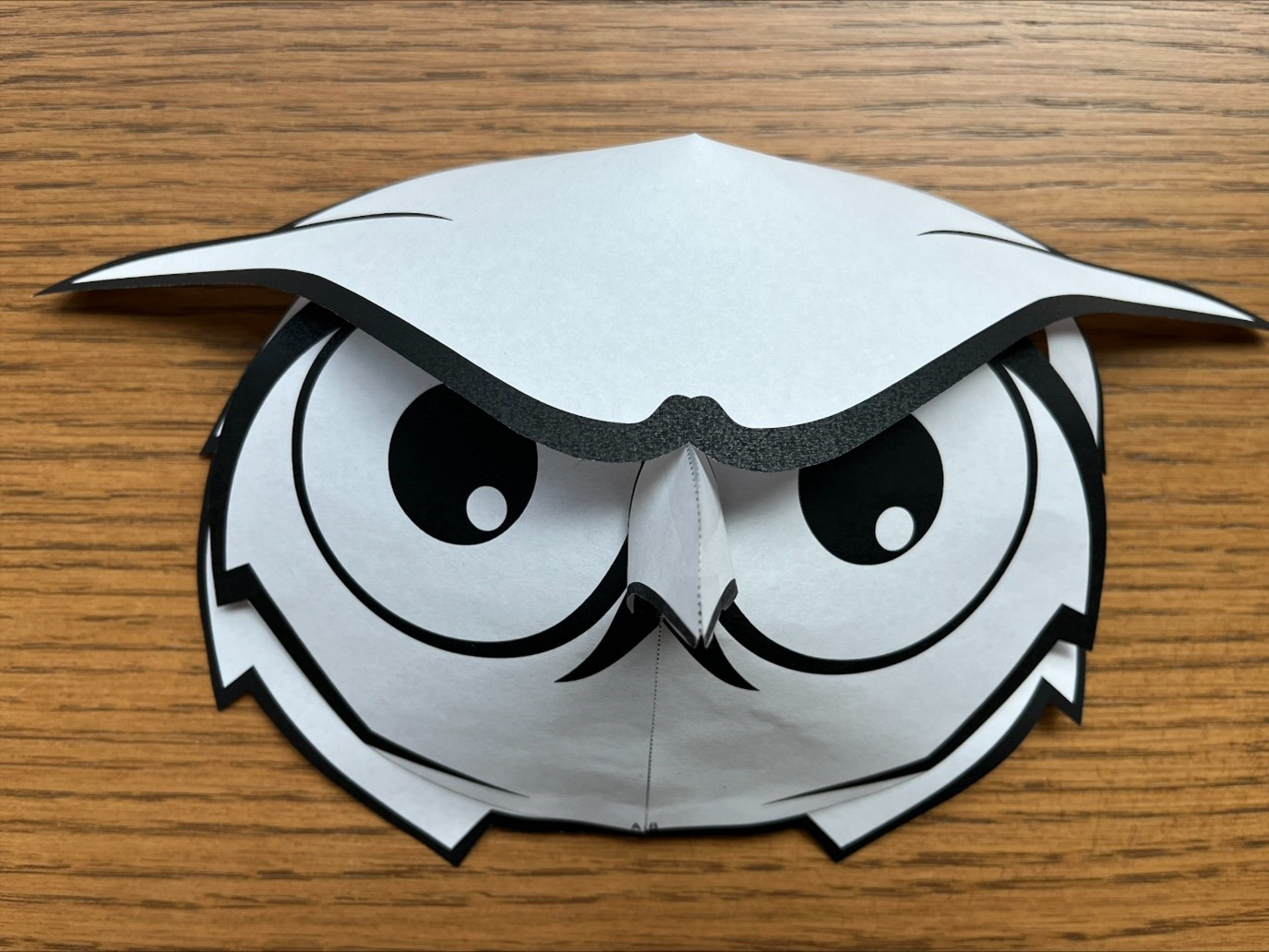
On August 1, Temple unveiled a new athletics logo to replace the former mark created over 30 years ago. Acknowledging the university’s mascot, athletic traditions, and the legacy of Temple, the new logo draws its inspiration from the past while looking toward the future.
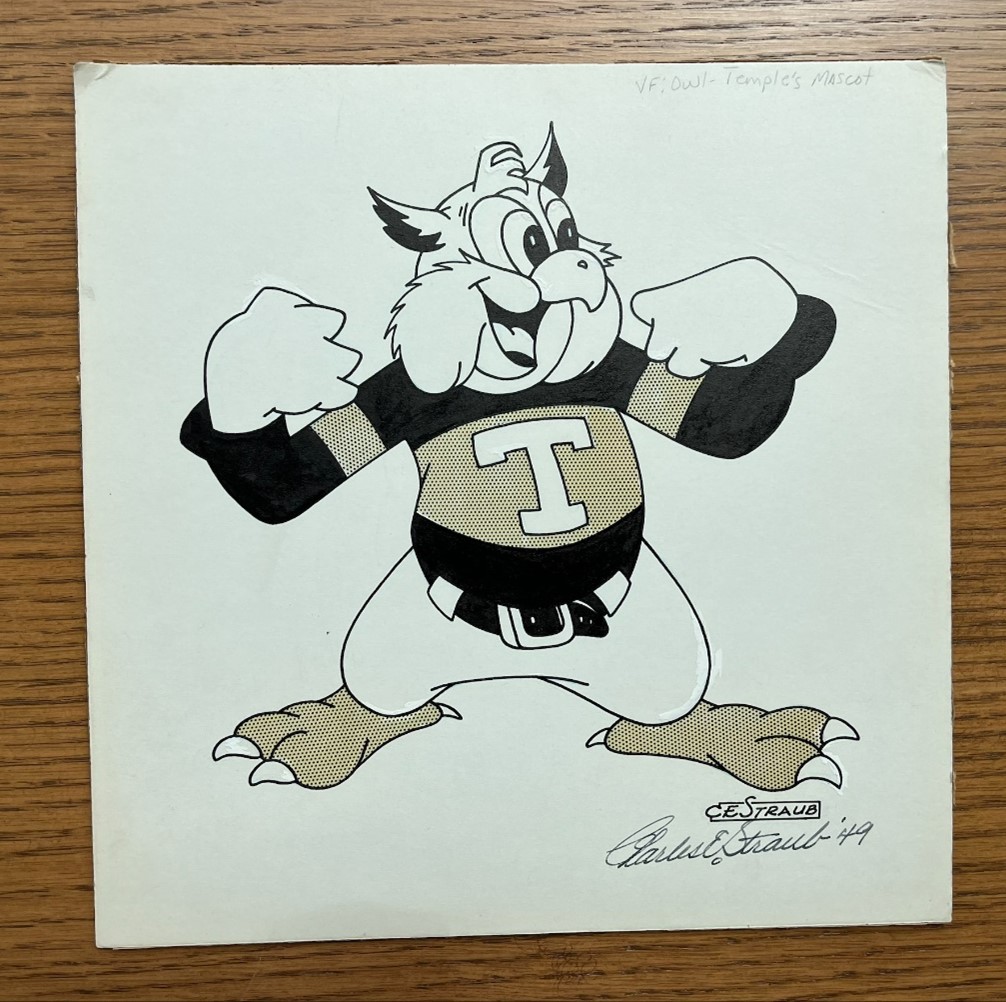
The owl has been Temple’s symbol and mascot since its founding in 1884, when it was still a night school, thus the “night owl” moniker. In 1977, the university held a “Name the Owl Contest.” Victor E. Owl I, was the winner selected among over 1000 entries. Stephany Gustauskas, secretary to the associate provost, won the contest and the prize included an autographed football signed by the team and coaches, tickets to the last game played at Veterans Stadium and an invitation to the Football Banquet Dinner. In 1983, Temple held another contest to name the new mascot, Victor’s descendent, with the winner receiving a 19” portable color television. The winning name, Hooter, was introduced during a Temple vs. Dayton basketball game on January 17, 1984. Hooter was joined briefly in the mid-2000’s by T-Bird and Baby Owl.
Just as the Temple “T”, created by graphic design students in Tyler’s School of Art and Architecture in 1983 was Temple made, so was the new owl logo designed by Joe Basack, a former Tyler graduate. Basack collaborated with students Associate Professor Bryan Satalino’s senior capstone course in graphic and interactive design to create the new branding. The diamond shape, an iconic symbol recalling Temple founder Russell Conwell’s “Acres of Diamonds” speech, has been added to the Temple T along with the updated owl.
In this month’s Pop-Up exhibit are displayed some of the past logos, and various adaptations of Hooter T. Owl, and the Temple T.
In 1976, Philadelphia’s Bicentennial celebration, celebrating the 200th Anniversary of the signing of the Declaration of Independence, showcased all the city had to offer.
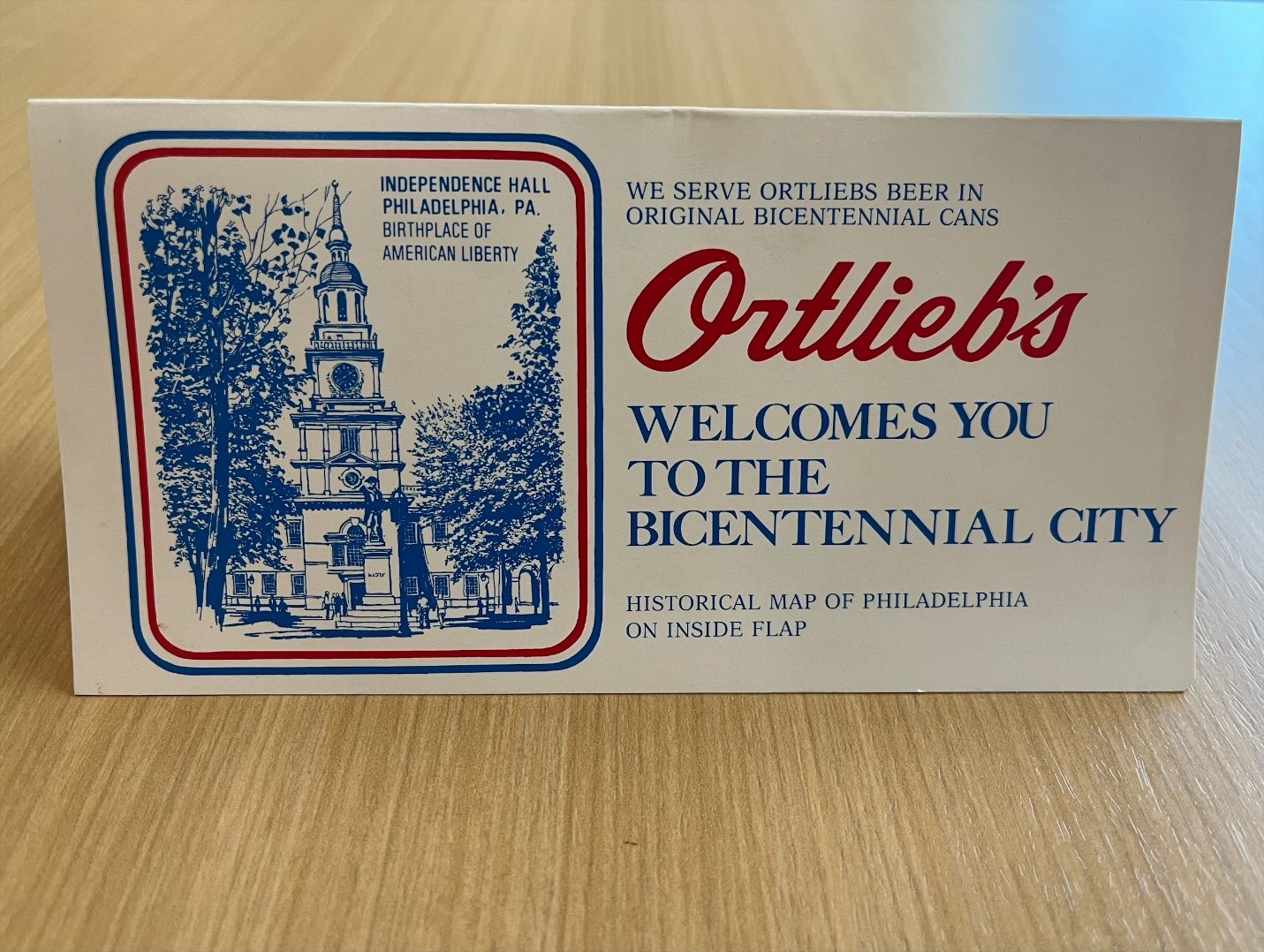
Cans of Ortlieb’s Beer, brewed in Philadelphia, were illustrated by national artists depicting scenes from Revolutionary times and sold at the Bicentennial.
On December 31, 1975, New Year’s Eve, the first of the Bicentennial-themed events occurred when thousands came out to watch the Liberty Bell be transported from Independence Hall to a new pavilion on Independence Mall. Daily events from January to October, included street performers, concerts, and puppet shows. The week leading up to July 4 was renamed ‘Freedom Week’ and featured even more celebrations throughout the streets of Philadelphia, including a 2076 time capsule buried at Second and Chestnut Streets, a 50,000 pound Sara Lee birthday cake served at Memorial Hall, and numerous fireworks displays.
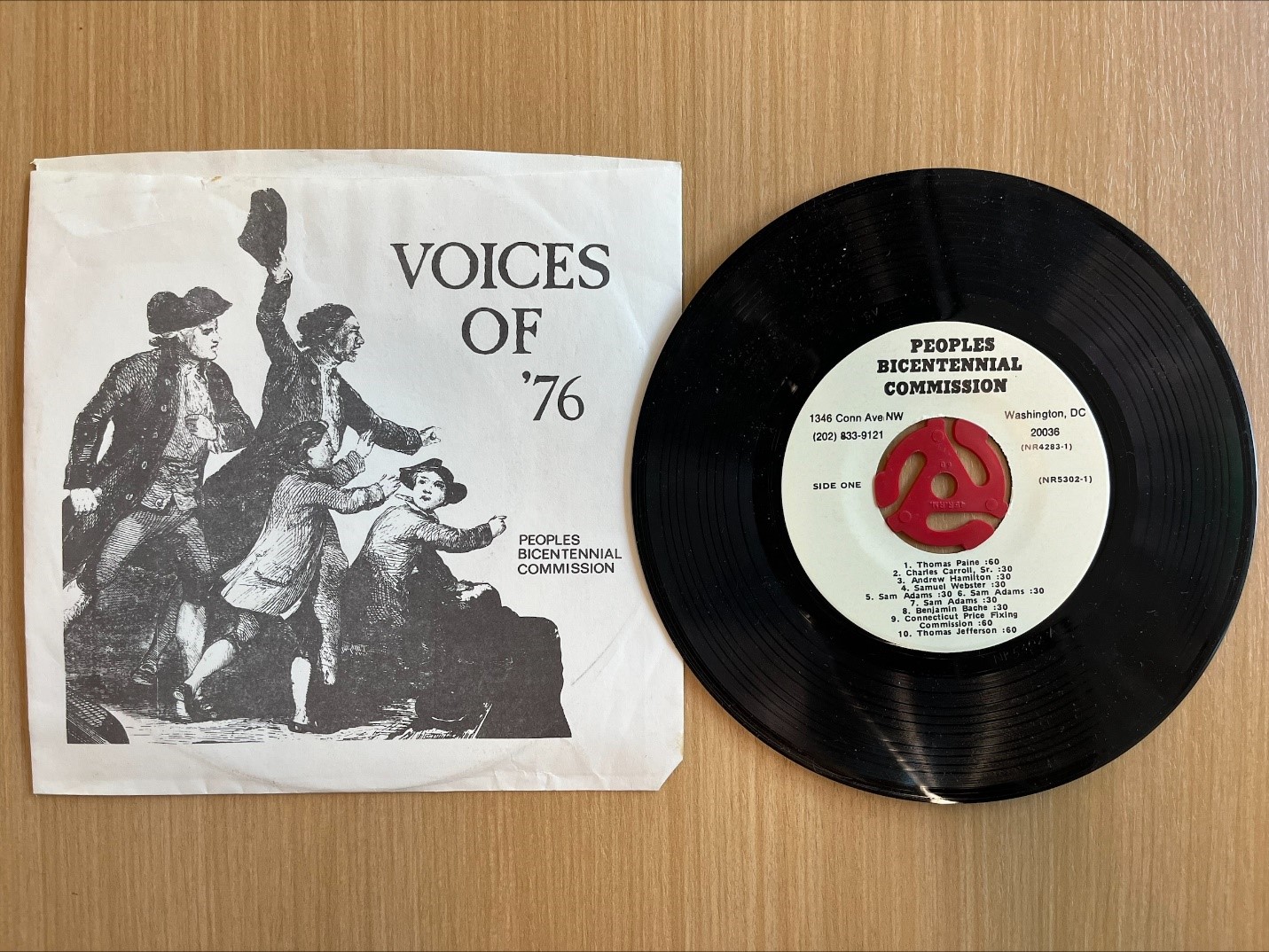
Voices of ’76 Record
The ceremonies on Indpendence Mall opened On July 4, 1976, with actor Charlton Heston serving as master of ceremonies, and attended by President Gerald Ford, Pennsylvania Governor Milton Shapp, and Mayor Frank Rizzo. A five-hour parade followed which featured floats from every state. On July 6, Queen Elizabeth II and Prince Philip presented to the city a Bicentennial Bell produced in the same foundry as the original Liberty Bell. In total, an estimated two million visitors attended the events.
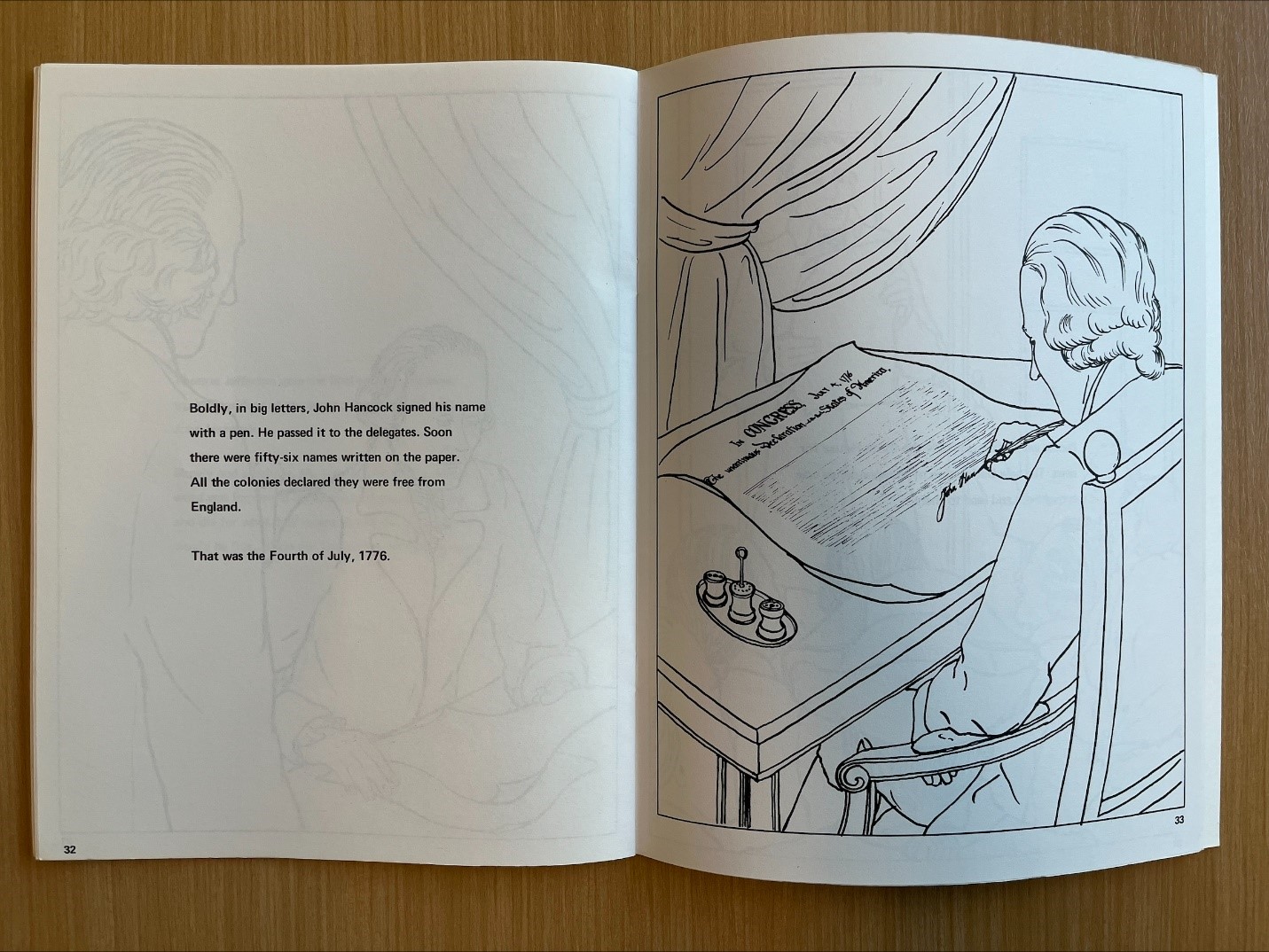
Publisher Martin Ezra’s Bicentennial Newsletter created to publicize regional plans for the bicentennial, and to raise interest and involvement in the various programs and celebrations. Among this collection of papers, held in the Special Collections Research Center (SCRC), are files of information from each state delegation describing their involvement in the Bicentennial, as well as photographs and ephemera related to the festivities. A plethora of souvenirs and other items were also created to sell during the festivities, which Ezra also collected. A selection of the advertisements, merchandise, and other materials from this collection are on display in the exhibit case in the SCRC reading room during the month of July.
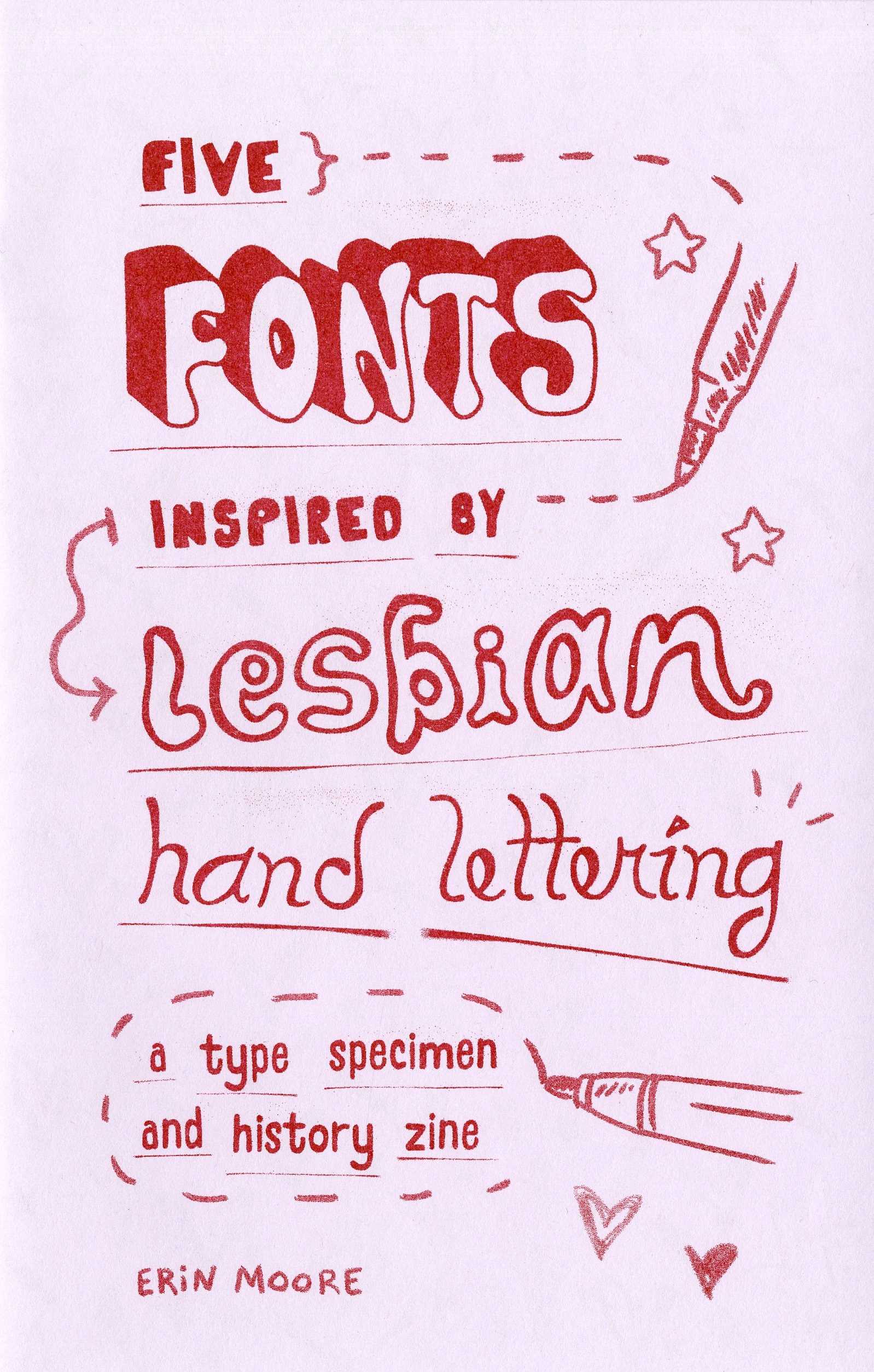
This month’s reading room exhibit in the Special Collections Research Center highlights a new SCRC acquisition: two zines by Erin Moore, a printmaker and designer from Conshohocken, PA, exploring the hand lettering used in lesbian periodicals in the 1970s through the 1980s. Their work can be found on Instagram at: @bugprints .
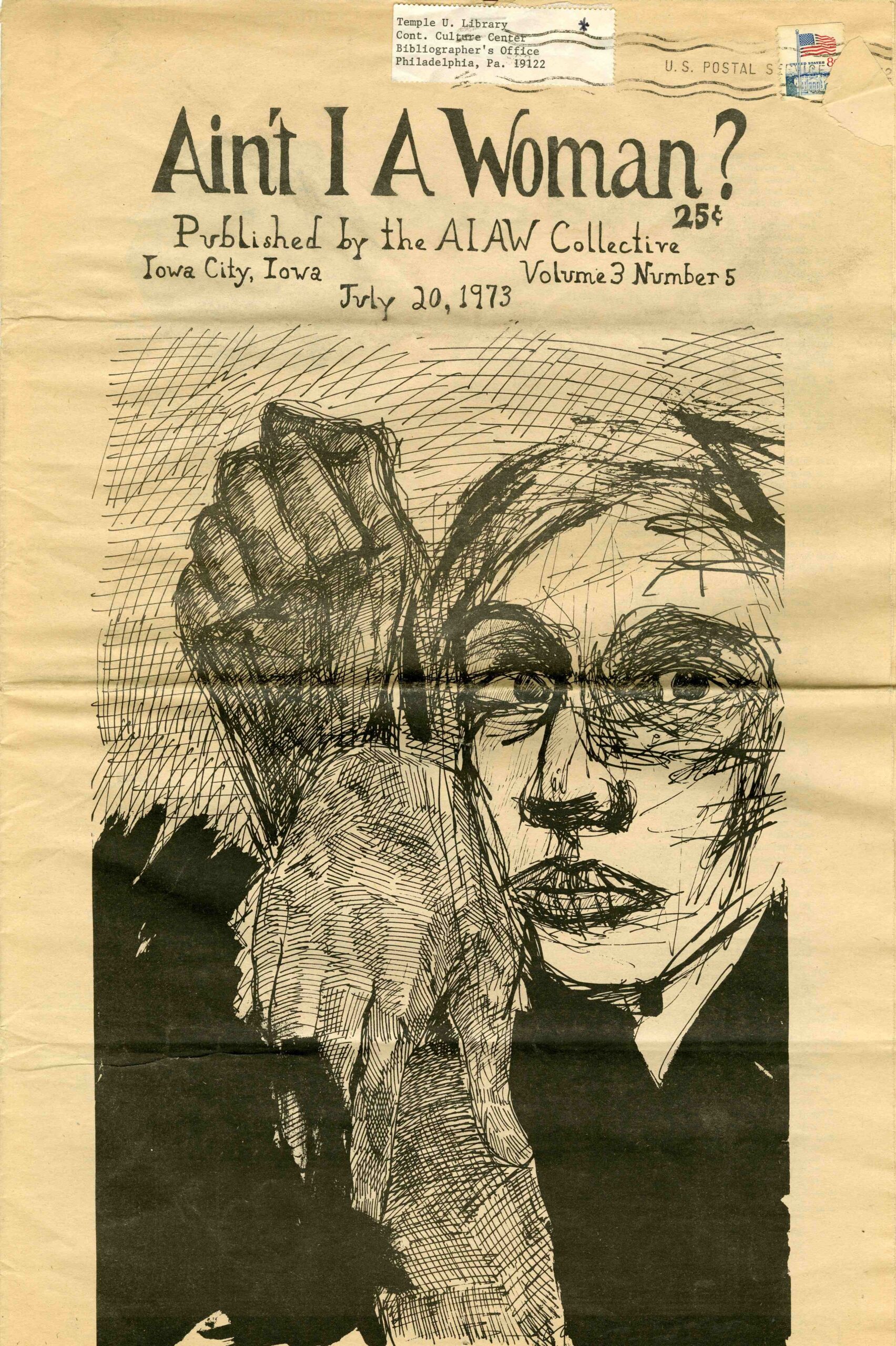
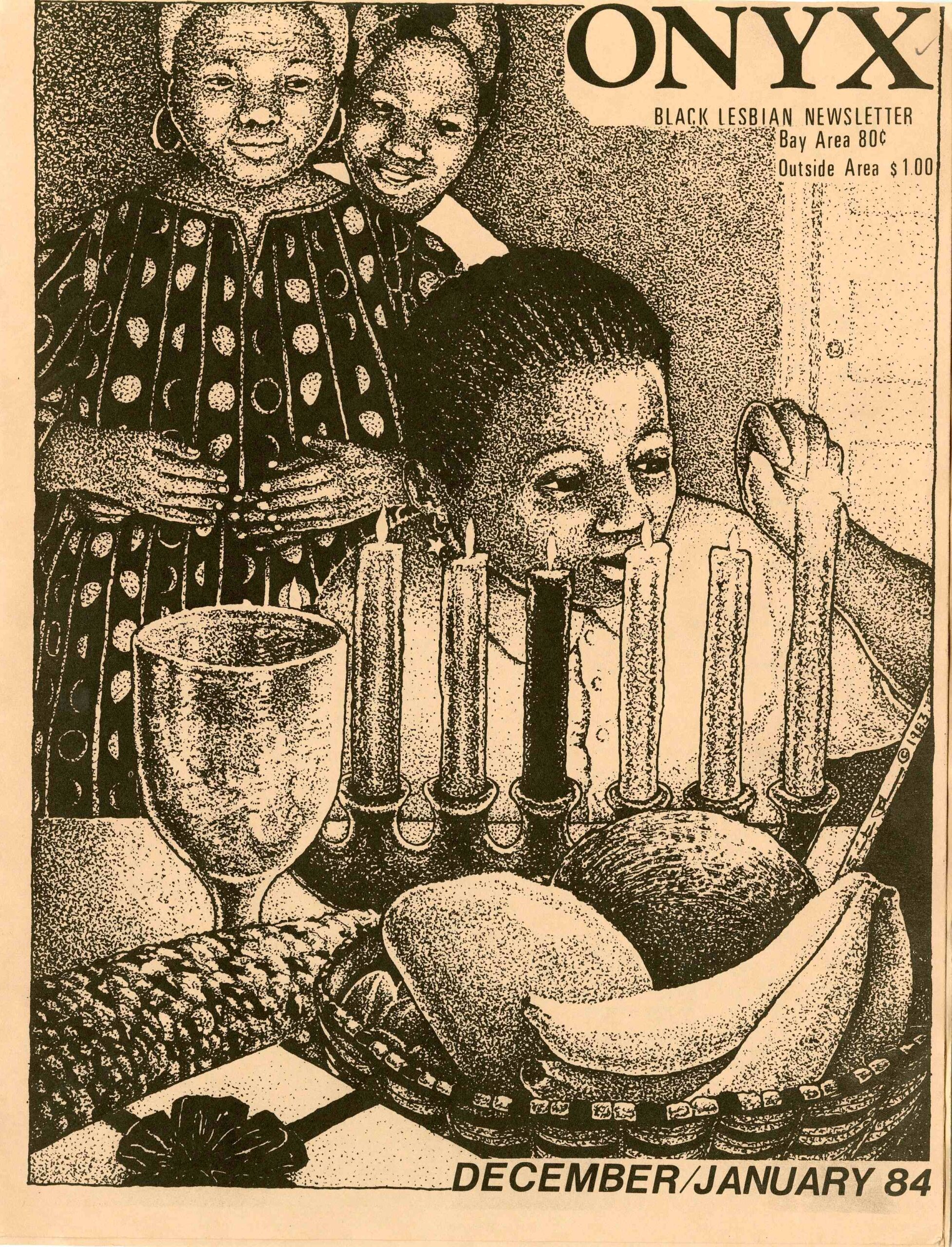
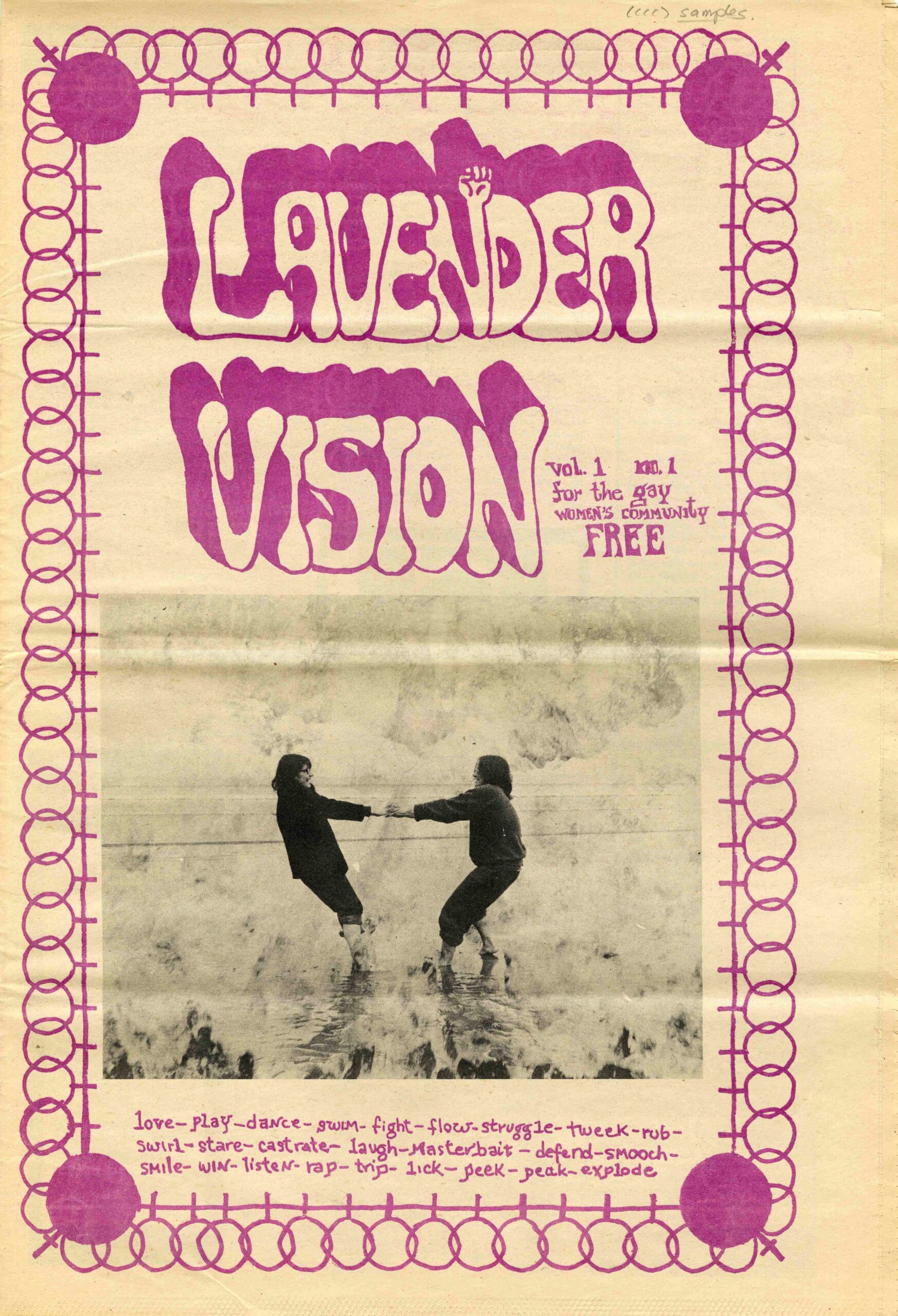
The zines focus on the hand lettering used for article titles and on covers. Moore created downloadable typefaces based on the hand lettering of these periodicals, and one of the zines includes six type specimen sheets based on hand lettering used in the periodicals, with the source of the typeface given on verso of sheet.
The periodicals featured in the reading room exhibit are original copies of ones Moore mentions in their zines. Ain’t I A Woman? was a bi-monthly “Midwest newspaper of women’s liberation,” published by the Iowa City Women’s Liberation Front Publications Collective in the 1970s. Lavender Vision was founded in the 1970s in Cambridge, Massachusetts, by the Media Collective, and was originally written and published by queer women and men, with half of the newspaper dedicated to lesbian issues and half to gay men’s issues. Eventually, the two halves split into two separate publications: Lavender Vision and Fag Rag. The Ladder was published by the San Francisco-based Daughters of Bilitis between 1956 and 1972, and was one of the first lesbian publications in the United States. Onyx, a San Francisco newsletter published from 1982 to 1984, focused on Black lesbian life and included articles, poems, personal ads, art, and photographs.
In earlier decades before the internet, printed publications were a primary source of community and communication among queer people. There was little money, support, or access to printing and distribution tools for the people who created these newsletters, newspapers, and magazines. However, the creators found ways around the significant obstacles they faced, and these publications were a lifeline for LGBTQ+ people seeking community and information. They also frequently boasted delightful design elements, artwork, and lettering–highlighted in this exhibit.
–Katy Rawdon, Coordinator of Technical Services, SCRC
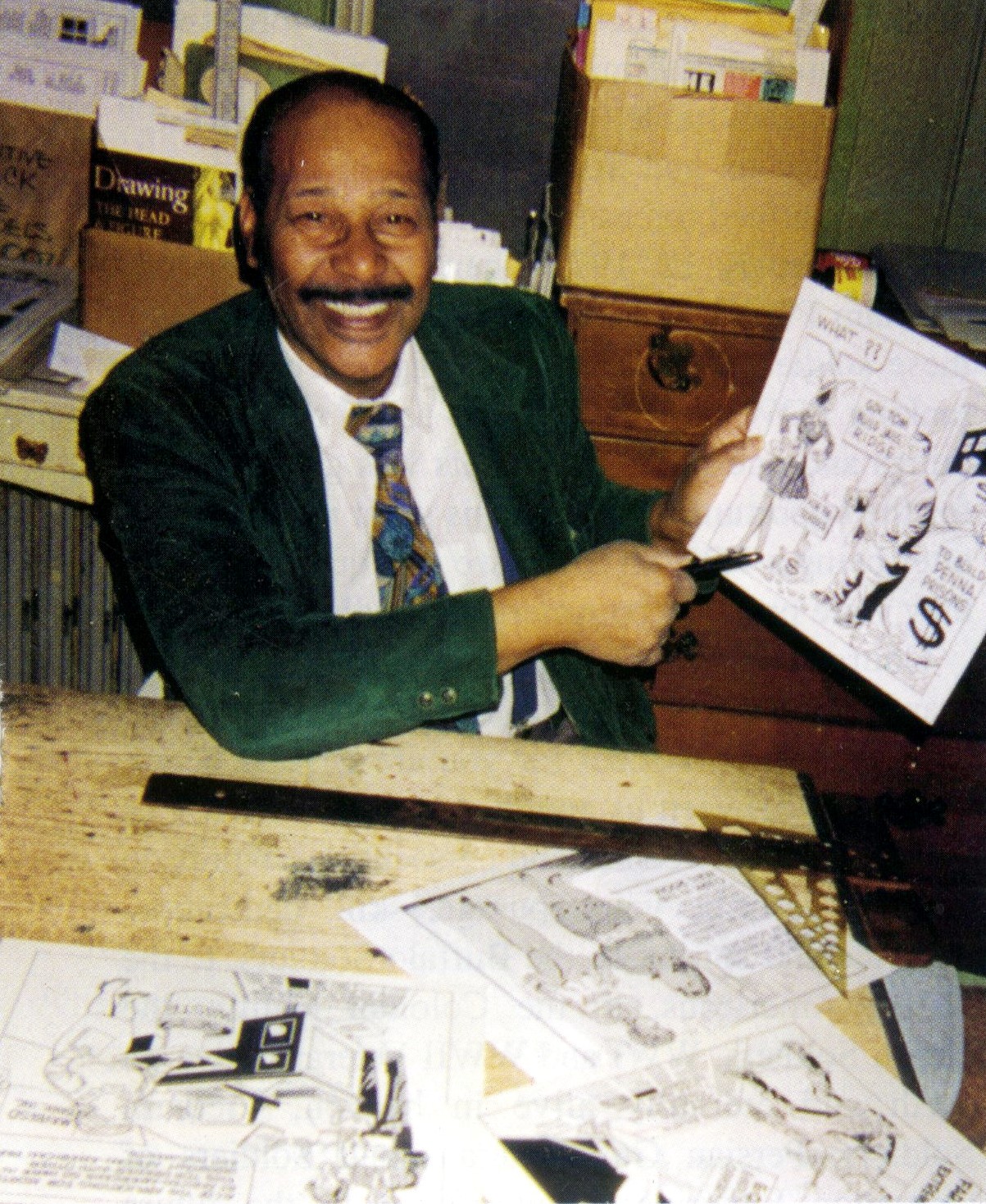
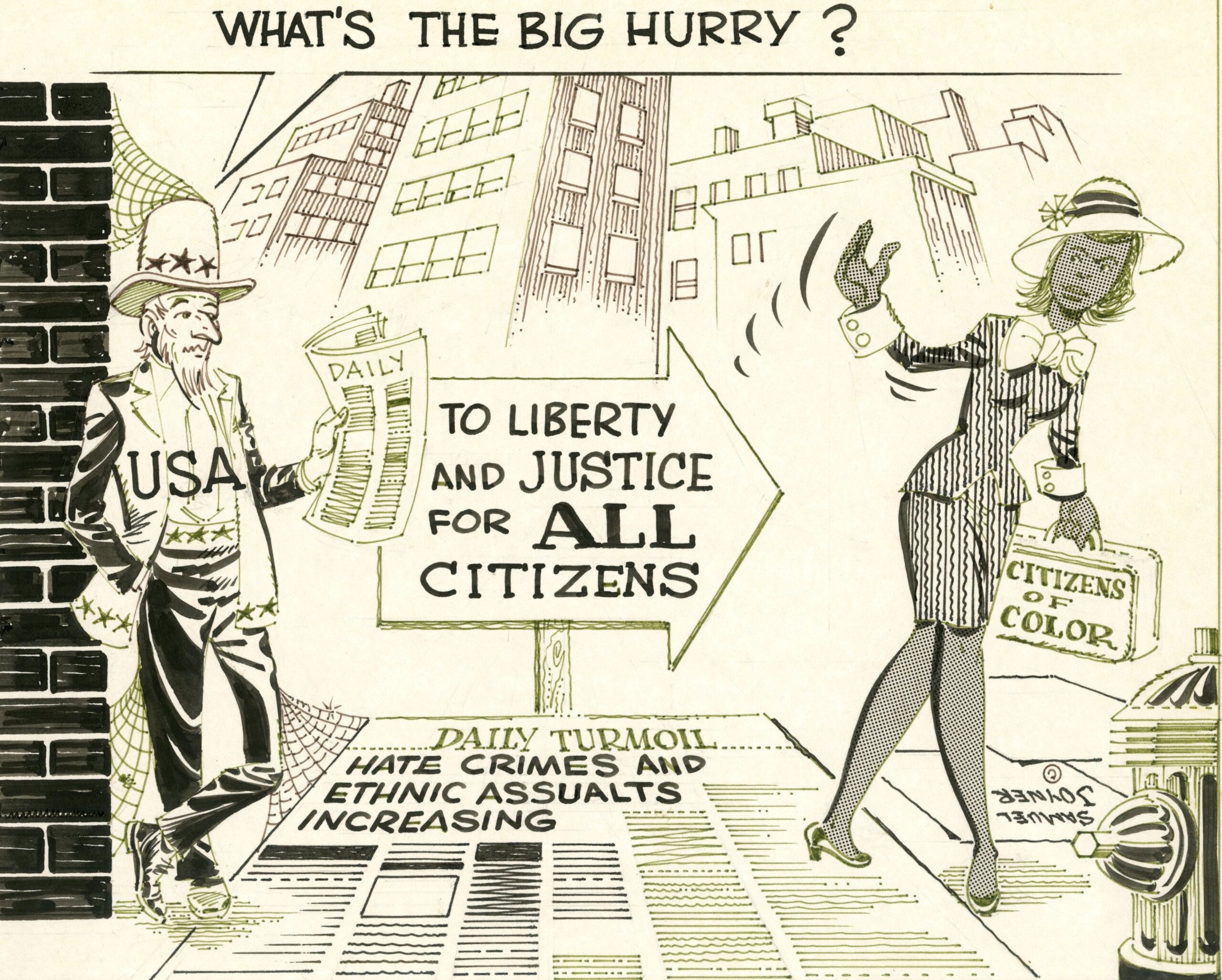
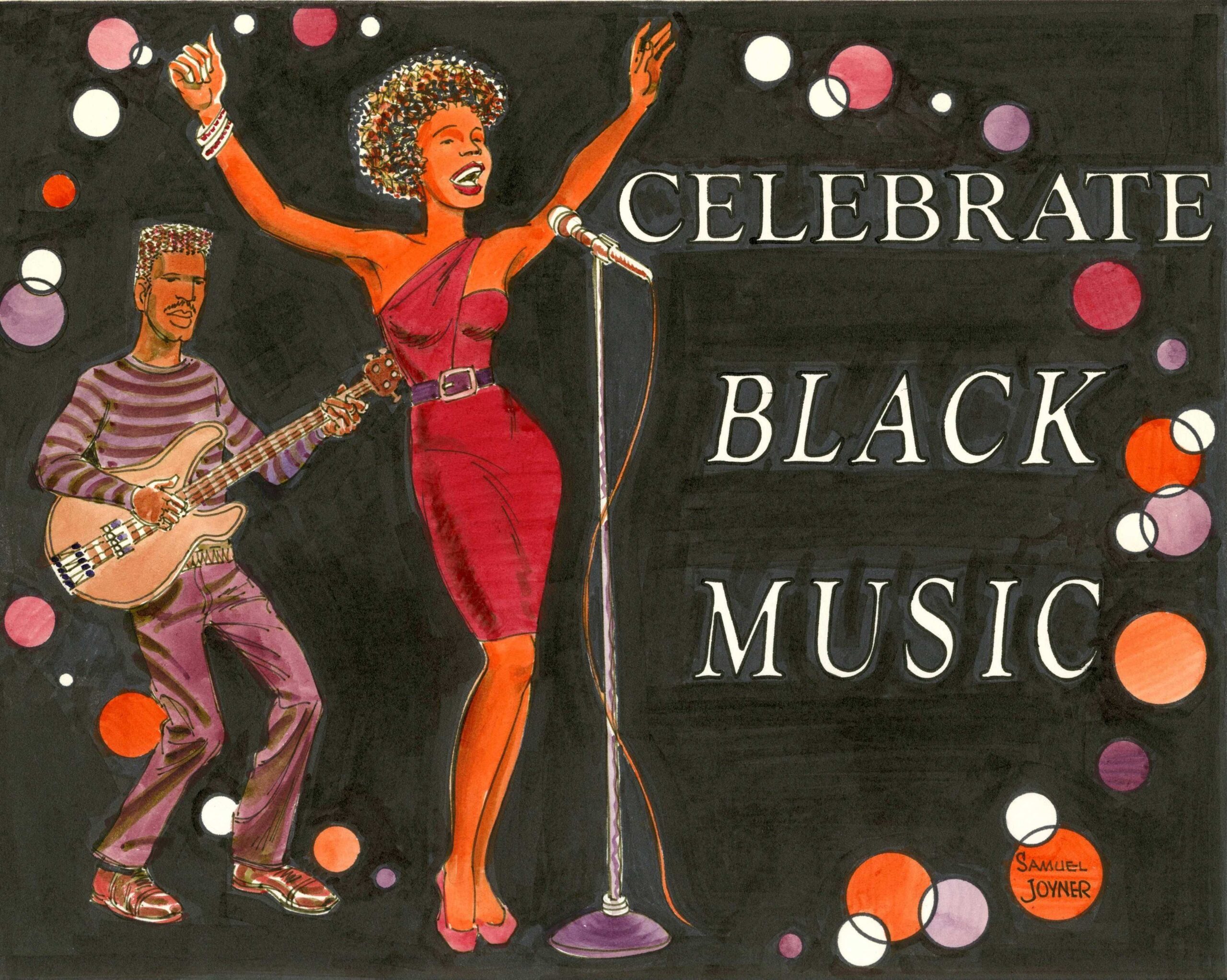
This month’s pop-up exhibit in the Special Collections Research Center features the work of Samuel R. Joyner, an editorial cartoonist and teacher. He is among the small number of African American cartoonists in the United States. Born in 1924, Joyner graduated from the Philadelphia Museum School of Industrial Arts (now the University of the Arts) in 1948. He attended the Teacher Certification program at Temple University and taught graphics communications/silk screening at Rhodes Middle School and Edward Bok Vocational High Schools from 1971 to 1990. Samuel R. Joyner died on March 24, 2020.
March 20, 1998
This exhibit features historical documents and original cartoons from the Joyner Artwork Collection in the Special Collections Research Center and displays both his talent and his views about popular issue such as the civil rights struggle, social commentary, and black achievement. In addition to the Philadelphia Tribune, his cartoons appeared in major periodicals such as The Houston Sun, The Milwaukee Times, and the Messenger Magazine.
Hosted by the Academy of American Poets since 1996, the National Poetry Month celebration is one of the largest of its kind with poetry lovers, educators, and librarians around the world participating in its various activities and initiatives. Every year the AAP produces a special poster, and this year’s poster is designed by Arthur illustrator Marc Brown and features a line of poetry from the U.S. Poet Laureate Ada Limón. For more information, check out the Academy’s website.
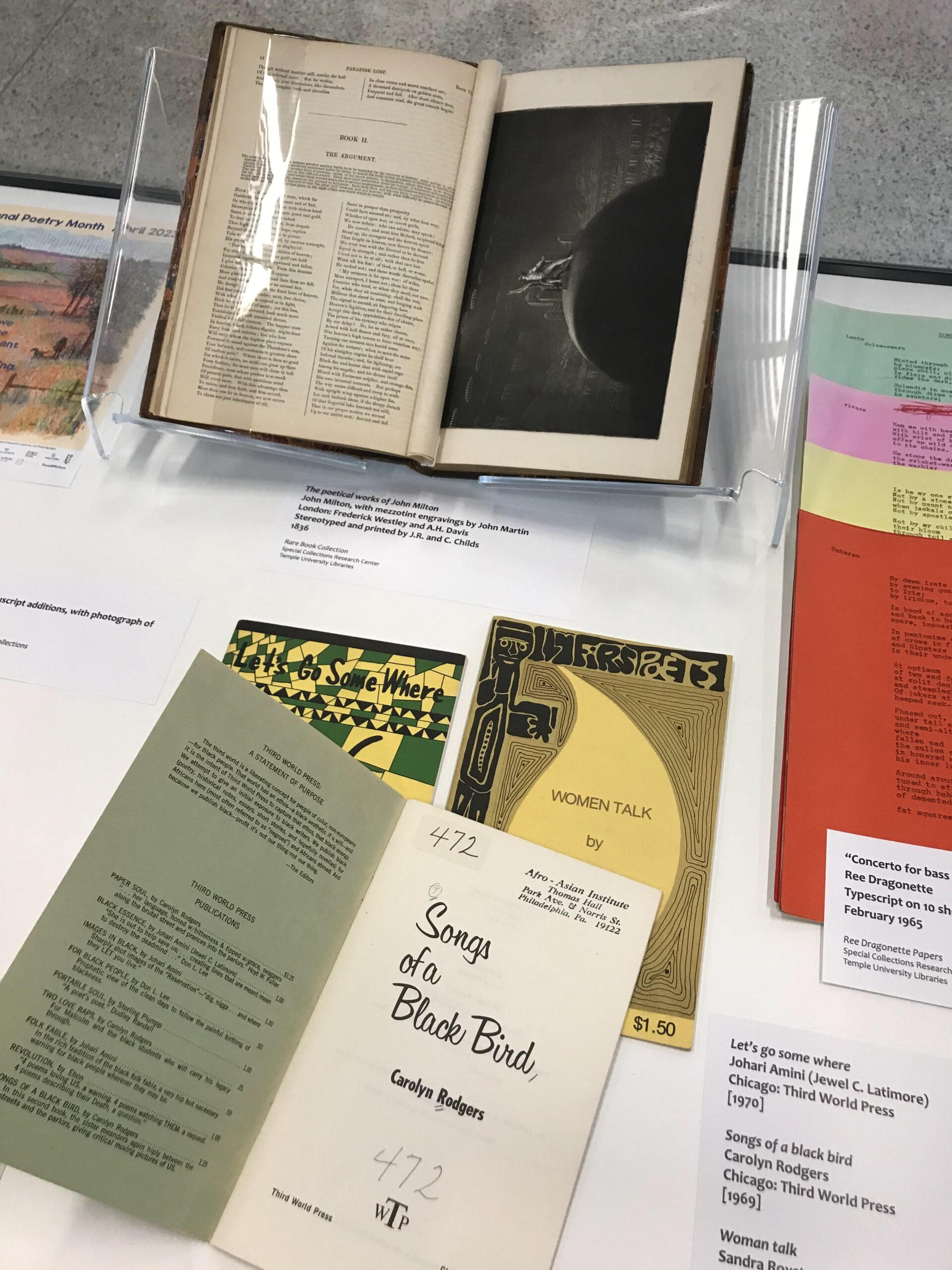
In celebration of National Poetry Month, we are featuring a few poetry books and manuscripts that represent the myriad ways that poetry can be found in the Special Collections Research Center’s collections. The selections can be found in a single case, pop-up exhibit in the SCRC Reading Room on the 1st floor of Charles Library, and can be viewed in April, Monday through Friday, 8:30-5:30.
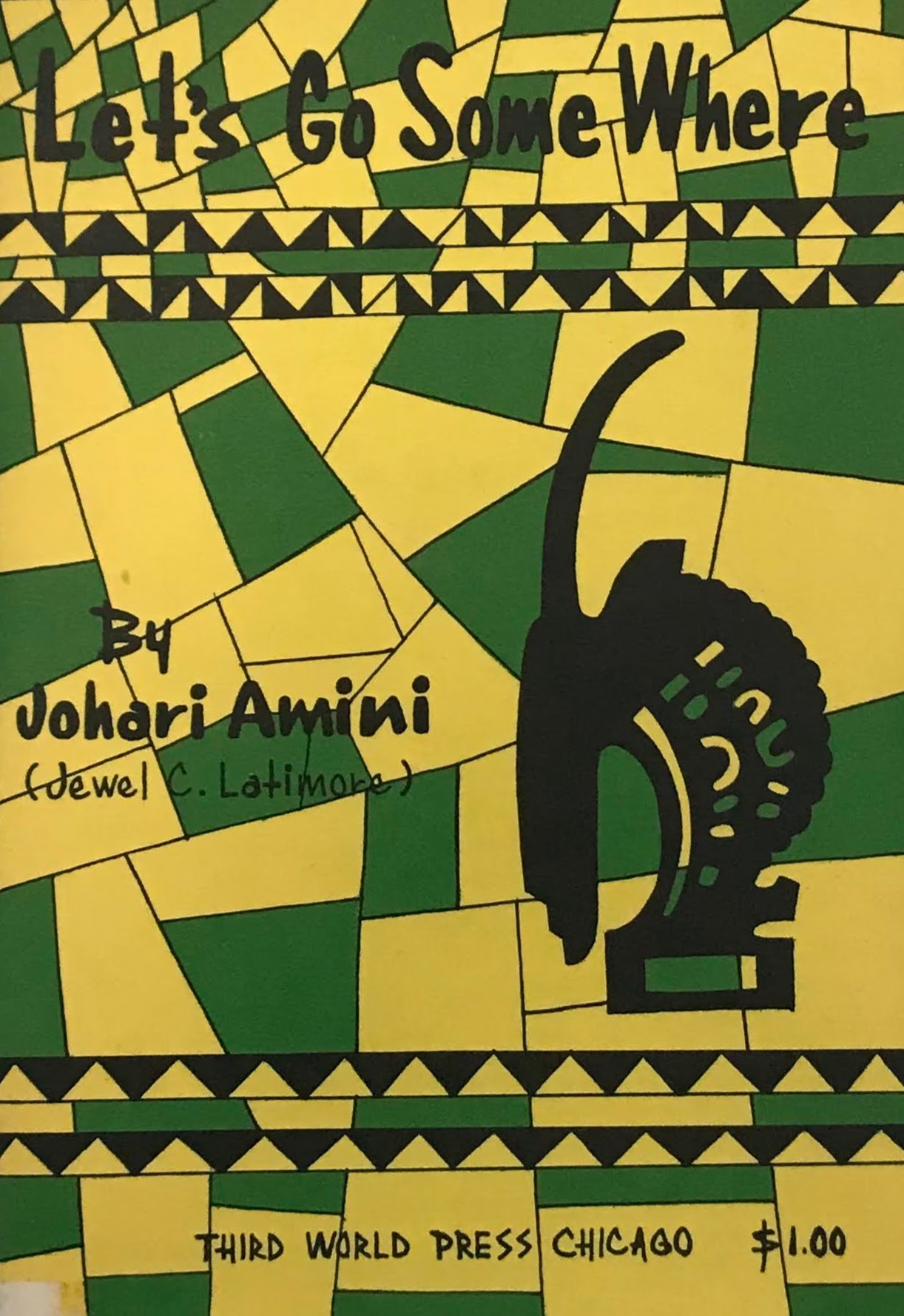
The exhibit includes an 1836 volume of John Milton’s poetical works from Temple’s rare book collection with striking mezzotint engravings by John Martin. From our Contemporary Culture Collection, there are three volumes of poetry by Black women published by an important Black Arts publishing house, Third World Press, based in Chicago. The selection includes a volume by Philadelphia native and Third World Press founder, Johari Amini. Also exhibited are examples of an illustrated fine press edition of nature poems from our extensive fine press/private press book collection. An artist book that incorporates poetry by Philadelphia book artist Alice Austin and two examples of poetry zines round out the various representative examples of poetry in print.
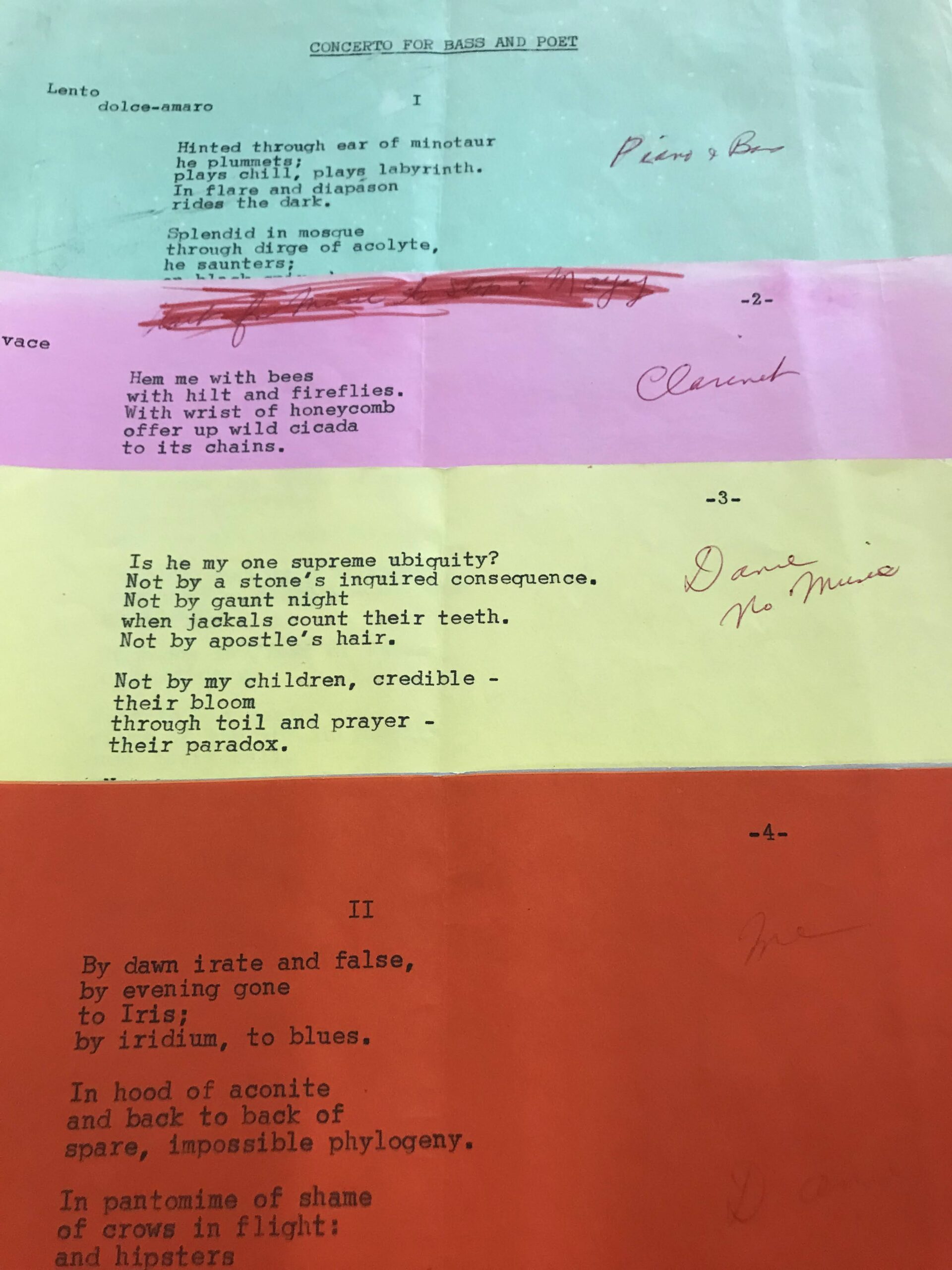
In addition to these published examples, we are also highlighting two manuscripts by poets Ree Dragonette and Galway Kinnell from our extensive manuscript and archival collections relating to poetry and poets. Ree Dragonette (1918-1979) was a New York-based poet in the 1960s and 1970s who regularly performed with musical accompaniment. The typed manuscript with manuscript additions of her “Concerto for Bass and Poet” is featured. The SCRC also has a small collection of drafts of a poem entitled “The pen,” a work by Galway Kinnell (1927-2014), and the first page of these collected drafts is exhibited demonstrating the creative process of a poet.
Photograph of Ree Dragonette’s “Concerto for bass and poet”
Happy National Poetry Month and please do stop in to learn more about the SCRC’s poetry collections.
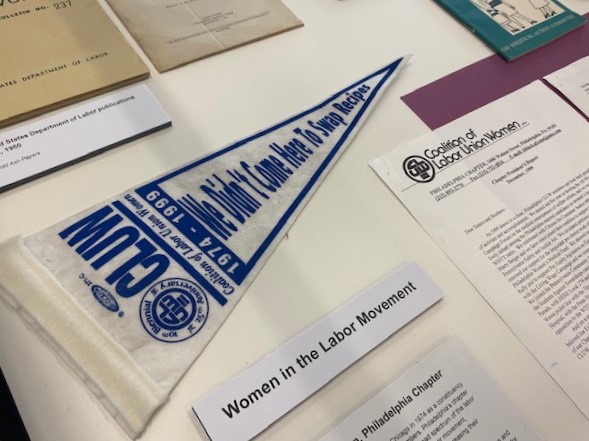
The Coalition of Labor Union Women (CLUW) was established in Chicago in 1974 as a constituency group within the AFL-CIO. Gloria Steinem was one of the founding members. Philadelphia’s chapter was chartered in 1975. CLUW united a diverse body of women across a broad spectrum of organizations. Broadly speaking, it aimed to connect the feminist movement to the labor movement, advocating for women’s health and equal pay, as well as organizing women and increasing their numbers in union leadership as well as in politics everywhere.
Locally, the Philadelphia CLUW has worked on a variety of advocacy campaigns with labor unions and other community and interest groups to advance the joint cause of labor and women. CLUW lobbied for a national single-payer health care system, as well as a women’s health agenda in the Pennsylvania state legislature that included contraception coverage and continued access to legal abortion. It fought for mandated paid sick time in Philadelphia, which was realized in 2015. It has also fought against the privatization of schools and Social Security and other governmental benefits.
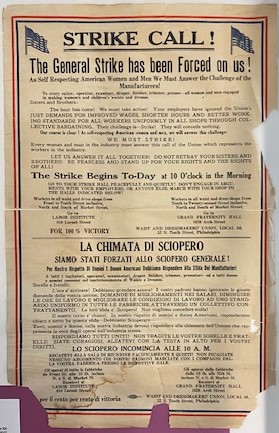
The March 2023 pop-up exhibit in the Special Collections Research Center reading room features the records of the Philadelphia Chapter of the Coalition of Labor Union Women, a recent donation to the Urban Archives. They complement a large body of records already in the SCRC that document labor and unions in Philadelphia, extending back into the 1800s. Other collections include International Ladies Garment Workers Union; United Saw, File, and Steel Product Workers of America; and the Harold Ash Papers. Many of these colections were acquired for the archives in the early 1980s during an two-year National Endowment for the Humanities-funded special initiative to acquire Philadelphia labor collections.
Women in a late 19th century factory varnishing and polishing handsaw handles
Introductory page of The Telescoping Effect: Part 1 by Rasheedah Phillips. Philadelphia, Pa.: AfroFuturist Affair, 2017.
Writing in a largely white-dominated space, Black science fiction authors have been creating fantastical stories since the earliest days of the genre. From space opera to alternative history to time travel to imagined utopias, their stories critique social structures, explore issues of oppression, and imagine futures and alternate realities for Black people throughout the world—and beyond. A pop-up exhibit in the Special Collection Research Center‘s reading room for the month of February 2023 highlights several Black science fiction authors using materials from theSCRC’s collections, including the Paskow Science Fiction Collection.
Martin Delany (1812-1885)
Martin Delany was an abolitionist, author, journalist, physician, Civil War soldier, and one of the most important African American political leaders of his time. Delany’s Blake; or The Huts of America: A Tale of the Mississippi Valley, the Southern United States, and Cuba, is considered to be the first work of science fiction written by an African American author. The story, an alternate history and utopian speculative fiction narrative, was published in multiple parts between 1859 and 1862. The novel as it is now known is unfinished, since the final parts were supposedly published in the May 1862 issue of the Weekly Anglo-African, and no known copies of that issue exist. Harvard University Press published a book version of the story in 2017.
The exhibit features Delaney’s Official Report of the Niger Valley Exploring Party. In 1859, Delany led an African American exploring party to the Niger Valley, seeking a possible location for a new Black nation of African Americans.
Frances Ellen Watkins Harper (1825-1911)
Frances Harper was one of the leading Black woman poets of the 19th century, as well as an abolitionist, suffragist, speaker, and teacher. Her 1892 novel Iola Leroy was another early African American utopian speculative story.
The exhibit includes a copy of Harper’s Poems on Miscellaneous Subjects.
Samuel R. Delany (1942- )
Samuel Delany is a science fiction writer, memoirist, and literary critic. His work has won multiple Hugo and Nebula awards. Delany has taught literature and creative writing at multiple universities, including at Temple University from 2001 to 2015.
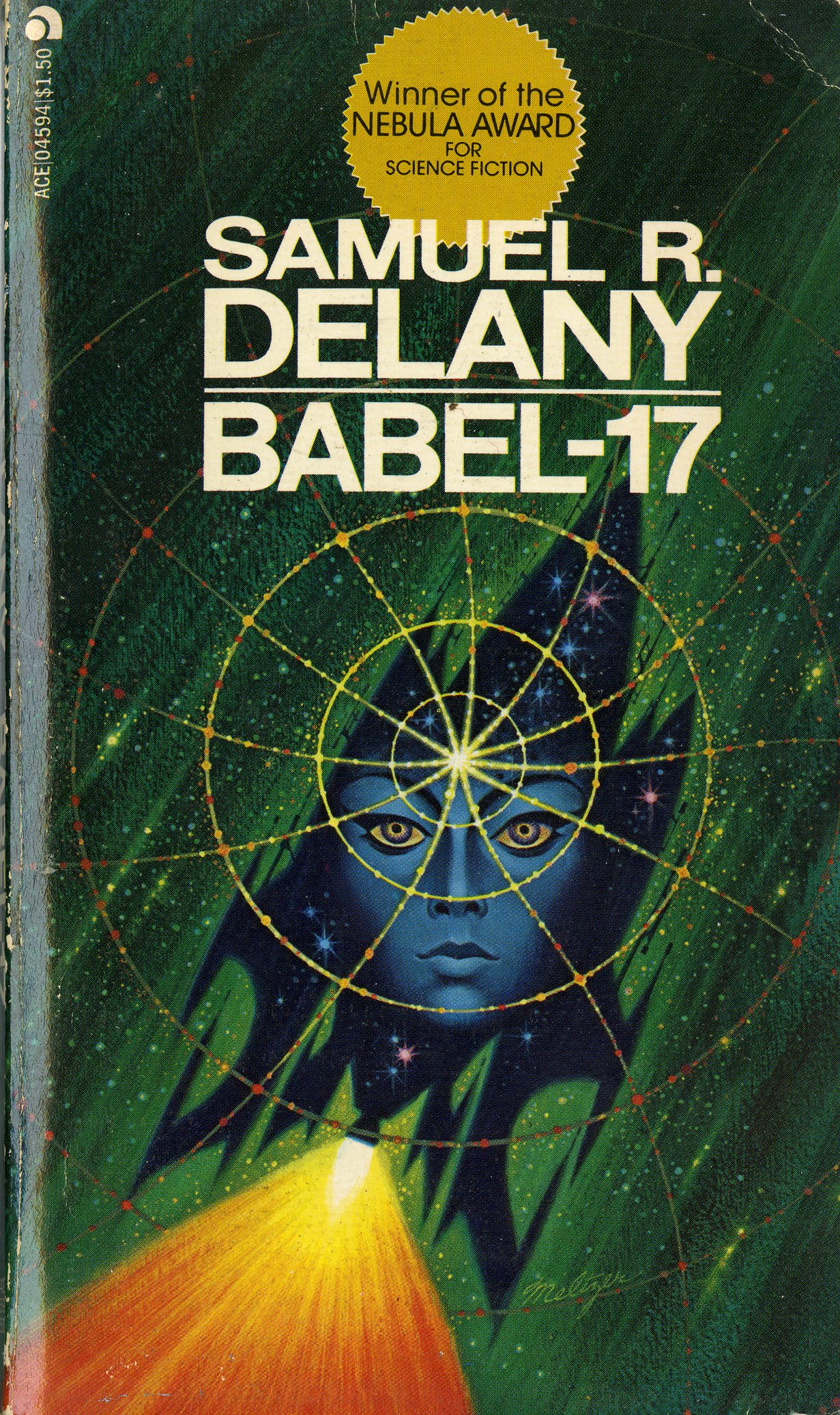
Displayed in this exhibit is a paperback copy of Delany’s Babel-17 (New York: Ace Books, 1966).
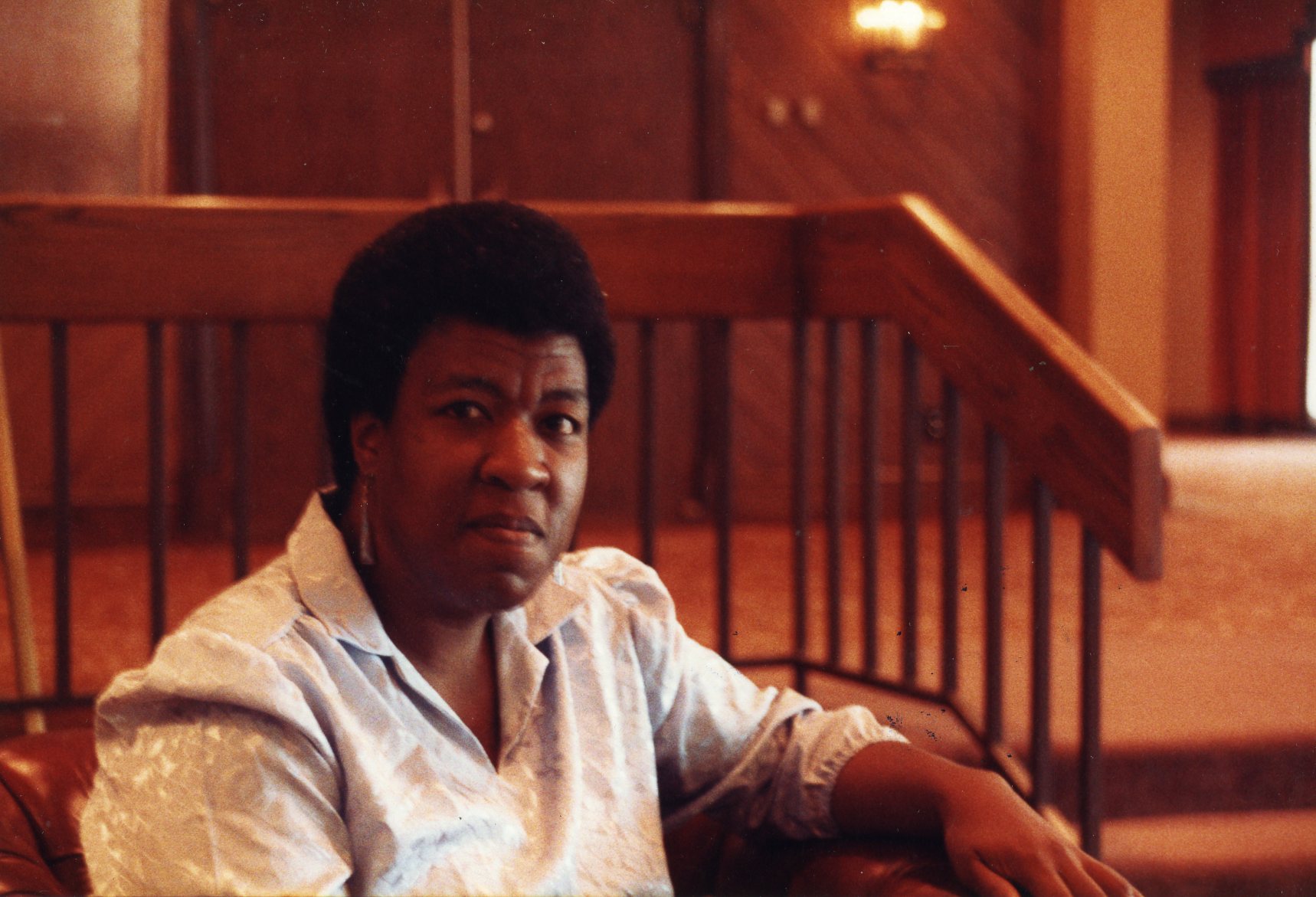
Octavia Butler at the Inconjunction convention, July 1988. Carlos Roy Lavender Papers.
Octavia E. Butler (1947-2006)
Octavia Butler was one of the most important science fiction authors of the twentieth century. She won both the Hugo and Nebula awards multiple times, and she was the first science fiction writer to win the MacArthur Fellowship “Genius Grant.”
The exhibit includes photographs of Octavia Butler at the Inconjunction convention, Indianapolis, Indiana, July 1988, her first published story, “Crossover,” and her novel Kindred. “Crossover” appeared in the 1971 Clarion Writers’ Workshop anthology. Clarion : An Anthology of Speculative Fiction and Criticism from the Clarion Writers’ Workshop, Robin Scott, editor.
Butler’s novel Kindred, perhaps her best-known story, is a time travel narrative in which the heroine, a Black woman named Dana, and her husband, a white man, travel back and forth through time to and from a Maryland plantation.
SCRC’s first edition copy of Kindred (Garden City, N.Y.: Doubleday & Company, Inc., 1979) is inscribed by Butler “To Bea + Aubrey, Thanks for the complements, Octavia E. Butler,” and includes a program from “A tribute to Octavia E. Butler” held June 5, 2006, at the New York Public Library for the Performing Arts, as well as an advertisement for the tribute and a newspaper clipping of the New York Times obituary for Butler, dated March 1, 2006.
Rasheedah Phillips
Rasheedah Phillips is a Philadelphia activist, artist, author, and housing attorney at Community Legal Services. She founded the Afrofuturist Affair, a science fiction and Afrofuturism community; is co-founder with Camae Ayewa of the Black Quantum Futurism (BQF) artistic collective; and is a founding member of the queer science fiction collective Metropolarity. She is a graduate of Temple University (2005) and Temple University’s Beasley School of Law (2008).
This exhibit includes a copy of Style of Attack Report (Philadelphia: Metropolarity, 2016) and The Telescoping Effect: Part 1 (Philadelphia, Pa.: AfroFuturist Affair, 2017).
–Katy Rawdon, Coordinator of Technical Services, SCRC
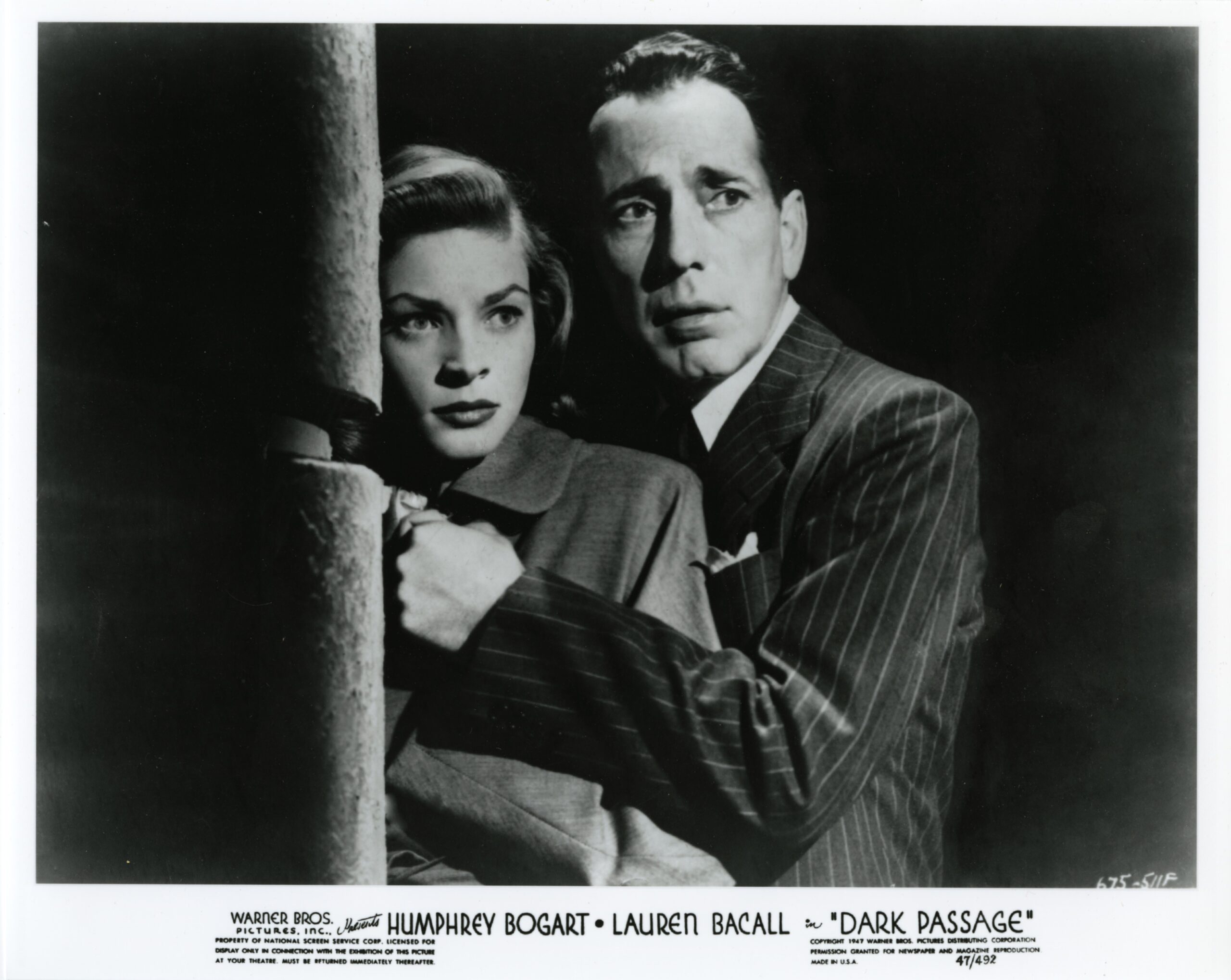
Temple University Libraries’ Special Collection Research Center’s January 2023 reading room pop-up exhibit commemorates the anniversary of David Goodis’ death.
David Loeb Goodis was born in Philadelphia on March 2, 1917, and died on January 7, 1967. He was an author and screenwriter of noir crime fiction, creating short stories, novels, and screenplays.
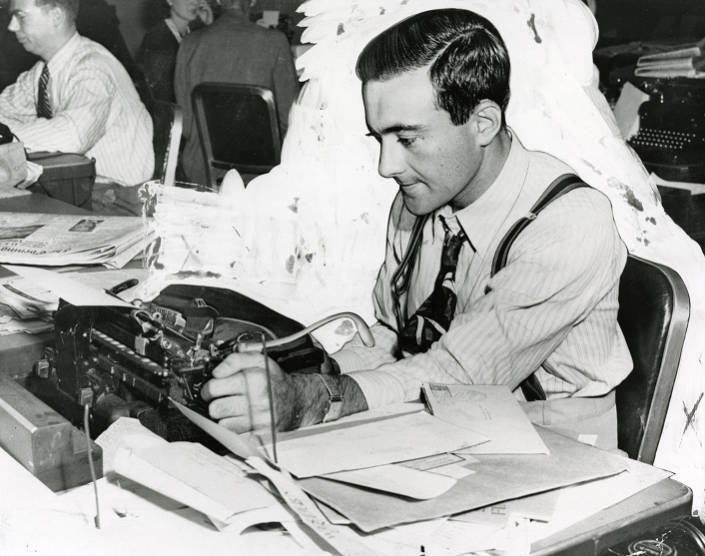
Philadelphia Evening Bulletin Photograph
Goodis was the oldest child of William and Mollie Halpern Goodis, both with Russian-Jewish emigrant roots. Goodis graduated from Simon Gratz High School in 1935. He then attended Temple University and graduated in 1938 with a degree in journalism. Goodis resided in Philadelphia, New York City, and Hollywood during his professional years.
Goodis’s first published novel was Retreat from Oblivion (1939). François Truffaut filmed Goodis’ 1956 novel Down There as the acclaimed Shoot the Piano Player (1960).
In 1965, Goodis sued United Artists-TV and ABC for $500,000, claiming copyright infringement. He said the movie The Fugitive was based on his 1946 novel Dark Passage. Although Goodis died before the case could be settled, the lawsuit continued to make its way through the courts. Goodis’ main beneficiary had also died, so the Goodis estate agreed that the case only had nuisance value and accepted $12,000 to settle. The case is still regarded as a landmark decision in intellectual property rights and copyright law.
Goodis has become a noir icon, supported by a group of devotees who founded and sponsor NoirCon, a “literary conference devoted to the dark, elusive, and seductive areas of art and life.” Around the date of his birth or death, the group also organizes a tour of Goodis-related sites in Philadelphia.