Tag Archives: American Jewish History

From Camp Kennebec to Camp Firewood

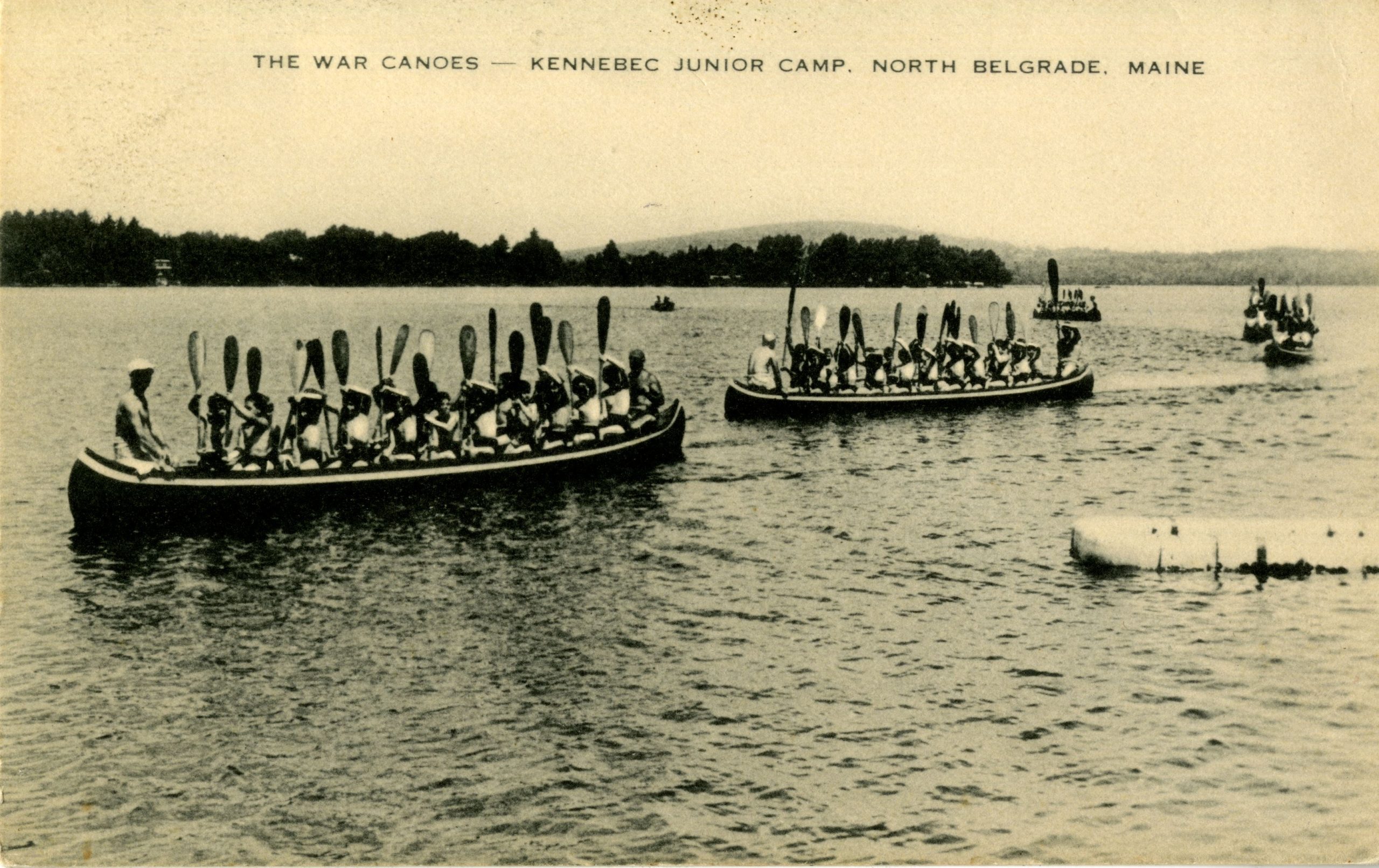
“The War Canoes” postcard, undated

In late July, Netflix released a much anticipated prequel to the quite literally campy cult classic Wet Hot American Summer which premiered in the U.S. in 2001.  The newly released series and the original movie both revolve around the often deviant misadventures of camp goers at a disorganized sleep-away camp in Maine called Camp Firewood. Both films are loosely based on the experiences their director, David Wain, had while attending a Jewish camp in Belgrade, Maine.

Established by three Jewish Philadelphians, Louis Fleischer, Charles Edwin Fox, and Milton Katzenberg, at the start of the twentieth century, Camp Kennebec was located in the scenic Kennebec County town, Belgrade. For almost a century, it catered to Jewish male youth ages 8 to 18, mainly hailing from Philly.
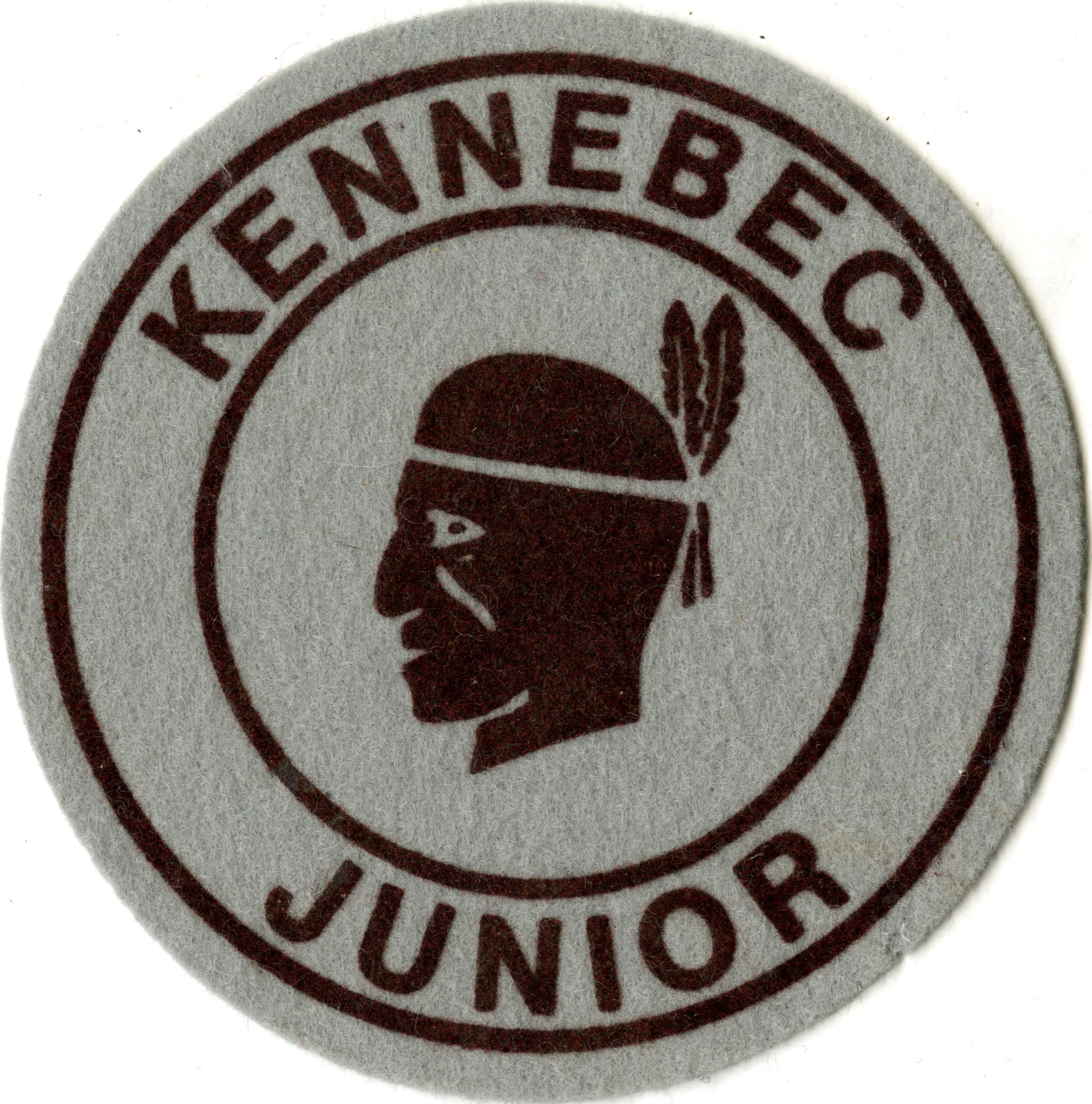
Kennebec Junior felt patch, undated

Camp Kennebec’s location and religious affiliation are likely the only similarities between it and David Wain’s camp memories. Kennebec was a no-nonsense kind of summer experience with few amenities. It was established to mold boys into “true men” during the tail end of the Progressive Era, when stoic masculinity was emphasized.

Camp Kennebec recruited counselors from Princeton, Harvard, Yale, and the University of Pennsylvania among other universities, and instructed campers to call each of them “uncle” (or the “uncs” as one camper affectionately noted in his photographic travel journal).  Kennebec’s primary emphasis was on the development of respectable traits such as masculinity, ruggedness, and independence. Kennebec’s campers engaged in athleticism, wilderness survival, and first aid, but also academic pursuits such as the study of literature. For many, the boyhood bonds formed at the camp and the lessons it taught them lasted well into adulthood.
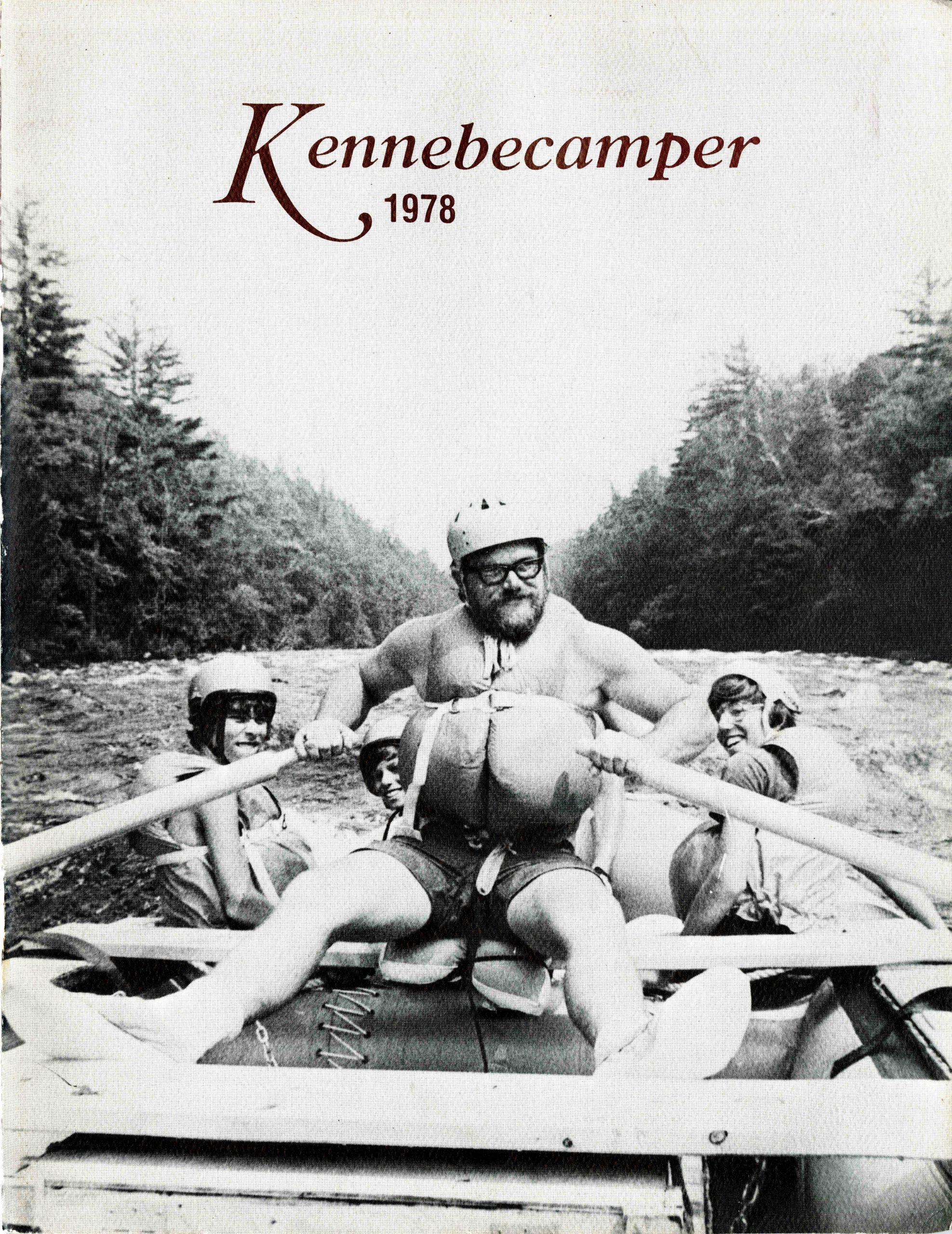
Kennebecamper yearbook, 1978

A collection of records from Camp Kennebec and Kennebec alumni is available for research in Temple University Libraries’ Special Collections Research Center. The collection includes yearbooks, souvenirs, photo albums of hiking trips, and ephemera relating to alumni reunions, which were no doubt well attended. To learn more about Camp Kennebec and the alumni collection, view the online finding aid.

-Irena Frumkin, SCRC Student Assistant
From the Philadelphia Jewish Archives: Hollywood Mysteries

Scholars have long been interested in the cultural and socioeconomic conditions that led Jews to success in the early film industry. Jewish immigrants, and particularly those from Eastern Europe, were adept at developing film technology and skilled at writing, directing, and marketing movies. Even the moguls who created Hollywood’s studio system–William Fox, Samuel Goldwyn, Louis B. Mayer, and Adolph Zukor, among others–were Jewish immigrants who rose from unprepossessing circumstances to become some of the most powerful men in the country. In books, articles, and documentaries, historians and film buffs have attempted to explain this unique aspect of film history.

What’s been less well-studied, however, is the relationship between Hollywood and Philadelphia’s own rich Jewish history. And I must admit that I’ve never given it much thought either, despite being a Philadelphia Jewish Archives collections project archivist in the Special Collections Research Center and classic film enthusiast. That changed, however, after I discovered an intriguing letter in the Robert B. Wolf and Morris Wolf Papers.

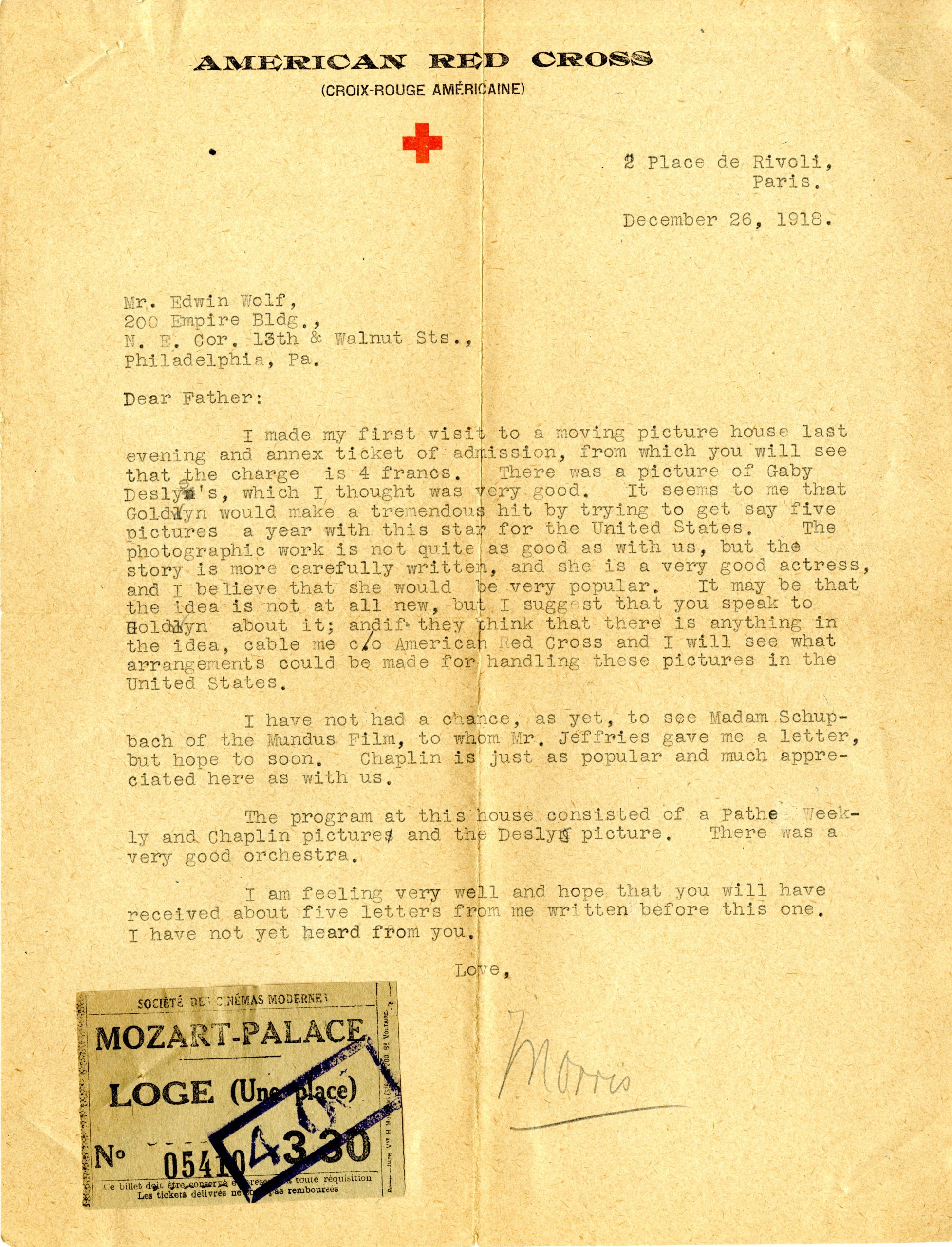
Robert and his father, Morris, were prominent members of the Philadelphia Jewish community. Morris served with the American Red Cross during World War I and was stationed in Paris. It was among his letters from France that I came across a curious passage:

Letter to Edwin Wolf, December 1918.

Dated December 26, 1918, the letter is addressed to Morris’ father, Edwin. “Dear Father:” Morris wrote, “I made my first visit to a moving picture house last evening….There was a picture of Gaby Deslys’s, which I thought was very good. It seems to me that Goldwyn would make a tremendous hit by trying to get say five pictures a year with this star for the United States.” He later reminded, “I suggest that you speak to Goldwyn about it.”

Call me crazy, but was Morris Wolf referring to THE Sam Goldwyn? The famous producer of dozens of classic American films? If he was, then what was the connection between the Wolf family and the Hollywood film industry?

A search of the collection produced more hints, but frustratingly few answers. I found an employment contract for First National Pictures, a film company that merged with Warner Bros. in 1928. The collection also includes a 1959 Philadelphia Inquirer article that mentions that the family starred in and produced Westerns at a Montgomery County motion picture studio (Betzwood, anyone?)

Hoping to find more information, I turned to secondary sources. To my surprise, I found that little has been written about Philadelphia Jews and their role in the national film industry. To be sure, Siegmund Lubin’s career has been well documented, but there are significant gaps in the literature on this subject.

So, if anyone out there decides to tackle this topic, Morris Wolf and I will be eagerly awaiting your findings. Until then, feel free to use the Robert B. Wolf and Morris Wolf Papers and take a stab at unravelling the mystery yourself….

— Jenna Marrone, SCRC Project Archivist

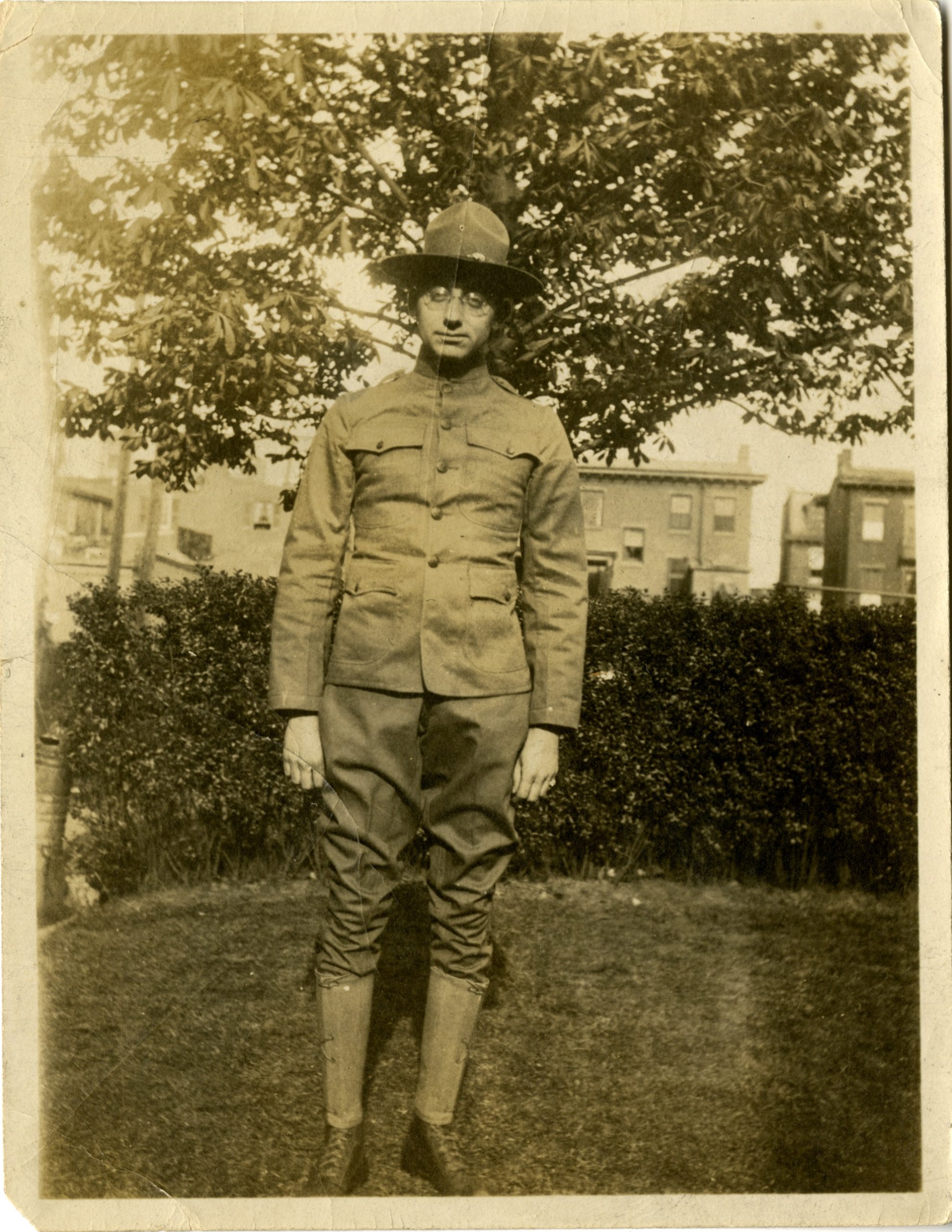
Photograph of Morris Wolf in uniform, 1918

From the Philadelphia Jewish Archives: Pinchos J. Chazin Papers

Rabbi Pinchos J. Chazin (1914-2006) was a well-known and much admired spiritual leader in Philadelphia’s Jewish community.  For forty-three years, he inspired and engaged the congregation of Temple Sholom with sermons and weekly lectures that connected scripture with contemporary culture in a way that was both meaningful and motivational.  Rabbi Chazin’s sermons were invariably positive, encouraging congregants to explore their spirituality and delve deeper into Jewish tradition.  He also displayed compassion for the foibles of human nature, an ability that impressed many people who heard Rabbi Chazin speak. 

“Your work as the spiritual guide of Temple Sholom must be a taxing one,” wrote one correspondent in 1950, “but one can’t help feeling your sincerity of purpose….It did a lot to create and instill the desire to delve deeper into the beauties of Judaism, and what it stands for.”  In 1970, another correspondent noted, “You are unquestionably the finest rabbi in terms of learning and expression and humanity that I have ever known, and one of the finest human beings I have ever known, as well.”  And in 1979, a congregant succinctly wrote, “For the many years that you have acted as Rabbi in Temple Sholom you have opened the doors to ourselves and our children to the true meaning of Judaism and warm friendship.”

Chazin’s personal papers including his weekly sermons, book review lectures, eulogies, cantatas and related materials are now open for research in the Special Collections Research Center. To learn more about this collection, review the online finding aid http://library.temple.edu/scrc/pinchos-j-chazin-papers

Jenna Marrone, Project Archivist

From the Philadelphia Jewish Archives: Shana Tova, Happy Jewish New Year

Scott Ellencrig, four years old, demonstrates traditional blowing of the ram’s horn, September 21, 1960
Philadelphia Evening Bulletin Photograph Collection

The ritual blasts of the shofar marks the beginning of the Jewish New Year on Rosh Hashanah, a time of personal reflection and examination of the events of the previous year. A shofar is an instrument made from the naturally hollow horn of a ram or other kosher animal such as an antelope, gazelle, or goat. These horns are not solid bone, but contain cartilage which can be removed. The ram’s horn is traditionally used because it acts as a reminder of the Binding of Isaac in the Book of Genesis in which Abraham sacrifices a ram in place of his son. The shofar is sounded up to 100 times during synagogue services on Rosh Hashanah. The ten days of Rosh Hashanah culminate in the celebration of Yom Kippur, a day of fasting, prayer, and repentance. To mark the end of the fast on Yom Kippur, the shofar is sounded once more.
The sounding of the shofar is not limited to Jewish religious services. Secular, humanist observance of the Jewish High Holidays often time includes the blowing of the shofar to signify bringing the community together and a reaffirmation of Jewish cultural values.

Sholom Aleichem Club News & Comment, September 1988
Sholom Aleichem Club Records


The First Jewish Catalog, a do-it yourself guide to Jewish life first published by the Jewish Publication Society in 1973, offers step-by-step instructions for making your own shofar:
Step 1: Boil the shofar in water for 2-5 hours. The cartilage can be pulled out with the aid of a pick. If the horn is small, this should only take half an hour.
Step 2: After the horn is completely dry, measure the length of the hollow of the shofar, cutting 1 inch further with a coping saw or hacksaw
Step 3: Drill a 1/8” hole with an electric drill from the sawed-off end until it reaches the hollow of the horn.
Step 4: With an electric modeling tool, carve a bell shaped mouthpiece similar to that of a standard trumpet. The modeling tool may also be used to carve designs on the outer edge or the body of the shofar.

Illustration by Stu Copans in The First Jewish Catalog: a Do-It-Yourself Kit
Jewish Publication Society Records

Jessica Lydon
Associate Archivist

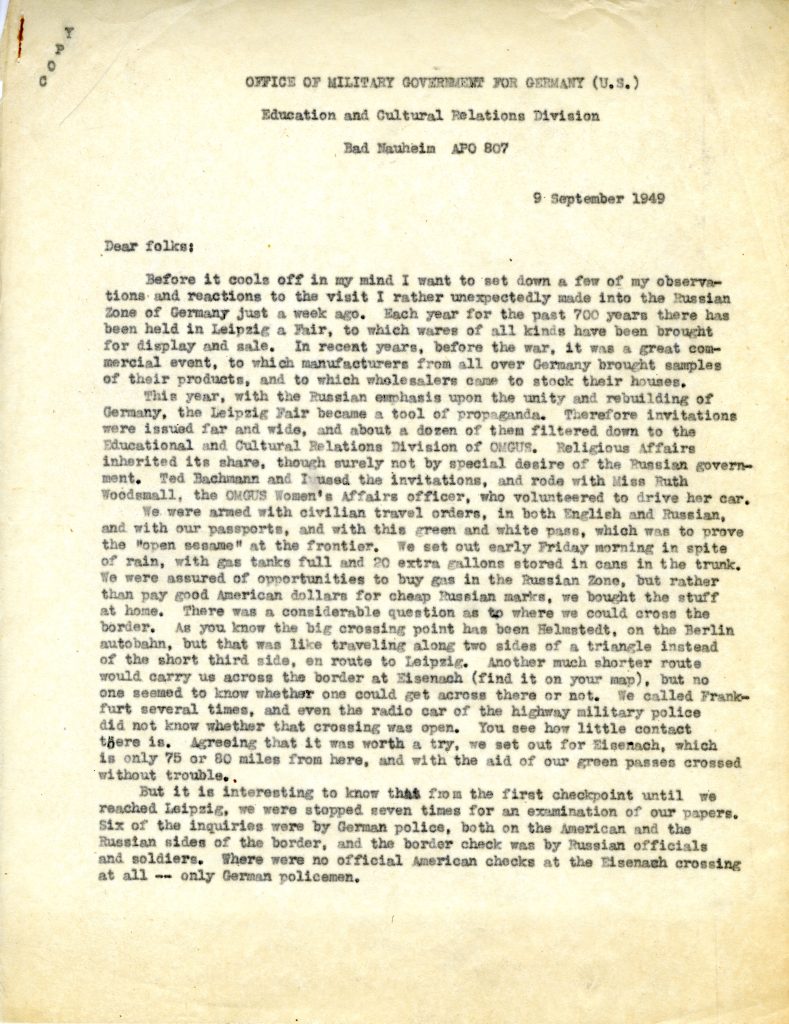
Notes from the Littell Project: A 1949 Sojourn in Soviet-occupied Germany

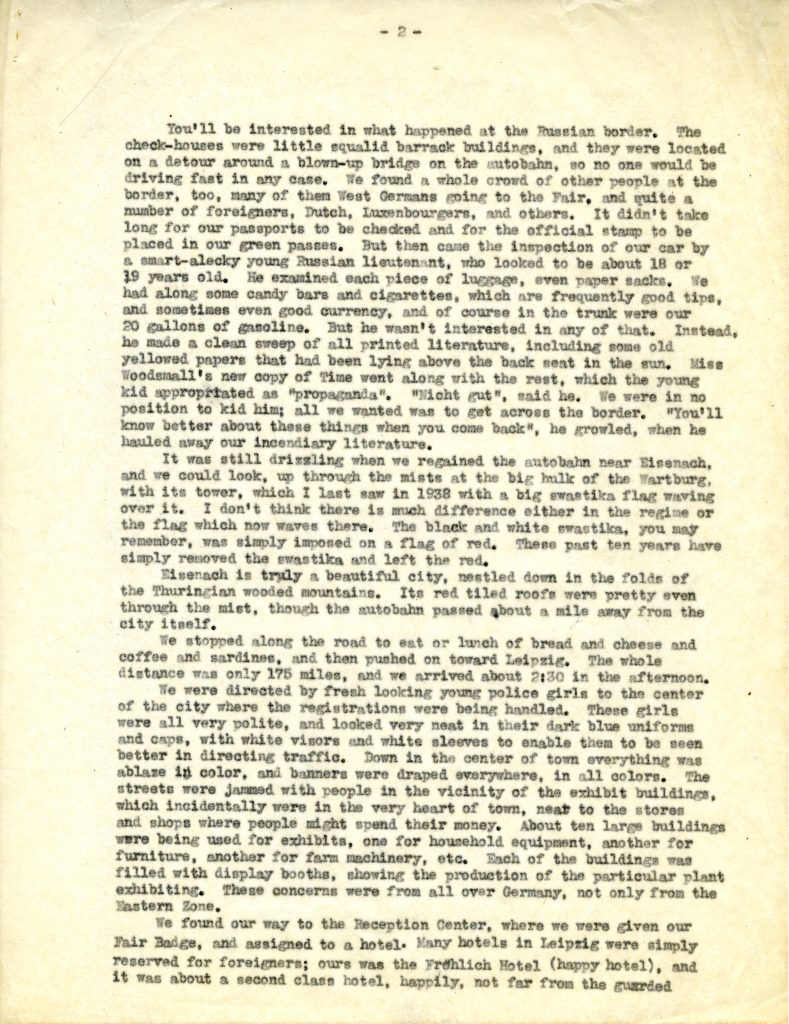
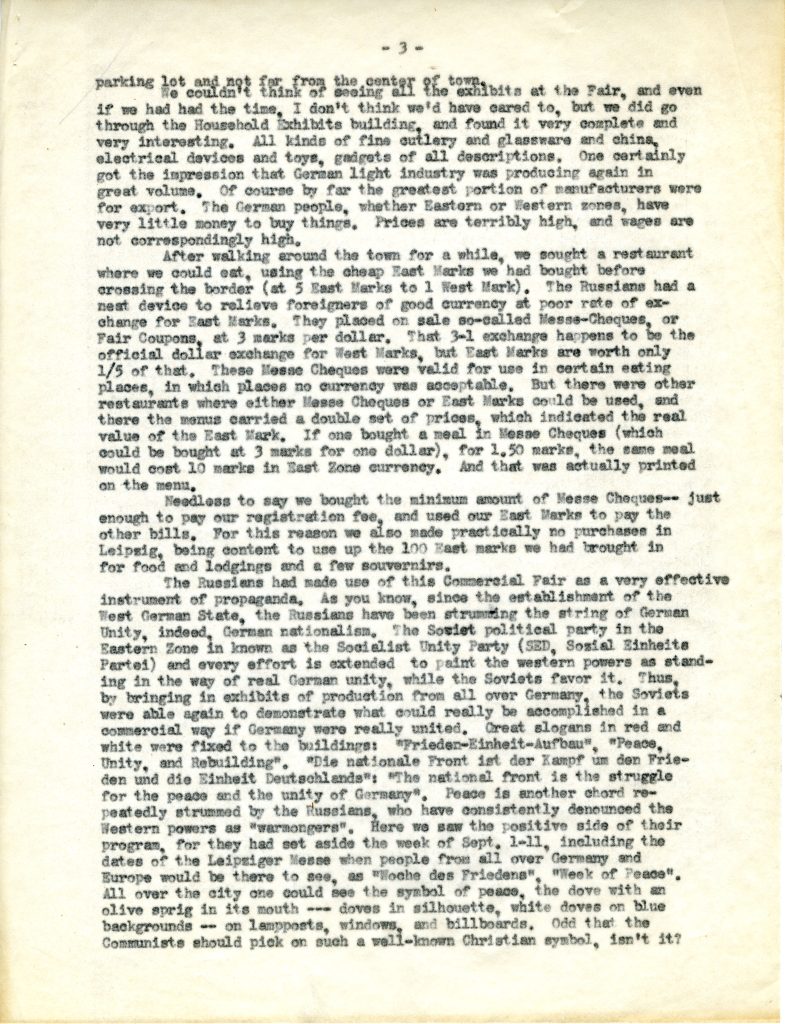
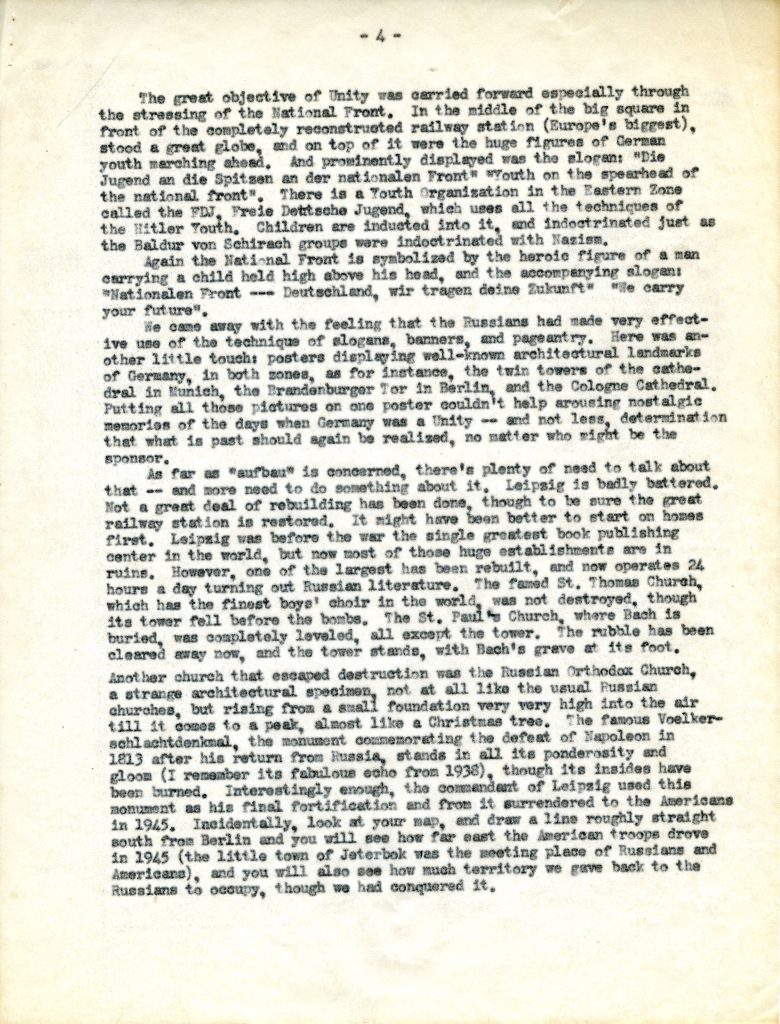
As a result of his growing knowledge of the harsh realities of the Holocaust and World War II, following the war, Franklin Littell went to work in the Religious Affairs branch of the Office of Military Government in U.S. occupied Germany. He served as a religious advisor to the U.S. Government, specializing in Germany’s protestant churches, and he was also a leader in the growing Christian lay movement there (more on those activities later). As a result of his work and position, from time to time he was afforded the opportunity to travel into Soviet-occupied Germany. The following are portions of a letter written home about his experience the first time he made this journey in 1949.


Courtney Smerz, Project Archivist

Franklin H. Littell was Temple faculty member and scholar of religious history, whose focus lay in the history of sects and of Christian/Jewish relations.  He also brought world-wide attention to the importance of studying the Holocaust and its causes, and a large percentage of the more than 400 linear feet of papers (think the equivalent of 50 four-drawer filing cabinets) document that work.  This is one of the occasional posts about what we’re finding as we preserve and organize the collection for research use.


From the Philadelphia Jewish Archives: Chremslach for Passover

Chremslach are fried pancakes or fritters typically made from matzoh meal. Recipes for Chremslach can be seen in various cultures dating back to the Roman Empire, but it is the Ashkenazi Jews who have adopted this sweet pancake as a tradition during Passover. Versions of this fried pancake vary from those dressed with fruit preserves or dipped in honey to fritters stuffed with fruits and nuts and sprinkled with powdered or cinnamon sugar.

One of the earliest recorded recipes for Pesach Chremslach can be found in Esther Levy’s Jewish Cookery Book on Principles of Economy Adapted for Jewish Housekeepers with the Addition of Many Useful Medicinal Recipes and Other Valuable Information Relative to Housekeeping and Domestic Management, published in 1871. Considered to be the first Jewish cookbook published in America, Levy’s book is both a collection of recipes and a manual of instruction on the day-to-day management of a 19th-century Jewish household. The Jewish Cookery Book includes explanations for setting a table, menu planning, and recommendations for cooking with seasonal ingredients. Among Levy’s recipes, suitable for preparation during Passover is a recipe for Grimslechs that incorporates apples, currants, raisins, and almonds into the batter before frying or baking.

Check out Esther Levy’s recipe for Chremslach:


Chop up half a pound of stoned raisins and almonds, with half a dozen apples and half a pound of currants, half a pound of brown sugar, nutmeg, cinnamon, half a pound of fat, the rind of a lemon, two soaked matzas or unleavened bread; mix all the ingredients together with four well beaten eggs; do not stiffen too much with the matzo meal; make into oval shapes; either fry in fat, or bake in an oven a light brown.

Access the catalog record to Esther Levy’s Jewish Cookery Book in the online library catalog

–Jessica Lydon, Associate Archivist


From the Philadelphia Jewish Archives: Ascent to Mt. Katahdin

In 1907, three Philadelphia natives opened Camp Kennebec, a summer camp for boys that reflected the robust masculinity and rugged independence of the Teddy Roosevelt era. Situated on Salmon Lake in North Belgrade, Maine, Camp Kennebec provided a means of recreation in the natural environment juxtaposed with the campers’ urban life in Northeastern and Mid-Western cities. Kennebec, opened during the pioneer days of organized camping, was dedicated to keeping the camping experience as natural and primitive as possible and promoting healthy competition through athletics and wilderness activities.

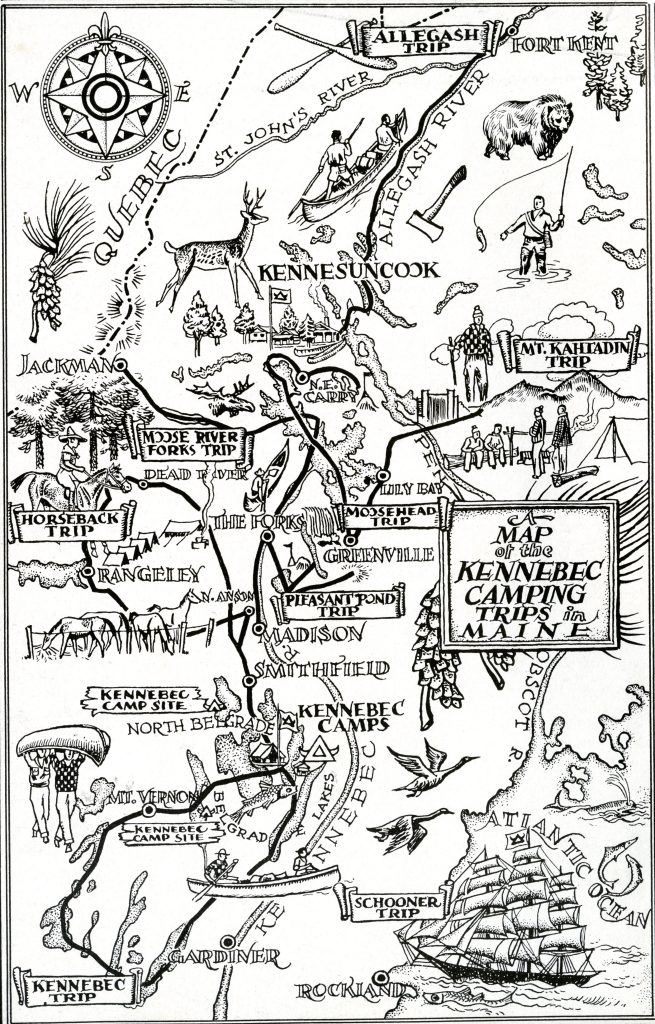
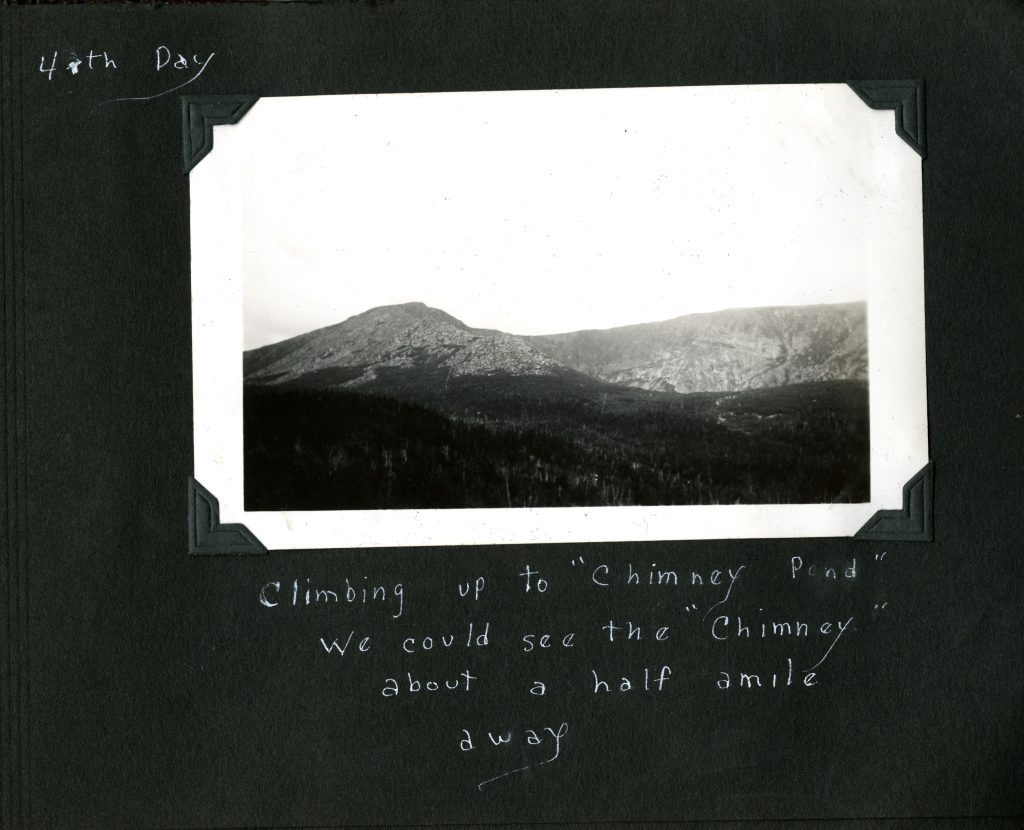
By the 1930s, Camp Kennebec had instituted camping trips to various outposts throughout the Maine wilderness. A mainstay of the Kennebec experience, these expeditions gave campers the opportunity to explore the landscape and test their skills. Among the campers of the 1938 camp season was Edward Block, described camera fiend and resident photographer. While at Kennebec, Block used photography to document his experiences and record activities including the annual trip to Mt. Katahdin, the highest mountain in Maine and the northern terminus of the Appalachian Trail. Over the course of the nine day expedition, Edward Block recorded the progress of their ascent to the summit and captured the natural beauty of Maine’s pristine environment.

A collection documenting Philadelphia campers’ time at the camp is now available for research in the Philadelphia Jewish Archives collections of the Special Collections Research Center.  Start by reviewing the finding aid at http://library.temple.edu/collections/scrc/camp-kennebec-alumni.