Categories
Climate Policy Digest Race to Zero Waste Uncategorized

Single-Use Plastic Policy

Current State of Affairs 
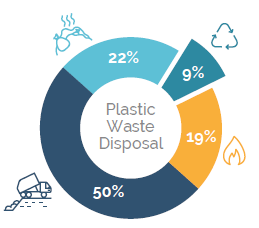
In 2019, globally only 9% of
plastic waste
was recycled
while 19% was
incinerated and
almost 50% went
to landfills. The
remaining 22%
was disposed of
in uncontrolled
dumpsites, burned in open pits, or leaked into the environment
In 2019, 9% of plastic waste was recycled. The rest was incinerated, put in landfills, or disposed of using unregulated methods

Last month, Circular Philadelphia released a comprehensive policy guide on the current state of single-use plastic legislation in Philadelphia.

Despite the clear negative impacts of plastic production on the environment and our increasingly overwhelmed waste management systems, single-use plastic production has doubled in the last 60 years. This increase in production was exacerbated by the pandemic through online purchasing of delivery and takeout food orders increasing the demand for single-use packaging and food containers. The pandemic also hindered Philadelphia’s ability to manage plastic waste, as sanitation workers faced both an overwhelming amount of waste to clean up and a disproportionately high risk of exposure to COVID-19 due to their working conditions. This forced the city to prioritize trash management over recycling, leading to a drop from 22% in 2019 to a low 8% in 2022. 

Despite the surge of single-use plastic during the pandemic, Philadelphia has recently taken several steps in the right direction when it comes to managing waste. The city increased on-time trash collections from 56% in 2021 to 96% in 2022 and added 150 new personnel for trash collection. Philadelphia also passed its ban of single-use plastic bags in 2022. A recent report found that after three months, reusable bag use doubled, and plastic bag use fell to almost zero. 

Possible Solutions

Circular Philadelphia also reports that there are steps the city can take to reduce plastic waste even further in as short as a few years. The easiest solution to waste is legislation that bans or punishes single-use plastic, a measure that has already been used to eliminate plastic bag use in states such Hawai’i, Maine, and New York as well as municipalities such as Boston, Los Angeles, Seattle, and of course, Philadelphia.

Other methods include shifting responsibility for plastic consumption away from consumers, and instead pushing producers to reduce the amount of single-use plastic they use in their manufacturing and shipping process. In 2022, California passed a law that requires all packaging to be either recyclable or compostable by 2032, which is expected to help reduce plastic packaging by 25% and requires 65% of all single-use plastic packaging to be recycled within the following decade. 

Another possible option is utilizing market-based solutions. Market based solutions often rely on a change in behavior from the consumer based on new trends or beliefs about what is socially favorable/acceptable. For example, it is favorable to like and protect animals, which made purchasing reusable straws popular when plastic straws were linked with harming sea turtles. But here are also several opportunities for change to come from the producers, such as manufacturing companies replacing traditional plastic bags with ones made from bioplastics, or stores offering reward points to customers who use reusable bags. A single cure-all solution for single-use plastic waste will be difficult to find, but combining several methods is a great start for achieving a waste-free future.

Circular Philadelphia’s Plan

Circular Philadelphia makes the argument that simple but thorough legislation informed by practices in other cities and regions is likely the best way to achieve fair, consistent, and measurable change when it comes to plastic waste in Philadelphia. Their recommended solution is a three-step legislation mechanism that eliminates certain single-use plastics from the take-out operations of restaurants and other prepared food establishments

Step 1. Ban certain single use plastics for take-out food 

The most straightforward step to this process is banning items that are commonly littered after use, which includes polystyrene containers, plastic straws/cutlery, and plastic lined cups.  

Step 2. Encourage a shift to reusable containers by imposing a fee on continued use of single-use plastics for take-out food 

In order to encourage businesses to stop using any single-use items that remain unbanned, Philadelphia can incorporate an inspection for single-use plastics into the responsibilities of the Health Department and charge a fee for restaurants that are not compliant. The success of this part relies on its enforceability, which means it would mainly apply to places with food establishment licenses. It also requires flexible definitions for what is single-use, recyclable, compostable, reusable, etc. so that the city can update standards based on the available systems in its recycling department. 

Step 3. Reinvestment of fee proceeds to clean up Philly and create a transition fund 

Fees from noncompliant businesses would then be reinvested into waste management practices such as street sweeping, public trash cans, and assistance for businesses trying to switch to reusables. 

Can It Be Done? Will it Work? Is It Worth It? 

Short answer, Yes! Circular Philadelphia has already worked with the Health department to create a system of identifying restaurants that have reusable containers, meaning the framework is already in place to help more businesses comply with the proposed legislation.

If this legislation were to pass, Circular Philadelphia estimates that the benefits would include reducing the $48M spent on annual litter clean up, lowering food packaging costs from $0.29 per use for single-use to less than $0.01 per use by leveraging reusable containers, and addressing concerns such as microplastic consumption and the impacts of climate change. 

Single-use Plastic and Campus Life 

If these proposals were adopted, things could really change around campus. The multitude of student-serving food trucks, who are not owned or operated by Temple University, but under the jurisdiction of the city, would be on the hook for any plastic utensils and Styrofoam containers they distribute.

The majority of restaurants students eat “at” on campus don’t have indoor, or any, seating options and also lack the facilities to wash the number of dishes needed to meet rush hour demand. Reusable options available to other restaurants, such as metal utensils and sturdy dishes, generally aren’t viable for food trucks or “the Wall” vending pad by Mazur Hall. Students also tend to be on the move and use takeaway options in between classes, which would mean carrying around a dirty reusable plastic container. Unfortunately, this is considered a major inconvenience to a lot of students, and they’re not going to bring their own reusable containers if they still have the option for disposables.

All-encompassing waste policies like these — with real teeth and that extend beyond just the Aramark-owned and operated campus dining providers — could instigate broader behavioral and operational change across the city and on campus, especially with the massively popular food trucks. Until then, students can get us closer to a sustainable and waste free future by joining the fight for meaningful policy change, doing their best to use reusables themselves, and supporting those local businesses who are leading the way.
Categories
Uncategorized

Addressing Eco-Anxiety on Campus

Reflections from Climate Café student facilitators Kai Yuen & Maggie Roseto

In the face of anthropogenic climate change, people are scared and struggling to find ways to deal with feelings of activist burnout, and impending doom. The term “eco-grief” or “climate-anxiety” was coined by the Climate Psychology Alliance to describe the feelings relating to the chronic fear surrounding environmental disaster.  

“College students are experiencing all-time high rates of depression, anxiety and suicidality, according to the latest Healthy Minds survey. In the annual survey, which received responses from 96,000 U.S. students across 133 campuses during the 2021–22 academic year, 44 percent reported symptoms of depression, 37 percent said they experienced anxiety and 15 percent said they have seriously considered suicide—the highest rates in the survey’s 15-year history.”

Student Mental Health Worsens, but More Are Seeking Help (insidehighered.com) 

As Environmental Studies Majors, we are constantly learning about the inescapability of climate issues. It is difficult to attend classes everyday learning about the sometimes seemingly unreachable solutions to slowing the rapid destruction of the planet. Even outside the classroom, overwhelming amount of media and bad news coverage of extreme weather effects, glacial melting and more natural lands being ceded to big oil overwhelms and it is difficult to not get bogged down and feel hopeless in the face of such an insurmountable crisis.  

Addressing student wellness

The Climate Psychology Alliance has started a program called “climate-café” modeled from a death-café model. This semester, we have adopted the program for Temple University through the Office of Sustainability in order to provide EcoReps and the Temple Community a place to share their feelings about and personal responses to climate change.

hyper object – an object or event whose dimensions in space and time are massive in relation to a human life, eg a black hole, an oil spill, all plastic ever manufactured, capitalism, and especially climate change

Philosopher Timothy Morton’s Hyperobjects: Philosophy and Ecology after the End of the World 

There is a large lack of space for people, and especially students to reflect, digest, and work through their thoughts about climate change, since it really is a hyper object, whose dimensions in space and time are massive in relation to a human life and therefore extreme difficult to make sense of.

Climate Cafés at Temple

In spring of 2023, the Office of Sustainability began our own version of Climate Café, hosted and facilitated by EcoLeads who participated in training run by the North American Climate Psychology Alliance.

Focused specifically on addressing climate and environment-related anxiety for students and young people, Climate Cafés at Temple were implemented to provide a haven from the business and activity of the world.  

To address this, we sought to create an interdisciplinary and holistic experience where peers learn from each other, sharing their diverse perspectives and approaches to interacting with climate and the environment, coming together to work through and process shared climate grief intellectually, cognitively and emotionally,

What happens during a Climate Café

The climate café is essentially a guided reflection through dialogue with like-minded peers. We try to create a comfortable, peaceful space filled with tea and refreshments, and natural objects. The climate café consists of four parts;

  1. Principles and Ground Rules
  2. Personal Statement
  3. Climate Café,
  4. Wrap=up and Processing

We begin by explaining the purpose of the climate café with some background and laying out some ground rules. Basic ground rules include being respectful and open to other people’s views, active listening, and leaving space for silence.

The personal statements take up a generous amount of time. Participants are encouraged to choose from a series of natural objects on the table and share why they chose the object, something about climate change, and something about themselves. Everyone is encouraged to share but there is no requirement, participants are told to share whatever they feel comfortable with.

After this round, the floor is open for discussion for anyone to bring up something that jumped out at them during the personal statements, or anything else they wish to talk about more, wish to share, or need to get off their chest. To conclude the café, we always provide a brief reflection and then ask participants to provide feedback on how to improve the program and what things would make it a more comfortable experience.  

Evaluating Measuring Impact

There were many similarities in themes and topics discussed in our eight climate cafes this semester. We spent a lot of time discussing current events as it was a tumultuous semester. We discussed the Willow Project, train-derailments and extreme weather like flooding in South Florida and California. Many participants talked about desensitization and feeling numb to many of the ideas in the media. We also talked about individual and corporate responsibility and autonomy of action. We also shared the importance of looking at cute animal videos and other things that bring us joy.

I think the biggest takeaway we have found is that people are just looking for community.

Climate Café has provided a space for students to find fellowship and meet like-minded peers. It seems our peer-led climate café program has allowed people to realize that they are not alone in their feelings and can relate to other peers through common values.  

Throughout the semester we have given each participant a pre and post evaluation form assessing anxiety levels overall, and about climate change. We hosted eight climate cafes and reached 60 participants. 51% of respondents felt that their anxiety in general lessened, while 45% felt it stayed the same and 6% felt it worsened. 56% of respondents felt that their climate change-related anxiety lessened, while 43% felt that it stayed the same and 11% felt that it worsened. Because the vast majority of participants felt that their anxiety remained the same or improved, we are hopeful that this program will positively impact students and other members of the Temple Community in semesters to come. 

51% of student participant respondents felt that their anxiety in general lessened and 56% of student participant respondents felt that their climate change-related anxiety lessened.

Because the vast majority of participants felt that their anxiety remained the same or improved, we are hopeful that this program will positively impact students and other members of the Temple Community in semesters to come. Huge thank you to everyone who shared the space with us this semester. We look forward to growing the program throughout the fall semester and reaching even more students. 


Categories
Food Waste

Low Carbon Eating with Riya

Hi Temple! My name is Riya Shah, I am a sophomore Health Professions Major and a Food Systems Sustainability EcoLead at the Department of Sustainability.

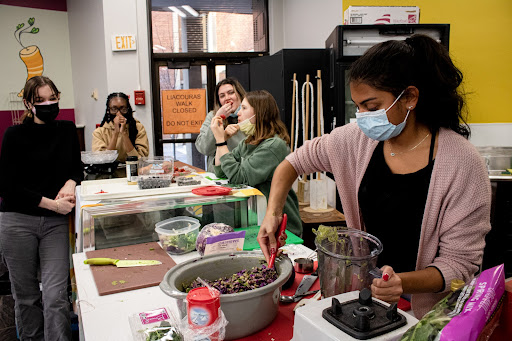
This semester I was able to host two Low-Carbon Eating workshops which allowed students to learn about carbon emissions associated with food production, transportation, and decomposition. We also made a plant-based dish at each workshop using local ingredients that exemplified budget friendly meals that were also healthy, convenient to make, and environmentally friendly

Cooking Low Carbon

Often, it is difficult to put much thought into the sustainability of the food that we purchase and consume as busy college students, but these decisions have a large impact on our planet. Plant foods have a significantly lower carbon footprint (amount of carbon released into the atmosphere contributing to global warming) than animal foods. Foreign foods like tropical fruits that have to travel far distances contribute high amounts of emissions as compared to locally-grown produce, and require artificial chemical processes to preserve the foods which pose health side effects and environmental run-off.  

Finding affordable, low carbon foods can be a challenge as well, especially depending on one’s location. One such organization that helps to alleviate this challenge and provide free, locally donated produce to the community at no cost is Sharing Excess. Temple University’s chapter has generously been hosting pop-ups almost every Friday to both Temple Students and local Philadelphia residents. 

Categories
Campus Sustainability Month Stories of Sustainability Sustainable Fashion

Slow Fashion in Philly

Culture on campus is ripe for climate action and Temple Sustainability is encouraging you to ‘decarbonize your life’. Let’s think critically about our consumption: What is the true cost of consumer goods? Where are we now and where do we need to go? How can students be a part of the solution?

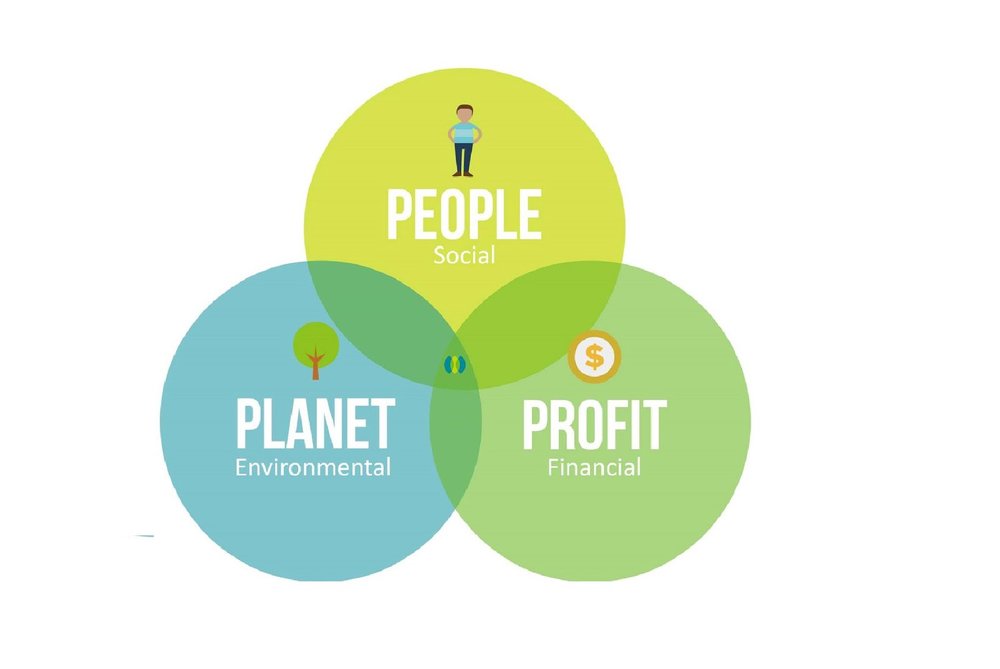
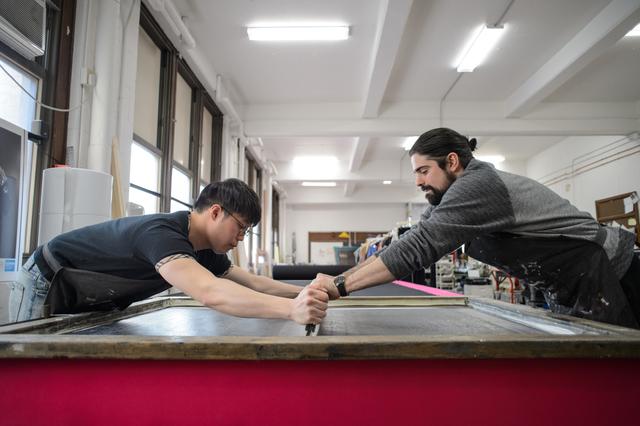
Everyone’s favorite on-campus sustainable retail experience returned this semester. After sorting over one ton of Give and Go Green donations in May, Temple Thrift, our own triple bottom business, was in action at the Bell Tower on October 6th and 13th.

Slow Fashion with Temple Thrift

Hundreds of students in residence halls donated and over 20 volunteers sorted donations to divert 1,279 pounds of clothing from the landfill for this year’s Give and Go Green initiative, a collaboration between Temple Sustainability and the Division of Student Affairs. 1,142 pounds of food and hygiene products were donated directly to the Cherry Pantry. 99 pounds of food waste was sent to the landfill, and 9 pounds of waste was recycled.

Of the clothing donated by Temple students, we gathered the following insights:

  • Majority of items were from some of the largest contributors of fast fashion, including Forever 21, American Eagle, Shein, H&M and Old Navy. 
  • Over 30% of the items were made with a combination of cotton, polyester, nylon and spandex and contained microplastics Read more about reducing their negative ecological impact in your laundry here.
  • It took 344 pounds of oil to create the cotton items GGG collected.
  • Only 3% of the textiles were manufactured in the United States.
  • Over 80% of textiles were manufactured in China, Vietnam, or Bangladesh.

60 individuals volunteered to help run two days of pop-up sales, completing over 100 unique shifts. 395 shoppers spiced up their wardrobes and picked up practical home goods affordably — no item was over $5! Still, we collected $5,057 in sales revenue on items that were otherwise headed to the landfill. All the proceeds were donated directly to the Cherry Pantry, an on-campus pantry for students.

Decarbonize your Closet

It is hard to deny Temple Thrift’s positive impact, but thrifting is not a silver bullet. Second hand sales are not a solution to this much larger global crisis. 

The problem is overconsumption and our ‘out of sight, out of mind’ mindset. Fast fashion is the world’s second largest pollutant and 85% of the post-consumer textile waste — 3.8 billion pounds– slowly decays in landfills each year. You can read a deep dive on the ecological impact of the fashion industry in our Waste Conscious Fashion Community blog. Our choices — from the second we click purchase on an online webstore, to the moment we throw them away or drop them off at a donation site — have a real impact on people and the planet. 

As climate advocates and social entrepreneurs, we should think hard about the true cost of each and every garment.

(The Considerate Consumer)

Advocating for slow fashion looks beyond simply thrifting to support a movement and a community of conscious consumers. Through their choices, slow fashion advocates support sustainable and ethical brands that benefit “the planet and all people,” embodying the shift from purchasing cheap items for a short period of time to investing in high-quality items for their long lifespan.

Everyone can decarbonize their closets – whether it’s upcycling items, swapping clothes with peers, shopping from sustainable brands, or shopping for pre-loved items. Encourage your friends and family to join the movement.

Philadelphia’s Slow Fashion

Local sustainable fashion companies in Philadelphia, like Lobo Mau and Grant BLVD, have taken social and ecological impact to a new level. Labo Mau’s use of hemp, eco-friendly screen printing, local manufacturing, and penchant for upcycling serve as an aspirational example for individual consumers and brands alike. Grant BLVD designs with secondhand clothing and preloved fabric to curate unique garments and connects their work with the larger global crises of climate change and poverty through their mission and message.

Shay, an EcoLead and intern at Grant BLVD, tells us about the difficulty of navigating this work on the ground.

“Whether it’s becoming a Zero Waste Partner with the City of Philadelphia, which is actually centered around recycling initiatives, or the lack of existing programming and resources to successfully execute sustainable initiatives — these small businesses are essentially starting from scratch  and still creating a positive impact”.

– Shay Strawser

FABSCRAP, one-stop textile reuse and recycling resource, opened in Philadelphia on November 15th. A business solution to pre-consumer textile waste, FabScrap Philadelphia will pick up fabric scraps, process by fiber content and recycle with fiber-to-fiber technologies or give local creators the opportunity to reuse materials for a low-cost. Anyone can volunteer with FabScrap for 3 hours and take home 5 pounds of free textiles for their next project. 

Use fashion as a STATEMENT

Every stage within the lifecycle of fashion is associated with environmental and social costs, as highlighted by Earth Logic. Fashion is culture. It shapes and is shaped by our lifestyles and communities. I encourage you to continue to use fashion as a statement, not by purchasing more items, but by making intentional decisions that align with your values and consider your carbon and waste footprint. Be conscious of the lifecycle of items — take note of the fabric(s) used, where it was made, and its capacity to move with you as you grow. 

Let’s think about the ten-dollar SHEIN pants you bought on Monday: They were most likely manufactured in Guangzhou, China by a young woman who was paid three cents for making this garment. The trendy design was likely conceived less than a week before it was made and was probably copied from an independent designer. The pants are cheap — in price and in quality. From an aesthetic and construction standpoint, they are unlikely to be worth the time and resources necessary to repair them which means they are destined for the landfill.

But, what if you bought one-hundred dollar pants sourced from a sustainable and ethical fashion brand? These pants would be made of recycled materials or with ecologically ethical and locally grown fabrics like hemp or cotton, designed locally and sewn by individuals that are paid a fair living wage. 

A higher price point is the true cost of a garment and sustainability. These pants are made of great quality and to last you a lifetime, a garment you can upcycle and eventually recycle with the designer you purchased from in the first place. 

You’ve taken the time to learn, and you may have a better understanding of what it means to be a conscious consumer. Although this might be startling, I challenge you to put it into practice by considering the true cost of your purchase -- to people and to the planet -- each time you decide to buy.

This Campus Sustainability month, climate leaders took action to decarbonize their closets and engaged with the community through slow fashion. 

  • Transportation EcoLeads led an EcoReps Excursion and group ride to South Street in Philadelphia, where they shopped second hand at Philly Aids Thrift, Retrospect, and Raxx Vintage
  • The Innovation and Entrepreneurship Institute hosted a Sustainable Fashion and Innovative Performance speaker session with Matt Dwyer of Patagonia.
  • Green Council has led to connections and opportunities, like that with the Temple University American Marketing Association and Thrift and Flop. Both are currently accepting donations of gently used winter clothing for individuals that lack housing during the colder months.
  • The Green Living cohort completed their week 7 action items for purchasing decisions. With a focus on a circular economy, student leaders were encouraged to walk through four questions:
    • Why do you buy & consume the products that you do?
    • Which of those products do you need? Which do you want?
    • How do you decide what you need vs. want?
    • Who benefits from you buying those products? Who loses?
Categories
Campus Sustainability Month Stories of Sustainability

Community Engagement and Environmental Justice

Policy EcoLead and Temple Student Government Director of Grounds nad Sustainability, Katie Perrone, shares her local climate action planning internship experience and discusses learning from environmental justice EcoChampions throughout Pennsylvania. She explores the question: how can we remove systemic barriers and reach out to communities that have historically been overlooked?

Local Climate Action Planning

Last year, the Office of Sustainability hosted an event about Students & Local Climate Action Planning in Philadelphia, which detailed the experiences of students who participated in last year’s Local Climate Action Program (LCAP) cohort. In August, I learned that I was accepted into this year’s LCAP cohort, and I’ve spent the last couple of months diving into the world of local government planning, climate policy, and environmental justice. 

The LCAP program paired me with local government officials from Warrington Township, Pennsylvania, and I am responsible for helping them develop and implement a climate action plan for their community. The first step in beginning to draft our climate action plan for Warrington Township was forming a task force. Key stakeholders were invited to participate and the task force gives all of us working on the climate action plan an opportunity to bounce ideas off of one another. 

Creating graphs, analyzing greenhouse gas emission data, and starting to conduct a climate change vulnerability assessment have been just a few of the tasks that I have worked on with the task force during my first few months as an LCAP intern. However, no part of my LCAP experience has been as interesting as learning about the impact that community engagement has on local planning.

Community Engagement

One of the first things that I learned during my internship training is that creating an effective community engagement strategy is essential to drafting effective policy. Community engagement can come in many forms, from hosting workshops and community meetings to reaching out to underrepresented communities to gain their perspectives.

In the case of Warrington Township, we are drafting a survey to be distributed to the entire township. The survey includes questions about which actions residents are already taking to reduce the impact of climate change and which actions they would like to see the township implement. The main objective of our survey is to gain the perspectives of community members, understand their priorities for addressing climate change, and build transparency between the township and its residents. 

The LCAP program trainings have taught me that community engagement isn’t as simple as planning a workshop or creating a survey. In order for either of those actions to be effective, they need to incorporate the entire community. This means specifically reaching out to any groups that have been historically marginalized and underrepresented and making sure that they play a significant role in the process. Environmental justice is a crucial component of any community engagement strategy for climate action.

(Image from MobilizeGreen.org)

Environmental Justice

A few weeks ago, Alison Acevedo, the director of Pennsylvania’s Office of Environmental Justice, led an LCAP training session about environmental justice and how to address the causes of systemic environmental inequalities. She began by explaining the differences between equality, equity, and justice, and the importance of working to remove systemic barriers and achieve justice.

The history of redlining in Pennsylvania is one of the direct causes of environmental injustice. Communities of color and those without a lot of economic resources were much more likely to be located near industries and factories, and therefore these communities disproportionately dealt with high levels of air pollution and hazardous waste. The environmental history of Pennsylvania, and specifically Philadelphia, has been permeated by a shameful legacy of environmental racism and injustice.

Environmental Justice at Temple

As I learned more about the history of environmental injustice, I began wondering what our university is doing to address environmental injustice. Between 2010 and 2019, Temple has taken multiple steps to better address the inequalities and systemic barriers that exist within our society. 

This is best shown by the updated climate action plan that Temple published in 2019. This plan is written with a comprehensive approach that incorporates environmental justice planning into the framework of the plan. The university begins by updating its definition of sustainability to recognize the importance of creating an equitable and just society.  

“Sustainability seeks to balance a healthy environment with a just, equitable and economically viable society”

2019 Temple Climate Action Plan

The plan presents goals to address food insecurity, incorporate environmental justice principles into at least a third of the Office of Sustainability’s programming, and include more diverse voices and perspectives in the conversation regarding sustainability at Temple. During my time at the Office of Sustainability, I have already had the chance to attend multiple events regarding environmental injustice, lead an energy sovereignty workshop, and learn about innovative research being conducted at Temple to address inequality in Philadelphia.

Struggle Space to a Green New Deal

One of the events that was particularly fascinating was the Struggle Space to the Green New Deal discussion that the Office of Sustainability hosted last spring. This conversation centered around the concept of a ‘struggle space,’ which refers to the overwhelming structural and racial injustices that communities of color continue to face. One of the speakers at this event explained that climate planning is doomed to fail if it does not address this struggle space. 

To make progress, we need to acknowledge the past, address the present, and work collectively to create an equitable future.

Stories of Sustainability: Struggle Space

The first step to addressing this struggle space is identifying the inequalities that exist in our current system, and in particular this means focusing on the discrimintion and inequality that is historically involved in urban planning. In Philadelphia, rapid gentrification and development threaten to exacerbate the problem of environmental injustice. 

One professor from Temple’s Geography and Urban Studies Department, Christina Rosan, is working to address the struggle space through her research. Along with other researchers at Temple, Professor Rosan created an equity index to identify the areas in Philadelphia that face systemic inequalities. 

Professor Rosan’s index identifies areas of environmental need, areas lacking amenities such as playgrounds and parks, and areas of socio-economic disadvantage. The image below shows her results, with those areas experiencing more need or disadvantage colored darker.

Both Alison Acevedo’s training and the research being done at Temple highlight the importance of developing a comprehensive community engagement strategy to address environmental injustice and the struggle space. I am excited to have the opportunity to participate in this important conversation by working with Warrington Township to draft a community-wide survey and brainstorming other ideas to increase community engagement in Warrington. 

Recognizing that environmental injustice is an essential part of every conversation about climate change is the first step to creating meaningful and long-lasting change. We must stop thinking about sustainability and injustice as two separate goals and acknowledge that they are interconnected and must be addressed as one. Until we remove systemic barriers and achieve environmental justice, it will be impossible to fully address the effects of climate change.
Categories
Campus Sustainability Month Stories of Sustainability

Transportation and Climate Change

This will be the first of three blog posts on the transit system in Philadelphia and its connections to climate justice. Stay tuned for our next transportation blog post: Transit Equity in Philadelphia.

The transit system in Philadelphia isn’t quite as multifaceted as the city it serves, but it's got layers to it nonetheless. Let’s peel some of those layers back and ask two foundational questions of our transit system: how does transportation relate to climate justice? And how is our transit system structured?

Transportation and Climate

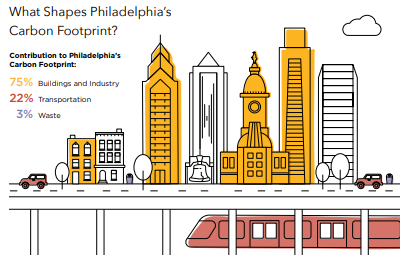
Energy is the fuel that powers our transit system, as we’ve established in our blog post on Energy, Electricity, and the Climate Crisis. Sadly, we’ve also established that most of the energy we use is generated from fossil fuels. As a result, transportation accounts for 22% of Philadelphia’s Greenhouse Gas emissions, much of which comes from our car-related emissions due to a lack of funding for SEPTA (which we’ll touch on momentarily). 

Transit
(Philadelphia Climate Action Playbook, pg. 13)

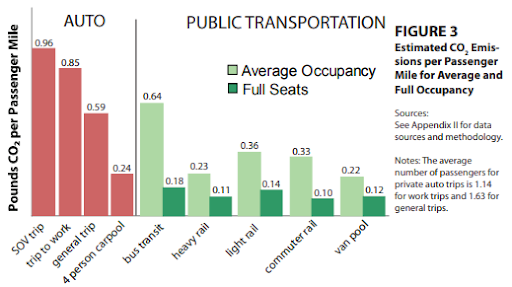
This reliance on cars both exacerbates climate change and creates harmful air pollution, as Philadelphia ranks as the 12th most polluted city in the country. Personal automobiles, here, are a big part of the problem. In 2009, cars, SUVs, pickup trucks, and freight trucks accounted for 77% of all transportation GHGs. Contrastingly, public transit emits much less pollution per passenger mile, especially when ridership is high, as shown below.

(Public Transportation’s Role in Responding to Climate Change, 2010)

Bold climate action requires deeper investments in public transit. Sadly, public transit is drastically underfunded across the country, and Philadelphia is no exception. To change that, though, we’ll need to understand how our transit system is structured. So let’s get to it!

Our Transit System: SEPTA

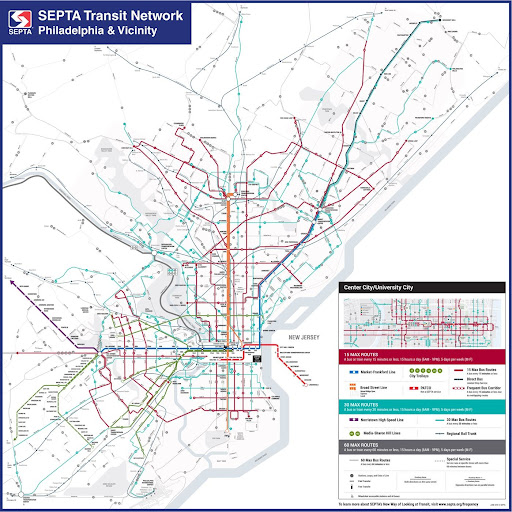
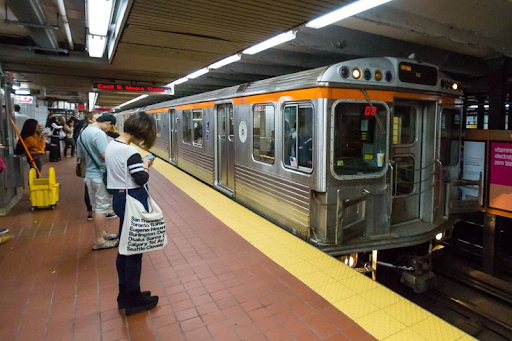
First, let’s talk about SEPTA or the Southeastern Pennsylvania Transportation Authority. SEPTA is a metropolitan transportation agency that oversees public transit in Philadelphia and the surrounding counties of Bucks, Chester, Delaware, Montgomery. In Philadelphia, SEPTA offers bus, subway, regional rail, and trolley services across the city, the full map of which is shown below.

SEPTA is a regional authority, not a City agency. So, each of the five counties in SEPTA has equal representation on SEPTA’s board. Still, most of the transit agency’s ridership, usually 80% or more, comes from Philadelphia. This means that, because the rest of the counties in SEPTA are less populous than Philadelphia but each receives the same number of votes, the transit agency disproportionately represents the interests of less-densely populated, suburban residents.

Pennsylvania’s Contribution to Transit System: SEPTA

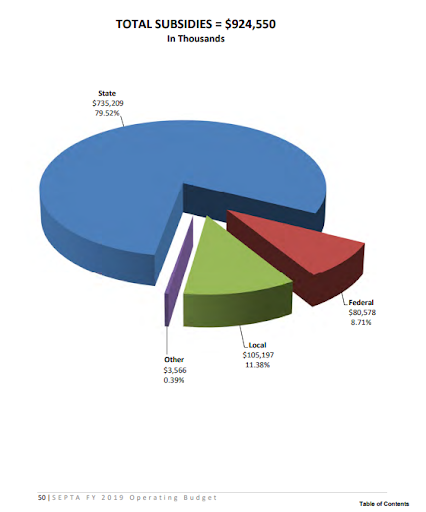
How does our state government impact our transit system? Well, this is where the thick of it lies. Most of SEPTA’s funding comes from the PA State Government. As a result, the transit agency has not had a steady, dedicated funding source for most of its history. 

(SEPTA 2019 Operating Budget Subsidies)


When it comes to government funding mechanisms, there are two kinds of budgets. Firstly, there are operating budgets. These budgets include buses, employee wages, ongoing maintenance costs, etc. It’s helpful thinking of operational budgets to be for short-term expenditures. Secondly, there are capital budgets, which include projects like rebuilding train stations, constructing new electrical systems, or building a bridge. These are the more long-term infrastructure investments.

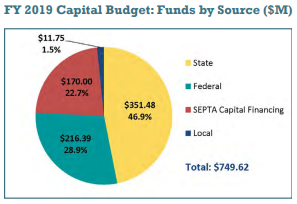
In 2019, state funds accounted for almost 80% of SEPTA’s operating budget and almost 50% of SEPTA’s capital budget. Much of the state’s funding to SEPTA comes from Act 89 in 2013 which allows the Pennsylvania Department of Transit (PennDOT) a $450 million infusion to public transit agencies. However, Act 89 is set to expire in 2022, meaning a big chunk of SEPTA’s funding source could dry up as soon as 2022.

(SEPTA 2019 Capital Budget Subsidies)

This arrangement is unusual for American transit agencies. Most other agencies receive larger support from their local governments, especially in west coast cities where revenues are raised directly from sales taxes. These local funding streams also make localities more responsive to ridership needs. Nevertheless, if the state funding dissolves, SEPTA will need to find alternative sources of funding from local or federal governments.

The Federal Government’s Role in Our Transit System

What role does the federal government play in all of this? I’m glad you asked! The federal government sends funds to local and regional transit agencies across the country, like SEPTA, which are tasked with managing transportation systems in a particular area. However, ever since the Reagan era and the 1980s, the federal government has steadily decreased subsidies for transit agencies’ operating budgets. For instance, federal funds accounted for 11.4% of SEPTA’s operating budget in 2019, as shown above.

When transit agencies need additional capital funds, they can apply for competitive grant programs through the Federal Transit Administration. SEPTA has not submitted a major capital grant for some time but is trying to do so to modernize our trolly system


The federal government’s distant role in our transit system is unusual for wealthy nations. In 2019, the United States invested 0.6% of its GDP into inland infrastructure investments, while France and the United Kingdom each invested 0.9% of their GDP in the same year. Clearly, the federal government needs to deepen its investments in public transit agencies like SEPTA.

Transportation and Climate Change: Conclusion

In summary, the federal government has disinvested from transit agencies like SEPTA, and some state governments, like Pennsylvania, have not played their part either. Finally, SEPTA itself is designed to cater to the needs of suburban areas more than the city. Fighting climate change will require changes to all of the above, creating a cleaner, better-funded public transit system in Philadelphia and beyond. What might this look like? Who could it work for? Stay tuned for our next blog post Transit Equity in Philadelphia to find out!
Categories
Activism Climate Action Plan Uncategorized

The Sustainability Annual Report Is Here

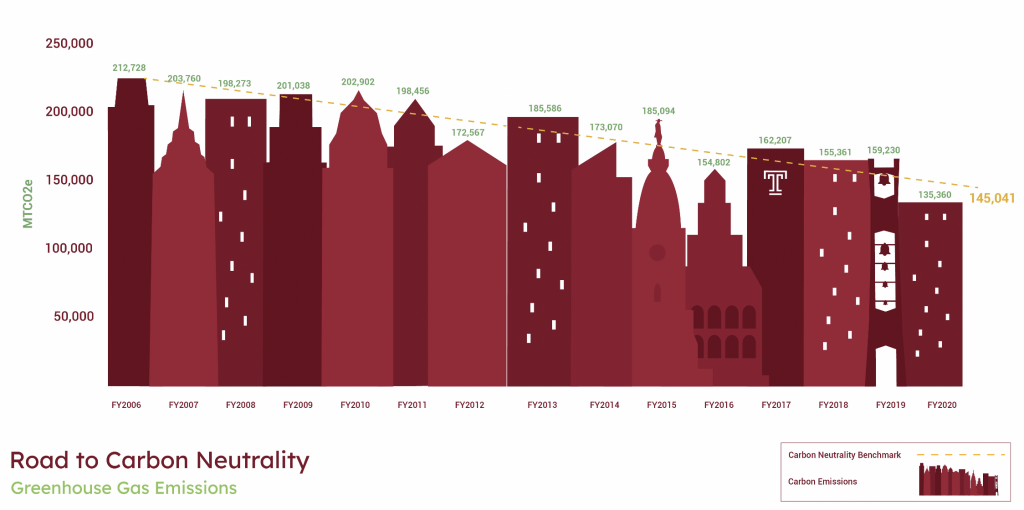
The 2019-2020 academic year started with a renewed strategic vision for climate activism at Temple University. Goals included in the 2019-2020 Sustainability Annual Report were established in the 2019 Climate Action Plan.

The Climate Action Plan, released in April 2019, provided a roadmap for continued progress towards carbon neutrality by 2050. Over 300 members of the Temple community collaborated to articulate goals in 5 different focus areas. These are Academics and Research, Culture, Design, Energy, and Operations. The plan reflects a true commitment from Temple students, faculty and staff to work together to shape a more sustainable and just climate future on campus, in Philadelphia and beyond.

Although the COVID-19 outbreak pushed our report’s release, our students, faculty and staff remained committed to climate action. This Sustainability Annual Report details significant progress towards a more environmentally, socially, and economically sustainable future. Highlights include memorable accomplishments and progress toward goals in all focus areas.

Greenhouse gas emissions progress as seen in the Sustainability Annual Report.
Greenhouse gas emissions progress as seen in the Sustainability Annual Report

Check out the Temple University Sustainability Annual Report. Learn about our commitment to sustainability and our progress to the climate action goals we have in place.

Thank you for being a part of history in the making.