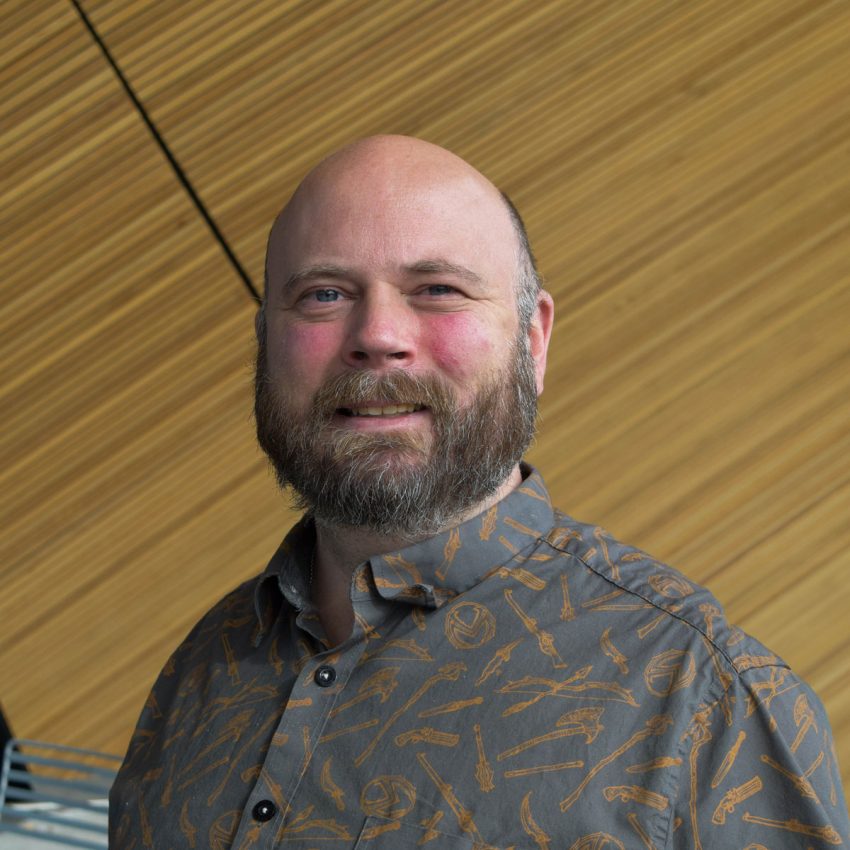
by Matt Shoemaker
Hello Matt! Tell us a little about yourself.
My name is Matt Shoemaker and I live in the Mt. Airy section of Philadelphia with my 2 dachshunds, wife, and daughters. I moved to Philadelphia from Wisconsin after finishing grad school for a job at the Historical Society of Pennsylvania. After a few years there I moved on to Temple and I’ve been here ever since. I have a background in computers, as well as some undergraduate and work experience in computer science, and I have graduate degrees in history and library and information science with a concentration in archives. All of that helps me out with what I do here at the LCDSS.
What do you do at the LCDSS?
I am the head of the department. What that means is I manage the staff that work in the LCDSS, help them manage the physical space, and also work with my team on deciding what projects, events, and other initiatives we are going to undertake. I also work on projects in the department when I can.
What kinds of projects/technologies do you work with the most?
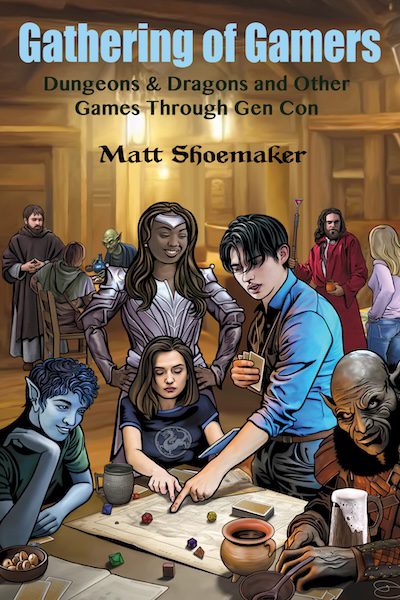
With my history background, I tend to work most on history or archival projects, particularly for public history. This means I’ve helped to build a lot of Omeka sites over the years. Omeka is a platform for building digital exhibitions online, and it is well suited for tying things like primary sources, maps, and a narrative together to create a virtual exhibit people can visit. I also do data work when I can, such as text analysis. I did some of that recently going over both social media and convention data for a book I wrote titled Gathering of Gamers.
What is your favorite type of technology to work with in the LCDSS?
I have two answers for this because they are very different. The first as silly as it may sound is like working with data in spreadsheets. I find it interesting doing some statistical analysis on data we have to answer humanities-type questions or at least give us insight into them. This can play into some history projects I’ve worked on, seeing what people are saying on social media, or just textual analysis.
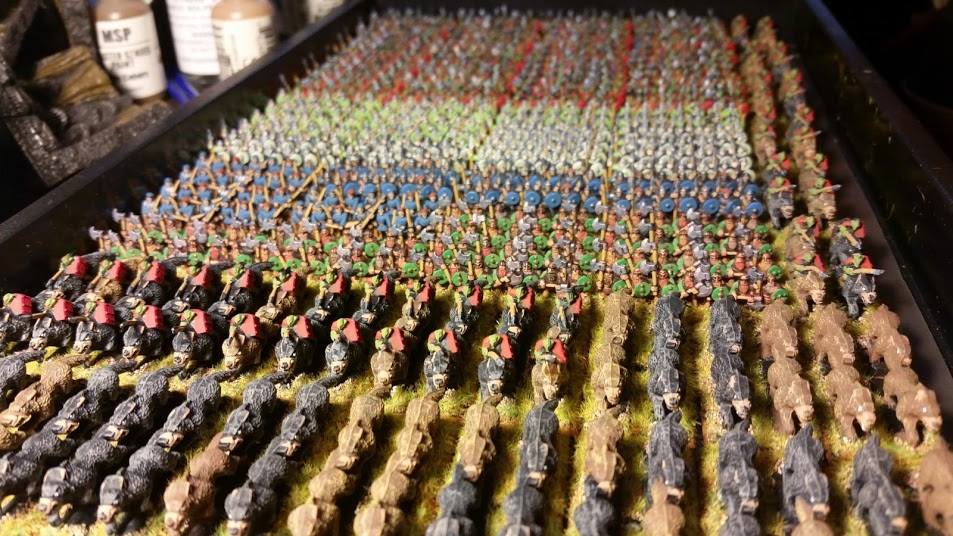
I also really enjoy working with both the 3D printers and the laser cutter in our makerspace. I’ve painted miniatures for role playing and war games ever since I was a kid, so getting to fabricate this kind of stuff myself in this day and age is just a dream come true.
What project have you enjoyed working on/helping with the most?
My favorite project we’ve done in the LCDSS is the Gen Con Programs project that we did for the Gen Con gaming convention’s 50th anniversary in 2017. It’s definitely showing its age, but you can still see the end result of the project at best50yearsingaming.com. One of my big research interests is on the history of analog gaming, and Gen Con is the oldest continually running and also largest game convention in the world. It is historically significant, and it was great making an online database that showed all of the events that have ever happened at Gen Con. We also recorded some oral histories about the convention, and drew some conclusions based on the data we made available online.
What’s an example of a time you’ve supported a student or faculty (or class) learning a new method that felt particularly successful and rewarding?
There was one of our externs, Andrea Siotto, who was working on a history project mapping all of the ships sunk during World War I. It was great working with a history student on a data analysis and public history project like this one, and it was great watching him get excited as his data came to life as we helped build his site. You can read more about his project at this blog post “Mapping the ships lost during the First World War”.
What is your favorite thing to eat on campus?
I don’t get there much these days, but the Temple Teppanyaki truck is my favorite. I just love to get the beef with noodles there. I don’t know what it is, but something about it I just find delicious. It also helps that it’s a type of food I haven’t really been able to find elsewhere in Philly off of the Temple campus.
What game are you most enjoying playing right now?
I play a lot of games, specifically tabletop games. Role playing games, wargames, boardgames, you name it, I probably play it. Recently I’ve been getting a lot in Battletech. It’s a wargame where you battle it out in giant mechs. They recently released a way to play the game solo and I’ve run through that and it found it a great way to play the game as someone who doesn’t have a lot of time to get together with friends to play games as a group.
I was also at a gaming convention recently and had a lot of fun playing one of the first role playing games ever made, Bunnies & Burrows. Inspired by the novel Watership Down, you play as a group of rabbits having adventures. It’s different and I think it’s a lot of fun.
What technologies are you most excited to learn more about at the LCDSS?
I want to increase my skills in data analysis. I don’t know right now if this means I should focus on something like Tableau, or just increasing my understanding of statistics and how to best manipulate data in a spreadsheet software like Excel. I am also interested in integrating more machine learning in some of the text analysis I do. This is AI before people started calling it AI. I am not particularly interested in using large language models (LLMs) for this work like people think of for generative AI, but I do want to explore more using computers to help me run through large amounts of data keeping privacy and other ethical concerns in mind.