Categories
Uncategorized

Stories of Sustainability: Temple University Japan

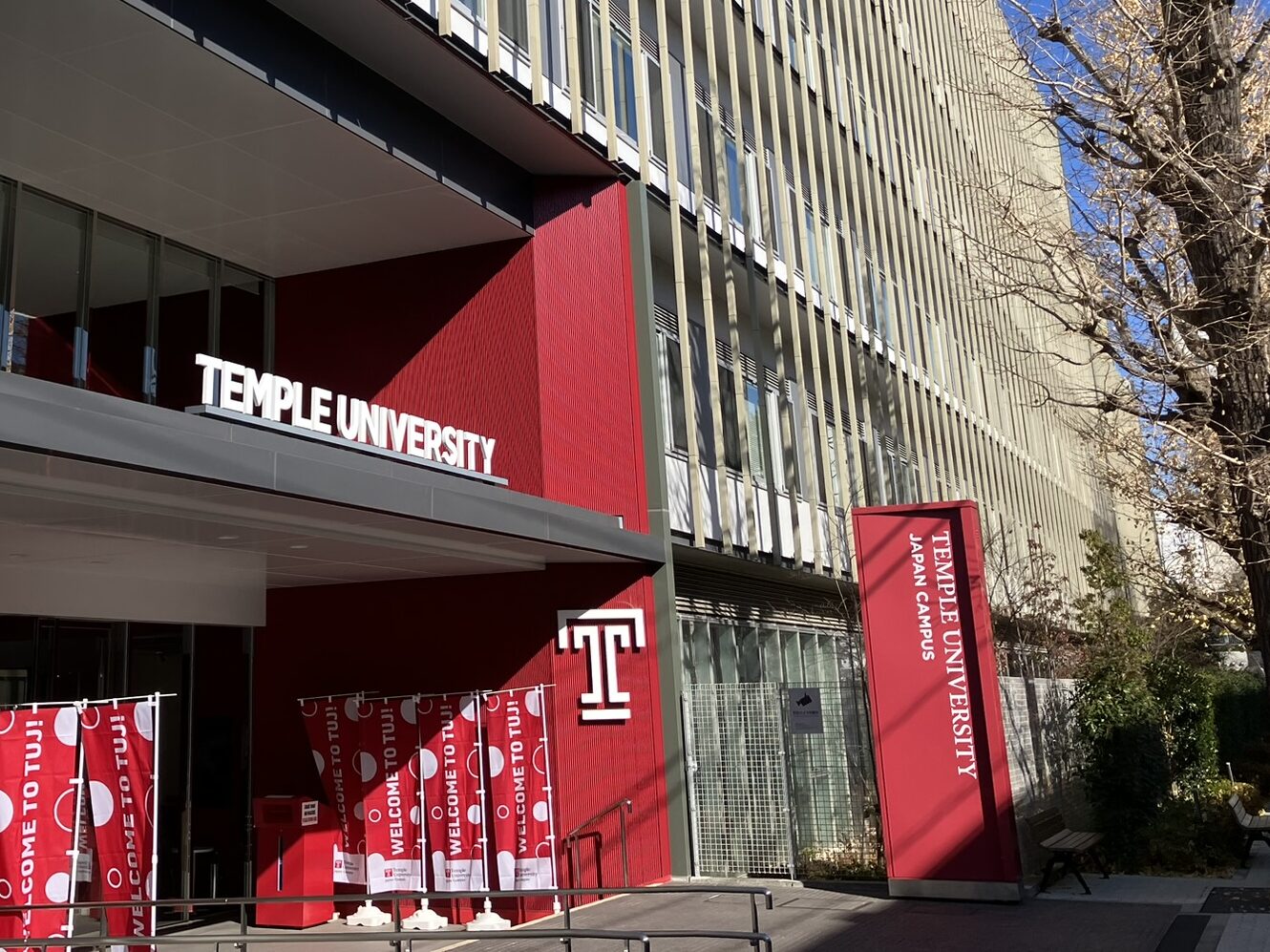
Temple University Japan’s main building

Before I even knew there was a Temple University in Philadelphia, I was already dreaming about flying across the Pacific to attend Temple University Japan. Most students have the opportunity to learn Spanish, French, or Latin in American high schools, but when I entered the 9th grade I was surprised to learn that Japanese was one of the languages I could choose from. I studied Japanese for four years, and soon enough representatives from every Japanese university under the sun were soliciting our class for prospective students. Out of the myriad of choices, Temple certainly caught my attention the most. However, I realized that attending four years of university in Japan was probably a little too ambitious, so I wound up applying to Main Campus instead. I still planned to study abroad at TUJ for a semester, but I decided to save it for my Junior year. This past Spring, it finally happened. My dream of visiting Japan came true. 
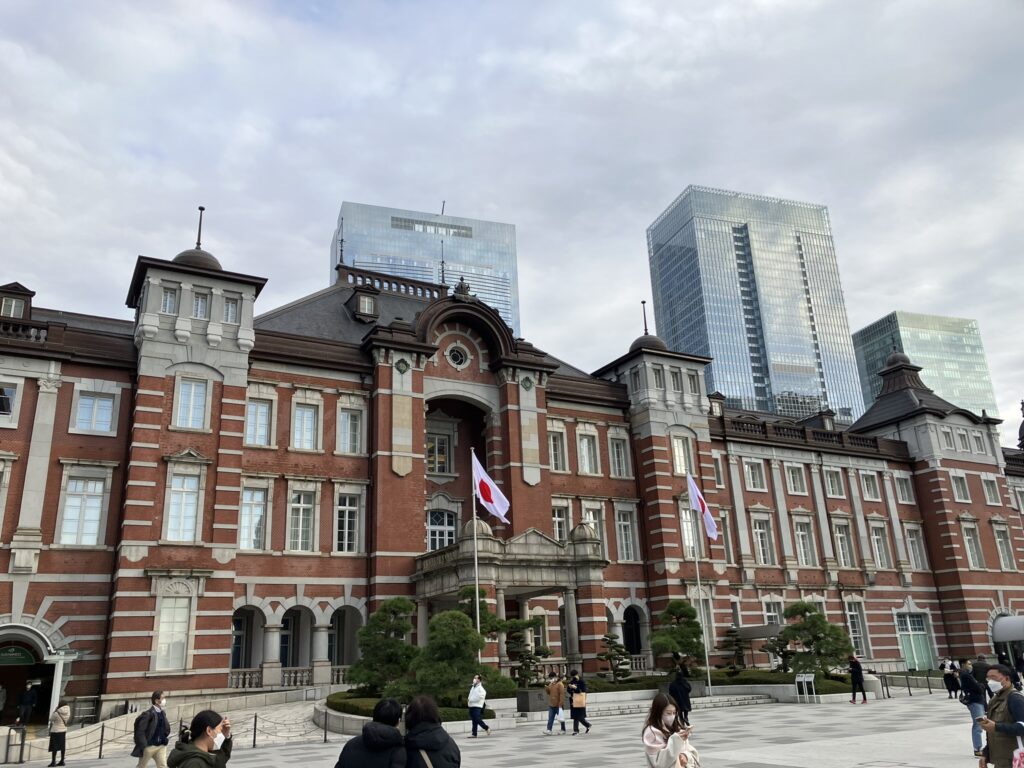

Tokyo Central Station

Due to my interests and my experience as the Office of Sustainability’s Transportation EcoLead and a Geography and Urban Studies student, I spent most of my time exploring the transportation system of Tokyo. Many days after school, I would walk out of Temple Japan’s building and make my way towards Sangenjaya Station on the Den-en-toshi metro line. From there, it only takes two stops to reach the bustling entertainment district of Shibuya, famous for its iconic scramble crossing. Besides entertainment, Shibuya also hosts one of the many mega-transfer stations in the Tokyo region, a bustling hub of commercial activity with eight train lines intersecting within it its massive structure of impressive skyscrapers and labyrinthian hallways all intertwined. Every day was a new adventure with all the options I had at the tap of a PASMO smartcard. That’s honestly what’s truly magical about Tokyo: the plethora of options and the convenience that they provide, and one of the places this truly manifests is in its transit system. 

Like the rest of Tokyo, public transit usage at Temple University Japan is incredibly high. Practically every student gets to school by train, and those who don’t bike or walk. But why is public transit so popular amongst students? For one, the university is conveniently located near Sangenjaya Station on both the Setagaya and Den-en-toshi lines.
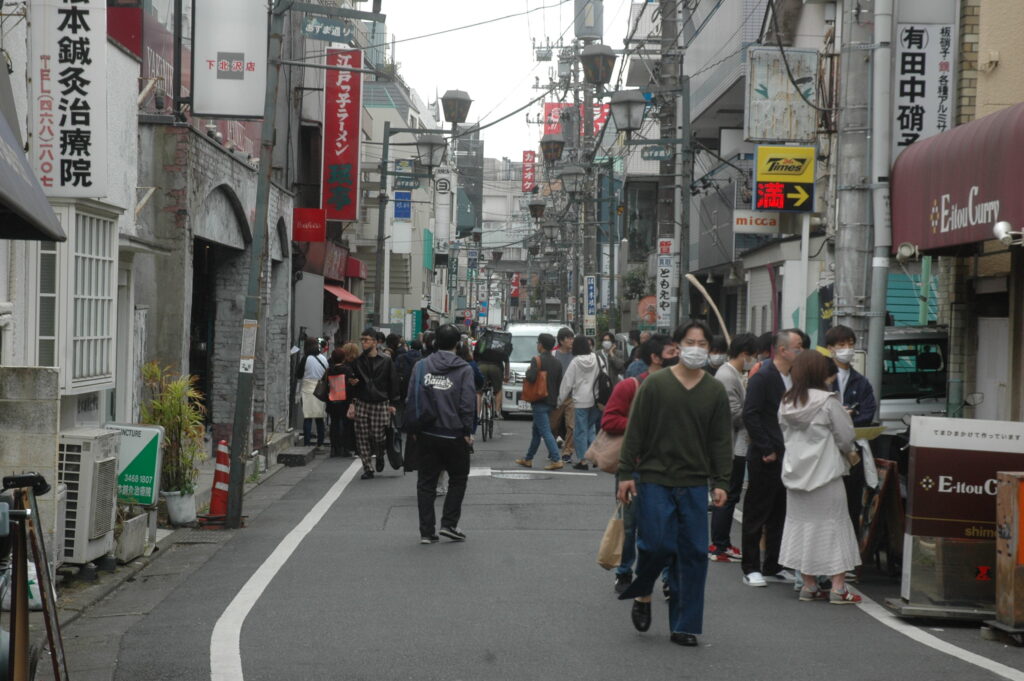
Narrow roads allow pedestrians to move (mostly) without the danger of cars

This connectivity allows practically anyone in Tokyo’s 23 wards to get to school in an hour or less. Secondly, driving to school is made nearly impossible by the lack of parking, the narrow roads leading to campus, and the difficulties innate to buying and owning a car in Tokyo, especially as a foreign student. Biking or walking to school is made easy by the narrow streets, which put bikes and pedestrians first and cars second. Additionally, a convenient system of bike shares and bike parking reduces the hassle of buying and safely parking a bike that we often see in American cities. Through a combination of frequent service, plentiful amenities, and excellent reliability, Tokyo’s rail network is certainly among the greatest in the world, and as such, the ridership numbers are extremely high: over 8.7 million people ride the subway network every day.
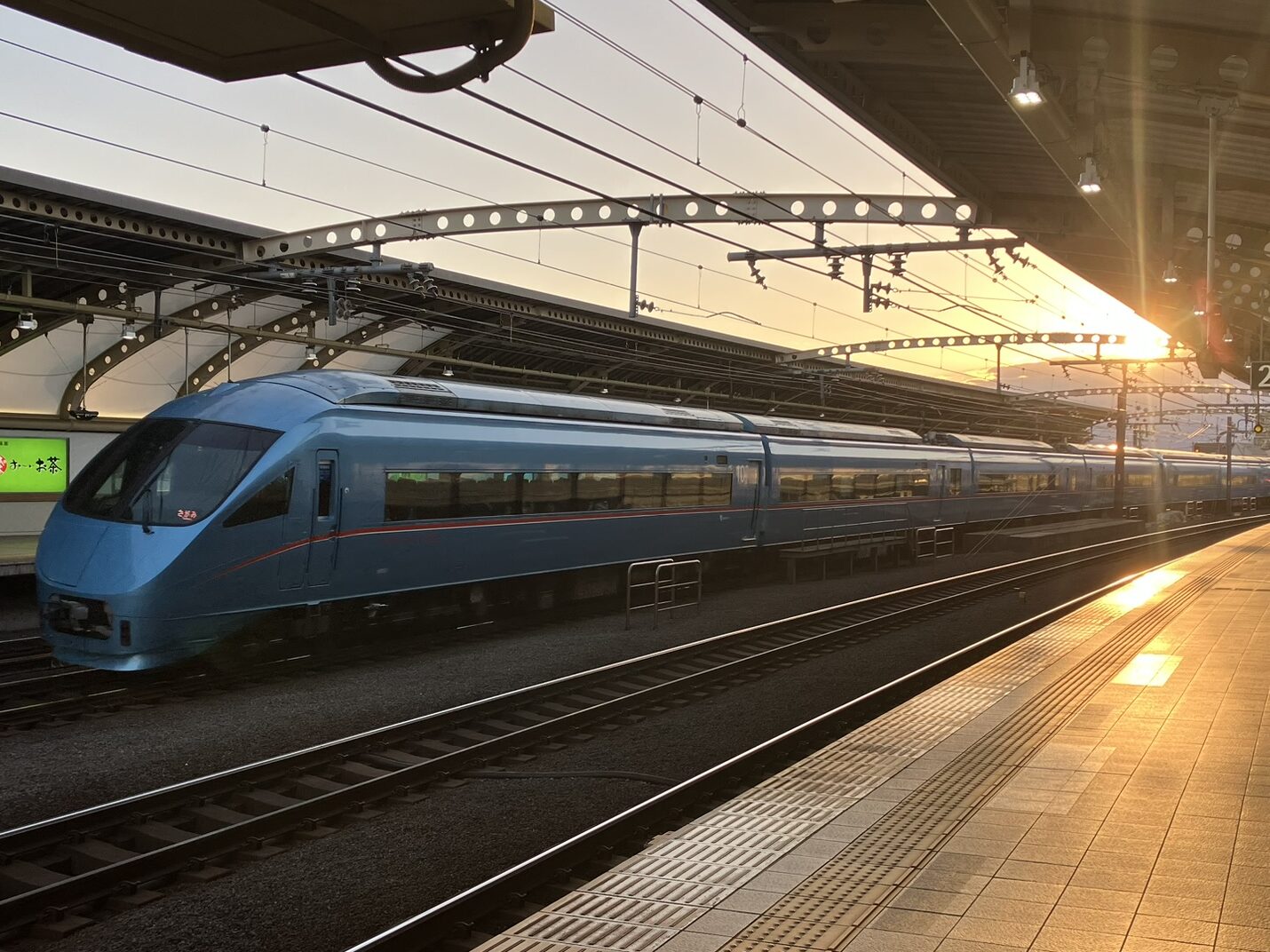

Romancecar (Shinkansen) in Gotokuji Station, Setagaya, Tokyo

Unlike in American cities, hardly anyone in the Tokyo area thinks twice about riding public transit to their destination. In my time there, I recall only once or twice running into any major hiccup such as a delay or gap in service. I could often just walk out of my apartment in the morning without any rush or stress to catch a specific train. All I needed to do was show up at my local station, and the system would take me where I needed to go in almost exactly the same amount of time every single day.

By contrast, here in Philadelphia I almost always map my route on the Transit App or Apple Maps or check the schedules so I know exactly when I have to leave to catch a specific train or bus. If I don’t catch that specific one, then it’s possible I’ll be late to my destination or miss a transfer somewhere along the way. However, even if I plan, no amount of planning can account for a train or bus just not arriving at the scheduled time or extremely infrequent service. SEPTA is volatile and often unpredictable or inconvenient. This is something that has to change if we are to get more people out of their cars and onto the more sustainable option: public transit.

Personal automobiles are quite popular in Philadelphia and the United States as a whole, and some say they’re completely unavoidable for most transportation needs, but in reality, Temple’s Main Campus actually has a lot of the same bones required to be just as good at getting students out of cars as the Tokyo campus.
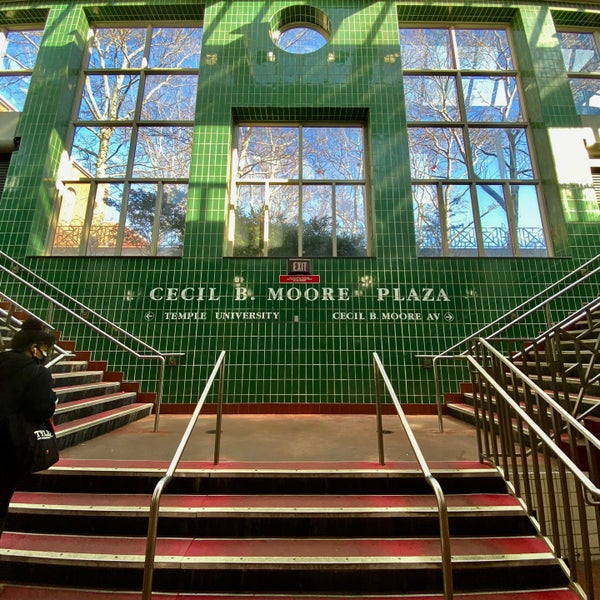
Cecil B Moore Station is the Broad Street Line station most used by Temple Students

Three transit stations and multiple bus routes exist on or near campus, and the bike share and bike parking around campus are quite plentiful. The issue isn’t a lack of options, but that all of these features lack the same level of quality and reliability as those in Tokyo, preventing them from reaching their true potential. Additionally, the dominance of car infrastructure and a lack of decent funding for transit and bike infrastructure in Philadelphia and the United States as a whole leaves much to be desired for current and potential users. That’s not to mention the safety and cleanliness issues that disincentivize people from choosing transit, another symptom of government disinvestment and sparse funding. If we are to be serious about sustainable and equitable transportation in this country, we need to call upon our elected officials and government agencies alike to put the needed investment into our public transportation systems and bike networks. Not only could it save lives, but it also might save our planet in the process. 
 

Categories
Climate Policy Digest Race to Zero Waste Uncategorized

Single-Use Plastic Policy

Current State of Affairs 

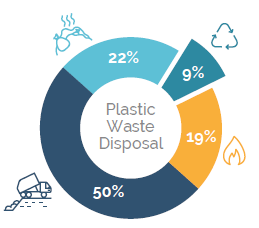
In 2019, globally only 9% of
plastic waste
was recycled
while 19% was
incinerated and
almost 50% went
to landfills. The
remaining 22%
was disposed of
in uncontrolled
dumpsites, burned in open pits, or leaked into the environment
In 2019, 9% of plastic waste was recycled. The rest was incinerated, put in landfills, or disposed of using unregulated methods

Last month, Circular Philadelphia released a comprehensive policy guide on the current state of single-use plastic legislation in Philadelphia.

Despite the clear negative impacts of plastic production on the environment and our increasingly overwhelmed waste management systems, single-use plastic production has doubled in the last 60 years. This increase in production was exacerbated by the pandemic through online purchasing of delivery and takeout food orders increasing the demand for single-use packaging and food containers. The pandemic also hindered Philadelphia’s ability to manage plastic waste, as sanitation workers faced both an overwhelming amount of waste to clean up and a disproportionately high risk of exposure to COVID-19 due to their working conditions. This forced the city to prioritize trash management over recycling, leading to a drop from 22% in 2019 to a low 8% in 2022. 

Despite the surge of single-use plastic during the pandemic, Philadelphia has recently taken several steps in the right direction when it comes to managing waste. The city increased on-time trash collections from 56% in 2021 to 96% in 2022 and added 150 new personnel for trash collection. Philadelphia also passed its ban of single-use plastic bags in 2022. A recent report found that after three months, reusable bag use doubled, and plastic bag use fell to almost zero. 

Possible Solutions

Circular Philadelphia also reports that there are steps the city can take to reduce plastic waste even further in as short as a few years. The easiest solution to waste is legislation that bans or punishes single-use plastic, a measure that has already been used to eliminate plastic bag use in states such Hawai’i, Maine, and New York as well as municipalities such as Boston, Los Angeles, Seattle, and of course, Philadelphia.

Other methods include shifting responsibility for plastic consumption away from consumers, and instead pushing producers to reduce the amount of single-use plastic they use in their manufacturing and shipping process. In 2022, California passed a law that requires all packaging to be either recyclable or compostable by 2032, which is expected to help reduce plastic packaging by 25% and requires 65% of all single-use plastic packaging to be recycled within the following decade. 

Another possible option is utilizing market-based solutions. Market based solutions often rely on a change in behavior from the consumer based on new trends or beliefs about what is socially favorable/acceptable. For example, it is favorable to like and protect animals, which made purchasing reusable straws popular when plastic straws were linked with harming sea turtles. But here are also several opportunities for change to come from the producers, such as manufacturing companies replacing traditional plastic bags with ones made from bioplastics, or stores offering reward points to customers who use reusable bags. A single cure-all solution for single-use plastic waste will be difficult to find, but combining several methods is a great start for achieving a waste-free future.

Circular Philadelphia’s Plan

Circular Philadelphia makes the argument that simple but thorough legislation informed by practices in other cities and regions is likely the best way to achieve fair, consistent, and measurable change when it comes to plastic waste in Philadelphia. Their recommended solution is a three-step legislation mechanism that eliminates certain single-use plastics from the take-out operations of restaurants and other prepared food establishments

Step 1. Ban certain single use plastics for take-out food 

The most straightforward step to this process is banning items that are commonly littered after use, which includes polystyrene containers, plastic straws/cutlery, and plastic lined cups.  

Step 2. Encourage a shift to reusable containers by imposing a fee on continued use of single-use plastics for take-out food 

In order to encourage businesses to stop using any single-use items that remain unbanned, Philadelphia can incorporate an inspection for single-use plastics into the responsibilities of the Health Department and charge a fee for restaurants that are not compliant. The success of this part relies on its enforceability, which means it would mainly apply to places with food establishment licenses. It also requires flexible definitions for what is single-use, recyclable, compostable, reusable, etc. so that the city can update standards based on the available systems in its recycling department. 

Step 3. Reinvestment of fee proceeds to clean up Philly and create a transition fund 

Fees from noncompliant businesses would then be reinvested into waste management practices such as street sweeping, public trash cans, and assistance for businesses trying to switch to reusables. 

Can It Be Done? Will it Work? Is It Worth It? 

Short answer, Yes! Circular Philadelphia has already worked with the Health department to create a system of identifying restaurants that have reusable containers, meaning the framework is already in place to help more businesses comply with the proposed legislation.

If this legislation were to pass, Circular Philadelphia estimates that the benefits would include reducing the $48M spent on annual litter clean up, lowering food packaging costs from $0.29 per use for single-use to less than $0.01 per use by leveraging reusable containers, and addressing concerns such as microplastic consumption and the impacts of climate change. 

Single-use Plastic and Campus Life 

If these proposals were adopted, things could really change around campus. The multitude of student-serving food trucks, who are not owned or operated by Temple University, but under the jurisdiction of the city, would be on the hook for any plastic utensils and Styrofoam containers they distribute.

The majority of restaurants students eat “at” on campus don’t have indoor, or any, seating options and also lack the facilities to wash the number of dishes needed to meet rush hour demand. Reusable options available to other restaurants, such as metal utensils and sturdy dishes, generally aren’t viable for food trucks or “the Wall” vending pad by Mazur Hall. Students also tend to be on the move and use takeaway options in between classes, which would mean carrying around a dirty reusable plastic container. Unfortunately, this is considered a major inconvenience to a lot of students, and they’re not going to bring their own reusable containers if they still have the option for disposables.

All-encompassing waste policies like these — with real teeth and that extend beyond just the Aramark-owned and operated campus dining providers — could instigate broader behavioral and operational change across the city and on campus, especially with the massively popular food trucks. Until then, students can get us closer to a sustainable and waste free future by joining the fight for meaningful policy change, doing their best to use reusables themselves, and supporting those local businesses who are leading the way.

Categories
Uncategorized

Addressing Eco-Anxiety on Campus

Reflections from Climate Café student facilitators Kai Yuen & Maggie Roseto

In the face of anthropogenic climate change, people are scared and struggling to find ways to deal with feelings of activist burnout, and impending doom. The term “eco-grief” or “climate-anxiety” was coined by the Climate Psychology Alliance to describe the feelings relating to the chronic fear surrounding environmental disaster.  

“College students are experiencing all-time high rates of depression, anxiety and suicidality, according to the latest Healthy Minds survey. In the annual survey, which received responses from 96,000 U.S. students across 133 campuses during the 2021–22 academic year, 44 percent reported symptoms of depression, 37 percent said they experienced anxiety and 15 percent said they have seriously considered suicide—the highest rates in the survey’s 15-year history.”

Student Mental Health Worsens, but More Are Seeking Help (insidehighered.com) 

As Environmental Studies Majors, we are constantly learning about the inescapability of climate issues. It is difficult to attend classes everyday learning about the sometimes seemingly unreachable solutions to slowing the rapid destruction of the planet. Even outside the classroom, overwhelming amount of media and bad news coverage of extreme weather effects, glacial melting and more natural lands being ceded to big oil overwhelms and it is difficult to not get bogged down and feel hopeless in the face of such an insurmountable crisis.  

Addressing student wellness

The Climate Psychology Alliance has started a program called “climate-café” modeled from a death-café model. This semester, we have adopted the program for Temple University through the Office of Sustainability in order to provide EcoReps and the Temple Community a place to share their feelings about and personal responses to climate change.

hyper object – an object or event whose dimensions in space and time are massive in relation to a human life, eg a black hole, an oil spill, all plastic ever manufactured, capitalism, and especially climate change

Philosopher Timothy Morton’s Hyperobjects: Philosophy and Ecology after the End of the World 

There is a large lack of space for people, and especially students to reflect, digest, and work through their thoughts about climate change, since it really is a hyper object, whose dimensions in space and time are massive in relation to a human life and therefore extreme difficult to make sense of.

Climate Cafés at Temple

In spring of 2023, the Office of Sustainability began our own version of Climate Café, hosted and facilitated by EcoLeads who participated in training run by the North American Climate Psychology Alliance.

Focused specifically on addressing climate and environment-related anxiety for students and young people, Climate Cafés at Temple were implemented to provide a haven from the business and activity of the world.  

To address this, we sought to create an interdisciplinary and holistic experience where peers learn from each other, sharing their diverse perspectives and approaches to interacting with climate and the environment, coming together to work through and process shared climate grief intellectually, cognitively and emotionally,

What happens during a Climate Café

The climate café is essentially a guided reflection through dialogue with like-minded peers. We try to create a comfortable, peaceful space filled with tea and refreshments, and natural objects. The climate café consists of four parts;

  1. Principles and Ground Rules
  2. Personal Statement
  3. Climate Café,
  4. Wrap=up and Processing

We begin by explaining the purpose of the climate café with some background and laying out some ground rules. Basic ground rules include being respectful and open to other people’s views, active listening, and leaving space for silence.

The personal statements take up a generous amount of time. Participants are encouraged to choose from a series of natural objects on the table and share why they chose the object, something about climate change, and something about themselves. Everyone is encouraged to share but there is no requirement, participants are told to share whatever they feel comfortable with.

After this round, the floor is open for discussion for anyone to bring up something that jumped out at them during the personal statements, or anything else they wish to talk about more, wish to share, or need to get off their chest. To conclude the café, we always provide a brief reflection and then ask participants to provide feedback on how to improve the program and what things would make it a more comfortable experience.  

Evaluating Measuring Impact

There were many similarities in themes and topics discussed in our eight climate cafes this semester. We spent a lot of time discussing current events as it was a tumultuous semester. We discussed the Willow Project, train-derailments and extreme weather like flooding in South Florida and California. Many participants talked about desensitization and feeling numb to many of the ideas in the media. We also talked about individual and corporate responsibility and autonomy of action. We also shared the importance of looking at cute animal videos and other things that bring us joy.

I think the biggest takeaway we have found is that people are just looking for community.

Climate Café has provided a space for students to find fellowship and meet like-minded peers. It seems our peer-led climate café program has allowed people to realize that they are not alone in their feelings and can relate to other peers through common values.  

Throughout the semester we have given each participant a pre and post evaluation form assessing anxiety levels overall, and about climate change. We hosted eight climate cafes and reached 60 participants. 51% of respondents felt that their anxiety in general lessened, while 45% felt it stayed the same and 6% felt it worsened. 56% of respondents felt that their climate change-related anxiety lessened, while 43% felt that it stayed the same and 11% felt that it worsened. Because the vast majority of participants felt that their anxiety remained the same or improved, we are hopeful that this program will positively impact students and other members of the Temple Community in semesters to come. 

51% of student participant respondents felt that their anxiety in general lessened and 56% of student participant respondents felt that their climate change-related anxiety lessened.

Because the vast majority of participants felt that their anxiety remained the same or improved, we are hopeful that this program will positively impact students and other members of the Temple Community in semesters to come. Huge thank you to everyone who shared the space with us this semester. We look forward to growing the program throughout the fall semester and reaching even more students. 


Categories
Uncategorized

Climate Cafe: Supporting Climate Actors

Protesting, marching, educating ourselves, watching Cowspiracy, changing our majors, choosing our career paths, all to protect the Earth we can see slipping away. We are in the midst of a climate crisis. Generation Z is trying to find solutions. We are taking on the challenge of solving this climate crisis, starting a movement, but at what cost? 

Tackling Intersectional Issues

We are watching our gardens fail, earlier springs, unpredictable snowstorms, higher rates of avalanches, biodiversity loss, eradication of coral reefs, flooding, and asthma linked to air pollutants. We can see the natural world slipping away.

We are learning; that income inequality, gun violence, and redlining are all climate change issues. Intersectional issues must be tackled all at once, to bring about immediate change. We may feel empowered, and also overwhelmed. 

How do we deal with this knowledge?

We can advocate, write, and make artistic representations of the environmental crises that need awareness. At some point feelings of burnout begin to come to many climate actors’ minds. We feel overwhelmed by the crippling anxiety of knowing that the climate is changing at unnatural rates. Despite our best efforts to reduce plastic consumption, eat a plant-based diet, and use public transportation, it never feels like enough. 

There is a word for this feeling; the term eco-anxiety/ climate-anxiety was coined in 2005 by the Climate Psychology Alliance.

It is a word used to describe “a chronic fear of environmental doom” (Climate Psychology Alliance). These feelings of eco-anxiety are everywhere, they are suffocating and only increasing.  It is important to acknowledge these feelings and find healthy ways to cope with them. In order to stop climate change, climate actors have to find a way to take care of themselves, so they can provide their best efforts and resources to create the change they know they need to see. 

For me, I turn to the outdoors. I try to get lost in the natural world. I find myself seeking centering feelings from fresh wind, bird songs, and the rippling creek. Many people use meditations, long baths, hikes, or other methods to maintain their well-being. 

Introducing: Climate Cafe

One place for climate actors to share their feelings is called Climate Cafe. Climate Cafe started as a way to support climate actors who are overwhelmed by the burden of climate grief, anxiety, and doom. In this space, participants are able to share thoughts and feelings free from shame. Our group at Temple shared intimate feelings of grief, anxiety, and fear of failure. The website’s mission statement reads “Meet with other people and takes turns expressing how climate and ecological breakdown makes you feel” (Climate Cafe). Check out the Climate Cafe website here for more info

Through Climate Cafe, we found a space to connect with like-minded peers, with similar struggles, guilts, and griefs. We had an important moment for dialogue, to bring ourselves forward to talk about how we can each find our roles in being activists while acknowledging the things we will have to carry with us along the way. It is a space for people to remind themselves they are not alone, we can do this, together.

A lot of us feel we are carrying a great weight, wanting so badly to slow the rapid destruction of the planet we love and inhabit. Climate Cafe acts as a space for people to put the load down for a second, take care of themselves, and be well. 

So far, only a fraction of us have gotten the privilege to attend Climate Cafe, stay tuned for more of these events coming in the upcoming semesters from Temple Sustainability!
Categories
Uncategorized

Temple Sharing Excess

Attacking Food Waste and Making Nutrition Accessible

Northern Philadelphia is considered a food desert. You may be wondering what a food desert is and how it contributes to the prevalent issue of food insecurity and scarcity in our neighborhoods.

Put simply, food deserts develop as grocery stores cluster around regions with high-paying customers, but are not built in regions of low income households–preventing access to food.

For some context, less than 1 percent of Center City residents live more than a half-mile away from a grocery store. Yet, in North Philly neighborhoods like Belfield or Spring Garden, that number is in the range of 40 to 50 percent, according to a Drexel study. This disparity in the distance makes it difficult for residents in food deserts to have access to healthy and affordable foods. This issue perpetuates an even greater magnitude of resulting problems as these individuals are now more likely to be obese, and suffer from diabetes, heart disease, or malnutrition.

Perhaps walking around the surrounding area of Temple you have come across corner stores that sell food. Yet, the goods available are limited boxes or canned and filled with artificial flavors and preservatives. In one case, I visited Mercado Food Market, located on 1859 N Van Pelt St, where the produce was limited to a few fuji apples, bananas, carrots, and a bag of expired romaine lettuce. These few items are not enough to sustain a well-balanced healthy diet, let alone feed an entire neighborhood of  families.

The lack of fresh produce in corner stores is indicative of the larger problem of the scarcity of fresh fruits and vegetables available in the area. 

Using Surplus to Solve Scarcity

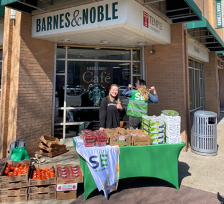
At Sharing Excess, we are using surplus to solve scarcity. The Temple chapter works with restaurants, grocery stores, wholesalers, and farmers to redistribute food. According to Feeding America, Over 100 million meals are wasted in the United States annually and we aim to fix this problem of excess food.

The process begins with our headquarters in Philadelphia rescuing food from our partners, delivering the food to campus which then allows us to set up pop-up events across campus and northern Philly to distribute. We have been hosting pop-up events every other week for the past semester and hope to expand our general body.

If you are wondering how to help and interested in changing the broken food system, feel free to join our GroupMe, follow us on Instagram for updates @sharingexcess_temple and join our mailing list temple.sharingexcess@gmail.com

Categories
Food Waste Race to Zero Waste Uncategorized

Campus Race to Weigh the Waste

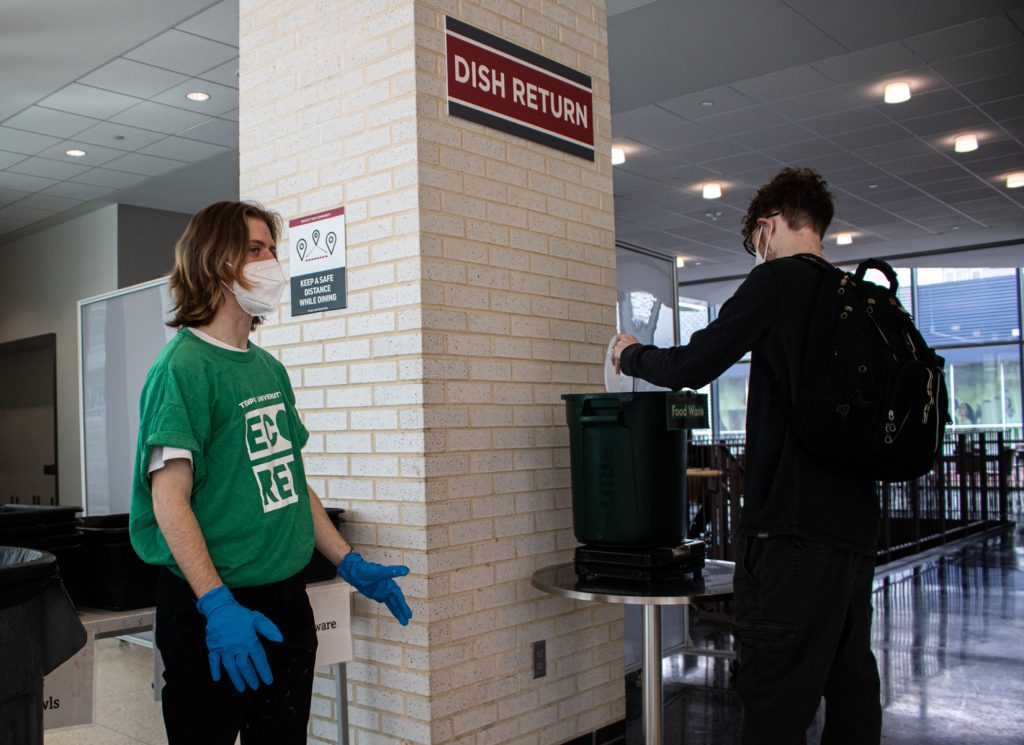
Diverting food waste from the landfill in Morgan Dining Hall.

Over the course of two weeks, students volunteered during lunch from 11am – 2pm at the dish return station in Morgan Dining Hall. From buffalo cauliflower wings to unfinished pizza slices, students were able to get a glimpse at the process of diverting food waste from landfills. 

Goal: Teach students about food waste and get metrics on how much food ends up in the dining hall’s bio digester. The two weeks inspired a multitude of learning opportunities and insights around waste literacy on Temple’s campus. 

https://www.youtube.com/watch?v=uLogXtpHbFM
Learn more about this project on Temple Update

Here are some of the key takeaways from the Weigh the Waste event:

  • Even though the food waste bucket is at the dish return spot in the dining hall all the time, this event highlighted the lack of student familiarity with separating food waste.
  • Most of the students eating at the dining hall were unaware that there was a food waste bucket at the dish return table in Morgan.
  • A majority of the students however, were willing to listen to instructions on where to put their waste when directed by the dining hall staff and EcoReps. 
  • Thanks to students’ willingness to learn, we saw individuals become more familiar with the process of separating their food waste.
EcoLead Mason Dofflemyer instructs student diner on how to properly dispose food waste

Food Waste and Future Opportunities

From this event, there is a lot of momentum around the scope of food waste. We are so excited to continue to partner with Aramark to address the issue of food waste on Temple’s campus. These two weeks of Weigh the Waste have identified how we can improve our food waste mitigations strategies as students and as an institution.

Learn more about different food waste initiatives and how to get involved through Temple’s Office of Sustainability’s website.

Categories
Uncategorized

So, you wanna volunteer on a farm?

After graduating high school in the midst of a global pandemic, I felt unsure about what my next year would look like.  Jumping right into college, especially with so much uncertainty, was not a good choice for me.  I wanted to travel and learn things outside of a classroom that I could carry with me throughout college and my career.  After much research and contemplation, I decided on a program that would allow me to volunteer and spend two months in Hawaii camping, hiking, and of course, farming.

To make my decision, I spent a lot of time googling various gap year programs before settling on Carpe Diem Education.

Websites like Gap Year Association (GYA) and Go Overseas are particularly helpful since they give a list of top programs, a description of the program and reviews from people who went. The most reliable organizations will fall under the Accredited Gap Year Programs which are determined by GYA’s guidelines. I landed on Carpe Diem after seeing it at the top of the list on various gap year websites and reading about the experiences that former students had.

Worldwide opportunities on Organic Farms or WWOOF is another great organization if you’re looking specifically for a sustainable farming experience or place to volunteer.  If you have an idea of where you’d like to travel, you can look for farms located in that country and read about what kind of experience you would have there. Farms you find through WWOOF will provide housing and food in exchange for a certain number of hours of work per day. These sites might seem more directed towards gap year students, but most organizations will offer summer programs and volunteer options as well.

Safety is incredibly important to consider before traveling abroad, and it’s also crucial for getting your parents on board. Each program page should have their own Health and Safety section where they discuss how they handle emergency situations. Since you will be traveling during the pandemic, pay special attention to their Covid-19 policy to make sure you stay safe abroad. All programs should have staff available to schedule zoom meetings to clear up any questions or concerns before traveling.

“Choosing to travel abroad was the best decision I ever made.” 

During my time in Hawaii, I spent two weeks living and working on an organic sustainable farm called Pono Grown in the East Maui mountains.  As the owner described it,

““Pono” is the Hawaiian word for righteousness and harmony.  He chose the name based on a deep belief that the earth will only take care of you if you take care of it too.”

At Pono, I came to realize how reliant we are on the environment.  The farm provides fresh food for the whole community, and it made me wonder where my food comes from and if my practices are honoring the land as Pono tries to do.

Another two weeks of my trip were spent working with Maui Cultural Lands on a land restoration project called Kipuka Olowalu.  Unlike the farm in East Maui, the Olowalu valley was considered a sacred space.  Each day we would begin with a chant led by a cultural practitioner to ask permission from the land to enter the valley.  At Olowalu we learned not just of the connection we have to earth through food, but also of the spiritual connection that is possible.  The staff taught us the Hawaiian phrase Malama ‘Aina, meaning “to care for the land.” This mantra was repeated many times over the course of our two weeks with them.  I came to realize that this was not just their job at Olowalu, but something meaningful that many Hawaiians live by.

Over the two months, we spent almost every day working with the land.  Our longer stays were at Pono Grown and Kipuka Olowalu, but we had volunteer days at the Botanical Gardens, in taro patches, and even at Grammy-winner George Kahumoku’s home farm.  

“At each of these places, the pattern of love and appreciation that Hawaiians have for the earth was not lost on my group. We left with a new perspective and greater appreciation for the land and environment.”

It’s not only where our food comes from, but it’s where we live.  The simple concept of Malama ‘Aina and having love for the earth is lost on many Americans.  I didn’t quite understand it myself until I spent time with people for whom it is their whole life. I can’t express my gratitude for getting to experience the land the way I did on Maui, especially as the climate crisis becomes a greater threat.  Such a strong connection to the land is incredibly rare, which is why most people are so quick to ignore the destruction we have caused.  We stopped taking care of the land, so it stopped taking care of us. 

It is essential that we learn to appreciate the land in order to reach a state of pono in which both people and the land care for each other. 

I highly encourage students to take any opportunity they can to work with the land and volunteer when they can.  Growing food that feeds people, and especially yourself, helps you develop an intimate relationship with the earth.  It is an overwhelming feeling of gratitude and belonging that comes from living in connection with the land.


Sustainability and Education Abroad: What you should know and what you can do

Temple Office of Sustainability and Education Abroad and Overseas Campuses teamed up to design a host of resources to help you incorporate sustainable practices into each step along your journey, from choosing your program to planning for your travel and life abroad, to implementing lessons learned abroad upon your return.

Your carbon footprint

Calculate your study abroad carbon footprint and explore resources to reduce and offset.

Global impact of climate change

Find out how climate change is affecting countries around the world, including your host country.

Community perspectives

Check out what our students have learned about sustainability and climate change from living abroad, and hear from faculty experts on our community perspectives page.

Sustainability courses abroad

Enroll in courses focused on sustainability abroad.

Temple Global Green Grants

Want to be an ambassador for sustainability abroad? Apply for our new Temple Global Green Grant!

Sustainability events

Explore sustainability events happening at Temple.

The recommendations, views, and opinions expressed in this blog are solely those of the original authors. Theses recommendations, views, and opinions do not represent those of Temple University, Temple University Office of Sustainability, the staff, and/or any/all contributors to this site.

Categories
Activism Climate Action Plan Uncategorized

The Sustainability Annual Report Is Here

The 2019-2020 academic year started with a renewed strategic vision for climate activism at Temple University. Goals included in the 2019-2020 Sustainability Annual Report were established in the 2019 Climate Action Plan.

The Climate Action Plan, released in April 2019, provided a roadmap for continued progress towards carbon neutrality by 2050. Over 300 members of the Temple community collaborated to articulate goals in 5 different focus areas. These are Academics and Research, Culture, Design, Energy, and Operations. The plan reflects a true commitment from Temple students, faculty and staff to work together to shape a more sustainable and just climate future on campus, in Philadelphia and beyond.

Although the COVID-19 outbreak pushed our report’s release, our students, faculty and staff remained committed to climate action. This Sustainability Annual Report details significant progress towards a more environmentally, socially, and economically sustainable future. Highlights include memorable accomplishments and progress toward goals in all focus areas.

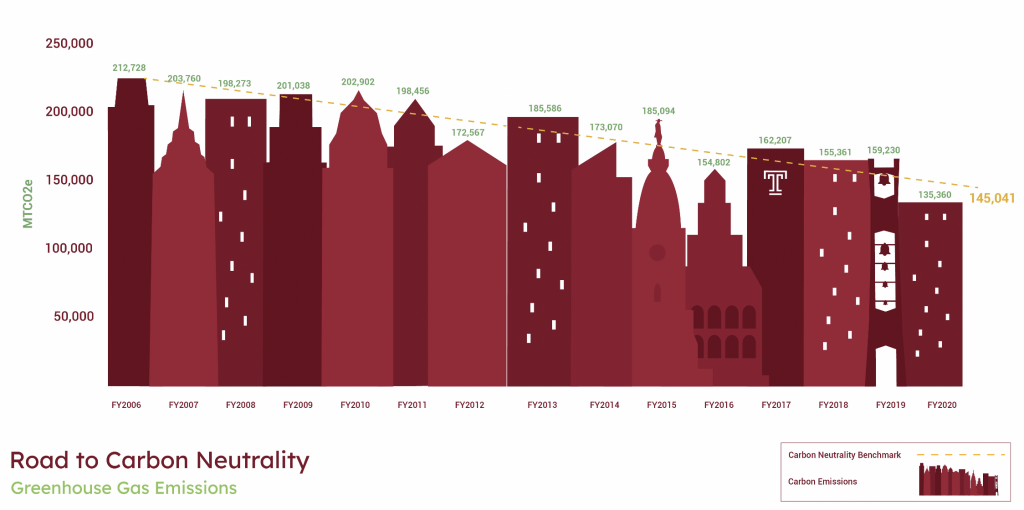
Greenhouse gas emissions progress as seen in the Sustainability Annual Report.
Greenhouse gas emissions progress as seen in the Sustainability Annual Report

Check out the Temple University Sustainability Annual Report. Learn about our commitment to sustainability and our progress to the climate action goals we have in place.

Thank you for being a part of history in the making.

Categories
Race to Zero Waste Stories of Sustainability Uncategorized

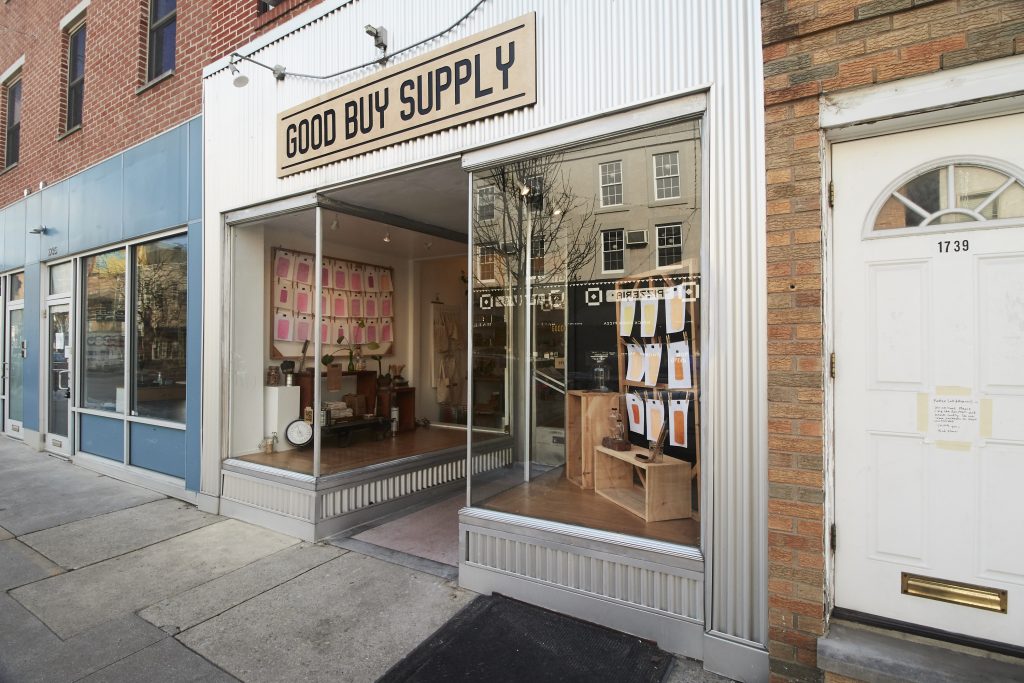
Philadelphia’s First Low-Waste Store Front: Good Buy Supply

Co-Founders of Good Buy Supply.
Jason (left) and Emily (right).

Temple Sustainability was happy to welcome the second Race to Zero Waste #EcoChampion: Emily Rodia! Emily grew up outside of Trenton, NJ and moved to Philadelphia in early 2007 to study Fine Art at The University of the Arts and received a BFA in Painting. Though always being an environmentally conscious person, she never knew how to navigate reducing her waste in Philly. And soon enough co-founded Philadelphia’s first low-waste home goods storefront.

Combining Arts with Sustainable Values.

Emily began her career by creating found object sculpture pieces sourced from trash from the street. A passion for nature evolved as she came to realization of the true, and immediate, trash problem in the United States.

Alarming fact: In the United States, about 4.9 pounds per person is generated each day.

As Emily became more interested in the low-waste movement she eventually saw the need for a storefront like Good Buy Supply. Combining her artistic background and sustainable values the brand was born. Emily, and her co-founder/fiancé, Jason hope Good Buy Supply can become a place to inspire others to live more simply and sustainably.

“I walk to work everyday and bring my reusables wherever I go. This is a little kit of items I have for when I’m on the go. (Water Bottle, handkerchief, reusable tote, coffee Mug, etc.) Bringing these items really helps curb single use items I may encounter in my day.”

– Emily Rodia

Philadelphia’s One-Stop Low-Waste Storefront.

The #1 Goal for Good Buy Supply is Reduction. Emily shares her store motto when customers visit: if you don’t need it, don’t buy it! Emily offers items and products based on strategic placement in finding the best option for the East Passyunk storefront. She puts into consideration what Good Buy Supply is putting into the world, how products are produced, and where products are manufactured.

Good Buy Supply low-waste Store Front in East Passyunk.

Maintaining low-waste practices during COVID-19 while operating a successful business is hard to balance. Partnerships with Terracycle and Rabbit Recycling, ensure that plastic is properly recycled after being received unintentionally or by surprise. 

Emily’s goals are for the good for the people. She encourages Temple students to use a voice for change by advocating for better wages and responsibility to be put on manufacturers. Simply, if people were paid more, then they would be able to live more responsible lifestyles.

Live Low-Waste at Home.

If you don’t need it, don’t buy it. Living sustainably doesn’t have to be complicated or expensive. Good Buy Supply is offering the Philadelphia community a place to reduce waste, live better, and save money down the line – in-person and online. See below to learn how you can visit Emily.

Tip from Emily: Use up your current products and when it’s time to buy new, buy with sustainable intention!

Emily points out that plastic didn’t explode in our society until the 1980’s, thinking back to where we started and living more simply. Do you need these extra things in your life? What can you eliminate?

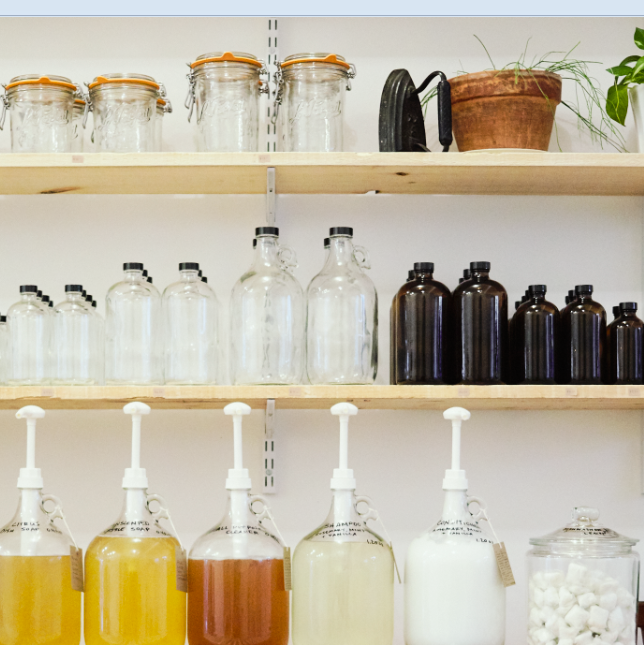
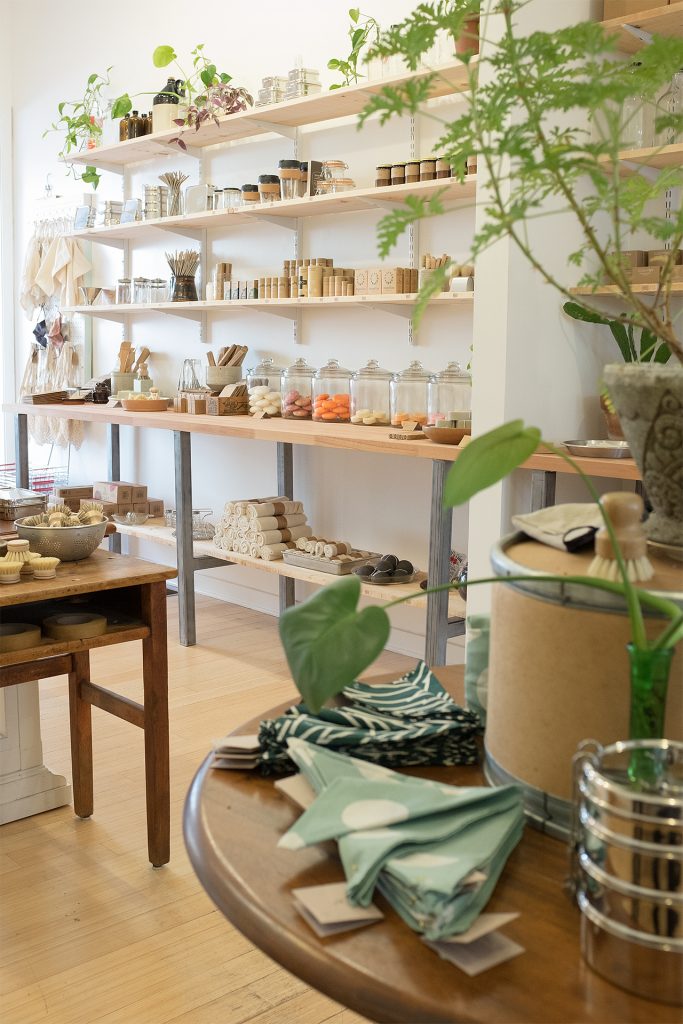
Snapshot of the GBS bulk bar for simple low-waste living.

Bring your own container to the Good Buy Supply refill station! You can stock up on earth-friendly products like shampoo, conditioner, laundry soap, disinfectant cleaner, and more. FYI: Bulk products are sold by the ounce, ranging from to $0.30 to $1.20 an ounce.

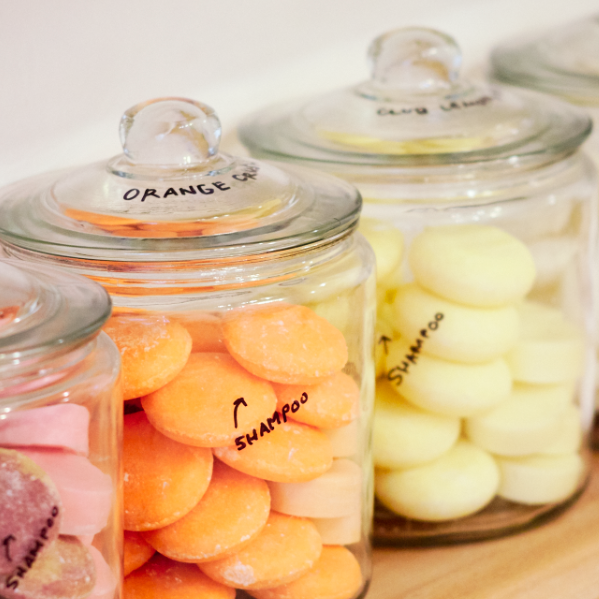
Low-waste shampoo bars from the GBS bulk bar.

Tired of your glass not being recycled properly? Drop off your clean glass jars and bottles to close the loop. As a Bottle Underground drop-off location, they collaborate with Remark Glass to create hand blown glassware.

Did you know? 70% of post-consumer glass will end up in landfills, mostly due to contamination.

Stop into the East Passyunk Location.

Are you a student looking to visit Good Buy Supply?

Cecil B. Moore → Good Buy Supply

  1. Arrive at Cecil B. Moore Subway Station 
  2. Take Broad Street Line towards City Hall for 14 minutes
  3. Get off subway at Tasker Morris Station 
  4. Walk East on Morris Street, turn right on South Iseminger Street, turn left on Pierce Street, and Right on East Passyunk Avenue
  5. You’ve arrived at Good Buy Supply

Good Buy Supply: 1737 E. Passyunk Avenue, Philadelphia, PA 19148

Store Hours: Tuesday – Saturday: 10am – 6pm and Sunday: 10am – 4pm

Contact Emily: hello@goodbuysupply.co

Categories
Activism Climate Action Plan Uncategorized

Urban Bees: Rethinking City Green Spaces

Meet GRASP Award Winner and #EcoChampion

urban bees
GRASP Award Winner and #EcoChampion

We concluded our Birds, Bees, & Trees series with Austin Martin, the 2020 Graduate Research Award Sustainability Program (GRASP) award winner and Ph.D. candidate in Geography and Urban Studies. Austin presented his findings on urban honey bees and pollinator forage as he examines how urban development and social control factor into urban pollinator systems.

Austin’s research seeks to better understand how capital flows through the urban built environment and what this means for urban ecosystems, specifically the health of native and non-native bees. His research considers the critical, social aspects of sustainability offering integrated and transformative climate solutions to urban communities and organizations. 

Let’s dive deeper into Austin’s research.

https://youtu.be/iMt-qWjV9Lw

The gateway to larger ecological questions.

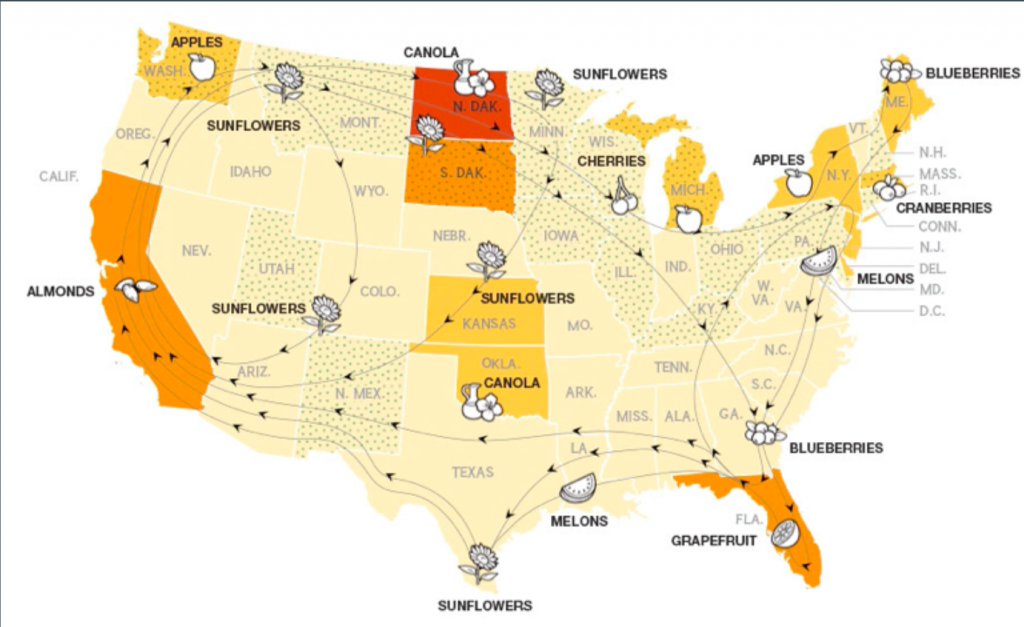
In the past decade, honey bees have rightfully garnered much public attention and concern. They sustain our multibillion dollar agricultural industry, which is heavily reliant on monocropping. Industrial scale beekeepers transport their hives across the United States to employ millions of honey bees as pollinators. As featured on the map, these crops include sunflowers, apples, canola, cherries, blueberries, cranberries, melons, and grapefruit, all across the US.

Austin gained the first-hand experience during his time at the University of Michigan. He learned that honey bees are important not only for our food system but for human-nature connection. There are no other species that humans can cultivate and connect within the way that humans can with honeybees because of their colony scale.

Cities as a haven for bees.

Throughout his research, Austin found that honey bees in rural landscapes were not thriving nearly as well as honey bees in urban landscapes. He saw this same counterintuitive pattern  with honey bees in the urban landscape of South Philadelphia rooftop.

The collapse of beehives begins with the poor biodiversity of flowers for bees to pollinate with. Beehives continue to decline through a series of self-reinforcing feedback loops including various toxins, weather conditions, parasites and poor nutrition. 

Bees normally travel up to 3 miles to pollinate, but not in urban landscapes! In urban areas, the landscapes are rich enough with forage that the bees pollinate locally, increasing their lifespan. People plant new and diverse flowers in cities too. This brings new and unique pollination opportunities to bees.

Rethinking urban green spaces.

The data demonstrates a strong connection between wealth and bee richness. Low income areas had both higher bee abundance and higher richness. Low income communities and stewards of these urban green spaces also suffer from public disinvestment and a lack of capital. In neighborhoods and parks such as Cobbs Creek, we see this manifest in more woody vines, greater disarray in parks and sometimes higher occurrences of crime. This calls for a rethinking of how to manage our urban spaces. 

Austin’s research better characterizes this uneven development across urban landscapes. He challenges our traditional notions of urban greening, asking if what is good for urban greening is truly good for urban ecology. 

As a Temple community, we are in constant pursuit of a more ecologically, politically, and socially viable city. Leveraging this critical study of urban pollinators is an important step in centering community control of public spaces. We can strive for a more just and sustainable commons which equitably serves all Philadelphians, our flora, and our fauna. 

Insight from Austin.

“As a beekeeper, I have learned that a good pesticide to use is called Oxalic acid which is relatively benign to the bees and kills the mites in the hive.”

“My favorite bee is the Blue Banded bee native to Australia and of course honey bees with my childhood connection.”

Contact Austin: aumartin@temple.edu

Check out the Philadelphia BeeKeepers guide!

Learn more about the GRASP Award!

The Temple University Graduate Research Award Sustainability Program (GRASP) advances the university’s goal of expanding sustainability research by providing funding to a graduate student research project focused on sustainability.