TOURISM MANAGEMENT
Systematic effects of crime on hotel operating performance
- 2017
- TOURISM MANAGEMENT
- 10.1016/j.tourman.2016.11.022
Hua, Nan; Yang, Yang
Abstract
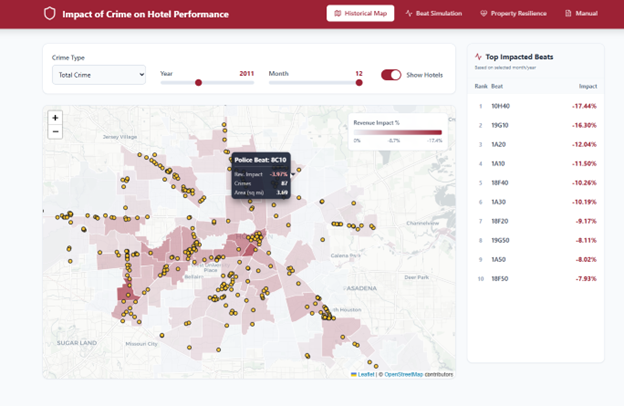
We examine the systematic effects of crime on hotel operating performance based on data from a sample of 404 Houston hotels from January 2009 to December 2014. Econometric results show that Part I crime (i.e., violent and property crime) incidents have a significantly negative impact on hotel operating performance (measured by revenue per available room), ceteris paribus. Also, the marginal effect of crime declines as crime density level increases. Separate examinations of violent and property crimes show that they exert significant and negative impacts on hotel operating performance, with the impact of violent crimes being more substantial. In addition, the results reveal that both nighttime and daytime crime incidents significantly and negatively impact hotel operating performance. Finally, as evidenced by the insignificant impact of crime incidents occurring on hotel premises, the results suggest that hotels are generally effective at maintaining systematic security measures and preventing crime incidents from occurring.
Keywords
Part I crime; Hotel performance; Lodging; Violent crime
Research topic
Sustainability and Resilience
Research method
Econometrics
Geographic area
US