At the heart of the MiNDS program is an immersive, mentored research experience designed to help scholars develop the skills, confidence, and professional identity needed to succeed in neuroscience and related fields. Scholars are thoughtfully matched with a research laboratory based on their interests, career aspirations, learning style, and the culture of the lab upon accepting appointment to the program. We believe that finding the right research environment is just as important as finding the right research topic, and so a great deal of intentionality goes into the pairings. Further, we never match more than one scholar per year with a lab– this is by design. We believe the training and mentorship requires an incredible investment. We want to ensure each mentee gets the training and support that they deserve.
Working alongside faculty investigators, graduate students, postdoctoral fellows, and research staff, scholars become active members of a the vibrant ecosystem and a contributing member of the research team. Depending on the focus of their laboratory, students may gain experience with techniques such as aseptic procedures, animal handling, dissections, behavioral testing, neuroimaging, fMRI research, participant recruitment, data collection, coding, statistical analysis, and scientific communication. As scholars develop their skills, they take on increasing responsibility and contribute meaningfully to ongoing research projects.
Scholars attend laboratory meetings, participate in journal discussions, receive individualized mentorship from faculty and graduate student mentors, and learn how scientific discoveries move from initial questions to published findings. This close mentorship provides both technical guidance in the here and now and insight into how this evolves with time. Some of our MiNDS scholars appear in publications because of their contributions to the lab.
During the summer, scholars engage in full-time research (approximately 35 hours per week) for twelve weeks, allowing them to develop foundational research skills and make substantial contributions to their laboratory. During the academic year, scholars continue their training through part-time research appointments of approximately 120 hours per semester, deepening their expertise and maintaining momentum on their projects. With two summers to invest, scholars have the chance to steep in the community and move from emerging researcher into leader. Several of our graduates have been asked to stay on in their lab or take on a leadership role in Year 2. Two years ensures that scholars are gifted enough time to own the process and move into spaces of leadership.
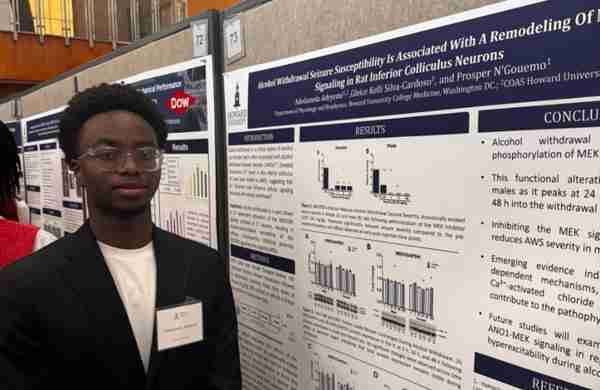
The research experience culminates in the development and presentation of a scientific research poster, highlighting not only the discoveries scholars have made, but the possibilities available to undergraduates as active contributors to scientific knowledge, demystifying academia. This work reflects Temple University’s commitment to experiential learning, research, and student success by providing scholars with meaningful opportunities to engage in the scientific process alongside faculty mentors. Through these experiences at a premier R1 research institution, students develop the technical expertise and confidence necessary to become the next generation of scientists, clinicians, and research leaders.