Categories
Campus Sustainability Month Stories of Sustainability Sustainable Fashion

Slow Fashion in Philly

Culture on campus is ripe for climate action and Temple Sustainability is encouraging you to ‘decarbonize your life’. Let’s think critically about our consumption: What is the true cost of consumer goods? Where are we now and where do we need to go? How can students be a part of the solution?

Everyone’s favorite on-campus sustainable retail experience returned this semester. After sorting over one ton of Give and Go Green donations in May, Temple Thrift, our own triple bottom business, was in action at the Bell Tower on October 6th and 13th.

Slow Fashion with Temple Thrift

Hundreds of students in residence halls donated and over 20 volunteers sorted donations to divert 1,279 pounds of clothing from the landfill for this year’s Give and Go Green initiative, a collaboration between Temple Sustainability and the Division of Student Affairs. 1,142 pounds of food and hygiene products were donated directly to the Cherry Pantry. 99 pounds of food waste was sent to the landfill, and 9 pounds of waste was recycled.

Of the clothing donated by Temple students, we gathered the following insights:

  • Majority of items were from some of the largest contributors of fast fashion, including Forever 21, American Eagle, Shein, H&M and Old Navy. 
  • Over 30% of the items were made with a combination of cotton, polyester, nylon and spandex and contained microplastics Read more about reducing their negative ecological impact in your laundry here.
  • It took 344 pounds of oil to create the cotton items GGG collected.
  • Only 3% of the textiles were manufactured in the United States.
  • Over 80% of textiles were manufactured in China, Vietnam, or Bangladesh.

60 individuals volunteered to help run two days of pop-up sales, completing over 100 unique shifts. 395 shoppers spiced up their wardrobes and picked up practical home goods affordably — no item was over $5! Still, we collected $5,057 in sales revenue on items that were otherwise headed to the landfill. All the proceeds were donated directly to the Cherry Pantry, an on-campus pantry for students.

Decarbonize your Closet

It is hard to deny Temple Thrift’s positive impact, but thrifting is not a silver bullet. Second hand sales are not a solution to this much larger global crisis. 

The problem is overconsumption and our ‘out of sight, out of mind’ mindset. Fast fashion is the world’s second largest pollutant and 85% of the post-consumer textile waste — 3.8 billion pounds– slowly decays in landfills each year. You can read a deep dive on the ecological impact of the fashion industry in our Waste Conscious Fashion Community blog. Our choices — from the second we click purchase on an online webstore, to the moment we throw them away or drop them off at a donation site — have a real impact on people and the planet. 

As climate advocates and social entrepreneurs, we should think hard about the true cost of each and every garment.
(The Considerate Consumer)

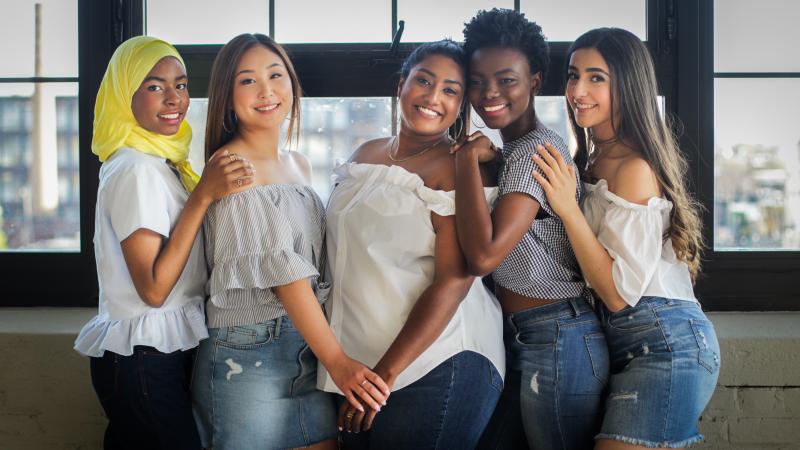
Advocating for slow fashion looks beyond simply thrifting to support a movement and a community of conscious consumers. Through their choices, slow fashion advocates support sustainable and ethical brands that benefit “the planet and all people,” embodying the shift from purchasing cheap items for a short period of time to investing in high-quality items for their long lifespan.

Everyone can decarbonize their closets – whether it’s upcycling items, swapping clothes with peers, shopping from sustainable brands, or shopping for pre-loved items. Encourage your friends and family to join the movement.

Philadelphia’s Slow Fashion

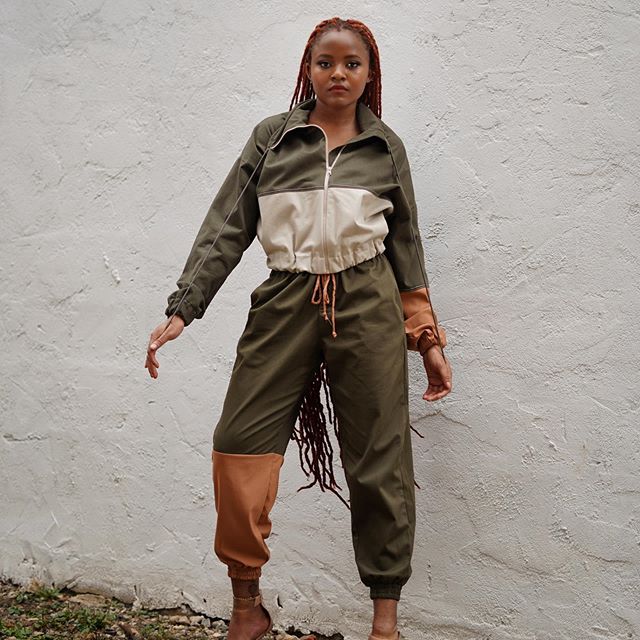
Local sustainable fashion companies in Philadelphia, like Lobo Mau and Grant BLVD, have taken social and ecological impact to a new level. Labo Mau’s use of hemp, eco-friendly screen printing, local manufacturing, and penchant for upcycling serve as an aspirational example for individual consumers and brands alike. Grant BLVD designs with secondhand clothing and preloved fabric to curate unique garments and connects their work with the larger global crises of climate change and poverty through their mission and message.
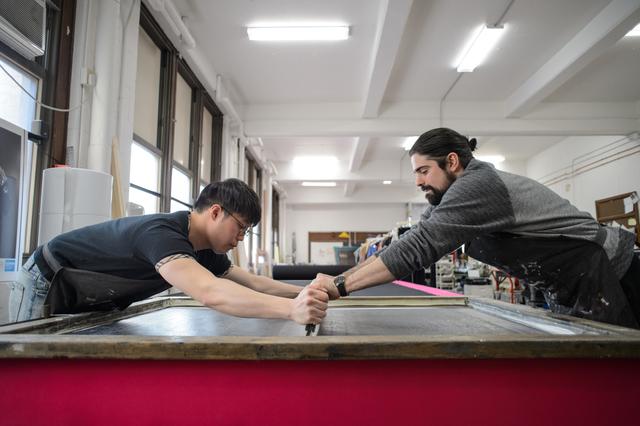
Shay, an EcoLead and intern at Grant BLVD, tells us about the difficulty of navigating this work on the ground.

“Whether it’s becoming a Zero Waste Partner with the City of Philadelphia, which is actually centered around recycling initiatives, or the lack of existing programming and resources to successfully execute sustainable initiatives — these small businesses are essentially starting from scratch  and still creating a positive impact”.

– Shay Strawser

FABSCRAP, one-stop textile reuse and recycling resource, opened in Philadelphia on November 15th. A business solution to pre-consumer textile waste, FabScrap Philadelphia will pick up fabric scraps, process by fiber content and recycle with fiber-to-fiber technologies or give local creators the opportunity to reuse materials for a low-cost. Anyone can volunteer with FabScrap for 3 hours and take home 5 pounds of free textiles for their next project. 

Use fashion as a STATEMENT

Every stage within the lifecycle of fashion is associated with environmental and social costs, as highlighted by Earth Logic. Fashion is culture. It shapes and is shaped by our lifestyles and communities. I encourage you to continue to use fashion as a statement, not by purchasing more items, but by making intentional decisions that align with your values and consider your carbon and waste footprint. Be conscious of the lifecycle of items — take note of the fabric(s) used, where it was made, and its capacity to move with you as you grow. 

Let’s think about the ten-dollar SHEIN pants you bought on Monday: They were most likely manufactured in Guangzhou, China by a young woman who was paid three cents for making this garment. The trendy design was likely conceived less than a week before it was made and was probably copied from an independent designer. The pants are cheap — in price and in quality. From an aesthetic and construction standpoint, they are unlikely to be worth the time and resources necessary to repair them which means they are destined for the landfill.

But, what if you bought one-hundred dollar pants sourced from a sustainable and ethical fashion brand? These pants would be made of recycled materials or with ecologically ethical and locally grown fabrics like hemp or cotton, designed locally and sewn by individuals that are paid a fair living wage. 

A higher price point is the true cost of a garment and sustainability. These pants are made of great quality and to last you a lifetime, a garment you can upcycle and eventually recycle with the designer you purchased from in the first place. 

You’ve taken the time to learn, and you may have a better understanding of what it means to be a conscious consumer. Although this might be startling, I challenge you to put it into practice by considering the true cost of your purchase -- to people and to the planet -- each time you decide to buy.

This Campus Sustainability month, climate leaders took action to decarbonize their closets and engaged with the community through slow fashion. 

  • Transportation EcoLeads led an EcoReps Excursion and group ride to South Street in Philadelphia, where they shopped second hand at Philly Aids Thrift, Retrospect, and Raxx Vintage
  • The Innovation and Entrepreneurship Institute hosted a Sustainable Fashion and Innovative Performance speaker session with Matt Dwyer of Patagonia.
  • Green Council has led to connections and opportunities, like that with the Temple University American Marketing Association and Thrift and Flop. Both are currently accepting donations of gently used winter clothing for individuals that lack housing during the colder months.
  • The Green Living cohort completed their week 7 action items for purchasing decisions. With a focus on a circular economy, student leaders were encouraged to walk through four questions:
    • Why do you buy & consume the products that you do?
    • Which of those products do you need? Which do you want?
    • How do you decide what you need vs. want?
    • Who benefits from you buying those products? Who loses?
Categories
Activism Climate Action Plan Sustainable Fashion Uncategorized

Channeling Passion for Social Change

Bringing awareness of mass incarceration through sustainable fashion.

Wrapping up Stories of Sustainability: Fashion Series with Sustainable Fashion and Social Impact Q+A! We welcomed CEO and Founder of Grant Blvd, Kimberly McGlonn, in conversation with Temple Made sustainable student leaders. Using sustainable fashion, Grant BLVD designs inclusive pathways and creates employment opportunities. Grant BLVD proposes a solution to addressing the larger global crisis and social problems stemming from climate change and poverty.

Kimberly McGlonn

Meet our thought leader.

Kimberly is an activist, teacher, podcaster, and business owner tackling mass incarceration through sustainable fashion. She earned her Ph.D. from LSU and serves as a councilmember and school teacher in Montgomery County. Kimberly opened Grant BLVD’s storefront in August of 2020, tapping into West Philly using fashion as a “mechanism for creating opportunities”. As a creative director, she uses her platform to bring attention to the challenges of mass incarceration and the need for prison reform.

Meet our superstar student leaders.

We were joined by five superstar students. With varying majors and career goals, student leaders came together through their passion and desire to learn. They channeled their passion for the environment, fashion, and making a positive difference by leading an insightful and empowering conversation with Kimberly.

The power of acting with love and speaking out against inequity.

Hear directly from Kimberly on her journey and present efforts to make a change! Here we have highlighted our answers and insight from Kimberly. 

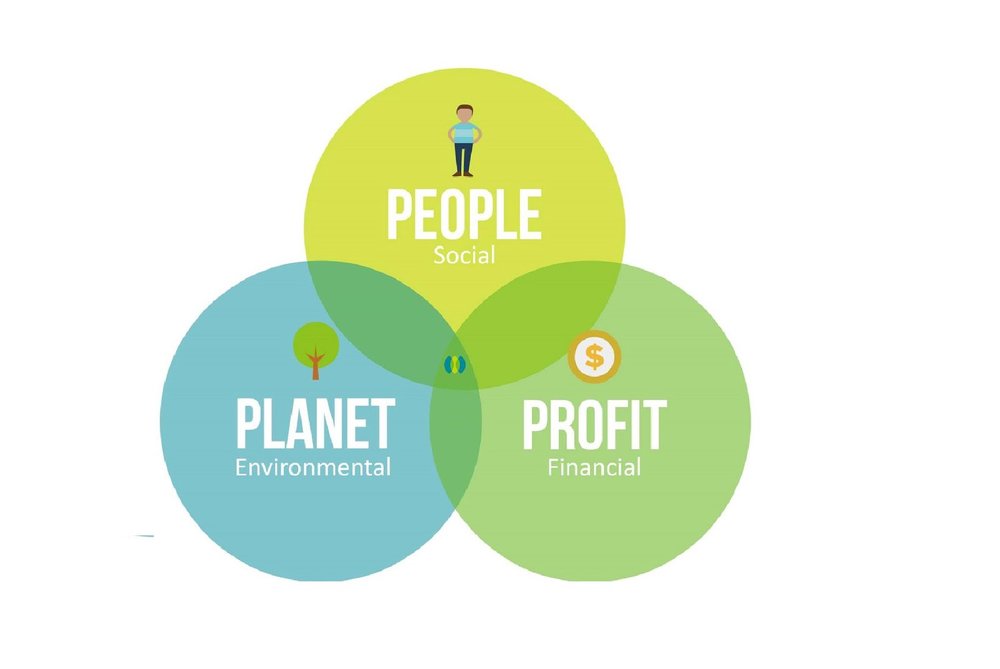
We are guided through this conversation by superstar student leaders with three main topics in mind: People, Planet, and Profit.

Layers of permanent disruption are created once someone is convicted of a crime. Whether one can secure a job trickles into their housing, funding, and ability to reunite with their children. Kimberly’s legacy is just beginning as she founded Grant BLVD, knowing she could channel her passion for style by creating a sustainable fashion brand and eliminating barriers to provide employment opportunities. 

https://youtu.be/c1vgTTFnaW4
Sustainable Fashion and Social Impact with Kimberly McGlonn

Q: What advice would you have for people beginning their journeys in sustainable fashion, and for sustainable entrepreneurs?
A: Being sustainable starts with committing individually, to be able to defend the decisions that we make in terms of sustainability while educating others. The high standard of sustainability is reducing consumption, the second highest is repurposing items to avoid adding waste and the highest standard is that we don’t buy new products. Overall, circularity and reusing products are most important – and that is how we are bringing Grant BLVD to the next level. Our goal is to encourage our shoppers to bring their garments back to us, to extend their life and give them a new purpose.

https://youtu.be/xHt-FbNpRcY

Grant BLVD stands out against its competitors with its diverse and queer female staff, partnerships with communities in Philadelphia and their efforts of giving to non-profit organizations. 

The larger challenge for humans is to overcome our current consumer behavior. With consistency and endurance, we must demand more from our consumers, regulating purchases, and recognizing purchasing power while acting on it. For a more in-depth conversation with Kimberly about consumers and consumption, head over to the Green Dreamer Podcast.

Q: Do you have any advice for someone who loves fashion but is feeling disillusioned with the fashion industry as a whole?
A: Much of the disillusionment comes from brands claiming they are sustainable but not being ethical. It continues into the history of fashion in America and the cotton industry. These “sustainable” brands negatively affect Black and Brown communities through their manufacturing efforts and low-fair wages. It comes down to conducting research, and to stop shopping with brands that truly only benefit the top 5%. We must police ourselves and our consumption.

https://youtu.be/3W7WVS0xrro

It’s a tricky balance! Kimberly is constantly trying to figure out how to strike the balance between advocacy and sales. Determining how to strike the balance of being aware of the real things happening in our neighborhoods and country while still recognizing that Grant BLVD is telling a story about fashion.

https://youtu.be/c8XeGhLyR8k

Q: Do you believe that one day sustainable fashion will be affordable for the average person?
A: Well, we have gotten comfortable in this society where things cost more than we think they should and vice versa. I know that I am investing in my pieces, spending more because what I am wearing reflects my values which is not supporting slave labor or destroying the planet. Embracing our value as consumers, I believe, is the next step for the system to start recalibrating itself.

In the next 10 years, Kimberly hopes to see Grant BLVD break into new markets, build upon a talented team, and develop strategic partnerships with smaller brands.  Overall, Kimberly is excited about educating people around various backgrounds about the intersections of sustainability and justice, sustainability and democracy, sustainability and equity and sustainability, and the survival of us as a whole.

https://youtu.be/NoP_n2Lx6zE

Q: What barriers did you face as you founded Grant BLVD and built upon the brand?
A: As a woman, I was presented with those barriers. And a teacher for the last 15 years, I was constantly approached with the questions of: what do you know about fashion? For me, it was about countering narratives about what my talent was. I constantly remind myself that I am capable of. I was really careful about my tribe of people, and investing my time in people who encourage me and have faith in me.

https://youtu.be/gBJJuEUgZWQ

Q: We’re all in this fight and we are here for the gradual change of how people live their lives sustainability. What do you have to say to someone with the “I want to change now” mentality?
A: As Americans, we are addicted to convenience and ease. It is challenging to overcome that mindset. But one word that I believe can help us is legacy. To remind ourselves of our legacy, what we leave behind, and the power that we have to influence others.

https://youtu.be/6NqlbzxHh9s

It is about “making sacrifices as a leader and businesswoman” to make change. It was truly beautiful to be in a space with like-minded people pushing for change. During this conversation, we empowered each other and learned from each other’s experiences.

Remain empowered and learn more from Kimberly.

Join Grant BLVD community.

Shop with Grant BLVD.

Connect with Kimberly.

Remain inspired by Kimberly through Instagram.

Listen to School for Disruptors podcast.

Watch 13th on Netflix.

Read Kimberly’s recent go-to book about becoming grounded and finding pleasure in life while making a change: Pleasure Activism by Adrienne Maree Brown.


Hey Eco Owl! Remain informed and stay connected:

Join our OwlConnect to remain informed and updated on all upcoming events with the Sustainability community at Temple. Check out our new EcoReps program while you’re there to gain hands on experience with greening our campus!

Take a look at our last Stories of Sustainability, Join the Waste Conscious Fashion Community. Learn about #EcoChampions and Founders of Thrift & Flop, Allison Altobelli and Miya Wager!

Follow along with us on our socials to stay engaged and learn more about our upcoming #EcoChampion! 

Instagram: @TUsustainability

Twitter: @TempleEcoOwls

Categories
Activism Campus Sustainability Week Sustainable Fashion Uncategorized

Join the Waste Conscious Fashion Community

Leave waste behind and move fashion forward!

Campus Sustainability Month is under way, and our #EcoChampions Allison and Miya are keeping the momentum going with Thrift and Flop. On October 14th, Allison and Miya hosted a valuable conversation with superstar students, and passionate faculty members. Read on to learn more about this Temple student-led waste conscious fashion forward community!

About our #EcoChampions

Allison Altobelli and Miya Wagner are students in the College of Liberal Arts at Temple University. Allison is a communications major with a minor in digital media engagement. Miya is also a communications major with a minor in psychology. As the recipients of the 2019-2020 Green Grant, they are entering their second year with Thrift and Flop. We are ecstatic to be featuring them both as our #EcoChampions, as they bring awareness to the negative effects of fast fashion and use their creative skills to channel a positive message through upcycling clothing!

Building a waste conscious and fashion forward community.

Miya founded Thrift and Flop in October of 2019 soon after realizing she wanted to be involved at Temple, but there was not a club that resonated with her passions. With Miya’s combined passion for upcycling clothes and craving a community of like-minded people, she collaborated with Allison and they founded Thrift and Flop. 

Thrift and Flop began their community through an Instagram page, inviting students to create authentic pieces of clothing by channeling their creativity through fashion and sustainability. Now, as we are in the 2020 school year, Thrift and Flop has over 800 followers and 85 paying members. Thrift and Flop’s success is  highlighted by the community of waste conscious fashion forward students. They continue to build upon this community of students by normally operating with weekly demonstrations, photoshoots, thrifting trips, clothing swaps, fashion shows and giveaways.

Join the Thrift & Flop Community!

Follow Thrift & Flop on Instagram to learn how to join the fashion forward group for workshops, photoshoots & more. 

Instagram: @ThriftAndFlop

Facebook: Thrift and Flop


Reduce, Reuse, Recycle: upcycling clothing.

Many people want to feel fashionable. The fast fashion community makes people feel that they have to do so with low prices and cheap non durable clothing. In America, we throw away about four billion pounds of clothing annually – making fast fashion the world’s second largest pollutant as 85% of the textiles slowly decay in landfills. Fast fashion is an ethical, environmental and economic issue. It pollutes the earth affecting our ecosystems, brings light to a major human rights issue, and makes people question: what happens to clothes before they are put in stores and after they are bought?

A waste conscious fashion solution.

As people question their buying habits, we continue to move one step closer to slow fashion. Thrift and Flop offers a solution: upcycling clothing. Being zero waste, is not just recycling but it’s repairing, reusing and rethinking. The vision behind Thrift and Flop is brought to life through this solution. By taking garments that would rather be thrown away, one can take these garments and create a unique, beautiful piece of clothing. By altering their aesthetic or repairing them, the product life cycle is extended and fashionable pieces are created. 

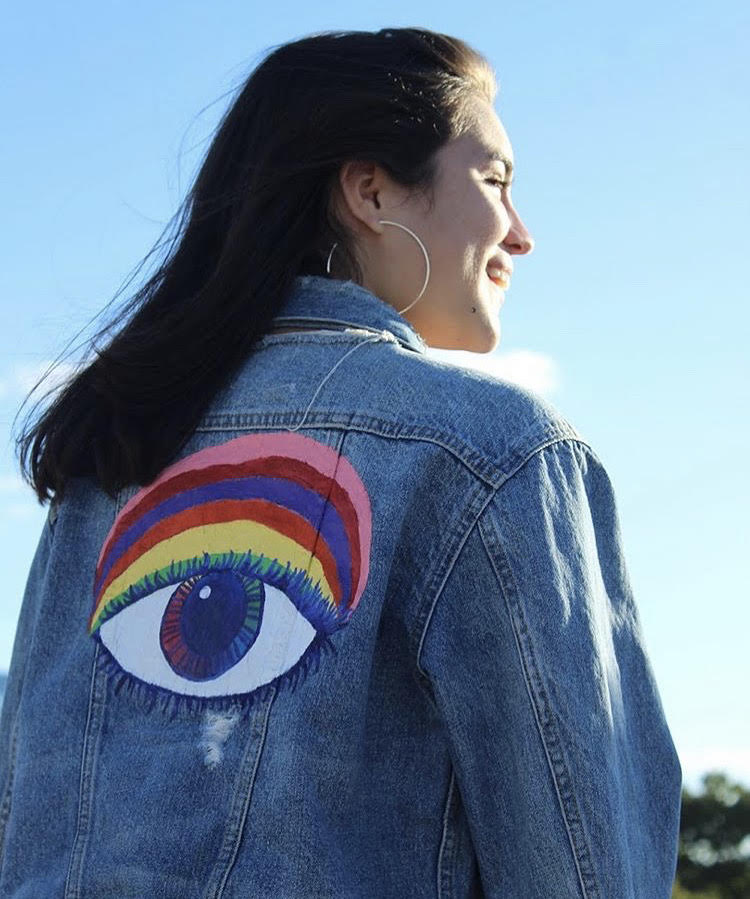
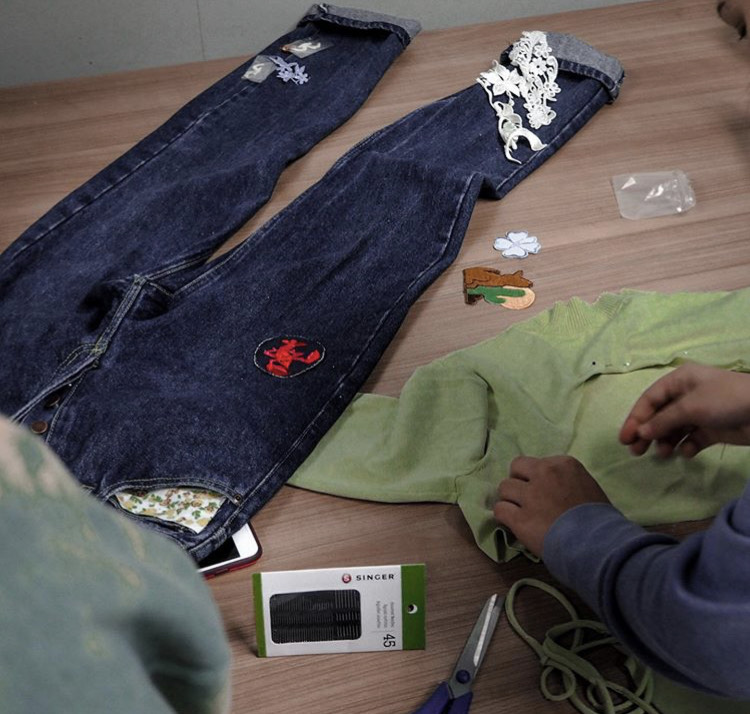
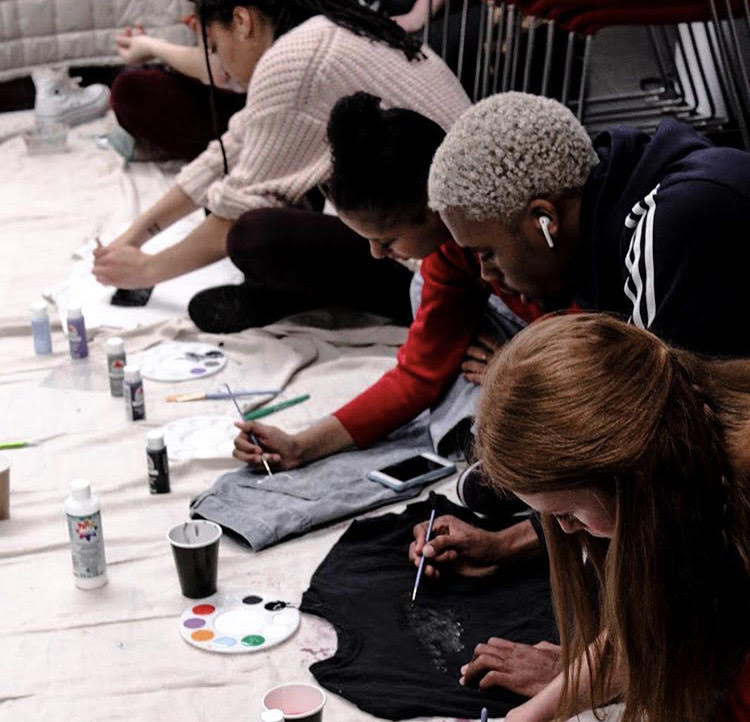
Thrift and Flop hosts several workshops for upcycling clothes – demonstrating how to distress denim, paint on fabric, sew, make jewelry, acid wash and so much more!

Be an Eco-Friendly consumer in Philadelphia. 

As a part of the community in Philadelphia, we can make a positive impact and difference by being Eco-Friendly consumers. Before you buy that next clothing item, ask yourself: Do I have an item like this already in my closet? Is the price tag reasonable and worth it? What brand is this garment? Is it eco-friendly?

Visit our latest blog post to learn more about where to ethically and sustainably donate your clothes in Philadelphia.

Thrift and Flop’s Green Grant journey. 

The Green Grant enabled Thrift and Flop to purchase needed supplies for their meetings and operations making this semester possible. The Office of Sustainability continues to guide Allison and Miya, bringing their vision of sustainability and zero waste to life.

green grant office of sustainability

Learn more and apply for the Green Grant!

Temple University’s Green Grant builds upon Temple University’s commitment to sustainability by funding projects led by students that focus on advancing the mission and have a positive impact on our local environment and community. The application deadline is November 30th, so head over to our website to learn more about applying!

2019-20 Green Grant Recipients:

Thrift & Flop

Bucha Leather Inc.

Upcoming Green Grant Info Session:

Thursday October 22nd 12pm

RSVP here!


Hey Eco Owl! Remain informed and stay connected:

Join our OwlConnect to remain informed and updated on all upcoming events with the Sustainability community at Temple. Check out our new EcoReps program while you’re there to gain hands on experience with greening our campus!

Take a look at our last Stories of Sustainability, Sustainable Innovative with Bucha Leather Inc. Learn about #EcoChampion and CEO of Bucha Leather Inc., Zimri Hinshaw!

Follow along with us on our socials to stay engaged and learn more about our upcoming #EcoChampion! 

Instagram: @TUsustainability

Twitter: @TempleEcoOwls