Categories
Act on Climate Activism Climate Policy Digest Environmental History Uncategorized

Held v Montana: America’s youth combat climate change

Love them or hate them, the founding fathers of the United States were wise to design a constitution with change and reinterpretation in mind. After all, in their time, concepts such as online privacy, modern firearms, and racial equality were nearly unfathomable—there was no way for them to predict the future, and so there was no way they could cover every single legal issue in an unchanging document. This intentional flexibility is what has allowed crucial social justice cases such as Brown v Board and Obergefell v Hobbes to be decided in favor of progress. It has also allowed sixteen adolescents from Montana to challenge the state and federal government on the biggest human rights issue of today: climate change.

Facts of the Case 

In 2020, the young plaintiffs of Held v Montana joined with Our Children’s Trust, a nonprofit law firm focused on the youths’ rights to a safe and stable climate. The suit was filed against the state of Montana, with a claim that the government’s lack of acknowledgement towards climate-related environmental degradation went against the state constitution, which guarantees residents “the right to a clean and healthful environment,” and stipulates that the state and individuals are responsible for maintaining and improving the environment “for present and future generations”. 
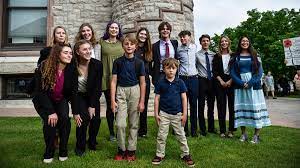
Plaintiffs of Held v Montana

The plaintiffs have joined together from across the state, ranging from two to eighteen years old at the beginning of the trial. The youngest plaintiff is now a five-year-old boy with respiratory issues worsened by climate change-related wildfires, and the oldest is twenty-two-year-old Rikki Held, who claims that climate change has made supplying water to her family’s 7,000-acre ranch difficult. Other notable plaintiffs include the Busse brothers, who live just outside of Glacier National Park and Sariel Sandoval, who grew up on the Flathead Indian Reservation. 

Despite being from diverse backgrounds, the plaintiffs have all felt the impact of climate change in Montana, whether it be from increased wildfire smoke, eroded hiking trails, water scarcity, or loss of traditional subsistence methods. As Lander Busse, the older of the two brothers, states: “A lot of this is just rooted in how many Montanans, including us, live life on an everyday basis, and how ingrained the wildlife and the land and the nature is in who we are.” 

Montana and Fossil Fuel

More often than not, climate change is a difficult issue to seek justice for because of the variety of greenhouse gas emission sources. After all, it would be a tedious and drawn-out legal battle if the plaintiffs in this case intended to go after high energy factories or fossil fuel refineries in the state. However, the plaintiffs of Held v Montana are accusing a government of going against its own constitution, which makes the case concise.
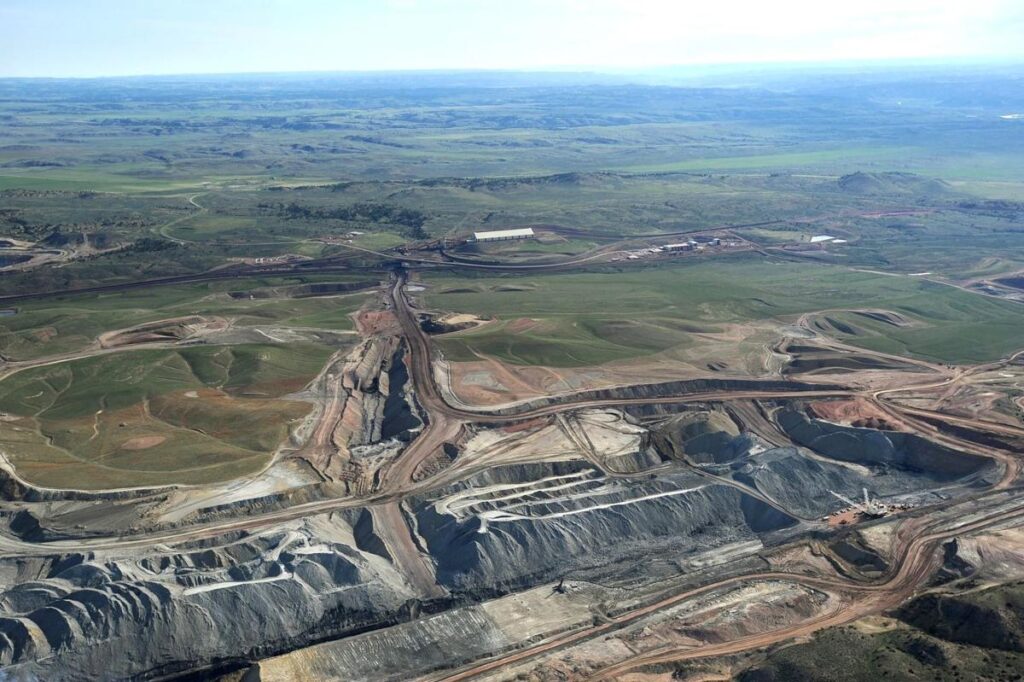
Surface coal mine in Decker, Mt

The plaintiffs argue that Montana has “extensive support for fossil fuels like coal, oil and gas”, and that it has a duty to address climate change. The state responded to the claim by disputing the relationship between the fossil fuel industry and climate change and denying the pattern of increasingly severe weather systems in the state. It is important to note that just before the trial began, language was added to a piece of legislation from 2011 which explicitly prevented Montana’s EPA from evaluating greenhouse gas emission/climate impacts in and beyond Montana’s borders during project approval, known as the MEPA Limitation. If you aren’t allowed to report on climate change, it becomes easy to deny any potential causes. 

Much like climate change is truly a bipartisan issue, this case is another example of the political power the fossil fuel industry has on politicians across the aisle. When the case was first filed, Montana’s democrat governor Steve Bullock called climate change “one of the defining challenges of our time”, and then defended the state against Held’s claims. Similar actions from West Virginia’s democrat senator, Joe Manchin, have happened in the past.  
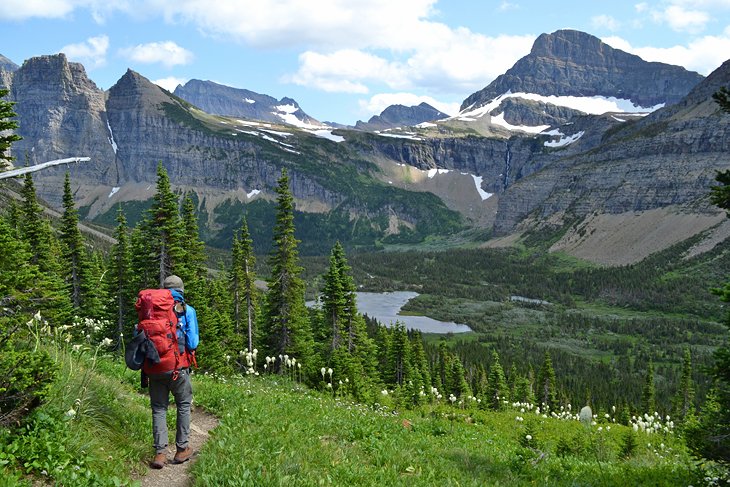
Montana’s Glacier National Park provides access to the great outdoors, but is not safe from rising temperatures

When a state protects the fossil fuel industry regardless of party, it is usually due to a historical reliance on the industry. Montana’s original constitution was drafted in 1889 and was heavily influenced by mining executives. According to Michelle Bryan, a law professor at the University of Montana, “Some historians called it a corporate colony: all the profits were going out of the state and residents weren’t seeing the benefits.” By that logic, the 1972 constitutional amendment which first defined citizens’ right to a safe environment was “Montana’s declaration of independence from corporate mining.” Even so, Montana is the fifth largest coal producing state and the 12th largest oil producing state in the country. 

A Landmark Victory

After much deliberation, Held v Montana resulted in a victory for the young plaintiffs in early August. District Judge Kathy Seely determined that Montana’s emissions, coming from 5,000 gas wells, 4,000 oil wells, four refineries and six coal mines, proved to be a major factor in affecting climate change. The decision was easy: beyond the scientific evidence of fossil fuels contributing to climate change, the defendants also failed to provide any evidence proving the MEPA Limitation was in the best interest of the government.  As a result, the MEPA Limitation is officially unconstitutional, as well as a different piece of Bill 557, which would allow Montana agencies to approve permits without an evaluation of greenhouse gas emissions. 
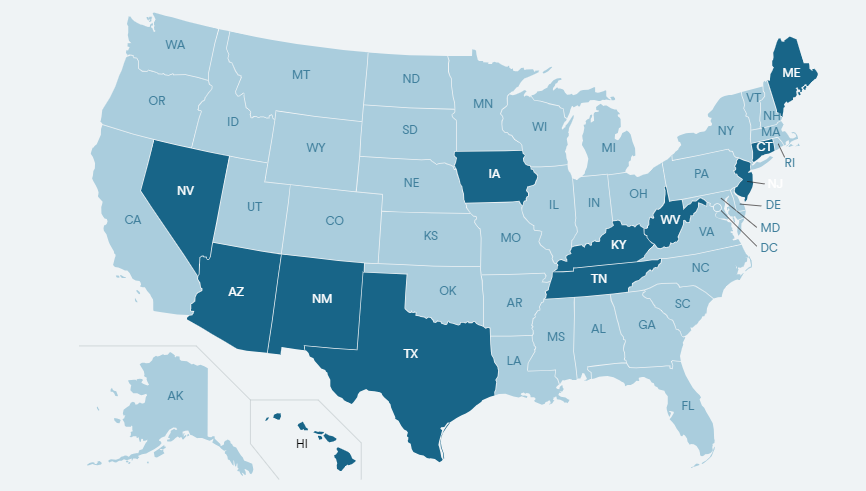
Map of Current Green Amendment Legislation via National Caucus of Environmental Legislators

As one of the first victorious court cases to identify climate change as a constitutional issue, and as a powerful example of young people’s dedication to environmental justice and civic duty, Held v Montana is a momentous victory that will alter the way we talk about climate change forever. The victory in Montana sets an important legal precedent for similar cases that are already moving forward in Hawaii, Utah, and Virginia. New York and Pennsylvania also have state constitutions that recognize the right to a clean environment, and nine other states are currently proposing their own “green amendments”, including Kentucky, Texas, and Maine. Of the states mentioned, several (and Pennsylvania in particular) have a long, contentious history with the fossil fuel industry and are suffering the environmental consequences. As the news of victory spreads, so will the confidence of young environmentalists across the country, and with hope we will soon see a wave of progress towards the end of climate change. 
Categories
Climate Policy Digest Race to Zero Waste Uncategorized

Single-Use Plastic Policy

Current State of Affairs 

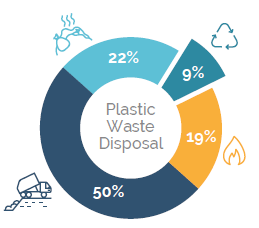
In 2019, globally only 9% of
plastic waste
was recycled
while 19% was
incinerated and
almost 50% went
to landfills. The
remaining 22%
was disposed of
in uncontrolled
dumpsites, burned in open pits, or leaked into the environment
In 2019, 9% of plastic waste was recycled. The rest was incinerated, put in landfills, or disposed of using unregulated methods

Last month, Circular Philadelphia released a comprehensive policy guide on the current state of single-use plastic legislation in Philadelphia.

Despite the clear negative impacts of plastic production on the environment and our increasingly overwhelmed waste management systems, single-use plastic production has doubled in the last 60 years. This increase in production was exacerbated by the pandemic through online purchasing of delivery and takeout food orders increasing the demand for single-use packaging and food containers. The pandemic also hindered Philadelphia’s ability to manage plastic waste, as sanitation workers faced both an overwhelming amount of waste to clean up and a disproportionately high risk of exposure to COVID-19 due to their working conditions. This forced the city to prioritize trash management over recycling, leading to a drop from 22% in 2019 to a low 8% in 2022. 

Despite the surge of single-use plastic during the pandemic, Philadelphia has recently taken several steps in the right direction when it comes to managing waste. The city increased on-time trash collections from 56% in 2021 to 96% in 2022 and added 150 new personnel for trash collection. Philadelphia also passed its ban of single-use plastic bags in 2022. A recent report found that after three months, reusable bag use doubled, and plastic bag use fell to almost zero. 

Possible Solutions

Circular Philadelphia also reports that there are steps the city can take to reduce plastic waste even further in as short as a few years. The easiest solution to waste is legislation that bans or punishes single-use plastic, a measure that has already been used to eliminate plastic bag use in states such Hawai’i, Maine, and New York as well as municipalities such as Boston, Los Angeles, Seattle, and of course, Philadelphia.

Other methods include shifting responsibility for plastic consumption away from consumers, and instead pushing producers to reduce the amount of single-use plastic they use in their manufacturing and shipping process. In 2022, California passed a law that requires all packaging to be either recyclable or compostable by 2032, which is expected to help reduce plastic packaging by 25% and requires 65% of all single-use plastic packaging to be recycled within the following decade. 

Another possible option is utilizing market-based solutions. Market based solutions often rely on a change in behavior from the consumer based on new trends or beliefs about what is socially favorable/acceptable. For example, it is favorable to like and protect animals, which made purchasing reusable straws popular when plastic straws were linked with harming sea turtles. But here are also several opportunities for change to come from the producers, such as manufacturing companies replacing traditional plastic bags with ones made from bioplastics, or stores offering reward points to customers who use reusable bags. A single cure-all solution for single-use plastic waste will be difficult to find, but combining several methods is a great start for achieving a waste-free future.

Circular Philadelphia’s Plan

Circular Philadelphia makes the argument that simple but thorough legislation informed by practices in other cities and regions is likely the best way to achieve fair, consistent, and measurable change when it comes to plastic waste in Philadelphia. Their recommended solution is a three-step legislation mechanism that eliminates certain single-use plastics from the take-out operations of restaurants and other prepared food establishments

Step 1. Ban certain single use plastics for take-out food 

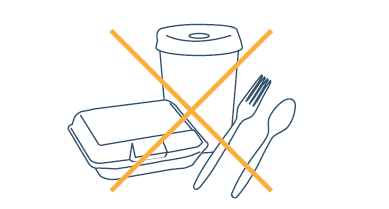
The most straightforward step to this process is banning items that are commonly littered after use, which includes polystyrene containers, plastic straws/cutlery, and plastic lined cups.  

Step 2. Encourage a shift to reusable containers by imposing a fee on continued use of single-use plastics for take-out food 

In order to encourage businesses to stop using any single-use items that remain unbanned, Philadelphia can incorporate an inspection for single-use plastics into the responsibilities of the Health Department and charge a fee for restaurants that are not compliant. The success of this part relies on its enforceability, which means it would mainly apply to places with food establishment licenses. It also requires flexible definitions for what is single-use, recyclable, compostable, reusable, etc. so that the city can update standards based on the available systems in its recycling department. 

Step 3. Reinvestment of fee proceeds to clean up Philly and create a transition fund 

Fees from noncompliant businesses would then be reinvested into waste management practices such as street sweeping, public trash cans, and assistance for businesses trying to switch to reusables. 

Can It Be Done? Will it Work? Is It Worth It? 

Short answer, Yes! Circular Philadelphia has already worked with the Health department to create a system of identifying restaurants that have reusable containers, meaning the framework is already in place to help more businesses comply with the proposed legislation.

If this legislation were to pass, Circular Philadelphia estimates that the benefits would include reducing the $48M spent on annual litter clean up, lowering food packaging costs from $0.29 per use for single-use to less than $0.01 per use by leveraging reusable containers, and addressing concerns such as microplastic consumption and the impacts of climate change. 

Single-use Plastic and Campus Life 

If these proposals were adopted, things could really change around campus. The multitude of student-serving food trucks, who are not owned or operated by Temple University, but under the jurisdiction of the city, would be on the hook for any plastic utensils and Styrofoam containers they distribute.

The majority of restaurants students eat “at” on campus don’t have indoor, or any, seating options and also lack the facilities to wash the number of dishes needed to meet rush hour demand. Reusable options available to other restaurants, such as metal utensils and sturdy dishes, generally aren’t viable for food trucks or “the Wall” vending pad by Mazur Hall. Students also tend to be on the move and use takeaway options in between classes, which would mean carrying around a dirty reusable plastic container. Unfortunately, this is considered a major inconvenience to a lot of students, and they’re not going to bring their own reusable containers if they still have the option for disposables.

All-encompassing waste policies like these — with real teeth and that extend beyond just the Aramark-owned and operated campus dining providers — could instigate broader behavioral and operational change across the city and on campus, especially with the massively popular food trucks. Until then, students can get us closer to a sustainable and waste free future by joining the fight for meaningful policy change, doing their best to use reusables themselves, and supporting those local businesses who are leading the way.

Categories
Climate Policy Digest

Innovative Solutions to Address Philadelphia’s Energy Burden

The average Philadelphian spends 6.7% of their income on energy. That’s more than twice the national average. As the city of Philadelphia explores decarbonization and renewable energy options, we need to make sure our solutions are addressing Philadelphia’s energy burden.

Energy in Philadelphia

Philadelphia Gas Works (PGW) is the city-owned gas utility of Philadelphia. PGW produces 24% of greenhouse gas emissions in Philadelphia and serves almost 500,000 customers. They are one of the most important players in the city’s goal to reach carbon neutrality by 2050.

They are one of the most important players in the city’s goal to reach carbon neutrality by 2050.

Philadelphia Gas Works Business Diversification Study: Energy in Philly.
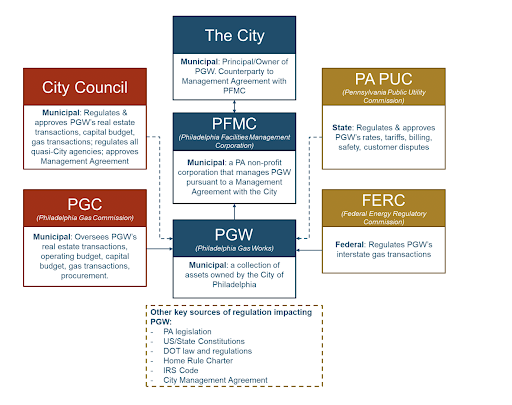
This image shows the city, state, and federal agencies that PGW reports to. Understanding the structure of PGW allows us to recognize which stakeholders influence decisions made by PGW.
 
Source: Philadelphia Gas Works Business Diversification Study.

Philadelphia’s Office of Sustainability and PGW recently released a Business Diversification Study which explores the ways in which PGW can work to reduce greenhouse gas emissions while simultaneously sustaining jobs and addressing the energy burden placed on low and moderate-income families.

This study offers a glimpse into the future of PGW’s sustainability initiatives by presenting three pilot programs that PGW plans on pursuing. In order to hold PGW accountable and understand which energy programs offer viable, affordable, and sustainable options for the future, it’s important to explore the implications of these potential energy solutions.

Pilot Program #1: Weatherization

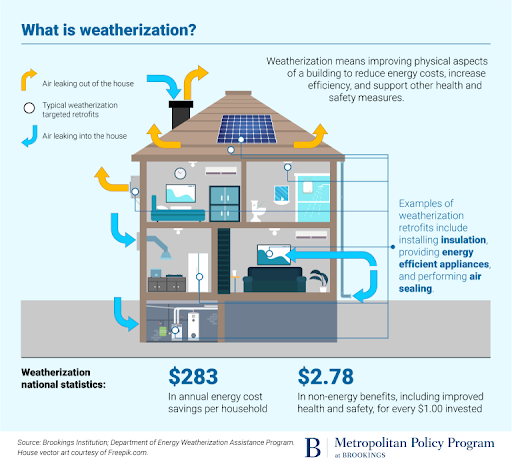
Weatherization is the process of improving energy efficiency in order to reduce energy usage and decrease the amount of outside air entering the building. This requires less energy usage and costs during the winter months because weatherization decreases the amount of cold air entering a building. 

The process of weatherization typically requires a larger upfront investment to make changes to a building such as improving insulation, sealing air ducts, and replacing and sealing drafty doors and windows.

The intent is that these investments will pay off in the long run by decreasing energy costs.

PGW already has a weatherization program, but the pilot program would expand weatherization efforts to low and moderate-income households by utilizing an on-bill financing method. This program would have PGW pay the upfront costs of weatherization improvements to a home, and then this money would be recovered through a monthly payment on the customer’s energy bill. 

Details of Weatherization: Energy in Philly.


However, a representative from Community Legal Services, a Philadelphia-based group that provides legal services to low-income families, expressed disapproval of the on-bill financing program as a method of addressing Philadelphia’s energy burden.

The representative mentioned that there are programs in the city that will make weatherization improvements to houses of low-income residents for free, which is a more viable and affordable option for families who may not be able to afford the extra monthly payment.

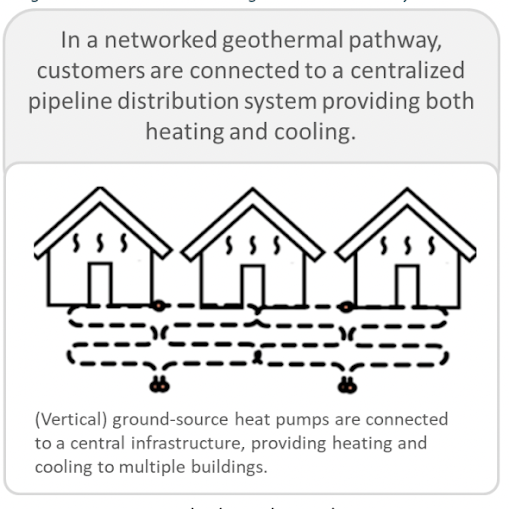
Pilot Program #2: Networked Geothermal Systems

While the weatherization pilot program is an extension of PGW’s existing programs, the other two programs presented in the report are completely new to PGW. The second program, which is set to begin with a feasibility study rather than the implementation of a full pilot program, involves the exploration of networked geothermal district systems.

Geothermal Pathways: Energy in Philadelphia.
Image Source: Philadelphia Gas Works
Business Diversification Study

PGW will explore the potential of the geothermal district systems, which would involve the use of geothermal heat pumps to extract heat from the Earth in the winter and then store it during the summer. These heat pumps are used to heat and cool buildings by carrying cold water, hot water, or steam. 

This is seen as one of the projects with the most potential because it would likely allow for PGW’s workforce to be retained while redirecting PGW’s revenue stream to come from a renewable energy source. Massachusetts recently launched its own networked geothermal pilot project, and geothermal energy has been a successful renewable energy source in Europe for years. 

While more research is needed to determine what a networked geothermal system would look like in Pennsylvania, this has been identified as one of the most promising options for reducing emissions.

Pilot Program #3: Decarbonized Gas

Converting city waste to biomethane, which is a renewable gas!

PGW’s third pilot program proposes that PGW partner with the Philadelphia Water & Streets Department to investigate the potential of converting city waste to biomethane, which is a renewable gas. 

The benefit of this program is that it would allow PGW to continue using the gas infrastructure that it has set up. The limitations to this program lie in the fact that it will not significantly decrease fossil fuel combustion since the majority of the gas used will continue to be fossil gas, and it also does not offer a method of addressing the energy burden. 

Why These Programs Matter for Philadelphia’s Energy

In order for the city of Philadelphia to reach carbon neutrality by 2050, PGW will have to dramatically transform its business model and explore alternative energy methods. The pilot programs outlined above present the first step forward for PGW, and networked geothermal systems are particularly promising for a sustainable future.

Temple University Small Business Development Center: Energy in Philly.
Two small businesses, ATP-PA and Metal Light were awarded funding and mentorship opportunities from PGW and Temple for their environmentally conscious and innovative energy projects

Image Source: Temple University Small Business Development Center. 

Finding innovative and creative solutions is the first step to enacting long-lasting, sustainable changes to our energy system.

The pilot methods PGW is working to implement are a prime example of the importance of pushing energy companies to consider alternative methods that reduce the energy burden placed on low-income families and decrease greenhouse gas emissions.

Last month, Temple partnered with PGW to highlight two small businesses with new and groundbreaking environmentally friendly energy ideas. These businesses were awarded funding and mentorship opportunities from PGW and Temple’s Small Business Development Center. 

As consumers, we are in a unique position to demand that PGW and other energy providers pursue new methods of addressing energy needs, such as exploring networked geothermal systems and decreasing the energy burden placed on consumers.

Reducing greenhouse gas emissions and improving energy affordability in Philadelphia requires cooperation and collaboration between a variety of actors, and the pilot programs presented in the Business Diversification Study are one of many steps we need to explore in order to reduce emissions and address Philadelphia’s energy burden.