Inspiring change through scalable urban agriculture
Project Summary
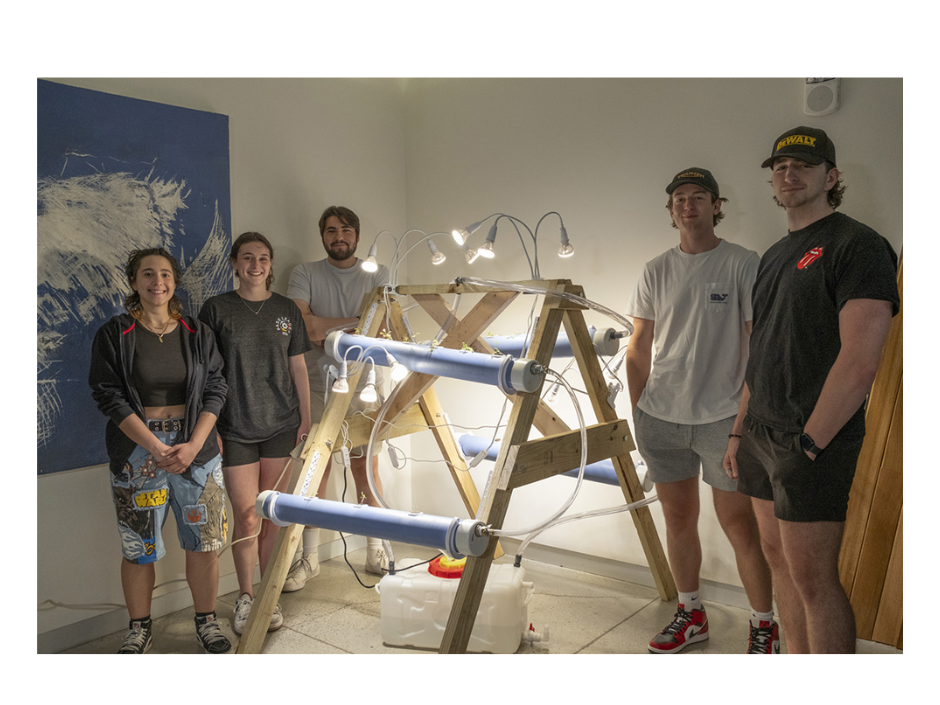
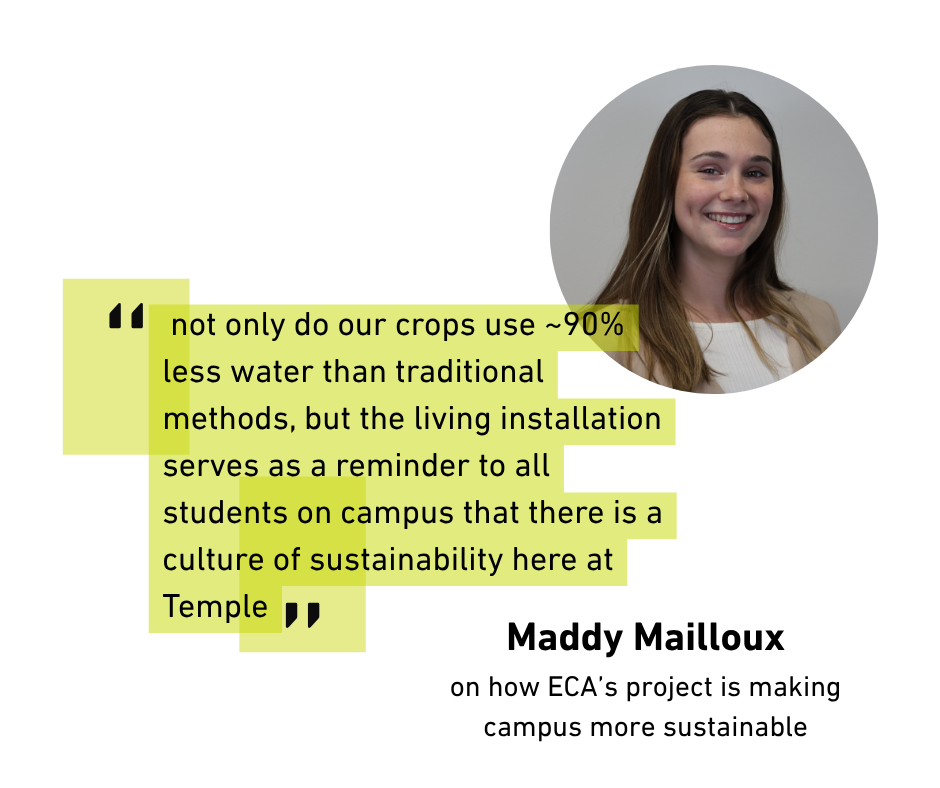
In collaboration with Charles Library, the Office of Sustainability is excited to announce the final installation of a sustainable hydroponics display constructed by Green Grant recipients, Engineers for Climate Action. The Green Grant funds student-led projects, programs and initiatives that advance Temple University’s commitment to sustainability through their positive impact on campus and our local environment and community. This year, Engineers for Climate Action is excited to cap off Earth Month with their final display of their sustainable hydroponics system, an innovative solution for growing plants using mineral-rich water in lieu of soil.
This hydroponics system represents a strong example of addressing the interconnected challenges of climate change through innovation and education. By creating a hands-on, scalable model of urban agriculture, this project aims to inspire actionable change and provide meaningful learning opportunities for students and community members. The hydroponics system is not just a tool for growing plants—it is a platform for cultivating awareness, fostering collaboration, and driving progress toward a more sustainable future.
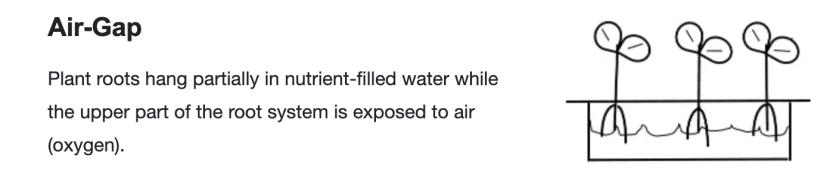
Why use hydroponics?
Enhances plant yields: plants can be more densely packed than when planted in soil on land, leading to higher yields. In addition, pH, nutrients, and light availability can be constantly monitored and controlled.
Less water: as much as 10 times less water than traditional field crop watering methods. The water reservoir recycles nutrient rich water instead of allowing it to run off and drain to the environment.
Locally grown: Indoor hydroponic systems allow plants to grow almost anywhere all year round.
Prevents soil degradation: Reduces the need for soil and land use.
About this system
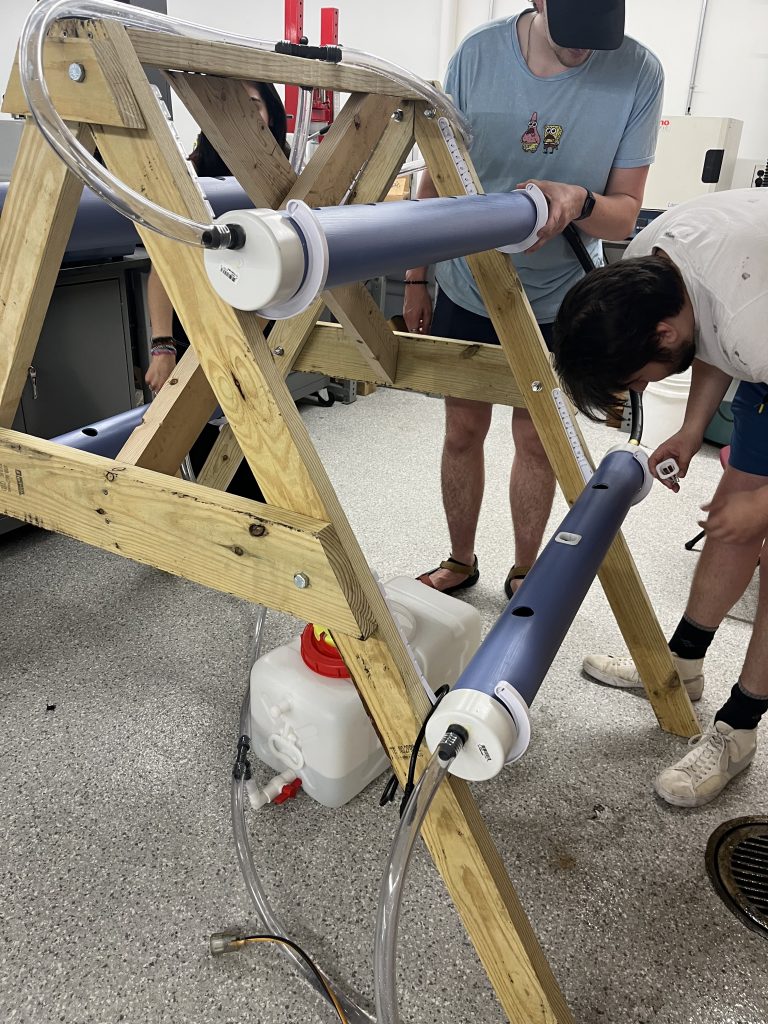
Features a modular A-frame structure made with recycled gutter piping and minimal energy requirements
Utilizes reclaimed PVC drainage pipes as the plant rack
Inspired by the need for compact, water-efficient systems in urban environments
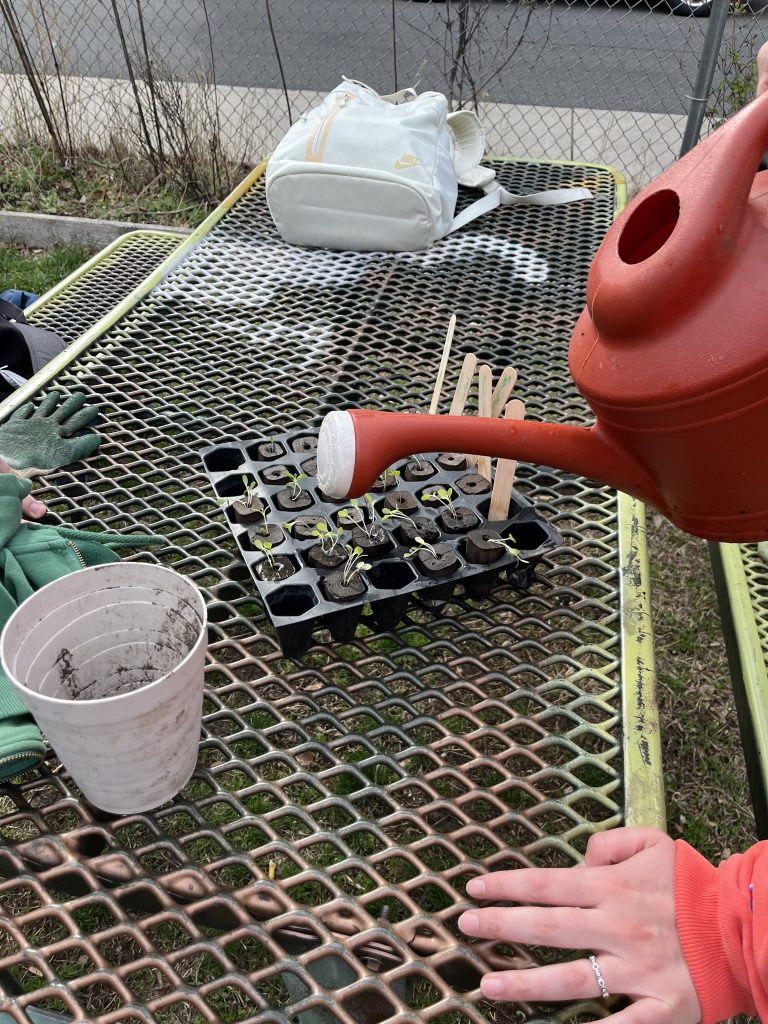
Seedling Planting
Frame Construction
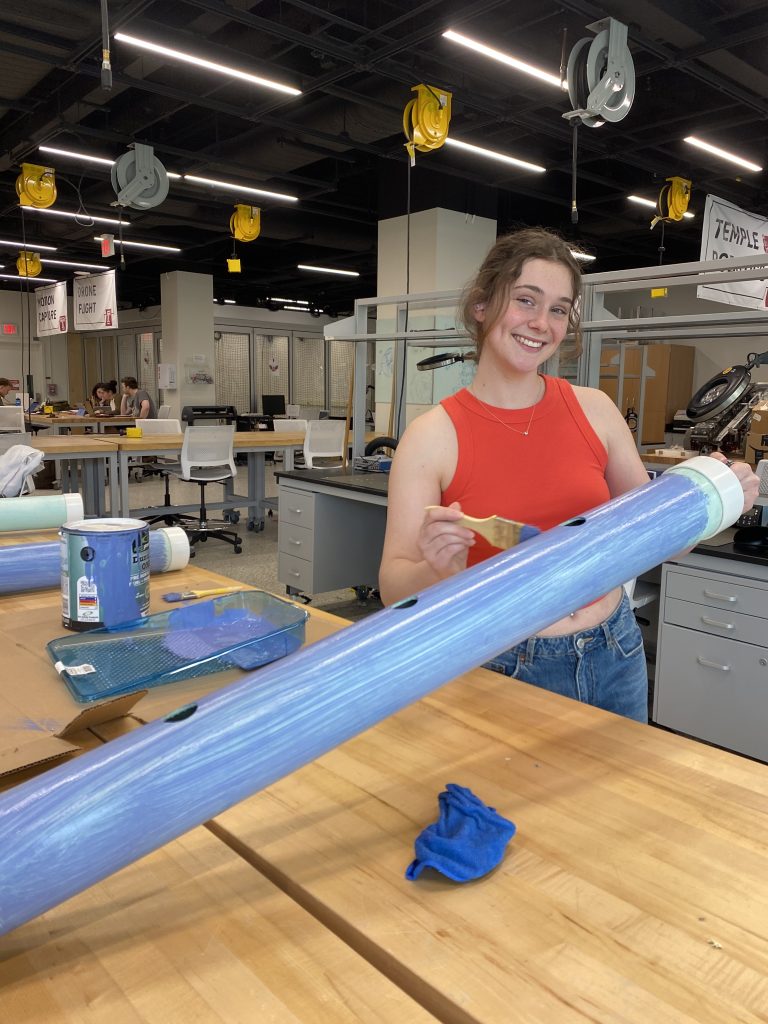
Painting
Wet Test
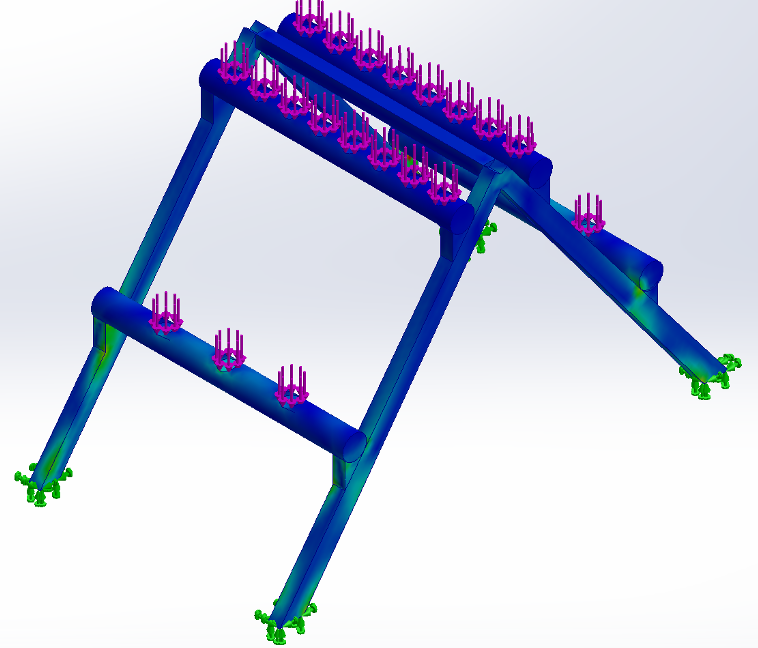
Annotated Design DrawingStructural Analysis through SolidWorks
The design above shows the results of the SolidWorks simulation run on the model of the hydroponics design.
Using the known properties of wood, a stress analysis was run to determine if the estimated loading on the structure could result in failure. Blue areas on the simulation model represent regions of material that will not be under a significant amount of stress. With accounting for the mass of the water, the plants, and the apparatus itself, it was found that the structure is adequately designed against failure.
Hear from the students
About the Green Grant
Engineers for Climate Action were awarded $900 from the Office of Sustainability’s Green Grant for parts associated with the construction of the hydroponics display.
Temple Sustainability’s Green Grant builds upon Temple University’s commitment to sustainability by funding student-led projects, programs and initiatives that advance the Office of Sustainability’s mission and have a positive impact on campus and our local environment and community. The grant application opens late in the fall semester and winners are selected early the following calendar year. Project implementation and execution spans the spring semester.
Environmental justice began as a grassroots movement led by BIPOC communities and advocates for economic and racial justice, as well as environmental stewardship in decision making, fair treatment and involvement of all people regardless of race, income, and national origin.
Philadelphia’s Office of Sustainability envisions “an environmentally just city where race, socioeconomic status, and ZIP code no longer predict residents’ health or exposure to hazards.”
Here you can find various resources that are available to Philadelphia residents to address environmental issues in your home and community.
PHDC’s Basic Systems Repair Program provides free repairs to correct electrical, plumbing, heating, limited structural and carpentry, as well as roofing emergencies
Flooding & Storms:
ReadyPhiladelphia: the city’s free emergency text and email alert system
Basement Protection Program: Philadelphia Water Department’s program to help protect your basement from flooding
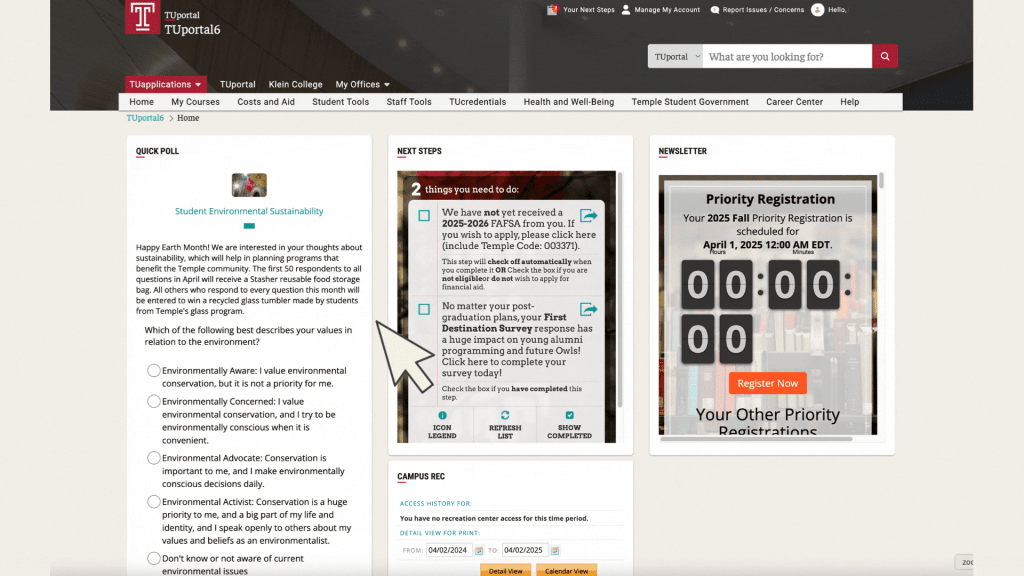
All Temple students, staff, and faculty will see new questions about sustainability in TUportal throughout the month of April from the 2nd through the 25th.
Every few days you’ll be asked about your personal values and actions when it comes to the environment, your thoughts and preferences on sustainability infrastructure and programs, and sustainability in your academic program or your professional role as a staff person.
Help us help you!
Your answers will help us plan programs that will benefit the Temple community for years to come.
The first 50 students and staff members to complete all the polls will receive a brand-new Stasher reusable storage bag.
February was Environmental Justice Month
In 2014, the Environmental Protection Agency (EPA) declared February to be Environmental Justice Month to commemorate the signing of historic 1994 executive order 12898: “Federal Actions to Address Environmental Justice in Minority Populations.”
Temple University’s Office of Sustainability is thrilled to present our February events and this year’s Campus Race to Zero Waste campaign. Join us in sowing the seeds of change and nurturing a more eco-friendly campus.
Campus Race to Zero Waste is a sustainability competition in which Temple University goes head-to-head against schools across the country to see who can divert the most waste from landfills.
Want to get started? Check out the calendar below to discover the array of events happening on and off campus this February. Click the links to RSVP and become a part of the movement toward a circular economy!
Kickoff: Feb 2 – March 29, 2025
Theme
Event
Where & When
RSVP
Sustainable Fashion
Temple Thrift Pop-Up
Tuesday, February 11, Morgan Hall North D301, 10AM – 3PM
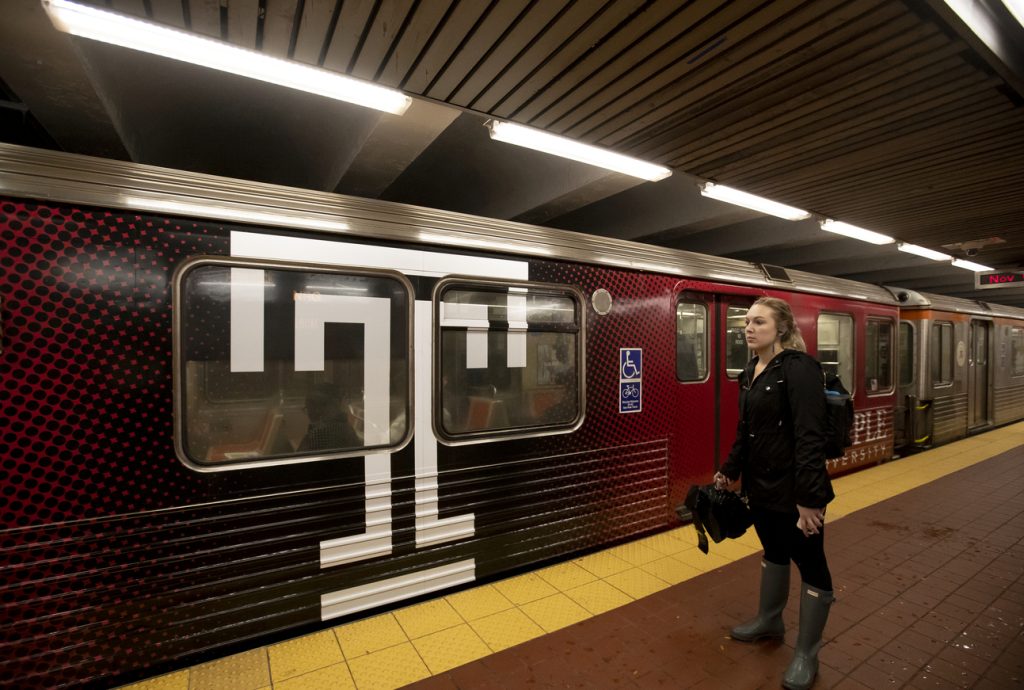
Temple community commutes via the Broad Street line subway
Temple’s Transportation Survey aims to assess the university’s environmental impact. The survey tracks progress on our greenhouse gas emissions inventory, calculates annual emissions from commuting, and aids in future planning. Results will be published on the Office of Sustainability website in Spring 2025, and previous survey results are available below.
We encourage all students, faculty, and staff to participate in this brief, 10-minute online survey. It is crucial data for our emissions inventory and for fulfilling our university climate commitment.
Take the survey:
You received an email from Ken Kaiser, SVP, inviting you to complete the 2024 Transportation and Sustainability Survey on Monday, 11/4
You may have received another email from Rebecca Collins on Wednesday, 11/13.
Search “transportation survey” in your Outlook inbox and click your unique link to contribute to this critical sustainability reporting.
It takes less than 10 minutes to complete! Participants who complete the survey can enter a raffle to win a sustainable prize.
In 2022, the most common primary mode of transportation reported by respondents was driving a car (32%)
Temple University students, faculty, and staff, take an estimated 263,580 one-way trips to and from campus in a typical week
88% of all respondents reported driving a car with a combustion engine to campus followed by 9.8% who drive hybrids and 2.5% who reported driving an electric vehicle
Frequently Asked Questions
What is the purpose of this study?
This survey will help the University understand its transportation energy use and find ways to reduce our impact on the environment generally.
I don’t even drive. Do you still want me to do this transportation survey?
Yes! We need accurate information from Temple people who do not drive as well as those who do. Whether you live near or far, use public transportation or drive, walk or bicycle, your answers are very important to the outcome of the survey.
How long does the survey take?
The online survey is very short. Most people will finish it in less than 10 minutes. Many have completed it within a few minutes.
What will you do with my answers?
Your answers will be held in strict confidence. When the data are analyzed, no one will be able to associate your name with your answers. Results will be studied to formulate the University’s energy policies, strategic planning and engagement opportunities for the years ahead.
What’s in it for me?
Two things: First, by participating, you can help Temple take a real step toward a more energy-sustainable community. Second, participants who complete the survey will be entered in a raffle. See below for prizes.
What does “sustainability” mean, anyway?
Sustainability has been defined by the National Academy of Science USA as “meeting the needs of present and future generations while substantially reducing poverty and conserving the planet’s life support systems.” More simply, it means meeting our own needs without compromising the ability of future generations to meet theirs.
Greenhouse gas emissions have been linked to global climate changes. Individual efforts are the first step in reducing negative effects of climate change locally and around the world.
I have questions about the survey. Who should I contact?
Please email sustainability@temple.edu with any questions and we will do our best to respond within 1 business day.
For more information, check out previous Transportation Survey Reports:
Discover How Temple University and the Office of Sustainability Promote Sustainable Off-Campus Living
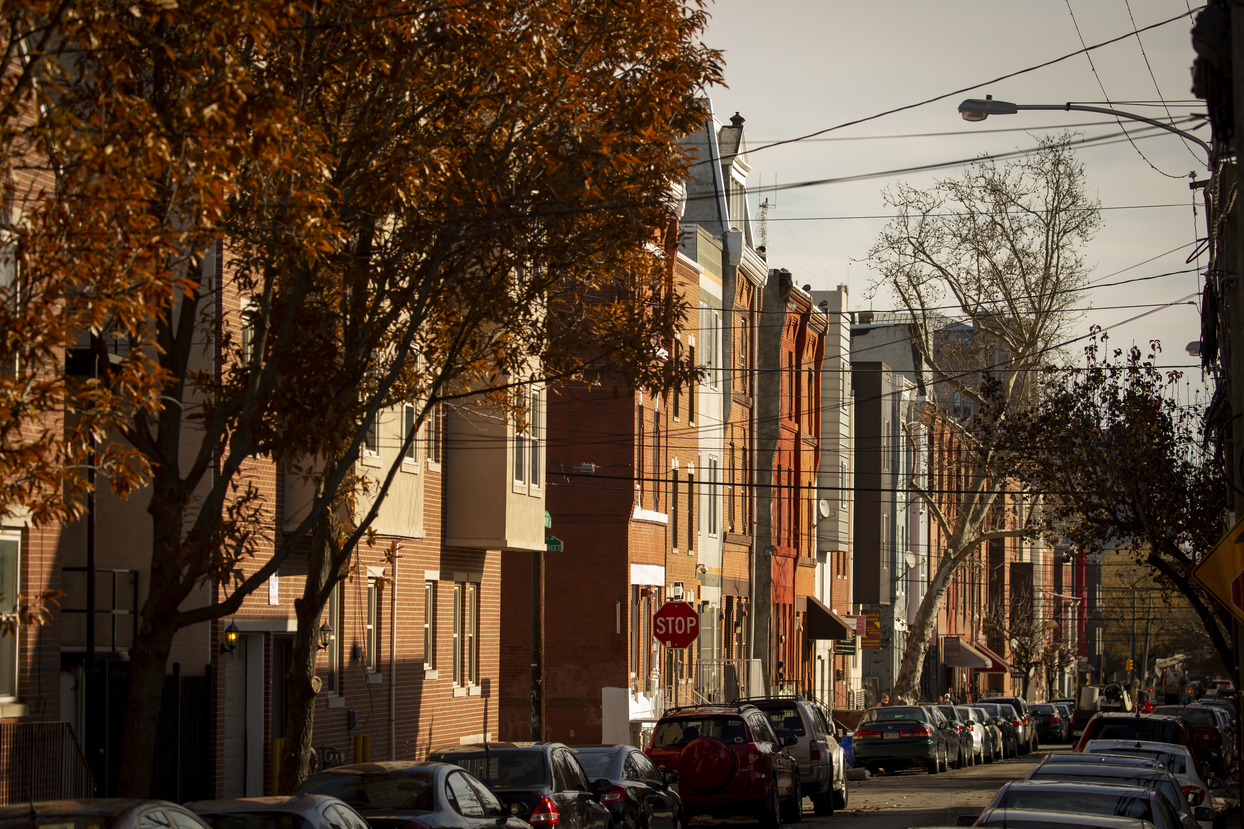
As Temple University and the Office of Sustainability strives toward a more equitable and sustainable future, initiatives like the Best Nest Program are making a difference in students’ off-campus living experience. This self-certification initiative not only prioritizes safety and community responsibility but also incorporates sustainability-focused practices, aligning with Temple’s commitment to a greener campus and community.
What is the Best Nest Program?
The Best Nest Program is designed to support safe, secure, and sustainable off-campus living for Temple students. This program offers a structured framework that helps students find housing that meets specific environmental, safety, and community standards. Properties within Temple’s patrol zone can opt into this program and qualify for either a Cherry or Diamond certification level, reflecting criteria similar to those of on-campus residence halls.
Certification Levels: Cherry and Diamond
Cherry Certification: This level focuses on crime prevention, requiring a valid landlord license, adequate outdoor lighting, and outdoor cameras with retrievable footage to ensure tenant safety.
Diamond Certification: Building upon Cherry standards, this level incorporates additional criteria related to residential safety and neighborhood responsibility. Properties must have no “unsafe” code violations, minimal noise and trash violations, and adequate trash and recycling storage facilities, aligning with sustainable and community-friendly practices.
How Students Can Use the Program
Students can filter for Best Nest certified properties on Temple’s Off-Campus Housing listing website. Additionally, during the Fall and Spring Off-Campus Living Fairs, students have the opportunity to learn more about the program, review feedback from peers on properties, and access a checklist for property visits.
How Students Can Use These Resources to Live Sustainably
Temple University offers various resources to help students embrace sustainable living, whether on or off campus. By making small changes in daily habits and utilizing available tools, students can significantly reduce their environmental footprint and contribute to a more sustainable community. Here’s how you can use these resources to make a difference:
Green Living Site
Temple’s Green Living Site for tips and guides on sustainable practices. From energy-saving strategies to water conservation, this resource provides valuable insights into how you can incorporate sustainability into your daily routine.
Energy Toolkit Temple’s Energy Toolkit offers practical advice on reducing energy usage, which can help you save on utility costs while being environmentally conscious. Learn about energy-efficient appliances, smart lighting solutions, and other ways to minimize your energy footprint.
How to Host a Block Cleanup Participating in or organizing a block cleanup can make a big impact on your local environment. This guide provides step-by-step instructions for hosting a cleanup, including tips on gathering supplies, coordinating with neighbors, and responsibly disposing of collected waste. It’s a great way to connect with your community while promoting a cleaner, greener neighborhood.
Not Sure Where to Start?
Getting started with sustainable living can feel overwhelming, but there are resources available to make it easier. Here are some quick tips to help you begin your journey:
Need a Recycling Bin? If your landlord hasn’t provided you with a recycling bin, you can stop by the Office of Sustainability to pick up a recycling sticker. Placing this sticker on your bin lets the city know you’re participating in recycling through their partnership with phila.gov/recycling.
Know Your Trash and Recycling Days Trash and recycling pickup days vary depending on where you live. It’s essential to know your designated day to ensure proper disposal. To find out your pickup day, visit phila.gov/recycling, where you can enter your address for information.
Understand Trash Limits Philadelphia has specific guidelines on how much trash can be set out each week. Check with the city’s resources to understand your trash limits and avoid any unexpected issues on collection day.
Through the Best Nest Program and other sustainability resources, Temple University students are empowered to live sustainably, responsibly, and safely off campus.
This Campus Sustainability Month, the Office of Sustainability will create pathways for understanding how small, grassroots actions can have a longstanding impact.
A series of different workshops, events and service opportunities will focus on select United Nations Sustainable Development Goals and the Temple community will learn what they can do here in Philly and on campus to affect sustainable change globally.
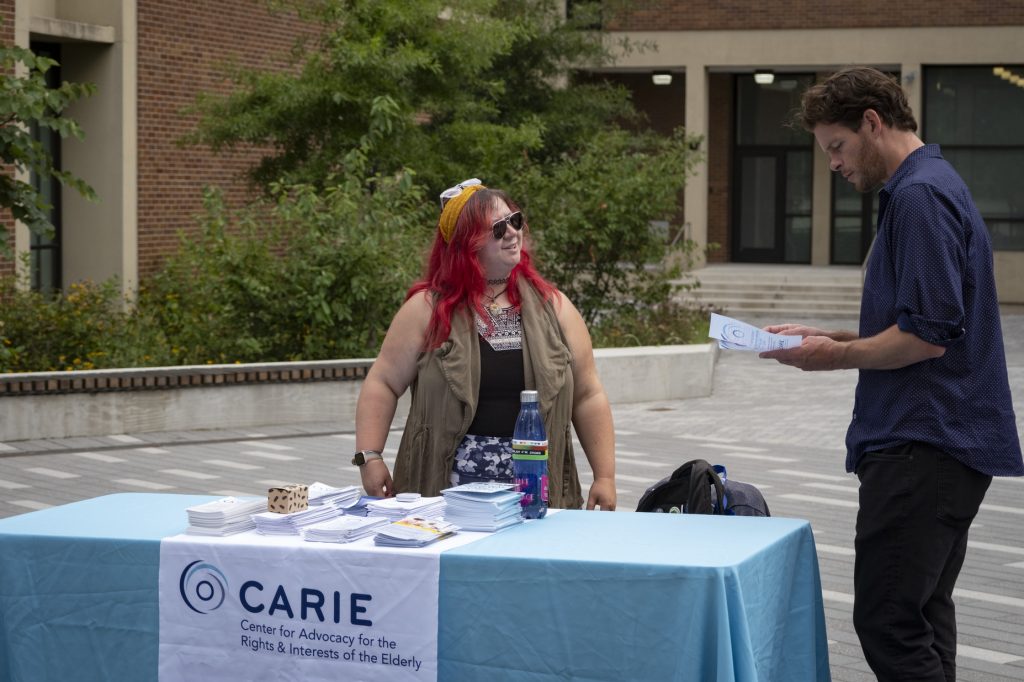
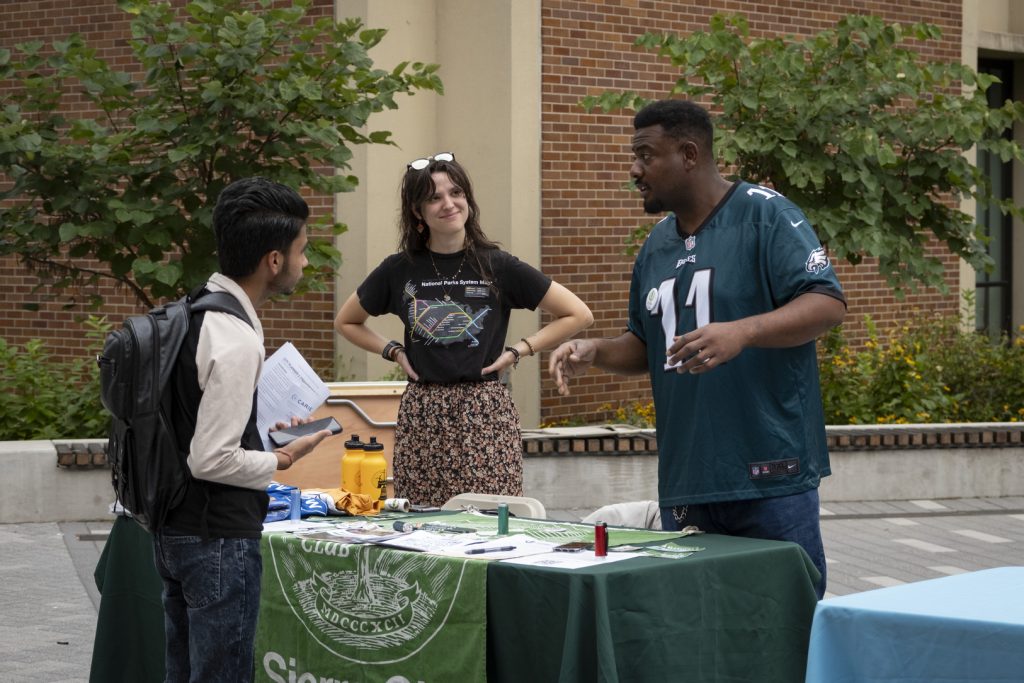
Sustainable transportation is a safe and clean option for traveling, and what better way to discuss and inform others about their mobility options than a transportation fair? This past Friday, September 6th, we had organizations come out to our Transportation Fair to discuss Temple University students’ many eco-friendly traveling options around the Philadelphia area.
At our Transportation Fair, we also interviewed organization representatives and students to gain insight into what sustainable transportation means to them. A member of CARIE described what sustainable transportation means to them:
“Sustainable transportation is good for the people, good for the environment. It means protecting everybody [and] making sure that everyone has access to transportation.”
Another organization, Sierra Club, talked about Transit to Trails, a campaign to improve public transportation options so that green spaces become easily accessible to everyone. Sierra Club believes that sustainable transportation is “accessible to everyone in all communities, helps them have full autonomy over their lives, and is clean and good for the environment.”
“Sustainable transportation helps [people] have full autonomy over their lives.”
SEPTA, Philadelphia’s largest transportation system highlighted the benefits of our transit system. It is one of the greenest, lowest emissions options in our city and provides us with a safe and environmentally friendly way of getting around, whether that is by bus, train, subway, or trolley.
For students, having options and choices was a common theme when it came to sustainable transportation. When students were asked what sustainable transportation means to them, they often focused on options such as electric cars, bicycles, public transportation, and walking, acknowledging the environmentally friendly transportation options they have access to around Philadelphia. It also gives us insight into ways that students are actively thinking of and engaging with sustainable modes of transport.
Our Transportation Fair provided a space for students to learn about local transportation organizations and the resources they can provide. It was also a wonderful opportunity to hear from our broader Temple community what exactly sustainable transportation means to them.
See highlights from an exciting Earth Month spent forging connections between students, staff, alumni and community members to collectively envision and pursue pathways towards a more sustainable future at Temple and beyond.
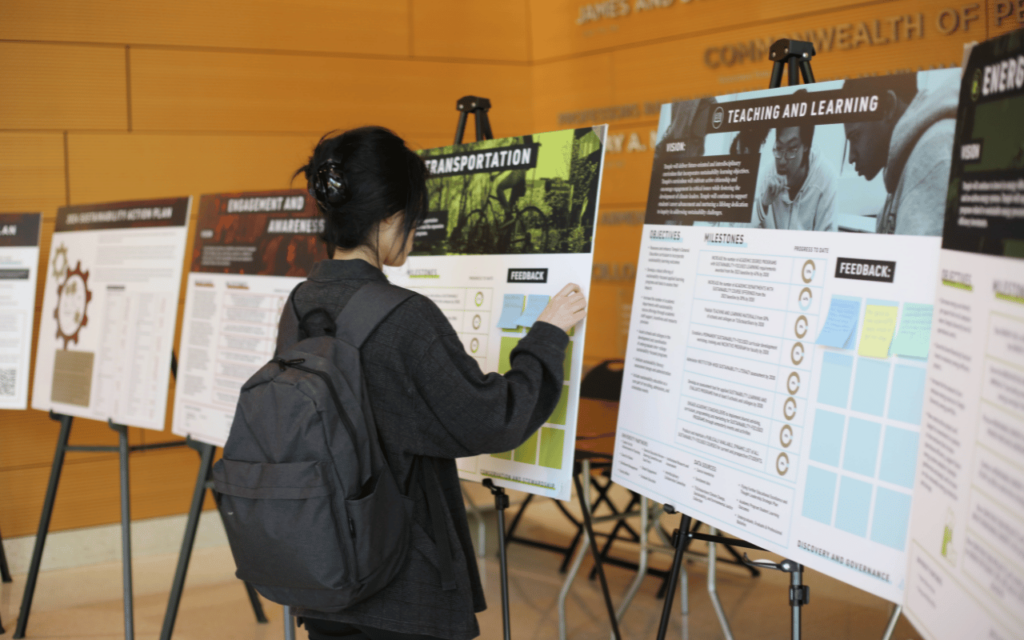
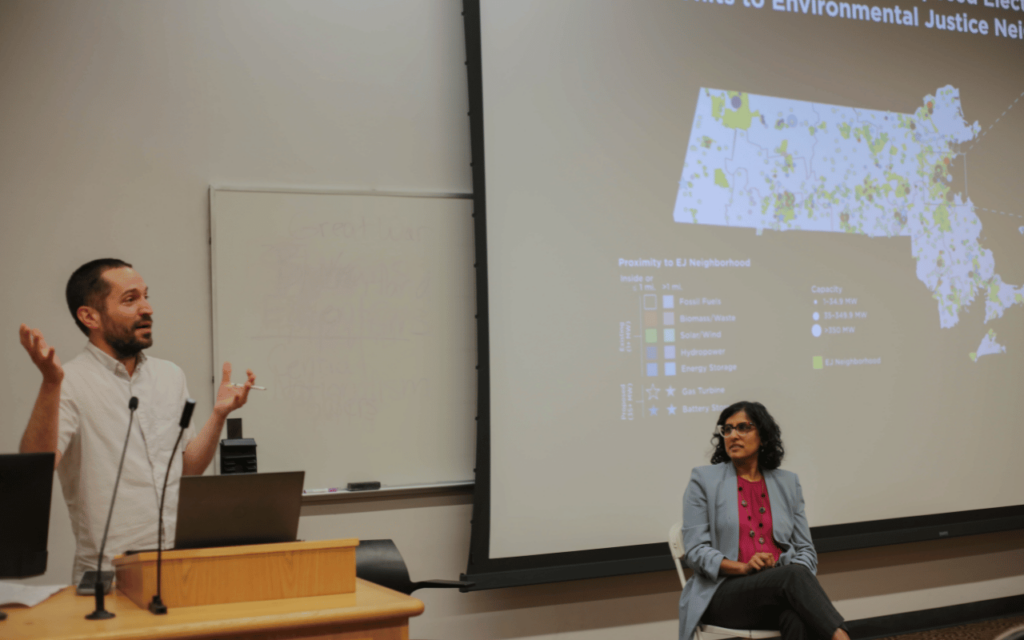
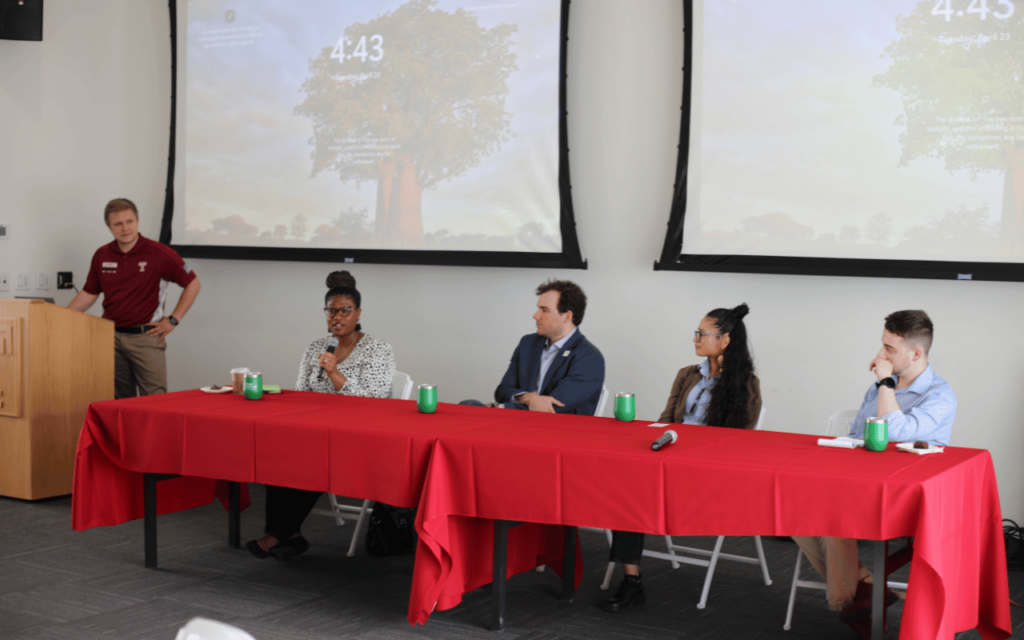
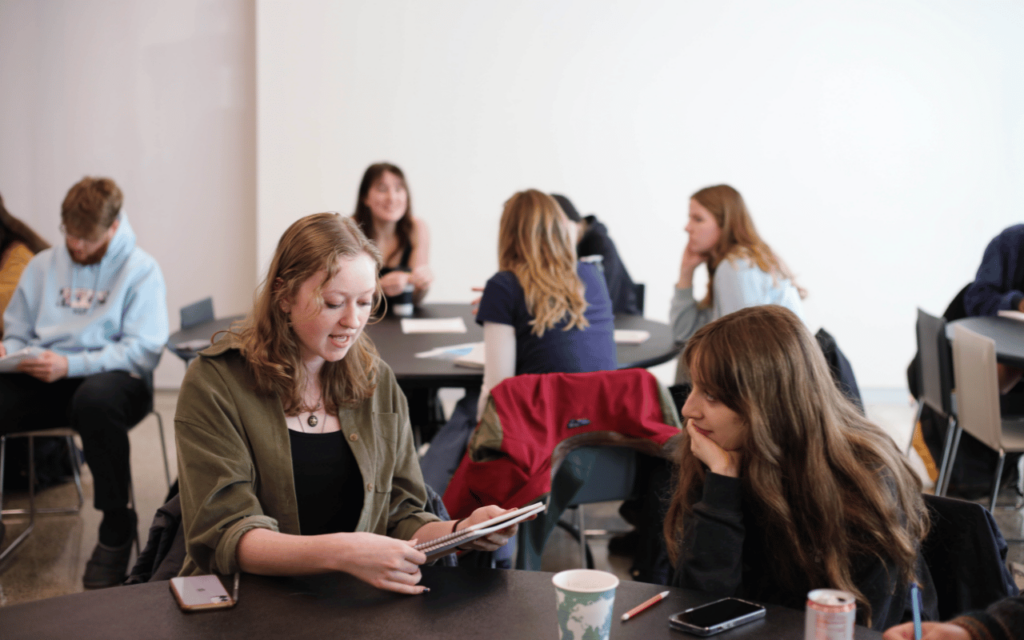
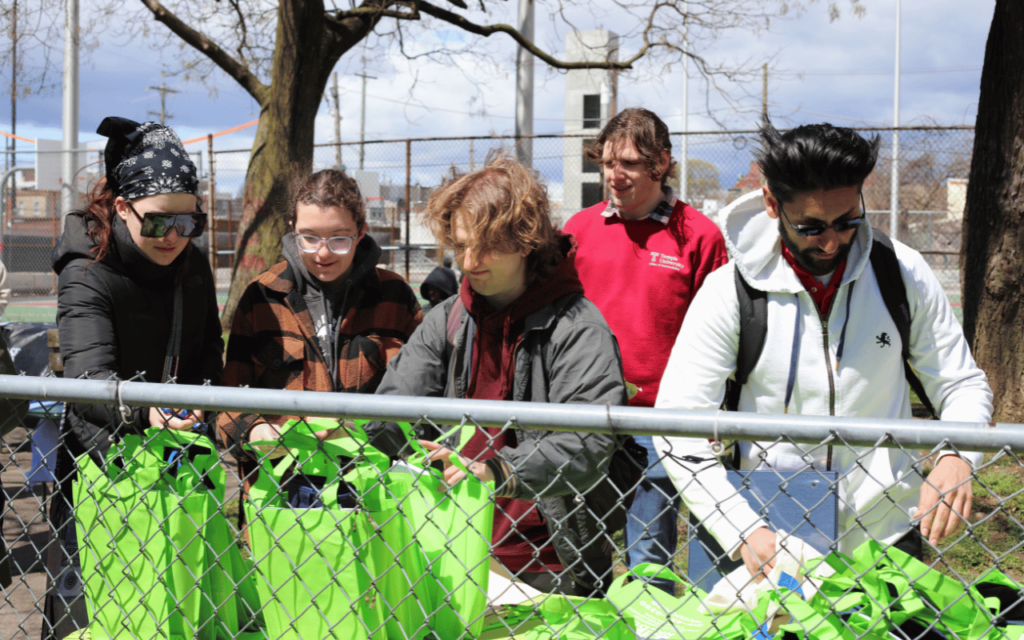
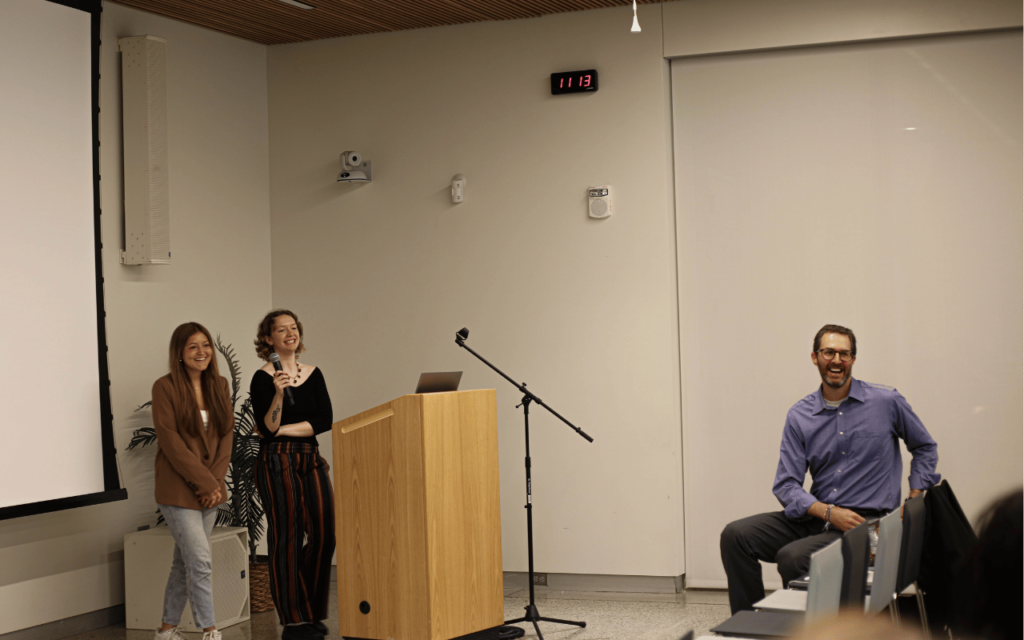
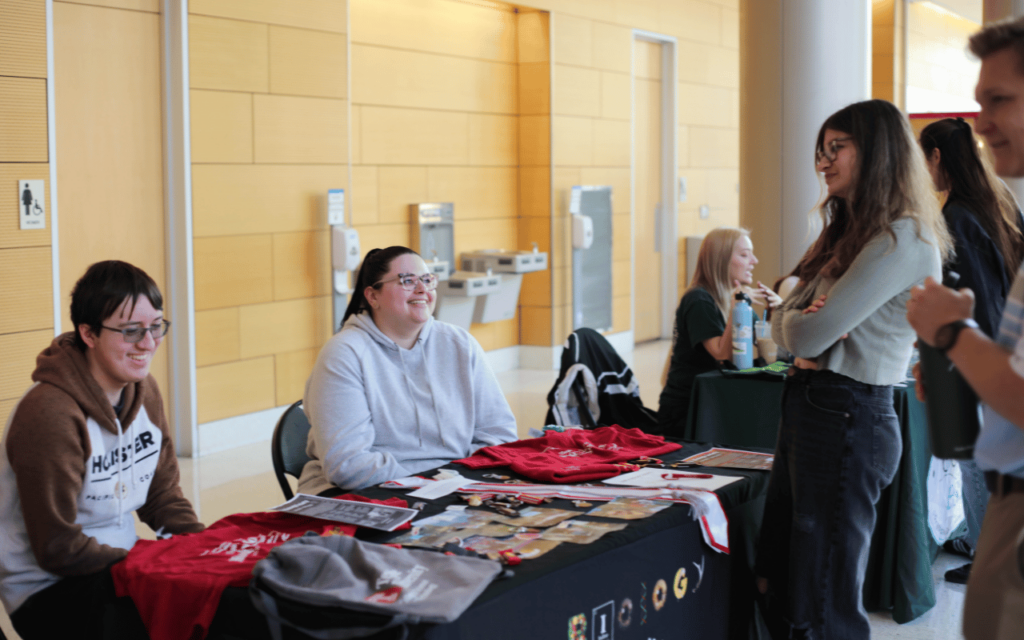
Students used tools and insights from Temple faculty and science communication professionals to practice honing their research pitches to appeal to diverse audiences during our Climate Communications Workshop.EcoLeads collaborated with the College of Public Health and New Kensington Community Development Corporation for a block clean-up and community health fair where they distributed environmental health resources. We hosted several feedback sessions where students and Temple community members shared their thoughts and ideas on our new 2024 Sustainability Action Plan.Russ Zerbo, advocate with Clean Air Council, and Chitra Kumar, Managing Director of the Climate and Energy Program from the Union of Concerned Scientists, joined us to discuss pathways to climate justice on local and federal levels. We collaborated with Ambler Campus to foster combined human and environmental wellbeing through hosting Climate Cafes at their Arbor Day celebration. Student leaders joined Temple Staff and higher education leaders from around the region to discuss pathways for decarbonization at Temple and beyond.Green Grant award winners TU SEEDS and Bio Society collaborated with us to host an Earth Day Expo that connected students with involvement opportunities at environmentally focused organizations and initiatives at Temple and Beyond.Several Temple Alumni pursuing careers in sustainability joined us for a panel and networking reception where students explored how they can pursue positive environmental change in their professional life.
Inspired to get involved? It’s never too late!
Even though the semester is coming to a close, there’s still lots of ways to become a part of our growing climate action coalition:
Subscribe to our newsletter to so you never miss the chance to get join in on upcoming events and opportunities.