Rebecca (Becki) Beadling, PhD – Assistant Professor, Earth and Environmental Science Department
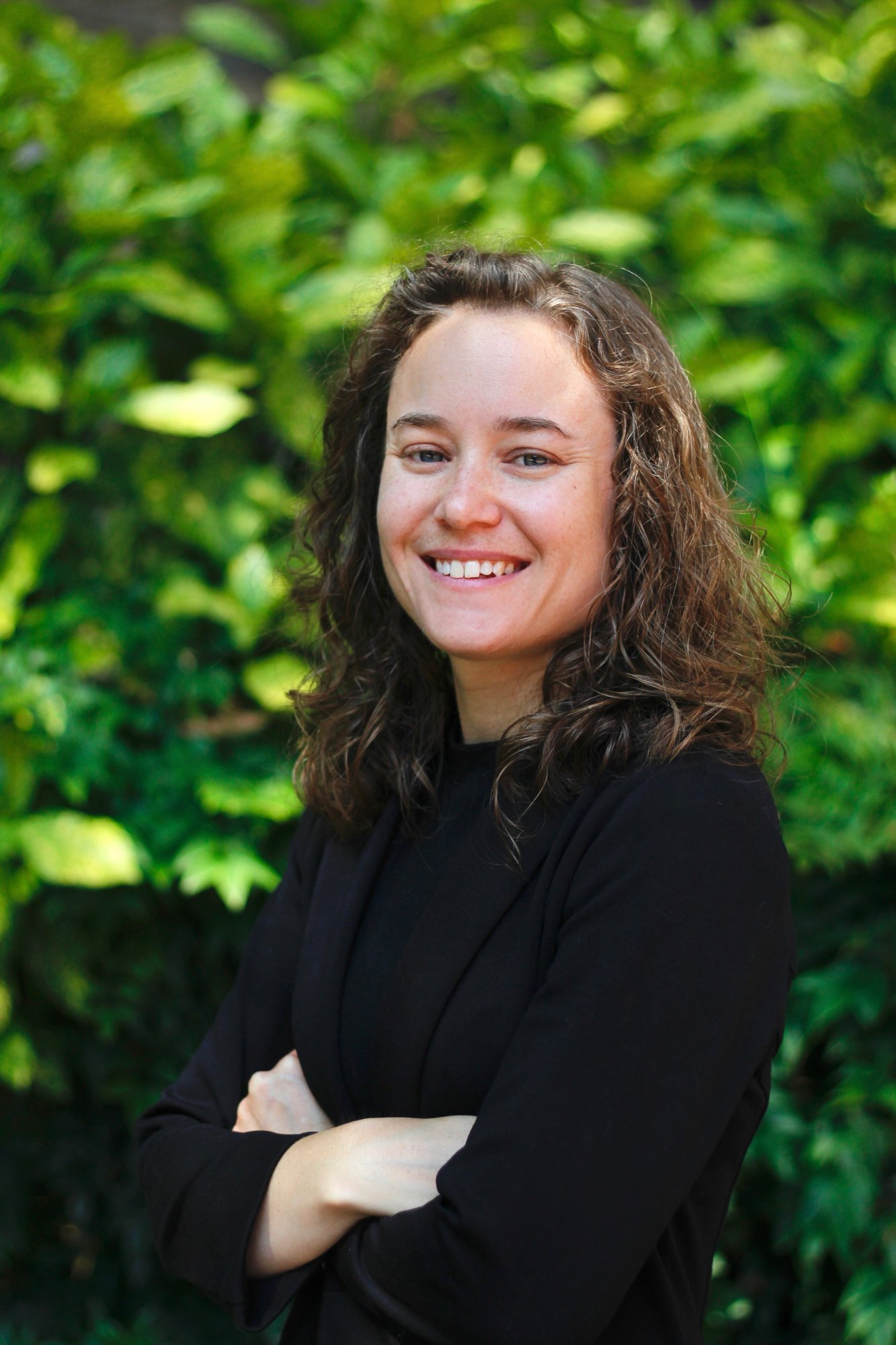
Dr. Beadling is an Assistant Professor at Temple University (Go Owls!) in the Department of Earth and Environmental Sciences. She uses observations and climate model simulations to understand the ocean’s role in the climate system. Given its role in the carbon and heat budget of our planet, understanding the ocean and how it will evolve will help reduce uncertainty in climate change projections. Her research particularly focuses on ocean circulation and physical and biogeochemical processes within the Southern Ocean, their projected changes under continued warming, and the role these remote processes play in the global climate. Dr. Beadling also has a strong interest in building process-oriented diagnostics to investigate biases in ocean properties and circulation in coupled climate models. She is a member of NOAA’s Model Diagnostic Task Force (NOAA-MDTF) and the World Climate Research Programme’s (WCRP) Coupled Model Intercomparison Project’s (CMIP) Model Benchmarking Task Team (MBTT) (https://wcrp-cmip.org/cmip7-task-teams/model-benchmarking/).
She is a past NOAA Climate and Global Change postdoctoral fellow and maintains strong collaborations with NOAA’s Geophysical Fluid Dynamics Laboratory where she contributes to the development of GFDL’s coupled model hierarchies including high resolution fully coupled climate simulations. Beadling additionally serves as a Lead Author for the IPCC Seventh Assessment Report (AR7) Chapter 6: Global Projections Across Timescales, contributing to the international effort to synthesize climate science for policymakers.
Dr. Zack Kaufman, Postdoctoral Research Scientist
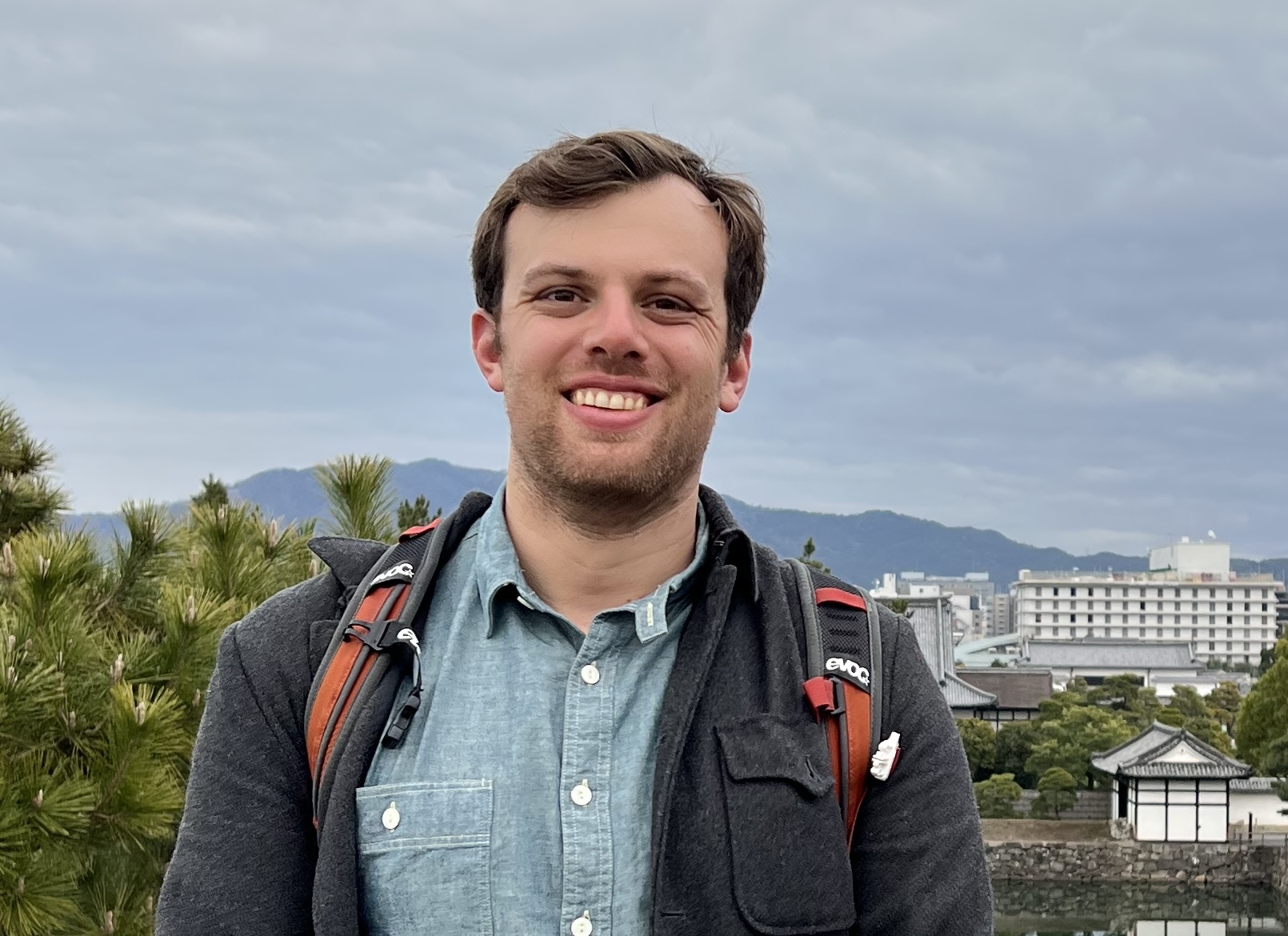
The central goal of Zack’s research is to understand the causes and consequences of polar climate change. His work characterizes ocean-ice sheet interactions, ventilation of the deep ocean, and coupled atmosphere-ocean variability, among other phenomena. Zack studies these physical processes with output from large-scale Earth system models, including output from the Coupled Model Intercomparison Project (CMIP), as well as with global observational datasets for the ocean and atmosphere. A common theme across Zack’s work is the use of data-driven techniques to reconcile discrepancies between models and observations, identifying key areas for improving future generations of climate models.
Zack’s current work centers on using high resolution ocean state estimates and climate model output to understand processes controlling the heat budget of the Antarctic margin and how ocean-ice feedbacks impact ocean circulation and regional meltrates.
Zack is also a Chapter Scientist and Contributing Author for the IPCC Seventh Assessment Report (AR7) Chapter 6: Global Projections Across Timescales. If you see an ocean figure in Chapter 6, it’s from Zack!
James Milward, Ph.D. Candidate, Earth and Environmental Science Department
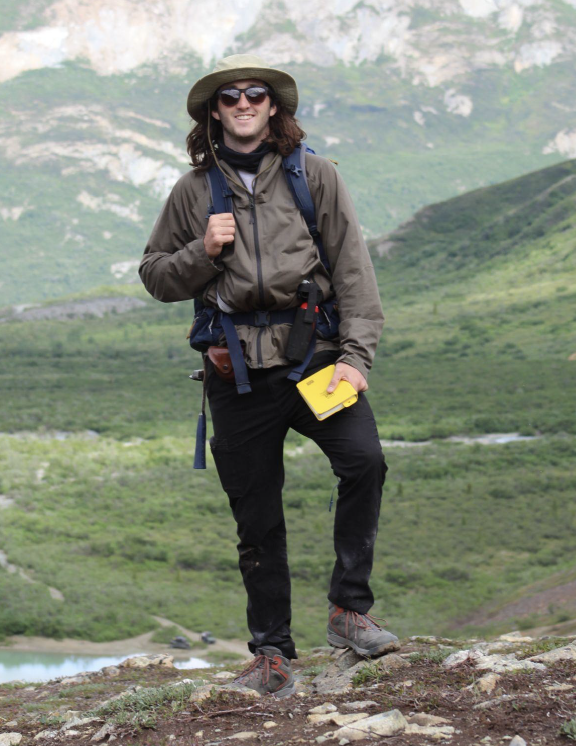
James graduated from Rowan University with a B.S. in Geology with a concentration in Global Climate Change and a minor in GIS. His undergraduate research aimed to identify links between phases of the El-Niño Southern Oscillation and local sea level rise patterns along the coast of New Jersey and New York. During this time, James developed a passion for studying how the ocean and coasts will evolve in a warming world. In the OCC Lab, James is studying the impacts that changes in ocean circulation patterns in the Southern Ocean may have on density driven sea level rise. In his free time, James loves to stay active by bouldering, surfing, disc golfing, or picking up new hobbies.
Kirstin Petzer, M.S. Student, Earth and Environmental Science Department
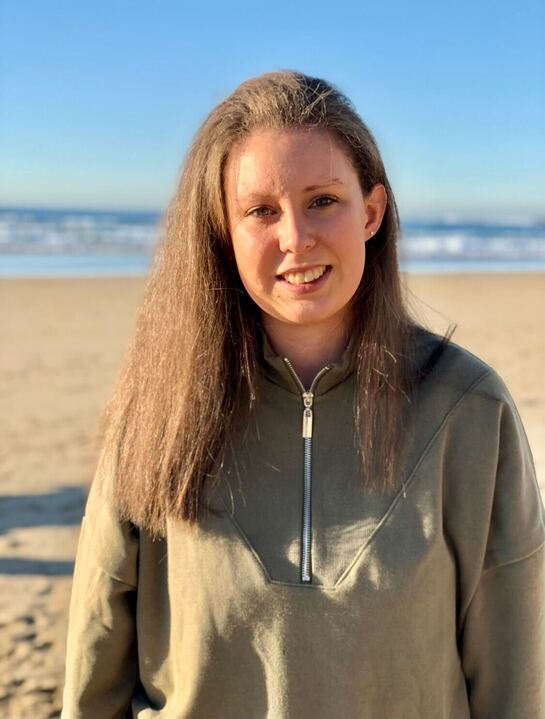
Kirstin Petzer is a graduate student at Temple University. Growing up along the east coast of South Africa she grew to understand the importance of the link between society and the ocean. She received her master’s degree in physical oceanography from the University of Cape Town. The focus of her study was on characterizing marine heatwaves and analyzing the physical oceanography leading to and ending the events in the Southern Benguela Upwelling System. Now, Kirstin is researching the Antarctic Slope Current in the Southern Ocean and it’s variability in both space and time. Her research utilizes output from novel high resolution fully coupled climate model simulations. When not thinking about the Southern Ocean, Kirstin enjoys making sketches in her artbook, diving and well… any ocean related actives.
Emma Holtzman, M.S. Student (Former Lab Manager and Educational Support Specialist)
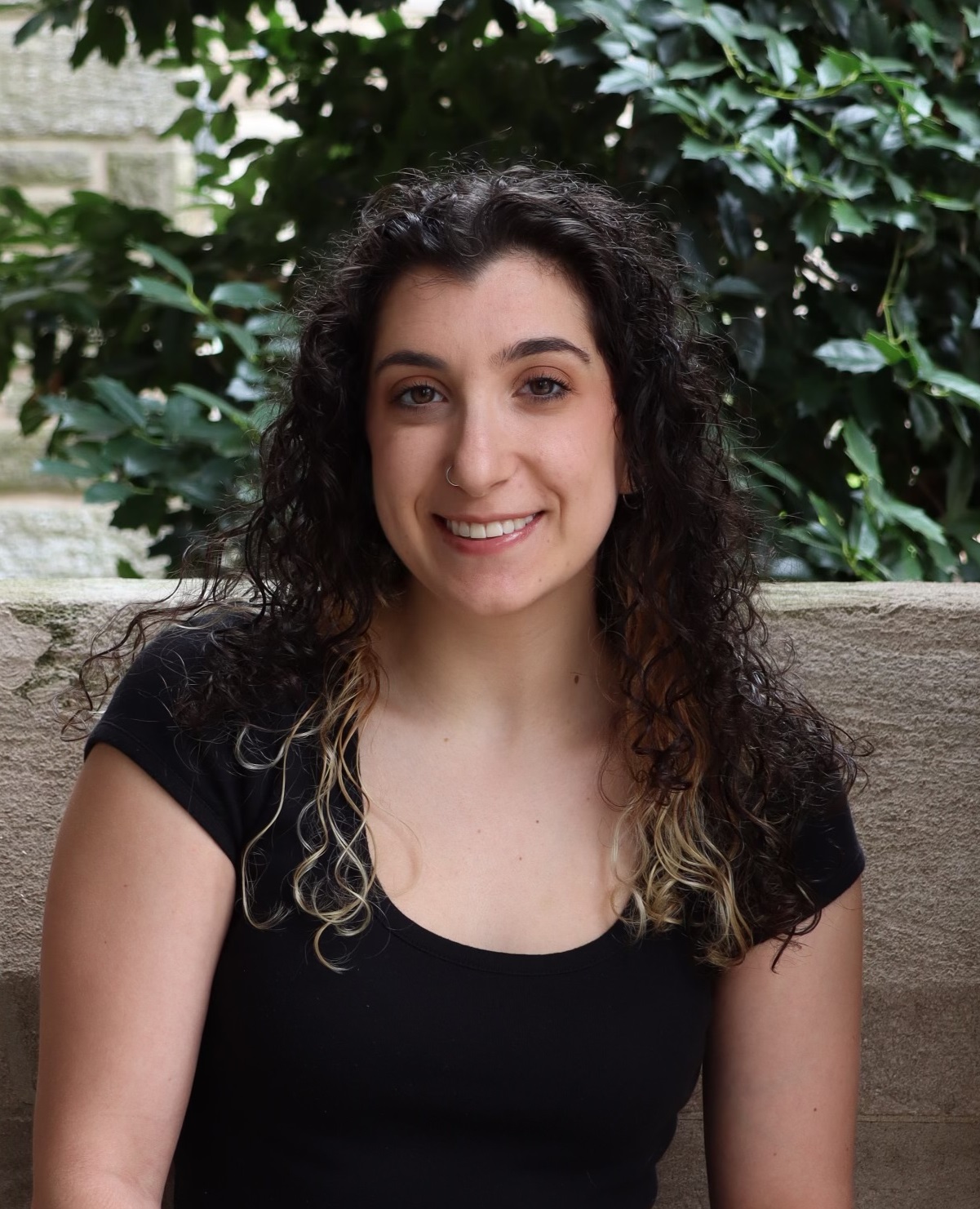
Emma Holtzman is an Temple Alumni who graduated from the Earth and Environmental Science (EES) Department in 2024 with a B.S. in Environmental Science with a concentration in Climate. In the OCC group, Emma’s work aims to improve our understanding of the representation of the Antarctic Circumpolar Current (ACC) in climate models which have contributed to the Coupled Model Intercomparison Project (CMIP). Her work is leading to an improved process-level understanding of climate model biases and will ultimately contribute to a package for NOAA’s Model Diagnostic Task Force (NOAA-MDTF). In her free time, Emma enjoys rock climbing, reading, and cooking vegan food.
Travis Reed, Undergraduate, Physics Department
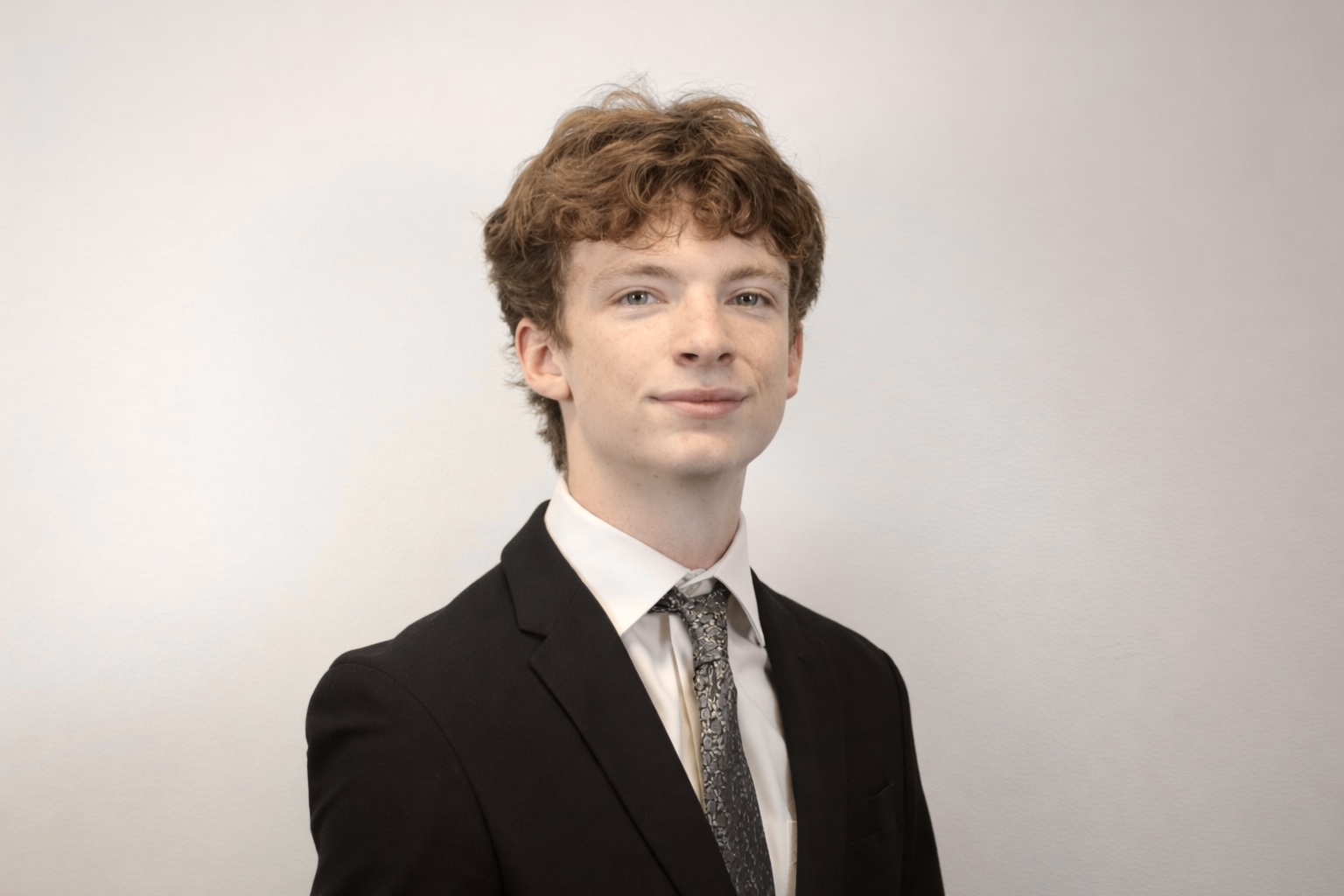
Travis is a third year undergraduate Physics major at Temple University. In the OCC group, Travis has worked with different methods of drift correction to apply across the suite of climate models which the lab group works with. He is currently leading a study which aims to improve our understanding of how ocean stratification impacts Southern Ocean sea ice processes and their projected changes into the future. He has developed methods to characterize the ocean into alpha, beta, and transition regimes, which reveal where the ocean is most sensitive to heat and freshwater fluxes. In his free time, Travis enjoys DJing, skateboarding, and photography.
Megan Siwak, Undergraduate, Earth and Environmental Science Department / Biology Department
Megan Siwak is an undergraduate Earth and Space Science Education and Biology major with a minor in Chemistry. In the OCC group, Megan is researching controls of biogeochemical properties in the Antarctic Margins and contributing to the development of educational material for teaching oceanography at the high school and introductory undergraduate level. In their free time, Megan enjoys playing the flute and photographing wildlife
OCC Alumni
Tyler Wassel, Undergraduate, Earth and Environmental Science Department
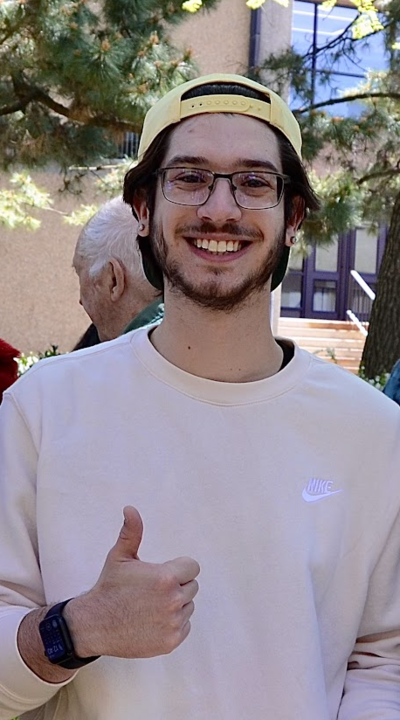
Tyler graduated in 2025 with a B.S. in Environmental Science with a concentration in Climate. In the OCC Lab, Tyler researched how well climate models simulate the surface climate over the Antarctic Continent. For this work, he compared the results of climate model simulations to observations and atmospheric reanalysis products to assess temperature, wind speed, and precipitation. In his free time, Tyler enjoys playing guitar, watching movies, and has a love for coral reefs and the aquarium hobby.
Grace Woolslayer, Undergraduate, Earth and Environmental Science Department
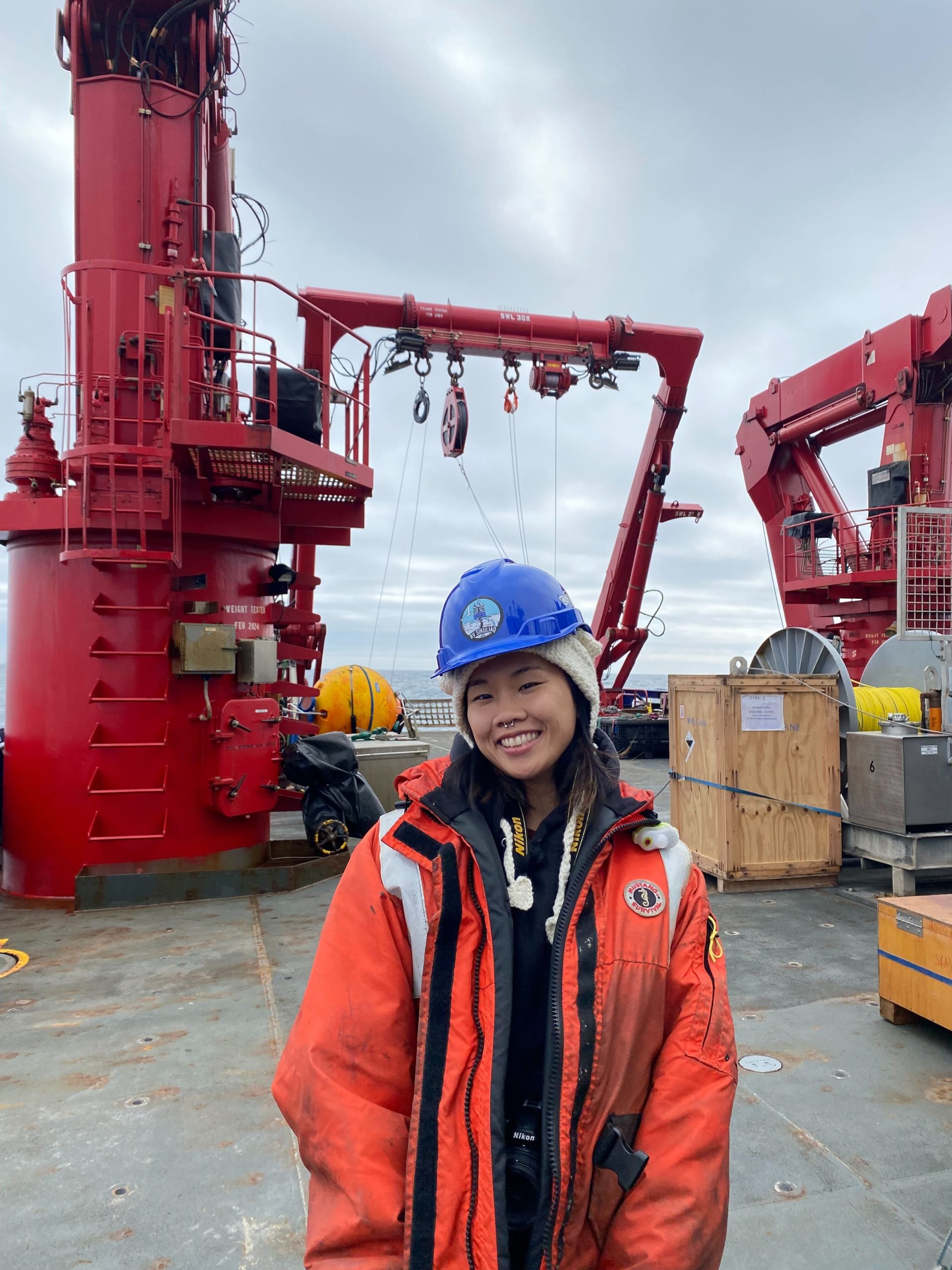
Grace graduated in 2025 with a B.S. in Environmental Science with a concentration in Climate. In the OCC lab, Grace carried out research to help to develop an understanding of how surface winds in Antarctica are expected to change in the future in addition to assessing how well they are represented by various climate models. In her free time, Grace enjoys skateboarding, scrapbooking, sewing, and thrifting.
Will Ellinger, Earth and Environmental Science Department
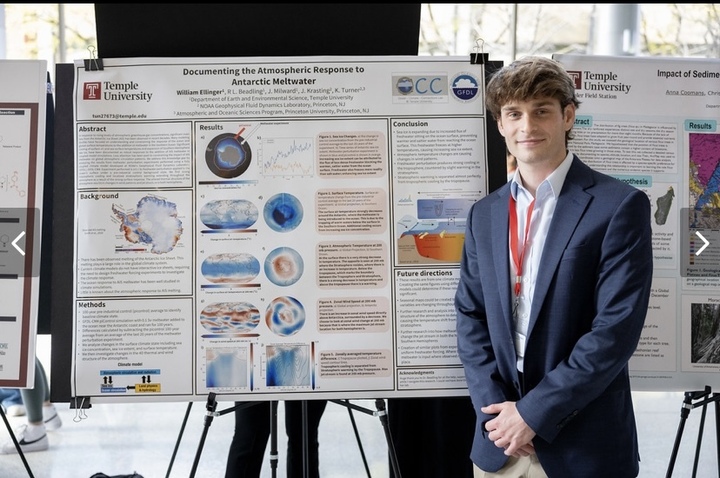
Will graduated in 2024 with a B.S. in Environmental Science with a concentration in Climate. In the OCC Lab, Will researched how meltwater from the Antarctic Ice Sheet impacts regional and global atmospheric circulation patterns. To address this question, Will analyzed results from climate model simulations where additional meltwater is added to the surface of the Southern Ocean in regions of observed ice shelf thinning. In his free time, Will enjoys hiking, reading, and exercising.
Hunter Barbieri, Earth and Environmental Science Department

Hunter graduated in 2024 with a B.S. in Environmental Science with a concentration in Climate. In the OCC group, Hunter learned about the role of Katabatic winds over the Antarctic continent and their influence on regional ocean-sea ice processes. His work also addressed how Katabatic winds are represented in climate models. Hunter enjoys hunting, snowboarding, watching Philly sports (go birds), and spending time at the beach.
Anna Coomans, Undergraduate, Earth and Environmental Science Department
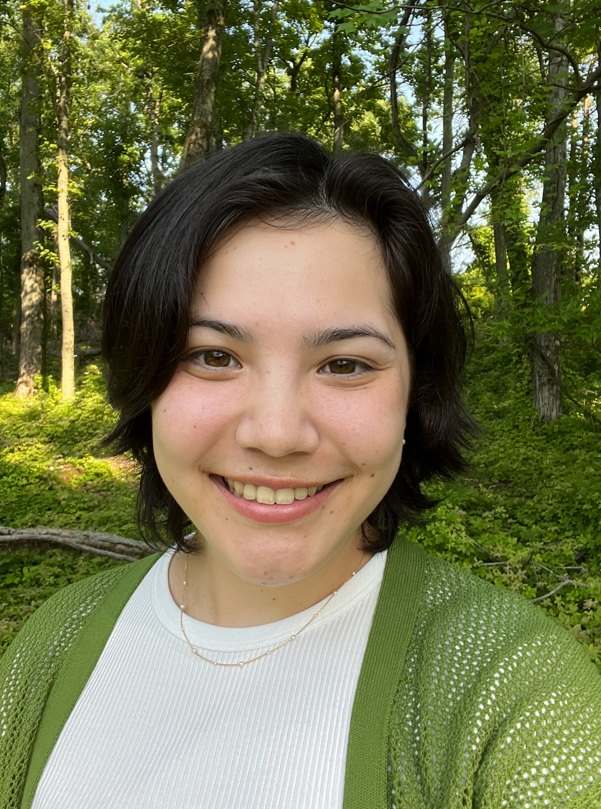
Anna graduated in 2024 with a B.S. in Environmental Science with a concentration in Climate. In the OCC group, Anna learned about the role of katabatic winds and how the El Niño-Southern Oscillation (ENSO) influences high and low-pressure gradients off the coast of Antarctica. In her free time she enjoys playing board games with friends, drawing, and the outdoors