See highlights from an exciting Earth Month spent forging connections between students, staff, alumni and community members to collectively envision and pursue pathways towards a more sustainable future at Temple and beyond.
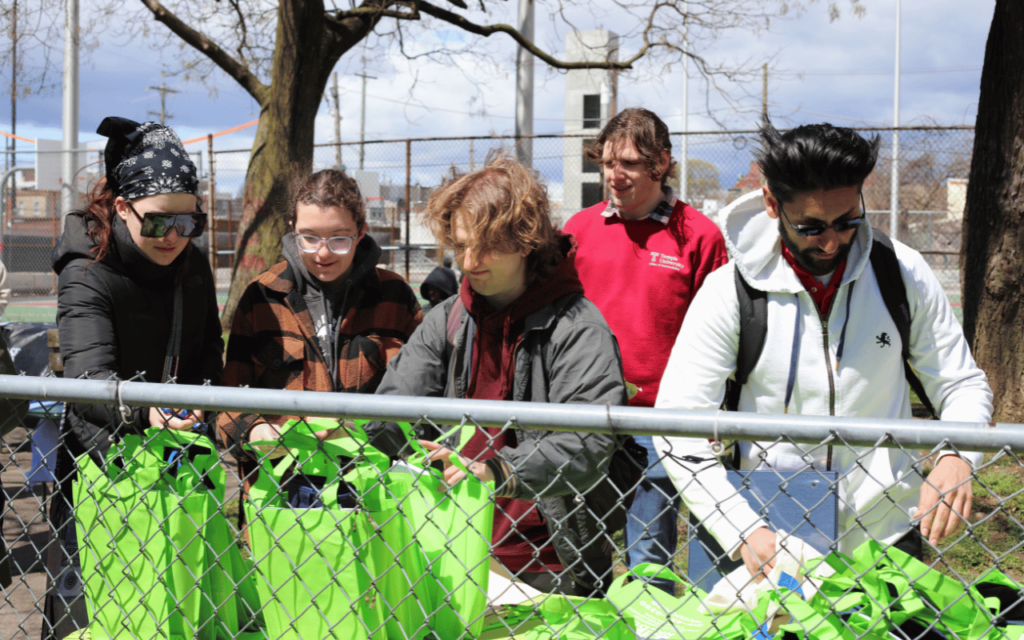
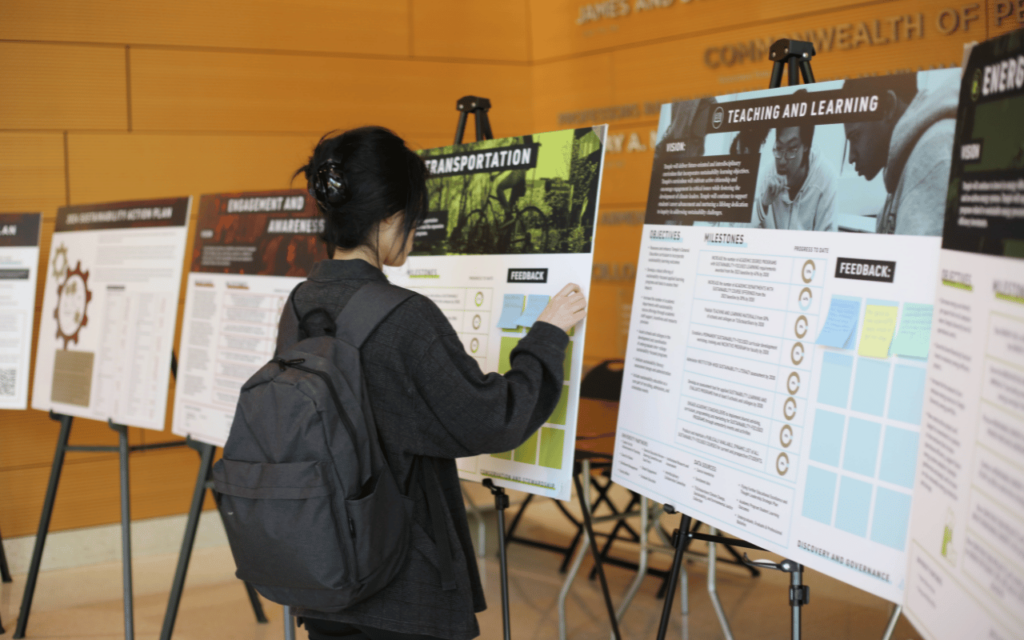
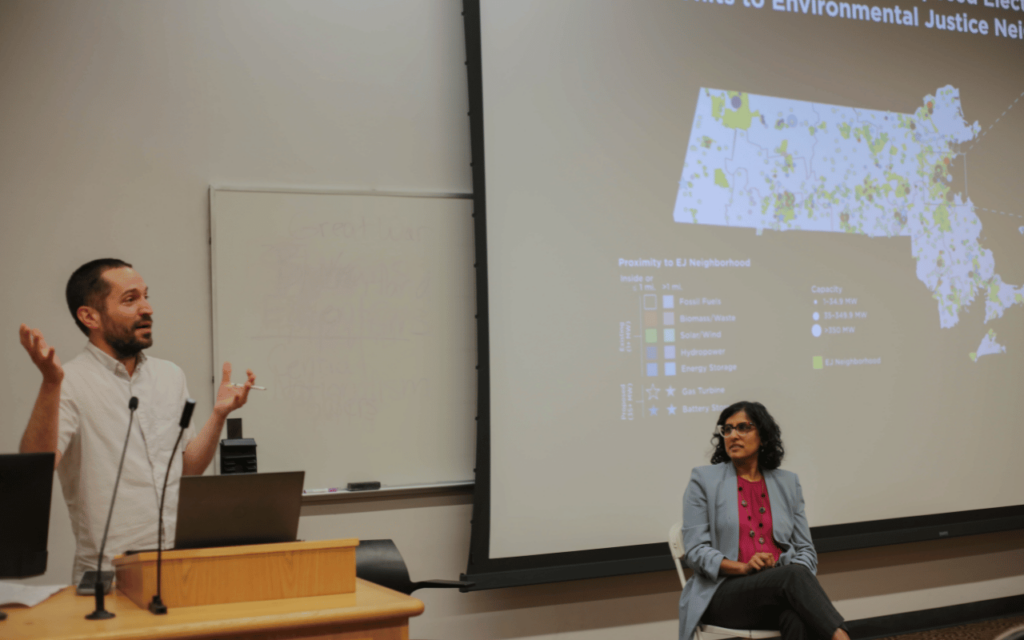
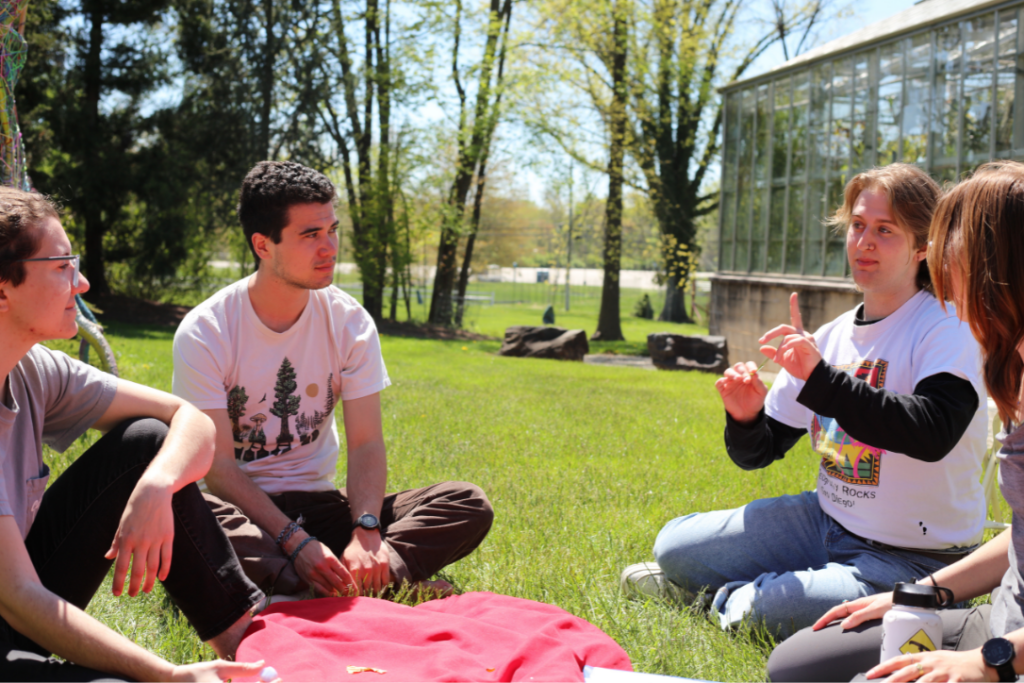
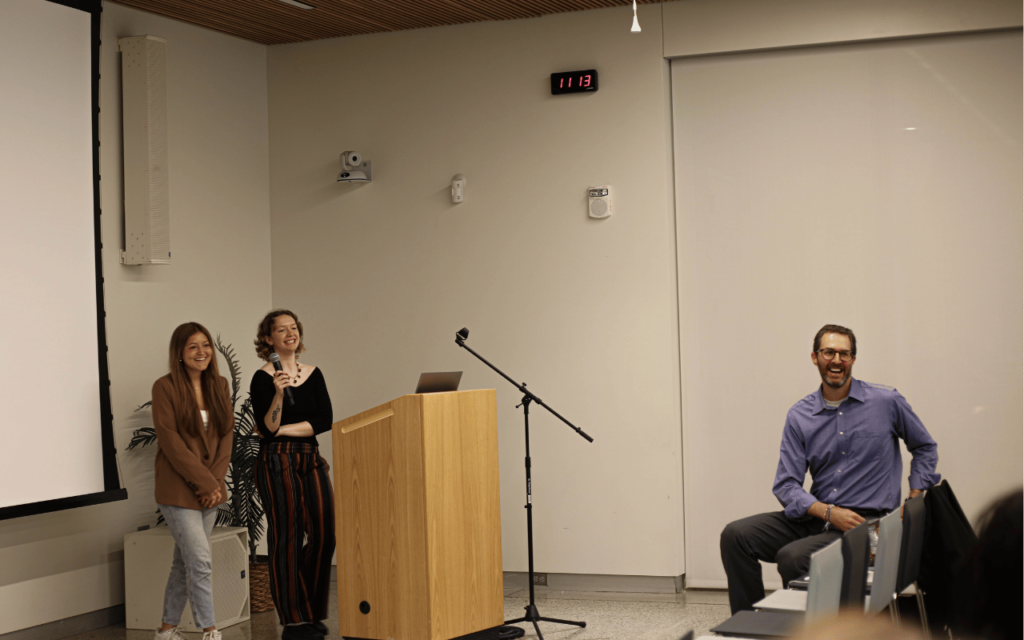
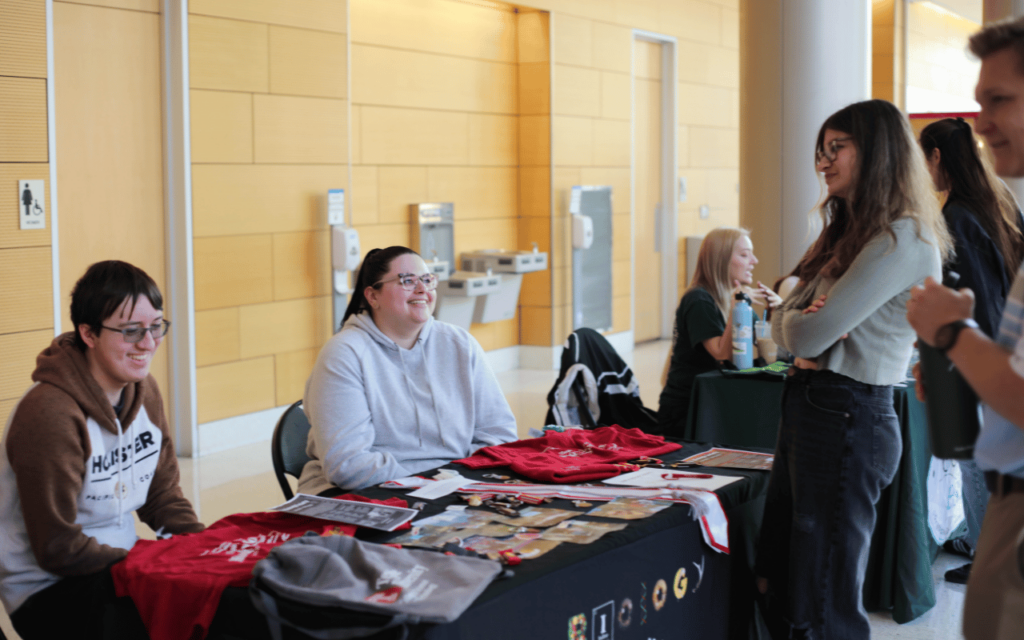
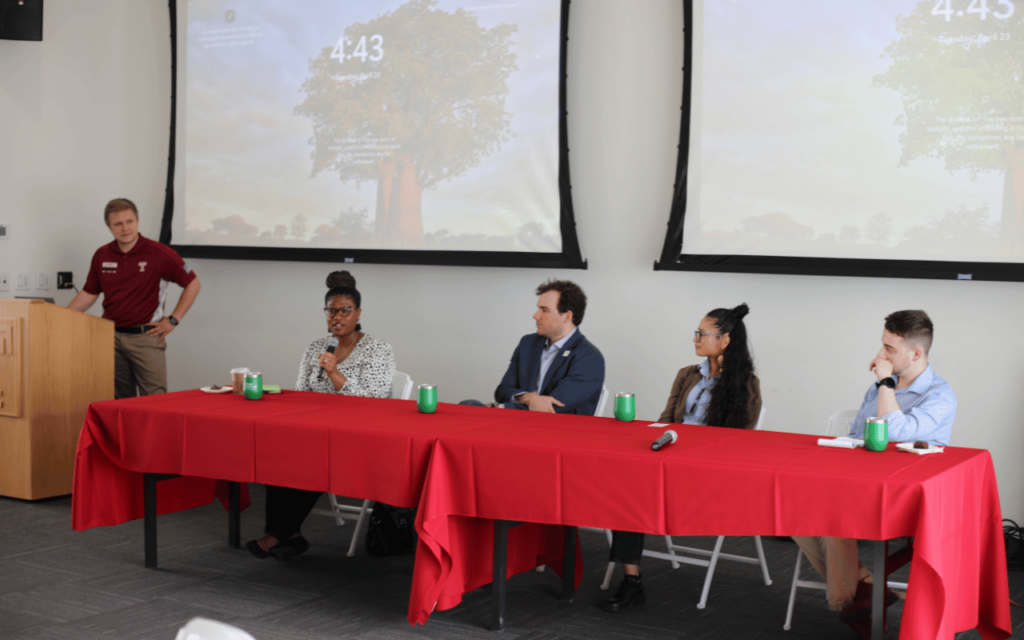
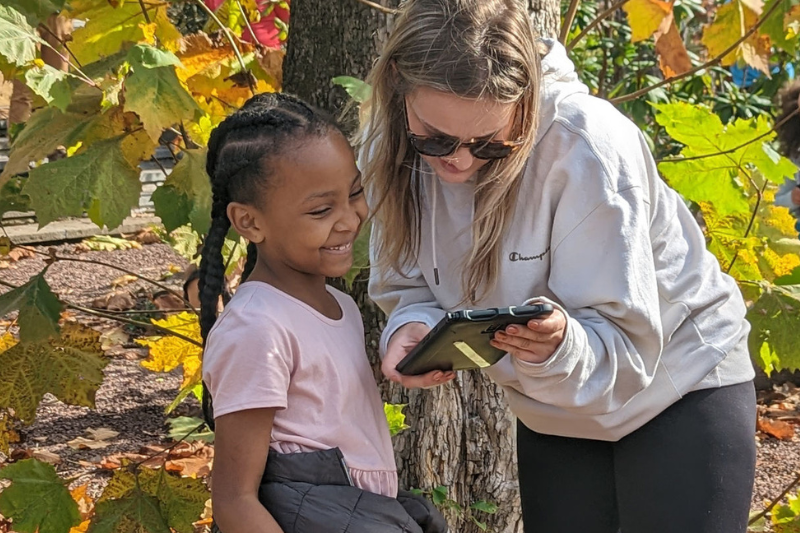
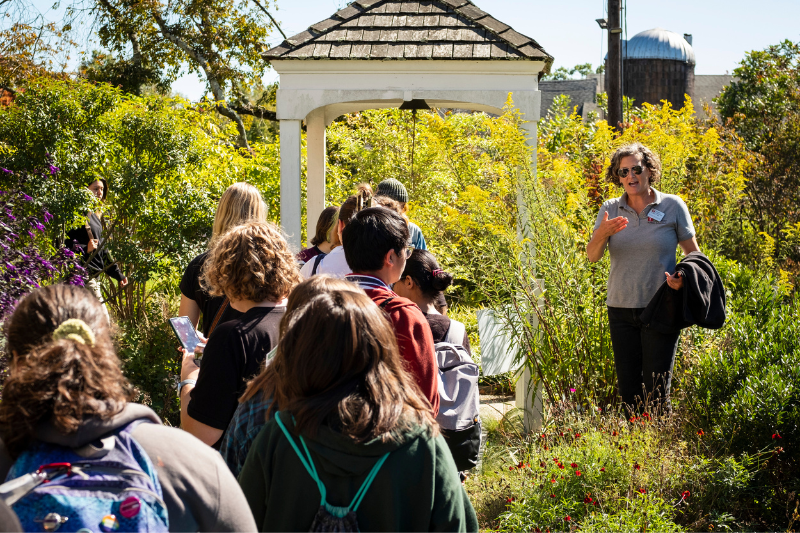
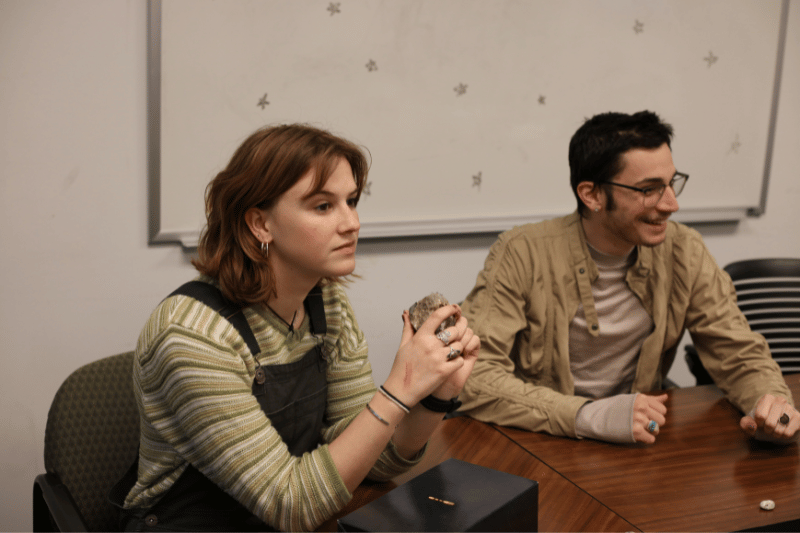
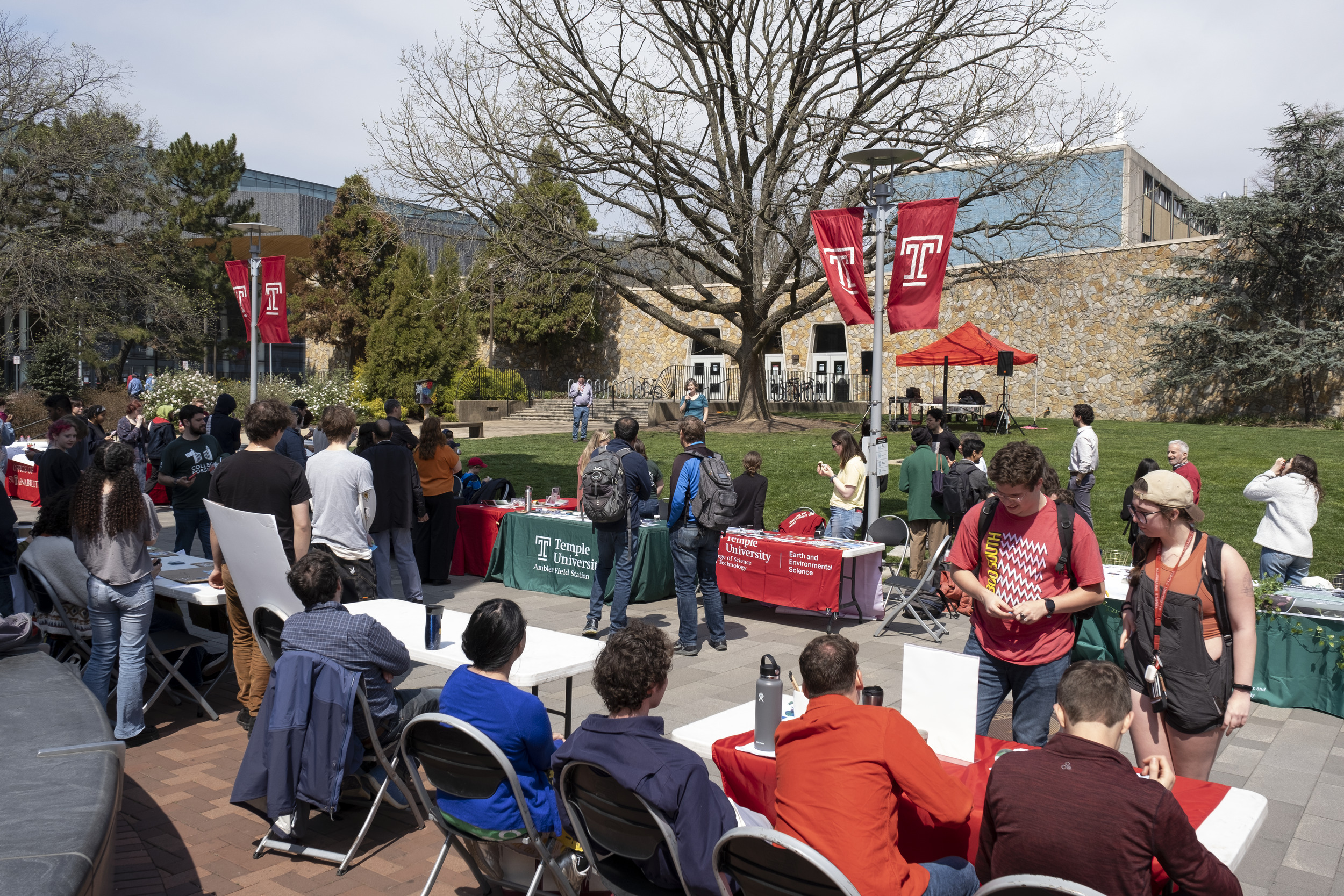
Students used tools and insights from Temple faculty and science communication professionals to practice honing their research pitches to appeal to diverse audiences during our Climate Communications Workshop.EcoLeads collaborated with the College of Public Health and New Kensington Community Development Corporation for a block clean-up and community health fair where they distributed environmental health resources. We hosted several feedback sessions where students and Temple community members shared their thoughts and ideas on our new 2024 Sustainability Action Plan.Russ Zerbo, advocate with Clean Air Council, and Chitra Kumar, Managing Director of the Climate and Energy Program from the Union of Concerned Scientists, joined us to discuss pathways to climate justice on local and federal levels. We collaborated with Ambler Campus to foster combined human and environmental wellbeing through hosting Climate Cafes at their Arbor Day celebration. Student leaders joined Temple Staff and higher education leaders from around the region to discuss pathways for decarbonization at Temple and beyond.Green Grant award winners TU SEEDS and Bio Society collaborated with us to host an Earth Day Expo that connected students with involvement opportunities at environmentally focused organizations and initiatives at Temple and Beyond.Several Temple Alumni pursuing careers in sustainability joined us for a panel and networking reception where students explored how they can pursue positive environmental change in their professional life.
Inspired to get involved? It’s never too late!
Even though the semester is coming to a close, there’s still lots of ways to become a part of our growing climate action coalition:
Subscribe to our newsletter to so you never miss the chance to get join in on upcoming events and opportunities.
Let’s face it, while many of us are very aware of the immense threat posed by climate change, for some, it can feel like this distant, poorly defined phenomenon without clear connections to everyday life. Scientists can point to lower artic sea ice coverage or increases in atmospheric CO2 concentrations, but without making these findings accessible and connecting them back to the issues people face every day, it’s hard to mobilize them to act. That’s exactly why, this past Monday, we teamed up with Temple Libraries to host a Climate Communications Workshop that helped students, researchers, and faculty alike explore strategies to maximize their research’s impact.
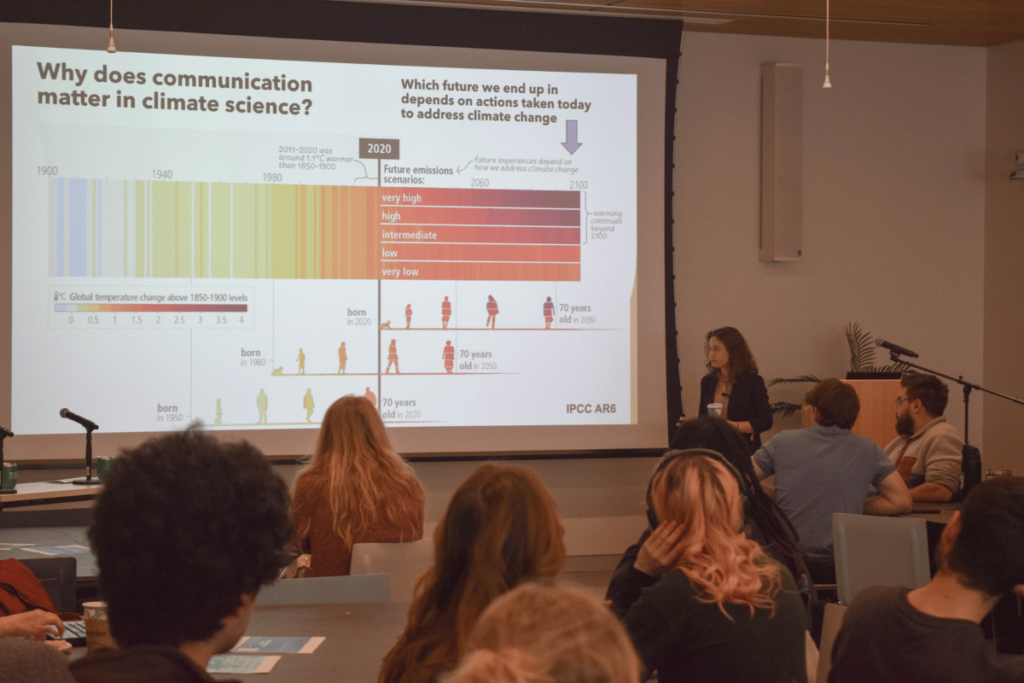
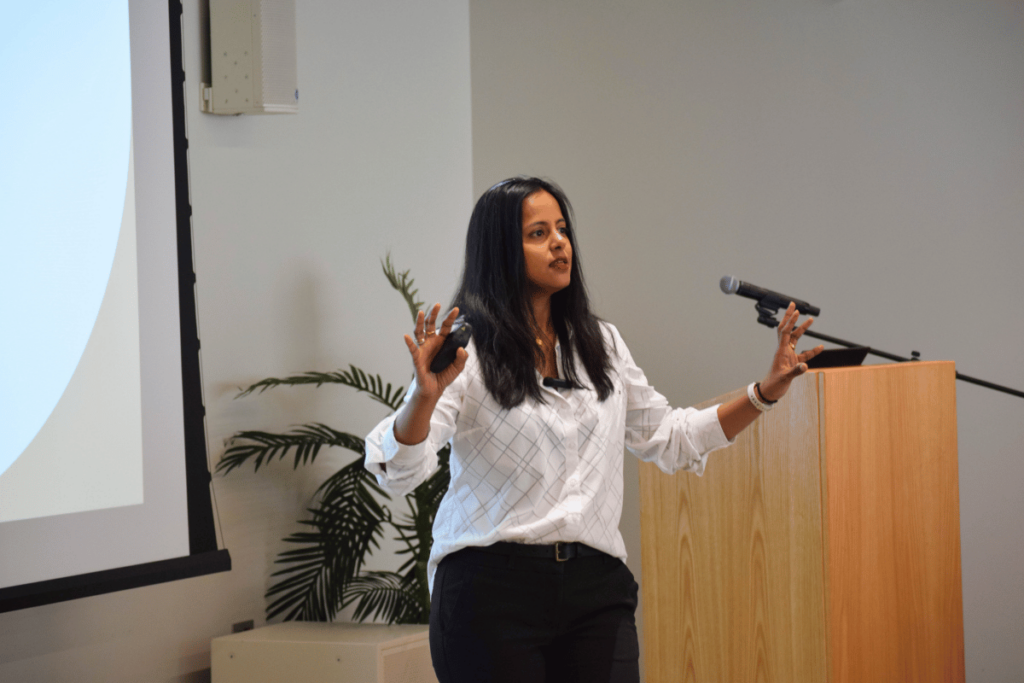
Dr. Beadling provides an example of how to convey the urgency of climate change by connecting predicted future temperature changes to real human lifespans.
The room was lively- bringing students and faculty from a wide range of disciplines together – eager to share ideas and learn from our guest speakers. Temple professor Dr. Becki Beadling (Department of Earth and Environmental Science) kicked us off – drawing on her experiences communicating her research on the ocean’s role in climate change to highlight four key ways scholars can use their findings to encourage action by establishing trust, informing and educating, conveying urgency, and providing actionable steps.
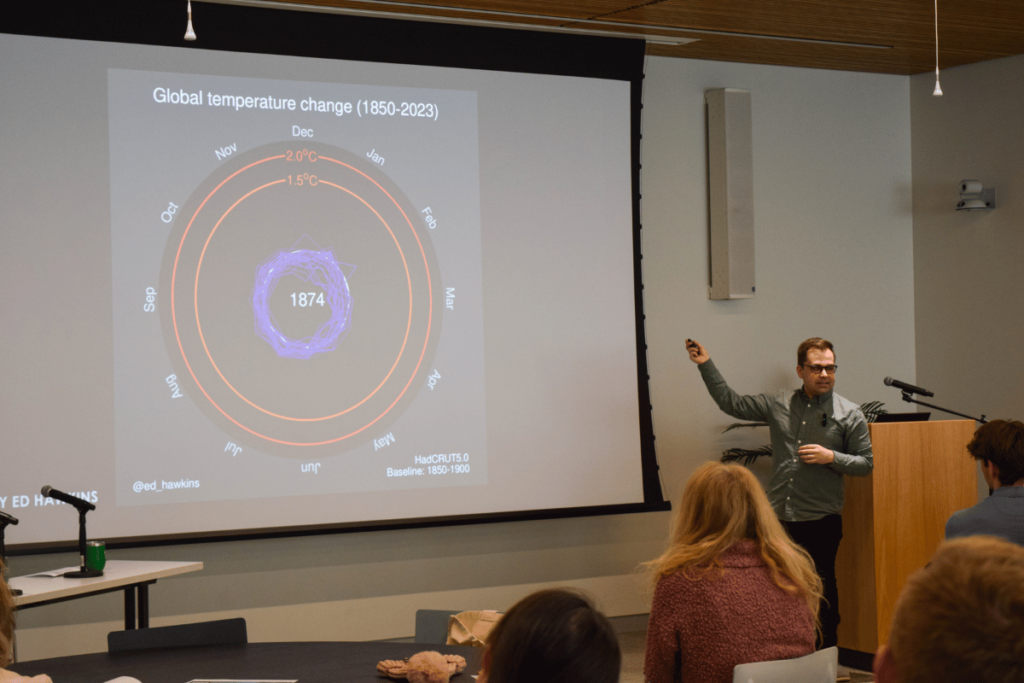
Dr. Zachary M. Labe shares an example of a compelling climate data graphic from fellow researcher Ed Hawkins. To see more examples of Dr. Labe’s data visualizations, follow him on X.
These science communications goals are a great place to start, but what do they look like in practice? We were lucky to welcome NOAA Geophysical Fluid Dynamics Lab Post-doctoral researcher Zachary Labe as a keynote speaker to demonstrate how he uses clear graphics to turn data on arctic temperature change into compelling stories. One key element of his approach is to leverage social media to compete with the speed of media coverage by providing daily, accurate, and legible climate data to a diverse audience. These stories resonate on a personal level and represent the importance of bringing people into the science journey.
“To me, it’s all about telling stories.”
Dr. Zachary M. Labe
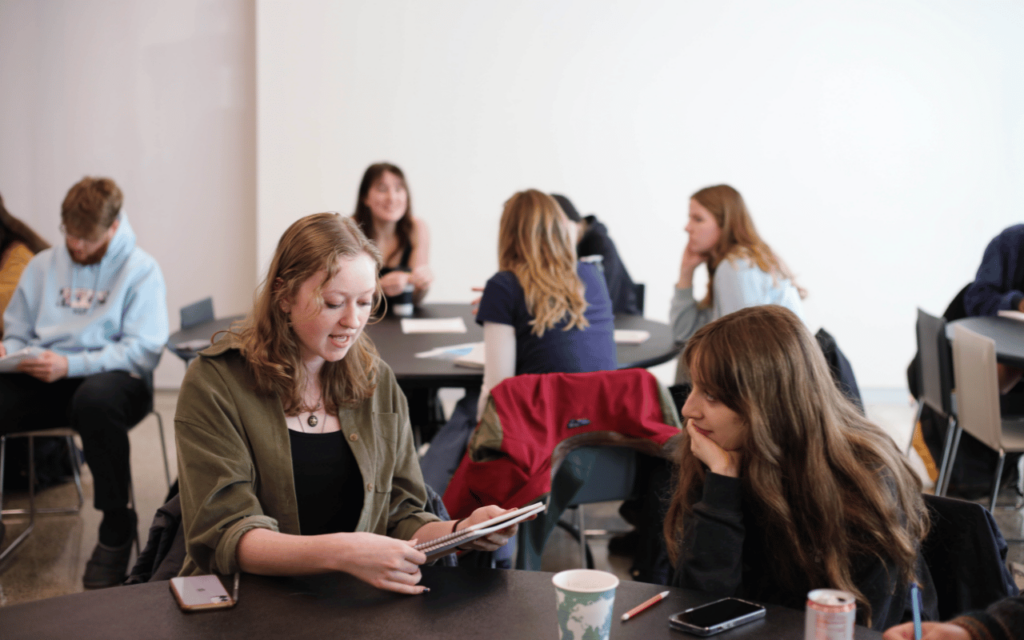
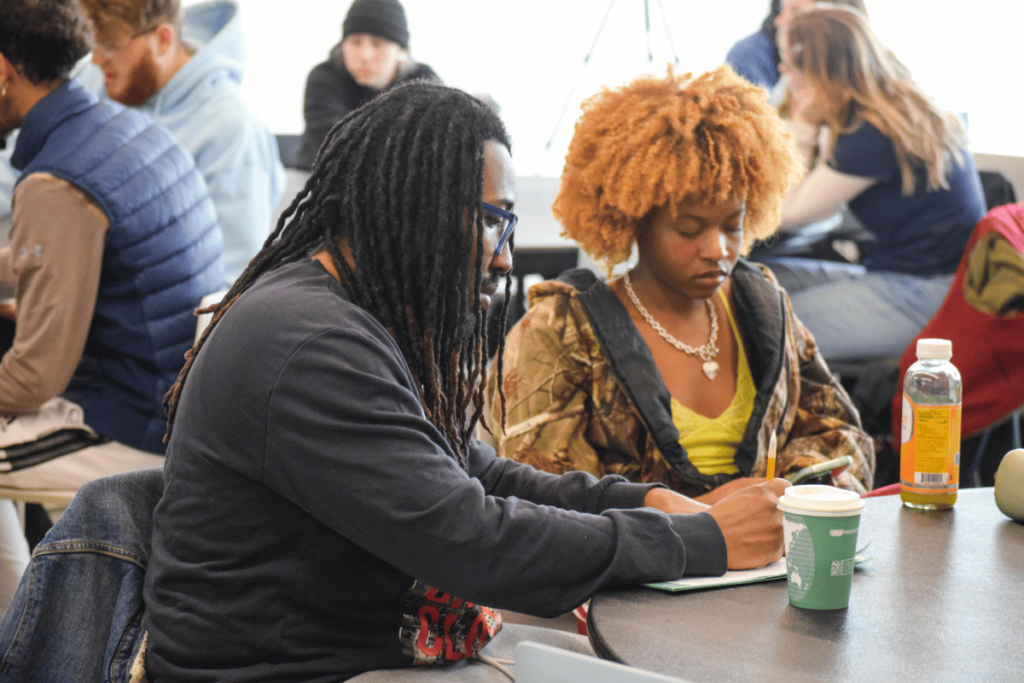
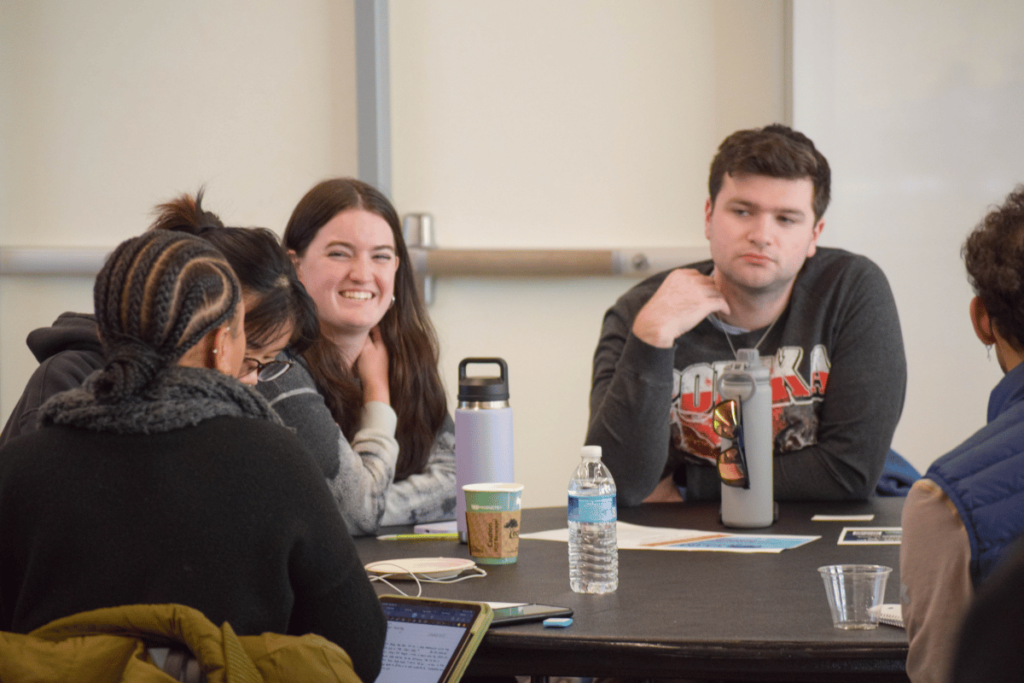
During the first workshop exercise participants got the chance to draft and practice “elevator pitches” for their research. They teamed up with their fellow climate scholars and advocates to share what they do and why it matters. This not only helped them practice Dr. Beadling and Dr. Labe’s techniques but strengthened Temple’s climate community by facilitating collaboration and knowledge-sharing across disciplines.
Students and faculty used the techniques from Dr. Beadling and Dr. Labe to begin drafting elevator pitches for their work.
At first, participants struggled to narrow down their pitches. This led to the question: who are you trying to reach? This is where Temple professor Dr. Meghnaa Tallapragada (Department of Advertising and Public Relations) used specific examples from her research in strategic science communications to emphasize the importance of defining your audience and tailoring your approach to touch on their lived experiences. For example, you would approach an acquaintance you met a party who doesn’t believe in climate change much differently than a highschooler who is interested in studying climate science.
Dr. Tallapragada provided participants with strategies for overcoming common challenges in translating their research with key takeaways from the latest science communications research.
“You have to ground [your research] in a context that matters for people.”
Dr. Meghnaa Tallapragada
Using specific strategies from Dr. Tallapragada’s examples, workshop participants refined their pitches to target those two aforementioned groups specifically. Two strategies that participants seemed to find most helpful were connecting their research back to relevant examples from their audience’s everyday lives and ending their pitches with a call to action – emphasizing the threat of their issue but building efficacy instead of fear.
Students and faculty refined their pitches to target specific audiences based on Dr. Tallapragada’s strategies and feedback from their peers.
“Including a solution gives people hope.”
Livia Haines, Fox ’25
In the end, participants gained not only the tools to amplify the positive impact of their research but forged new connections with fellow climate scholars and advocates – providing lasting opportunities to foster climate action on campus and beyond. None of this would have been possible without the illuminating contributions from guest speakers Dr. Beadling, Dr. Labe, and Dr. Tallapragada alongside the organizational efforts of Temple Libraries Staff Nancy B. Turner and Ella Lathan and the support of Dean Joe Lucia.
“This series is a prime example of how we can further integrate Charles Library as a hub for learning, creativity, collaboration.”
Joe Lucia, Dean of Temple Libraries
A Time to Act: Responses to Climate Change within and Beyond the University
This event was the second in our ongoing series with Temple Libraries designed to foster a more sustainable and environmentally equitable university campus and community. Follow the link below to learn more about and register upcoming events in this series.
Explore how student, faculty, and community initiatives to promote combined human and environmental well-being empower Temple’s journey to a more collective, equitable, and sustainable future.
What does Environmental Wellness look like?
Promoting environmental wellness is a crucial part of the Office of Sustainability’s goal, as established in the 2019 Climate Action Plan, to create a more inclusive and permeating sustainable culture on campus. According to the Substance Abuse and Mental Health Services Administration (SAMHSA), Environmental Wellness Dimension involves being able to be safe and feel safe. This can include accessing clean air, food, and water; preserving the areas where we live, learn, and work; occupying pleasant, stimulating environments that support our well-being; and promoting learning, contemplation, and relaxation in natural places and spaces.
To pursue this goal, The Office and key partners at Temple Ambler, Student Activities, and the Wellness Resource Center have developed several student-focused programs, academic and community engagement initiatives.
The Ambler Campus provides opportunities for Temple and greater community members alike to develop a healthy relationship with nature through various educational programs and activities. The Ambler Arboretum’s membership in the Campus Nature Rx Network – a network of 70 colleges and universities dedicated to supporting campus mental and physical health through inclusive and equitable nature engagement teaching, research, and outreach – exemplifies their innovative leadership in promoting environmental wellness.
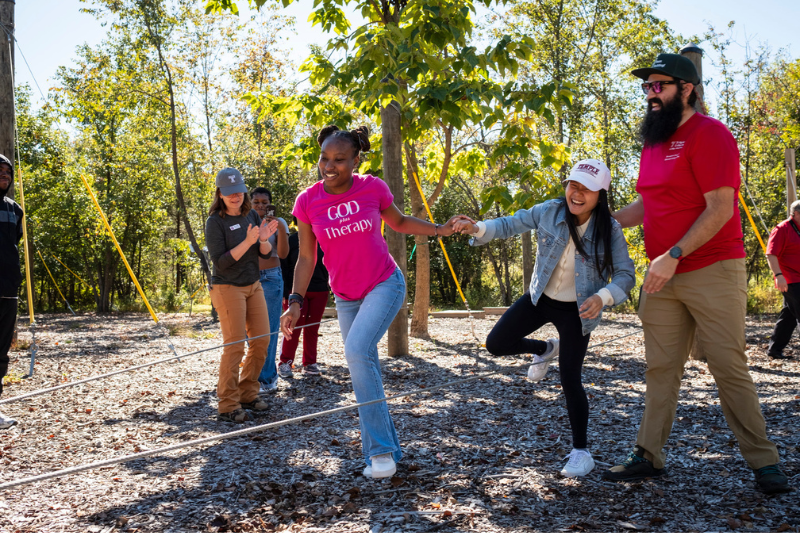
During Temple’s October 2022 Wellness Day, the Ambler Campus hosted a diverse range of programming including yoga in the gardens, guided mindfulness activities, self-guided nature scavenger hunts, a succulent planting workshop, and a facilitated experience on the challenge course to promote student wellbeing through environmental engagement.
Ambler Campus’ Recreation, Outdoor Education, and Wellness (ROW) department draws upon the growing body of research suggesting a connection between outdoor activity and increased positive mental health outcomes to provide outdoor recreation education for students and community members alike.
One such initiative is the ROW program’s collaboration with the Philadelphia Outward Bound School (POBS) to provide training opportunities for volunteer trip leaders – expanding access to outdoor leadership opportunities for Philadelphia youth.
Climate Cafes are unique therapeutic models for individuals experiencing climate grief or eco-anxiety that create an informal, open, respectful, and confidential space to safely share emotional responses and reactions to the climate emergency.
During these sessions, EcoReps from the Office of Sustainability, trained to facilitate climate cafes by the North American Climate Psychology Alliance, guided over 50 students of all different majors to come together to share intimate feelings of grief, anxiety, guilt and helplessness – enabling deep connection and dialogue amongst like-minded peer facilitators.
By sharing their diverse perspectives and approaches to interacting with climate and the environment, students created an interdisciplinary and holistic experience where peers learn from each other, coming together to work through and process shared climate grief intellectually, cognitively and emotionally.
Join the Wellness Resource Center and Student Activities on Tuesday, March 19 from 1-3 pm in the HGSC room 200 for their bi-annual Self Care Fair. Students will get the chance to find community and learn skills and strategies for a joyful life by connecting with campus resources and partaking in mindfulness activities.
Celebrate Arbor Day on April 26 at Ambler Campus alongside Temple community members and the public with a dynamic mix of interactive performances and experiential activities that promote self-care, community care, and planetary wellness like a Recreational Therapy conference, the Ambler Arboretum’s launching of an Art in Nature application, and the Ambler Research Symposium, Follow @templeambler on Instagram for updates on the event.
Explore how the collective actions of Temple students, faculty, staff, and administration continue to propel us forward toward a brighter, more sustainable future.
“As the university enters a critical time of transition and concludes the Boundless Temple campus development planning process, we are hopeful that the integration of sustainable practices and policy will continue to propel this institution forward.”
Ken Kaiser, Chief Operating Officer, and Gregory N. Mandel, Senior Vice President & Provost
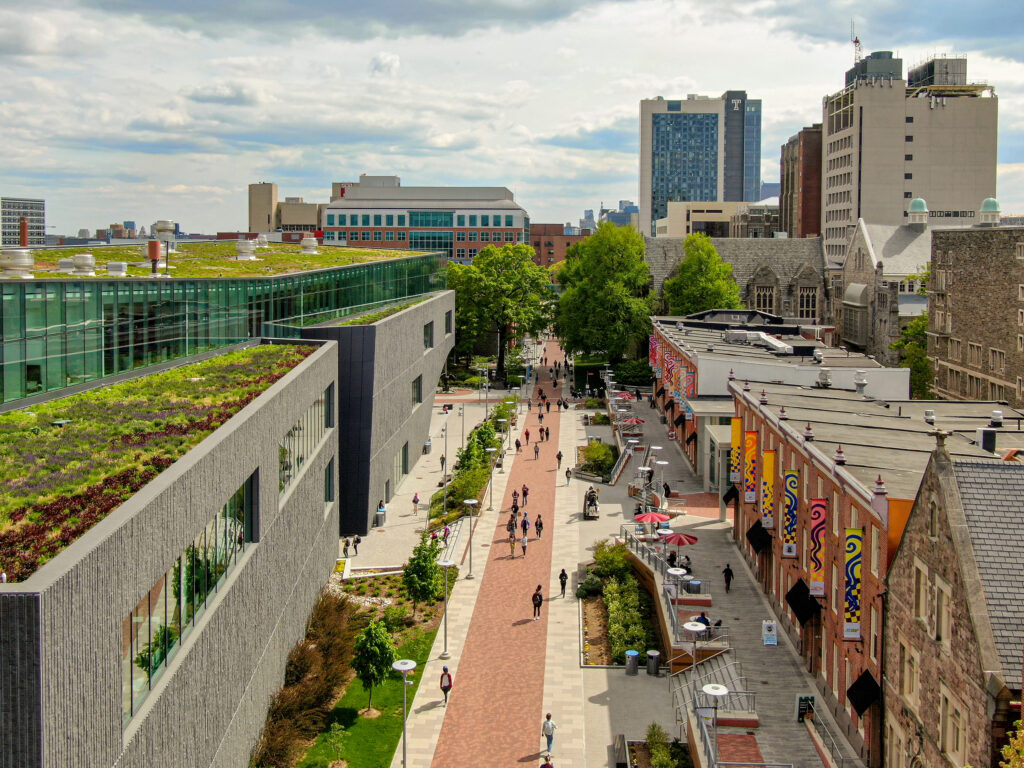
Temple’s campus development planning effort integrates Flying Further, the institutional strategic plan and the Verdant Temple landscape master plan, for a cohesive, sustainable vision of its future.
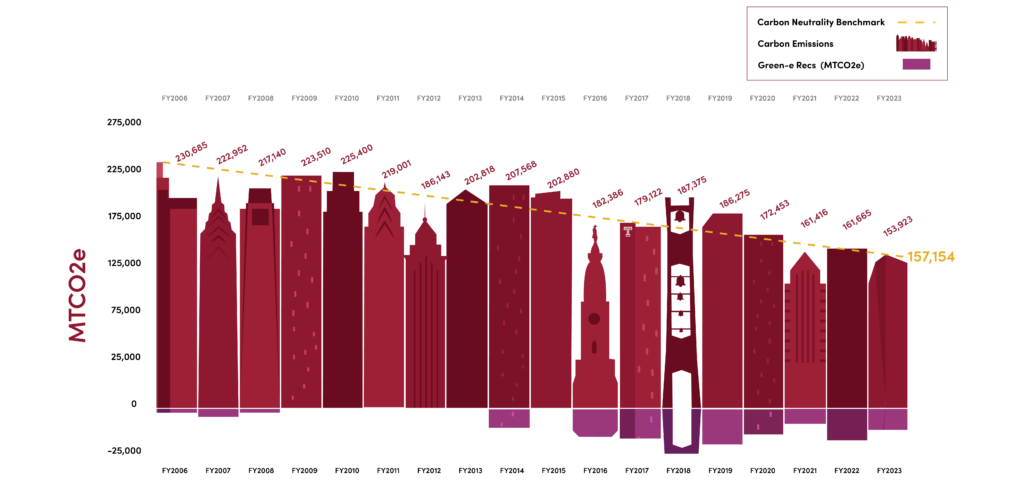
Temple is well on its way to a carbon neutral future.
Since 2006, Temple has reduced gross emissions by 33% even while increasing the physical space of the university by more than 36%. The reductions are a result of increased efficiency in operations, investments in new carbon reduction technology, renewable energy sourcing, and a culture of climate leadership.
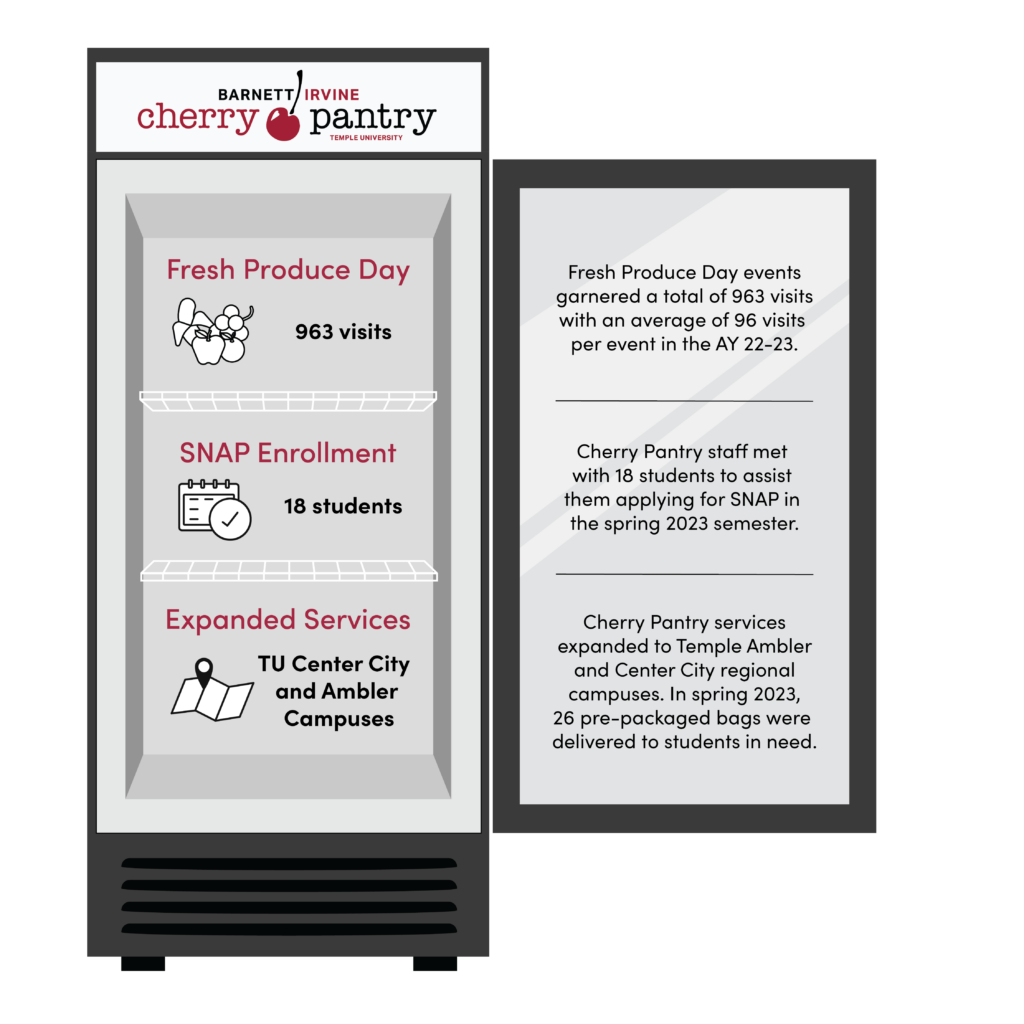
After 5 years of providing students with non-perishable food and personal hygiene items, the pantry was renamed in honor of a donation from Temple alum Christopher M Barnett and his business partner Nathan Irvine. Increasing visitorship by 73% between AY 2021 and AY 2022 and beginning to offer unlimited fresh produce in Spring 2023, The Barnett Irvine Cherry Pantry continues to grow beyond achieving Temple’s goal of addressing food insecurity on campus by 2019.
Climate in the Classroom
The Office of Sustainability supports students, faculty, researchers, and entrepreneurs in tackling today’s most pressing environmental issues by incorporating sustainability-related topics into curriculums, research, and projects. In Spring 2023, representatives from 20 of the 80 departments and programs currently offering sustainability-related courses gathered to highlight the importance of teaching and learning about the climate crisis.
Minimizing Waste: Give + Go Green and Temple Thrift Develop Circular Systems on Campus
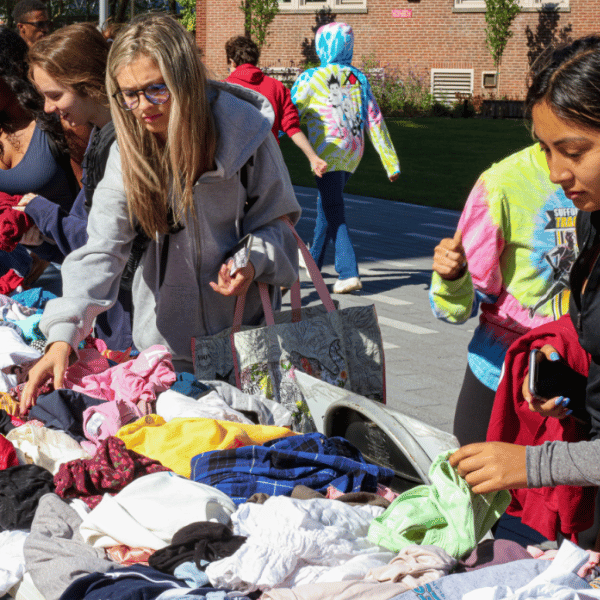
This year, Temple exceeded its waste minimization goals to achieve a 55% diversion rate and a 54% core recycling rate. These efforts are bolstered by on-campus initiatives like Give + Go Green and Temple Thrift that promote circularity and equity. In May 2023, over 70 student and staff volunteers helped sort through 5,905 total pounds of donations. Of this, 1,326 pounds were nonperishable food items that were boxed and brought directly to the Cherry Pantry. The remaining 4,579 pounds of donations consisted of textiles and clothing that was packaged for sale at Temple Thrift on campus.
Greening our commutes: Insights from the Transportation Culture Survey
In 2022, the Office of Sustainability expanded the regularly administered Transportation Survey to also include questions about sustainability culture on campus. The Temple University Transportation and Sustainability Culture Survey Report captures students, staff and faculty’s perceptions, beliefs and behaviors related to sustainability and climate change in addition to typical data related to commute modes and associated emissions.
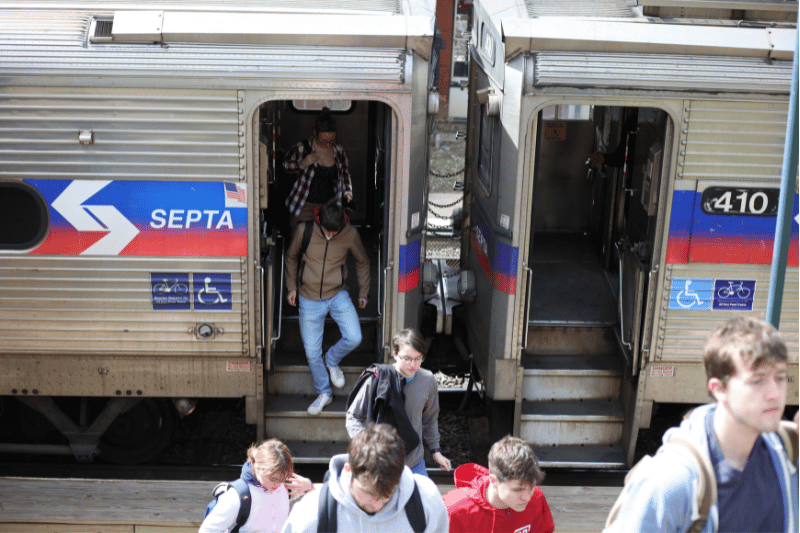
The survey found that 67% of students, faculty, and staff currently use sustainable modes of transportation in their commutes. To encourage further participation in these modes, the University offers Green Your Commute resources such as the student discount SEPTA University Pass and pre-tax commuter benefits for employees via WageWorks.
The Office of Sustainability is launching our LinkedIn page to foster a community where students, faculty, and alumni can share their commitments to sustainable initiatives at Temple and beyond. Join today to stay up to build your climate action community.