FAMILY · CHEMISTRY · LEGACY
My Father, Attiq Rahman
A chemist, a father, and one of the foundations of The Rahman Lab.
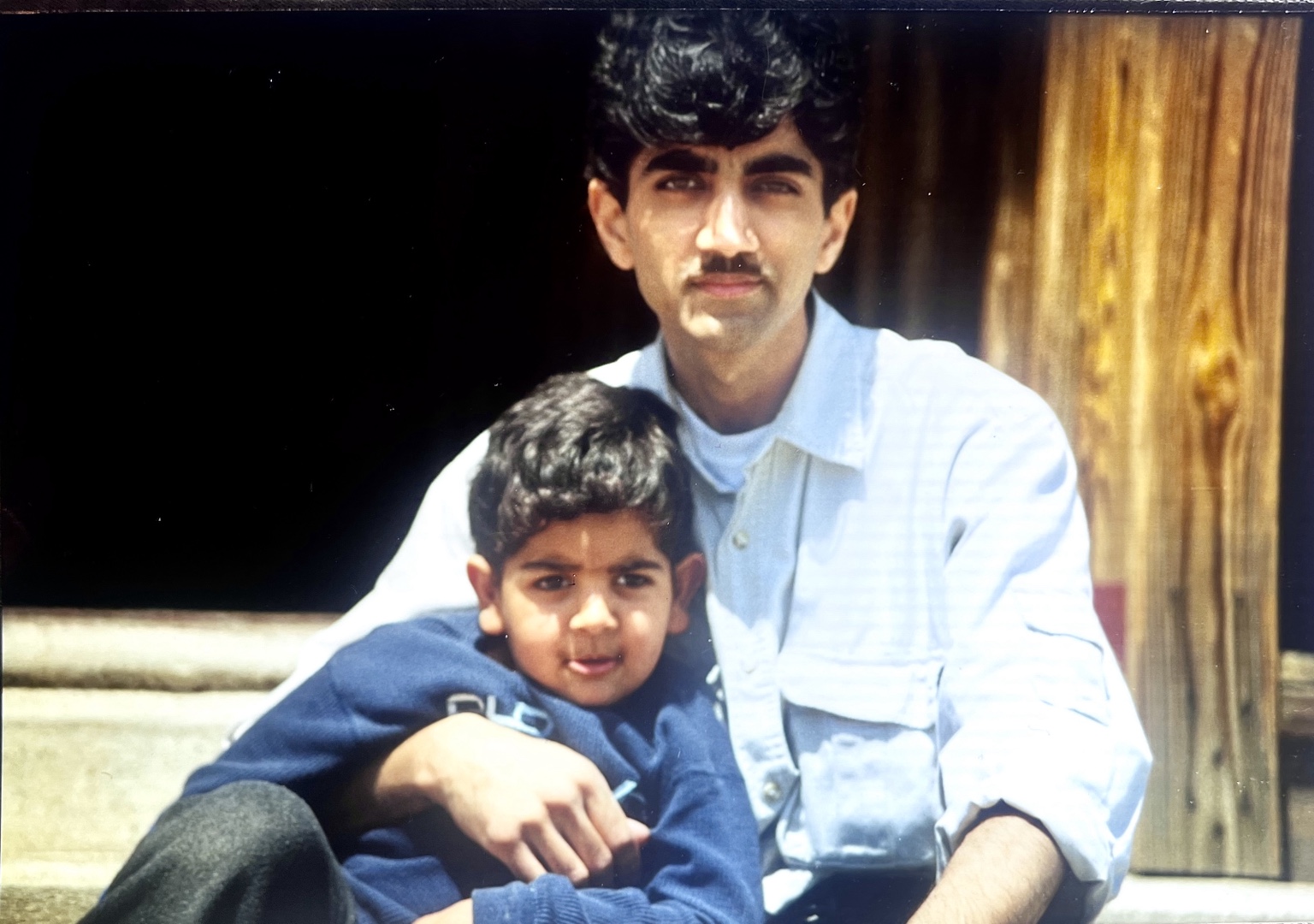
My father, Attiq Rahman, was a medicinal chemist whose life and work
left a lasting influence on me.
He built his career in medicinal chemistry through research at
GlaxoSmithKline, where his work contributed to the development
of new chemical compounds with medicinal applications toward many diseases.
For me, however, his legacy goes far beyond any laboratory notebook, patent, or
chemical structure. He was my father. My own path through chemistry, research,
teaching, and this work I now call The Rahman Lab exists in part
because chemistry was something I grew up seeing him live, breathe, and repeat.
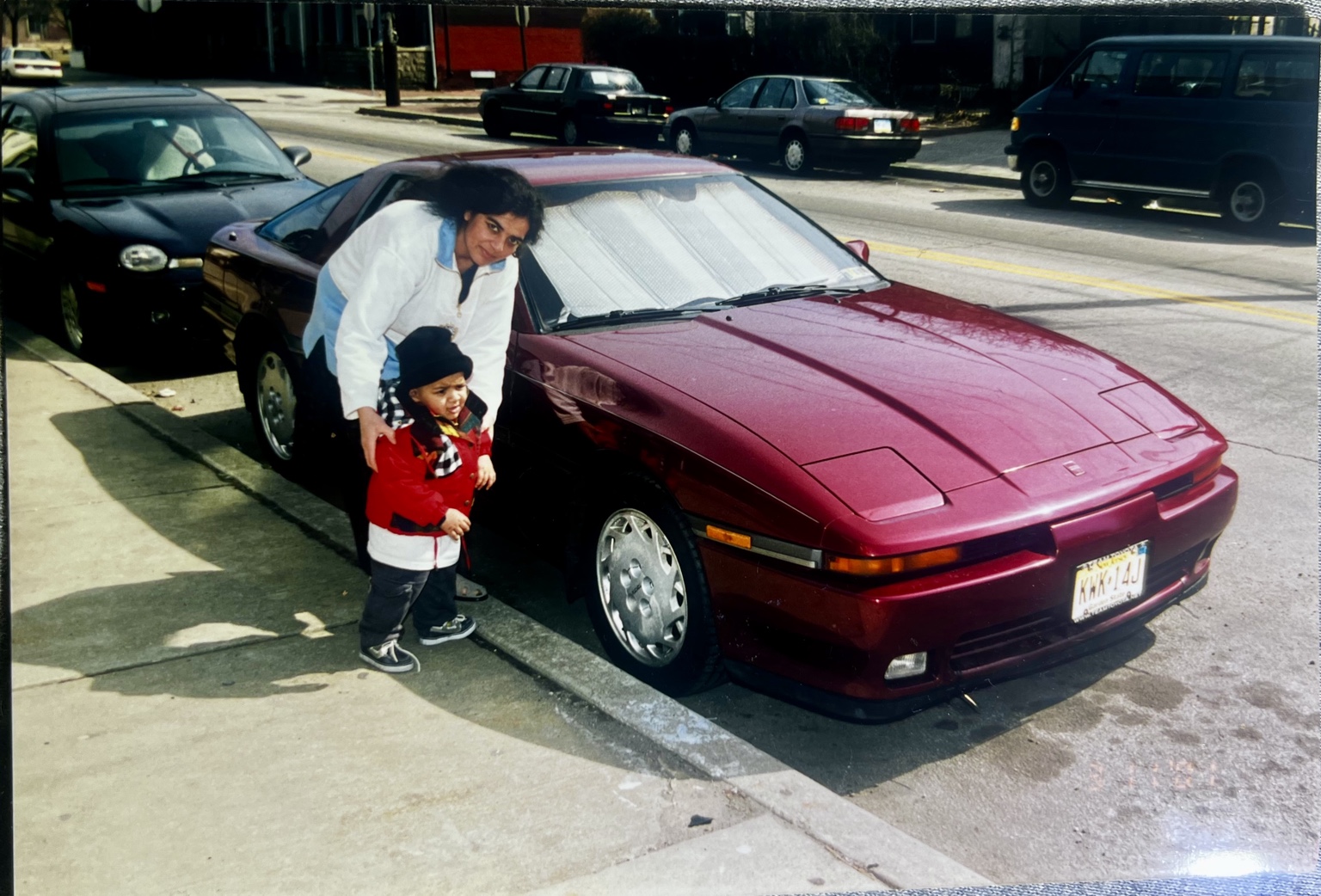
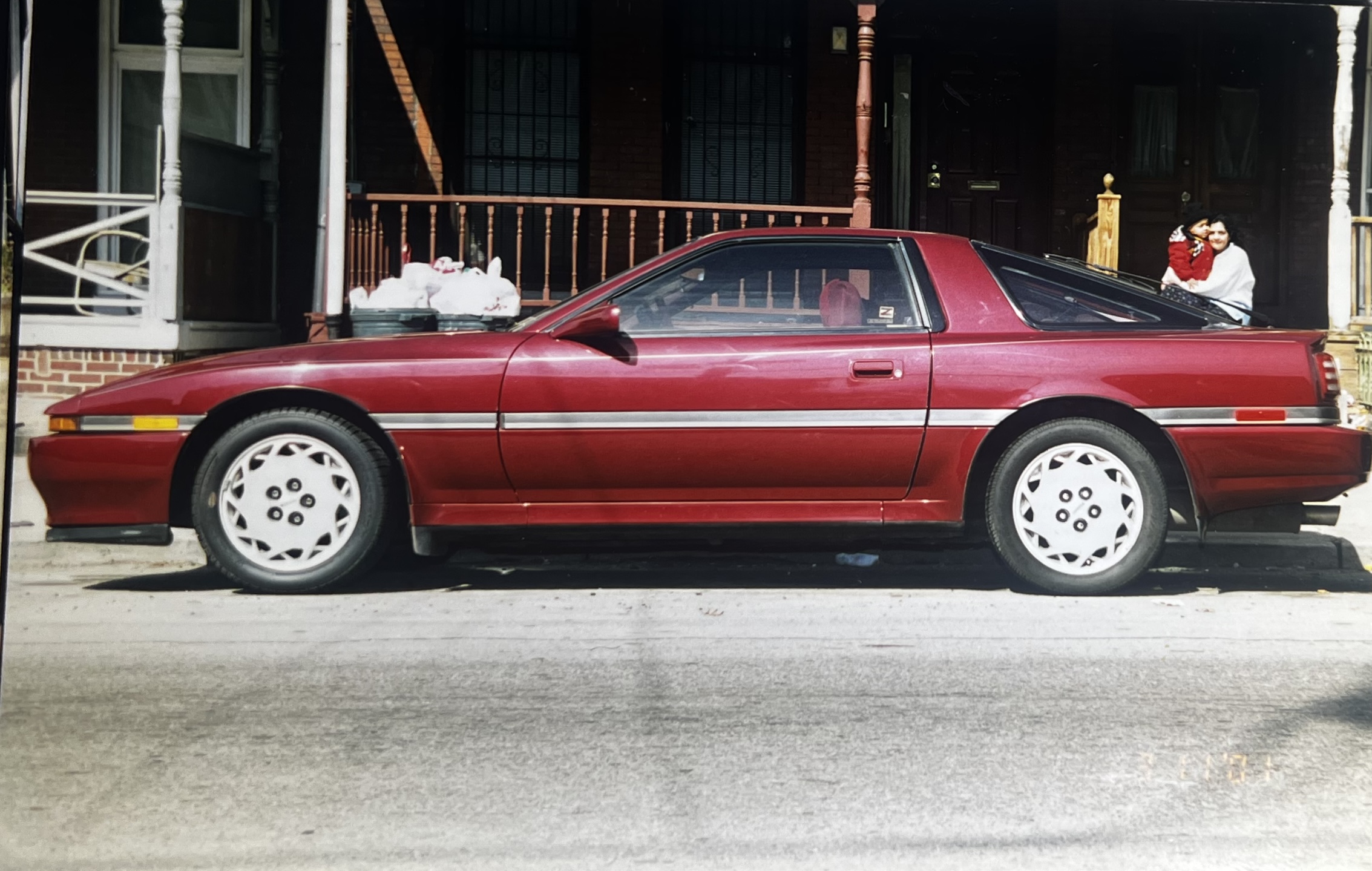
Family & Childhood
A Life in Chemistry
My father’s work was rooted in medicinal chemistry; a subject where organic chemistry,
biology, and medicine meet. His career reflected the same idea that still drives much
of my own work; chemistry matters most when it is connected to something larger than
the reaction itself. Many of the compounds he made were designed with the purpose of
treating immuno-inflammatory illnesses, such as lupus and cancer. Tragically, my father
Attiq was diagnosed with Stage IV Colon Cancer in May 2018. Despite pursuing an
aggressive treatment regimen, the cancer had caused substantial damage, and he passed
away in July 2018.
His influence stayed with me as I studied chemistry during my undergraduate degree.
After waning at a few tough points, my interest in chemistry was rekindled by the rare
similarly-spirited professors who made learning fun again. As I progressed through
academic research and my degree, eventually teaching chemistry at Temple University,
I felt strongly to maintain a similar encouraging and open mindset in my own classroom.
Today; whether I am teaching students, rebuilding an old Kawasaki, developing a lab,
or working through a synthesis, some part of my dad’s story is still there.
Selected Publications
During his career at GlaxoSmithKline, my father contributed to published work spanning
synthetic organic chemistry, cysteine protease inhibitors, calcium receptor antagonists,
immuno-inflammatory medicinal chemistry, and RIP1 kinase drug discovery.
An Efficient Synthesis of 3-Substituted 3H-Pyrimidin-4-ones
Co-author: Attiq Rahman
Organic Letters, 2004, 6(6), 1013–1016
DOI: 10.1021/ol049921v
Azepanone-Based Inhibitors of Human Cathepsin L
Co-author: Attiq Rahman
Journal of Medicinal Chemistry, 2005, 48(22), 6870–6878
DOI: 10.1021/jm0502079
Antagonists of the Calcium Receptor. 2. Amino Alcohol-Based Parathyroid Hormone Secretagogues
Co-author: Attiq Rahman
Journal of Medicinal Chemistry, 2009, 52(21), 6599–6605
DOI: 10.1021/jm900563e
Synthesis of Tetrasubstituted Pyrazines and Pyrazine N-Oxides
Co-author: Attiq Rahman
Tetrahedron Letters, 2010, 51, 974–976
Azepanone-Based Inhibitors of Human Cathepsin S: Optimization of Selectivity via the P2 Substituent
Co-author: Attiq Rahman
Bioorganic & Medicinal Chemistry Letters, 2011, 21, 4409–4415
Discovery of a First-in-Class Receptor Interacting Protein 1 (RIP1) Kinase Specific Clinical Candidate (GSK2982772) for the Treatment of Inflammatory Diseases
Co-author: Attiq Rahman
Journal of Medicinal Chemistry, 2017, 60, 1247–1261
Patents
His work also continued into patented medicinal chemistry involving cyclic GMP-AMP
synthase, or cGAS, a target involved in immune signaling and inflammatory disease.
Triazole-substituted imidazo[1,2-a]pyrimidines as cGAS inhibitors
International patent publication
Patent No.: WO 2024/083773 A1
Published: April 25, 2024
Triazole-substituted imidazo[1,2-a]pyrimidines as cGAS inhibitors
United States patent
Patent No.: US 12,247,033 B2
Granted: March 11, 2025
Remembered at GlaxoSmithKline
After reading his obituary from GSK, I learned more about the breadth of the work my
father had carried out during his career there. GSK shared the following remembrance:
Attiq was a medicinal chemist with nearly 20 years of experience. He joined GSK in
1998 as a co-op student and had impressed management sufficiently to secure a fulltime
offer. Over the next 20 years, he contributed to a number of programs including CatK,
CaSR, TRPV4, RIP2, RIP1 and STING. During the last few years, Attiq was involved in
the cGAS program and was a key contributor to the current class of lead molecules.Attiq will be dearly missed by his friends and colleagues across the organization.
Those who knew him well said how much they will miss his positive outlook on life,
warm smile and kind and friendly disposition.
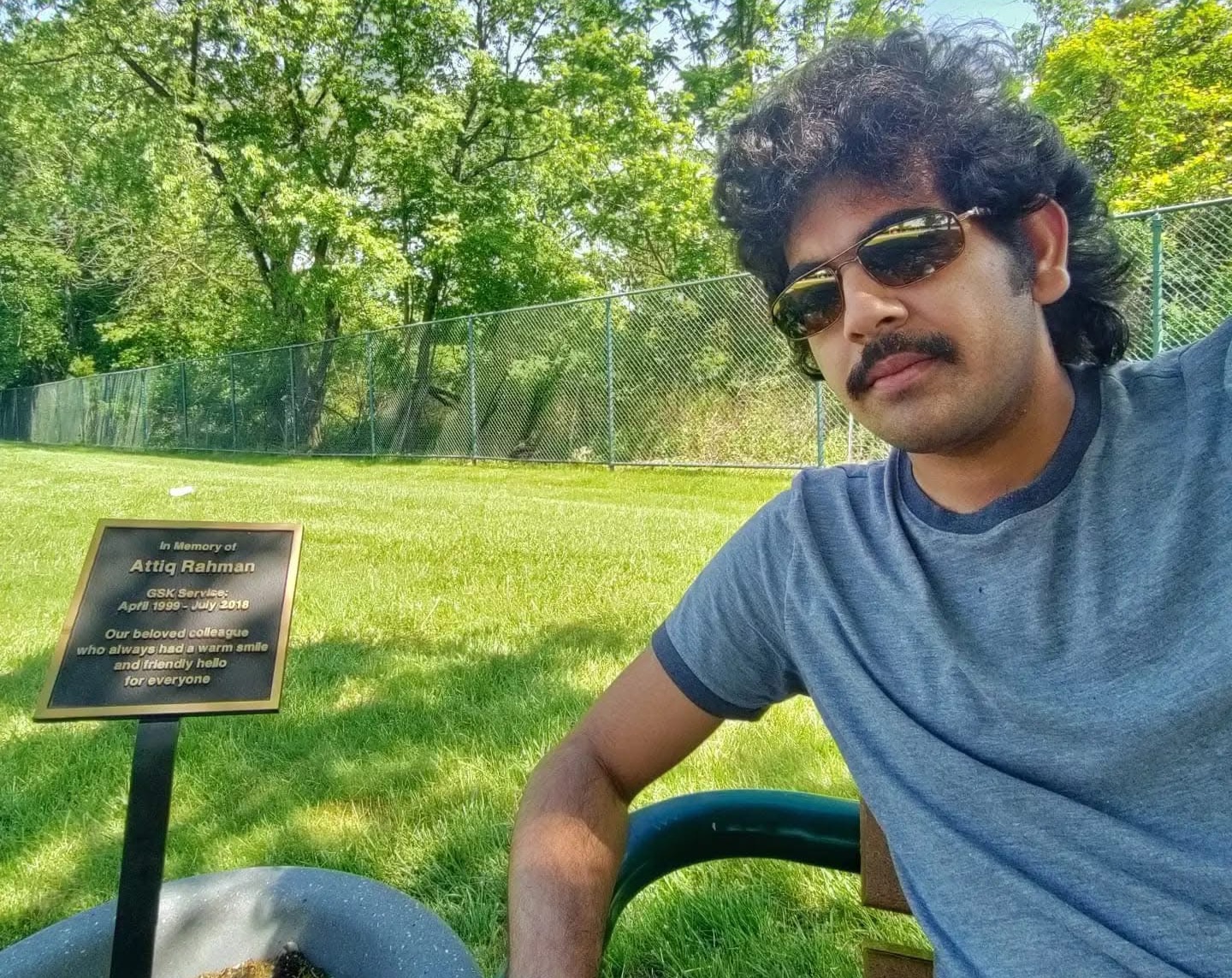
The Rahman Lab is not only about my current chemistry research. It is also about who caused that initial spark of curiosity, decades ago.
His Legacy
My father passed down more than an interest in science. He passed down an example of
intellectual curiosity, technical skill, and the belief that difficult problems are
worth working through.
His influence continues in the way I approach chemistry, education, research, and
problem solving. The work may be different now, but his mindset remains familiar;
look carefully around you, focus and try to understand the puzzle, study; and keep
working until it makes sense.
This page is here to preserve a small part of that story, not simply as the story of
a scientist, but as the story of my father, Attiq Rahman.