We study how ecological interactions and environmental variation shape the evolution of plant traits. Working on microevolutionary scales, we focus especially on flowers, pollination, life-history variation, and mating systems.
Read about some of our work below. For a full list of publications, navigate to our Publications page. Want to learn more? Feel free to reach out.
Floral Longevity

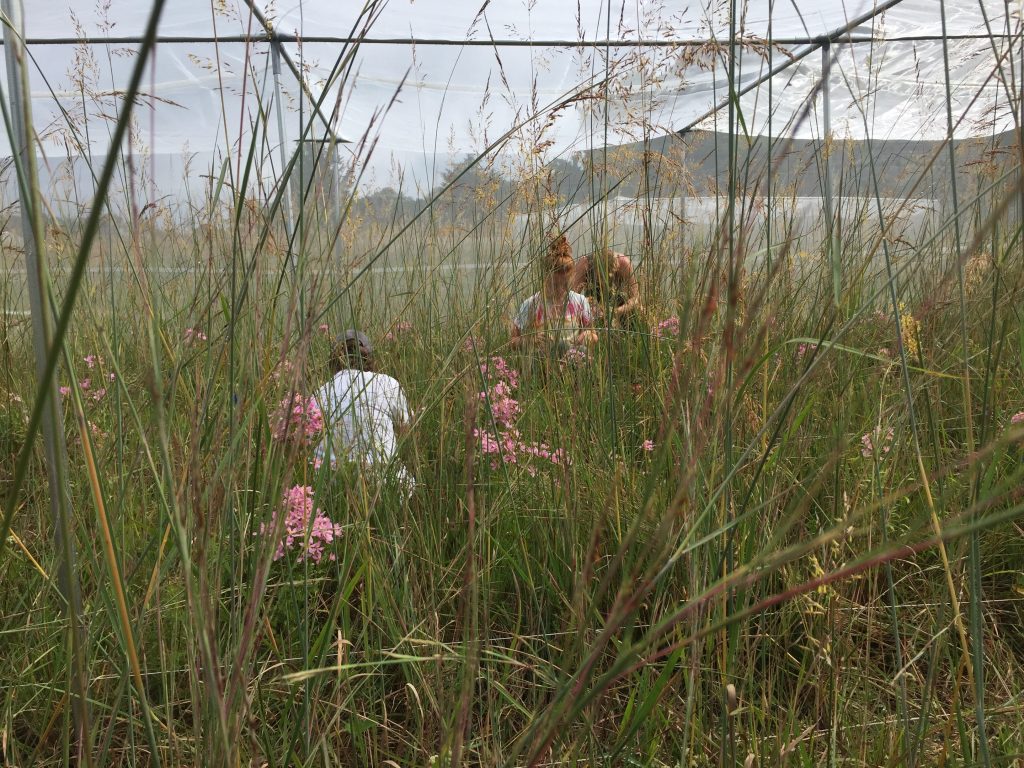
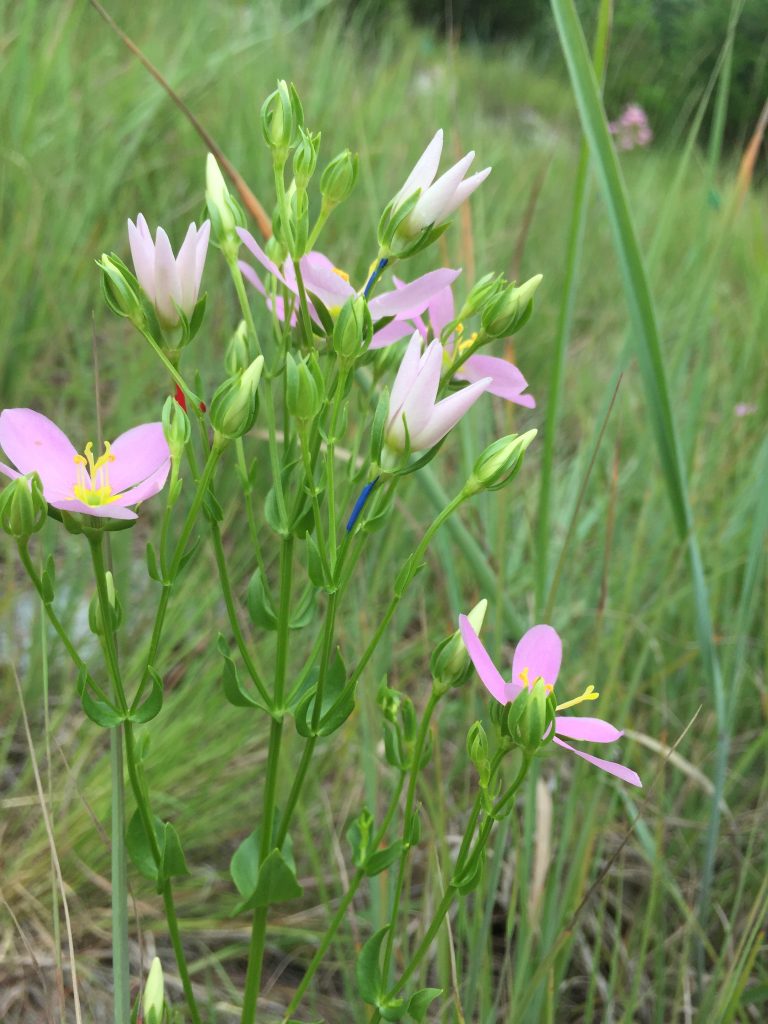
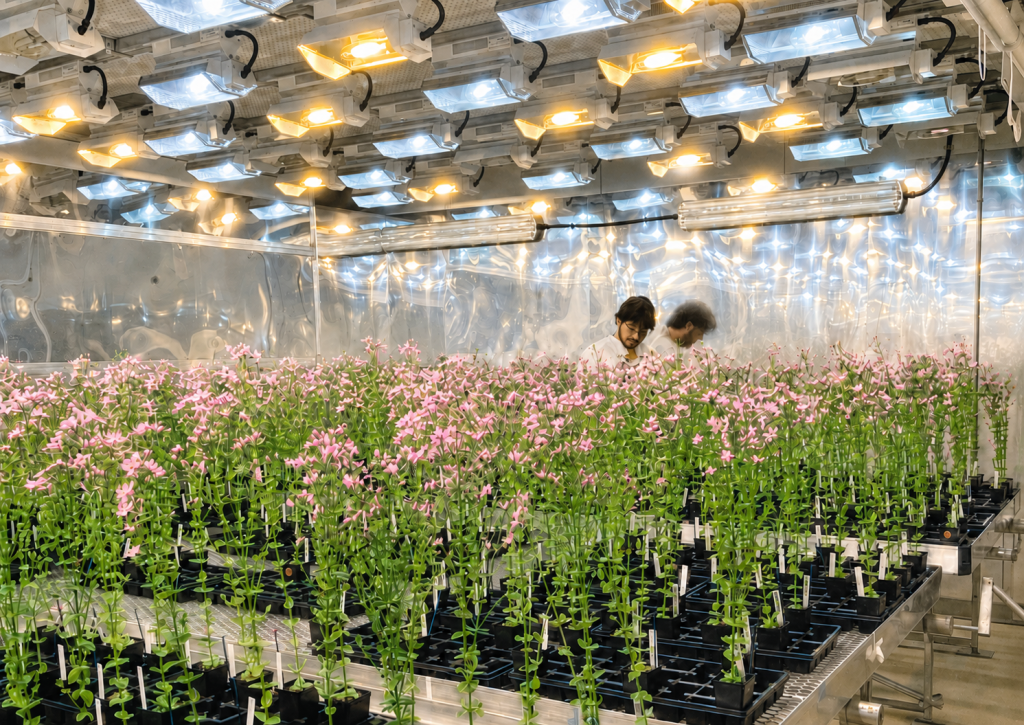
The lifespan of individual flowers varies substantially across species. We investigate the ecological and evolutionary forces shaping floral longevity within species, including plant-pollinator interactions, resource availability, environmental stress, and trade-offs with other floral traits.
Spigler, R.B. and Ostrowski, S. (2026), Pollination context and abiotic stress reshape variation in floral longevity and its exposure to selection. New Phytol, 251: 1524-1537. https://doi.org/10.1111/nph.71130
Spigler, R.B. and Woodard, A.J. (2019), Context-dependency of resource allocation trade-offs highlights constraints to the evolution of floral longevity in a monocarpic herb. New Phytol, 221: 2298-2307. https://doi.org/10.1111/nph.15498
Plant reproduction in a fragmented world
We study how habitat fragmentation and land use shape plant reproductive success, mating patterns, and population connectivity through field studies, population genetics, and landscape genetics.
Emel, S.L., Wang, S., Metz, R.P. and Spigler, R.B., 2021. Type and intensity of surrounding human land use, not local environment, shape genetic structure of a native grassland plant. Molecular Ecology, 30(3), pp.639-655. https://doi.org/10.1111/mec.15753
Spigler, R.B., 2018. Small and surrounded: population size and land use intensity interact to determine reliance on autonomous selfing in a monocarpic plant. Annals of botany, 121(3), pp.513-524. https://doi.org/10.1093/aob/mcx184
Spigler, R.B., Theodorou, K. and Chang, S.M., 2017. Inbreeding depression and drift load in small populations at demographic disequilibrium. Evolution, 71(1), pp.81-94. https://doi.org/10.1111/evo.13103
Spigler, R.B., Hamrick, J.L. and Chang, S.M., 2010. Increased inbreeding but not homozygosity in small populations of Sabatia angularis (Gentianaceae). Plant Systematics and Evolution, 284(3), pp.131-140. https://doi.org/10.1007/s00606-009-0245-x

Plant evolutionary demography
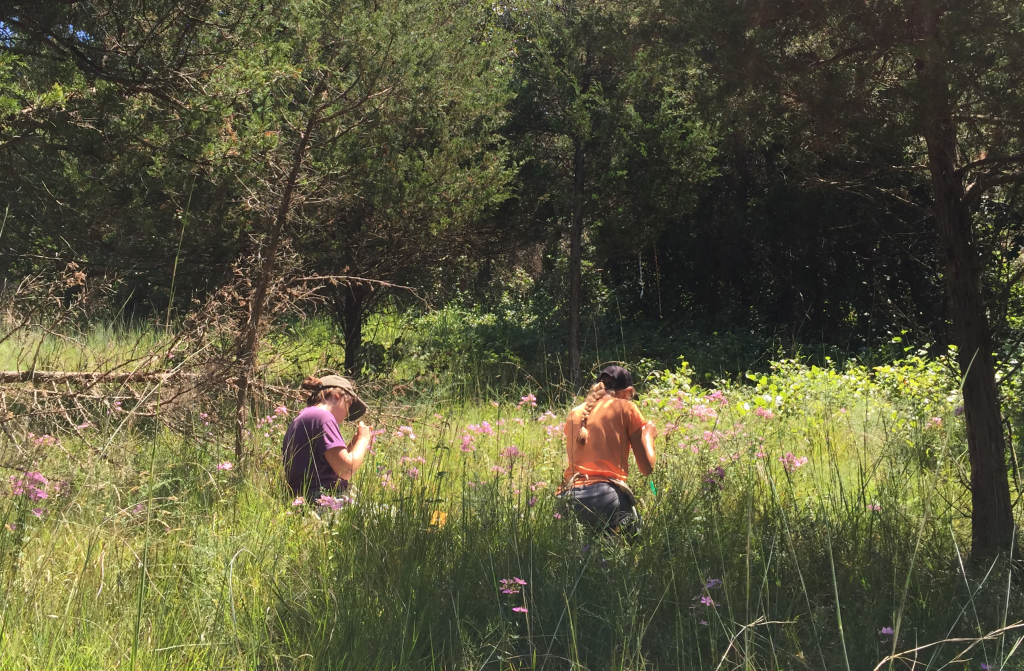
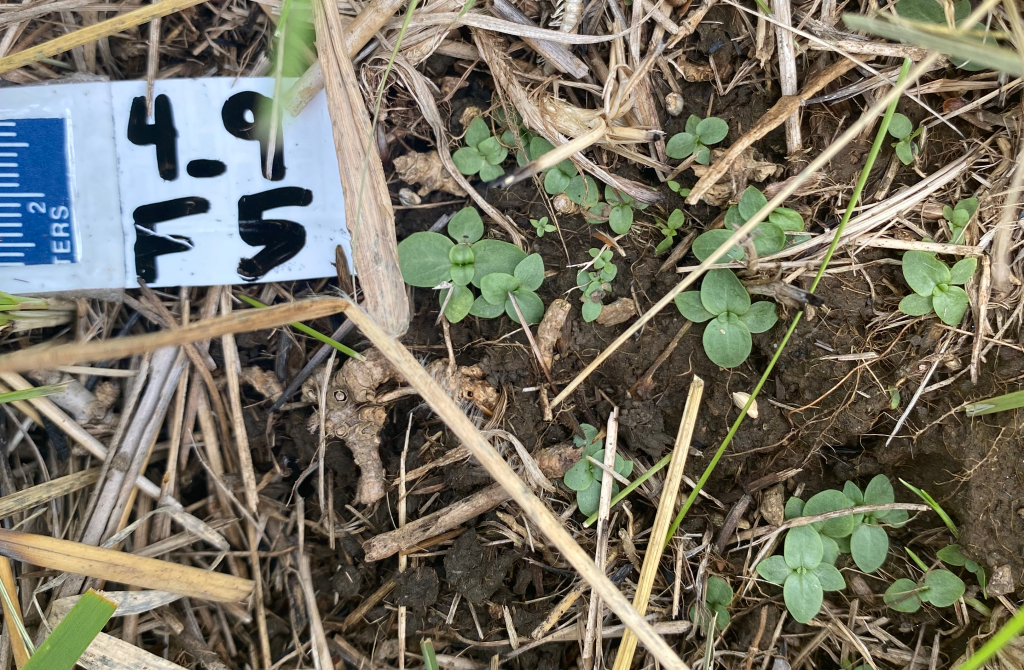
We investigate how ecological and genetic processes shape population persistence and evolutionary responses to environmental change. Recent & ongoing work examines how seed banks influence evolutionary rescue and how density dependence alters the expression and consequences of inbreeding depression. We combine modeling with field studies and greenhouse experiments.
Godineau, C., Theodorou, K. and Spigler, R.B., 2024. Effect of the seed bank on evolutionary rescue in small populations: univariate and multivariate demo-genetic dynamics. The American Naturalist, 204(3), pp.221-241. https://doi.org/10.1086/731402
Walker, M.J. and Spigler, R.B., 2024. Experimental evidence of inbreeding depression for competitive ability and its population-level consequences in a mixed-mating plant. Frontiers in Plant Science, 15, p.1398060. https://doi.org/10.3389/fpls.2024.1398060