Love them or hate them, the founding fathers of the United States were wise to design a constitution with change and reinterpretation in mind. After all, in their time, concepts such as online privacy, modern firearms, and racial equality were nearly unfathomable—there was no way for them to predict the future, and so there was no way they could cover every single legal issue in an unchanging document. This intentional flexibility is what has allowed crucial social justice cases such as Brown v Board and Obergefell v Hobbes to be decided in favor of progress. It has also allowed sixteen adolescents from Montana to challenge the state and federal government on the biggest human rights issue of today: climate change.
Facts of the Case
In 2020, the young plaintiffs of Held v Montana joined with Our Children’s Trust, a nonprofit law firm focused on the youths’ rights to a safe and stable climate. The suit was filed against the state of Montana, with a claim that the government’s lack of acknowledgement towards climate-related environmental degradation went against the state constitution, which guarantees residents “the right to a clean and healthful environment,” and stipulates that the state and individuals are responsible for maintaining and improving the environment “for present and future generations”.

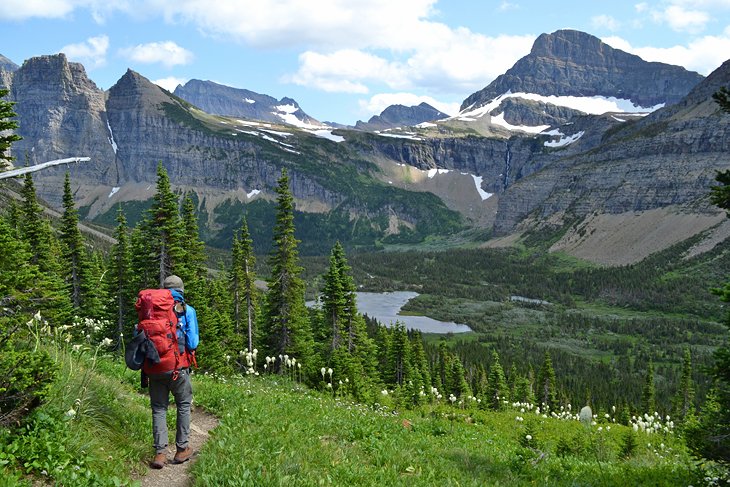
The plaintiffs have joined together from across the state, ranging from two to eighteen years old at the beginning of the trial. The youngest plaintiff is now a five-year-old boy with respiratory issues worsened by climate change-related wildfires, and the oldest is twenty-two-year-old Rikki Held, who claims that climate change has made supplying water to her family’s 7,000-acre ranch difficult. Other notable plaintiffs include the Busse brothers, who live just outside of Glacier National Park and Sariel Sandoval, who grew up on the Flathead Indian Reservation.
Despite being from diverse backgrounds, the plaintiffs have all felt the impact of climate change in Montana, whether it be from increased wildfire smoke, eroded hiking trails, water scarcity, or loss of traditional subsistence methods. As Lander Busse, the older of the two brothers, states: “A lot of this is just rooted in how many Montanans, including us, live life on an everyday basis, and how ingrained the wildlife and the land and the nature is in who we are.”
Montana and Fossil Fuel
More often than not, climate change is a difficult issue to seek justice for because of the variety of greenhouse gas emission sources. After all, it would be a tedious and drawn-out legal battle if the plaintiffs in this case intended to go after high energy factories or fossil fuel refineries in the state. However, the plaintiffs of Held v Montana are accusing a government of going against its own constitution, which makes the case concise.
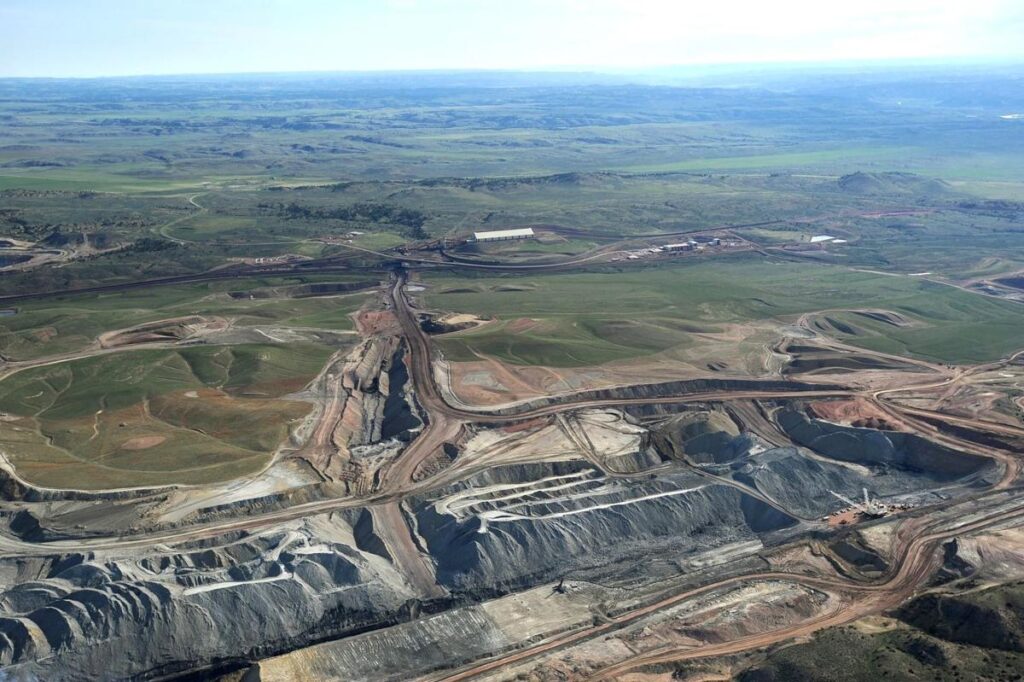
The plaintiffs argue that Montana has “extensive support for fossil fuels like coal, oil and gas”, and that it has a duty to address climate change. The state responded to the claim by disputing the relationship between the fossil fuel industry and climate change and denying the pattern of increasingly severe weather systems in the state. It is important to note that just before the trial began, language was added to a piece of legislation from 2011 which explicitly prevented Montana’s EPA from evaluating greenhouse gas emission/climate impacts in and beyond Montana’s borders during project approval, known as the MEPA Limitation. If you aren’t allowed to report on climate change, it becomes easy to deny any potential causes.
Much like climate change is truly a bipartisan issue, this case is another example of the political power the fossil fuel industry has on politicians across the aisle. When the case was first filed, Montana’s democrat governor Steve Bullock called climate change “one of the defining challenges of our time”, and then defended the state against Held’s claims. Similar actions from West Virginia’s democrat senator, Joe Manchin, have happened in the past.
When a state protects the fossil fuel industry regardless of party, it is usually due to a historical reliance on the industry. Montana’s original constitution was drafted in 1889 and was heavily influenced by mining executives. According to Michelle Bryan, a law professor at the University of Montana, “Some historians called it a corporate colony: all the profits were going out of the state and residents weren’t seeing the benefits.” By that logic, the 1972 constitutional amendment which first defined citizens’ right to a safe environment was “Montana’s declaration of independence from corporate mining.” Even so, Montana is the fifth largest coal producing state and the 12th largest oil producing state in the country.
A Landmark Victory
After much deliberation, Held v Montana resulted in a victory for the young plaintiffs in early August. District Judge Kathy Seely determined that Montana’s emissions, coming from 5,000 gas wells, 4,000 oil wells, four refineries and six coal mines, proved to be a major factor in affecting climate change. The decision was easy: beyond the scientific evidence of fossil fuels contributing to climate change, the defendants also failed to provide any evidence proving the MEPA Limitation was in the best interest of the government. As a result, the MEPA Limitation is officially unconstitutional, as well as a different piece of Bill 557, which would allow Montana agencies to approve permits without an evaluation of greenhouse gas emissions.
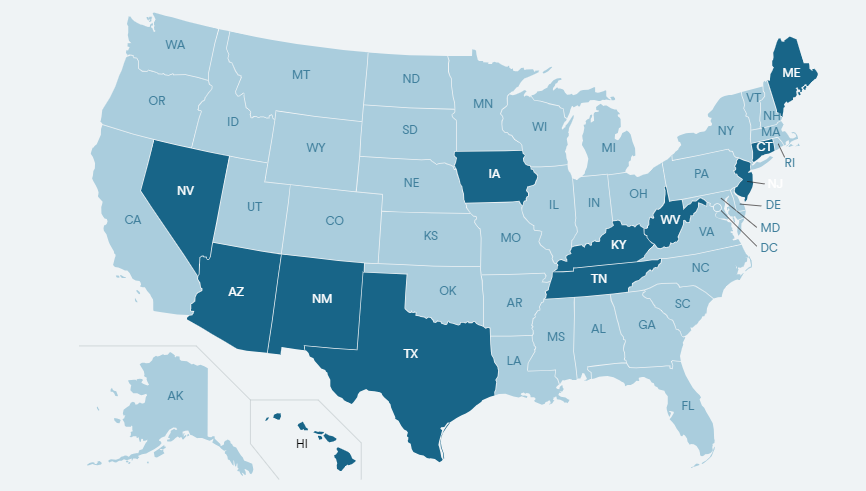
As one of the first victorious court cases to identify climate change as a constitutional issue, and as a powerful example of young people’s dedication to environmental justice and civic duty, Held v Montana is a momentous victory that will alter the way we talk about climate change forever. The victory in Montana sets an important legal precedent for similar cases that are already moving forward in Hawaii, Utah, and Virginia. New York and Pennsylvania also have state constitutions that recognize the right to a clean environment, and nine other states are currently proposing their own “green amendments”, including Kentucky, Texas, and Maine. Of the states mentioned, several (and Pennsylvania in particular) have a long, contentious history with the fossil fuel industry and are suffering the environmental consequences. As the news of victory spreads, so will the confidence of young environmentalists across the country, and with hope we will soon see a wave of progress towards the end of climate change.