Why Should We Even Care About AI?
Imagine waking up tomorrow and realizing everyone around you suddenly started speaking a new language — not fluently, but enough that they could get work done, create art, solve problems, and even crack jokes in it.
You could ignore it, of course. But eventually you might feel like the only person at the table who didn’t get the memo.
That new language today is Artificial Intelligence.
AI is already recommending what you watch, helping doctors diagnose diseases, navigating cars through traffic, and writing emails that look suspiciously well-worded. It is quietly slipping into everyday tools we use — search engines, smartphones, banking systems, and even household appliances.
The interesting part is that many people are curious about AI but never got the time to sit down and understand it. Maybe it seemed too technical. Maybe life was busy. Or maybe every explanation started with complicated math and lost you halfway through the second paragraph.
This article is meant for those people. If you have ever thought “I should probably understand what AI actually is,” this is for you.

A Short History: Before We Called It AI
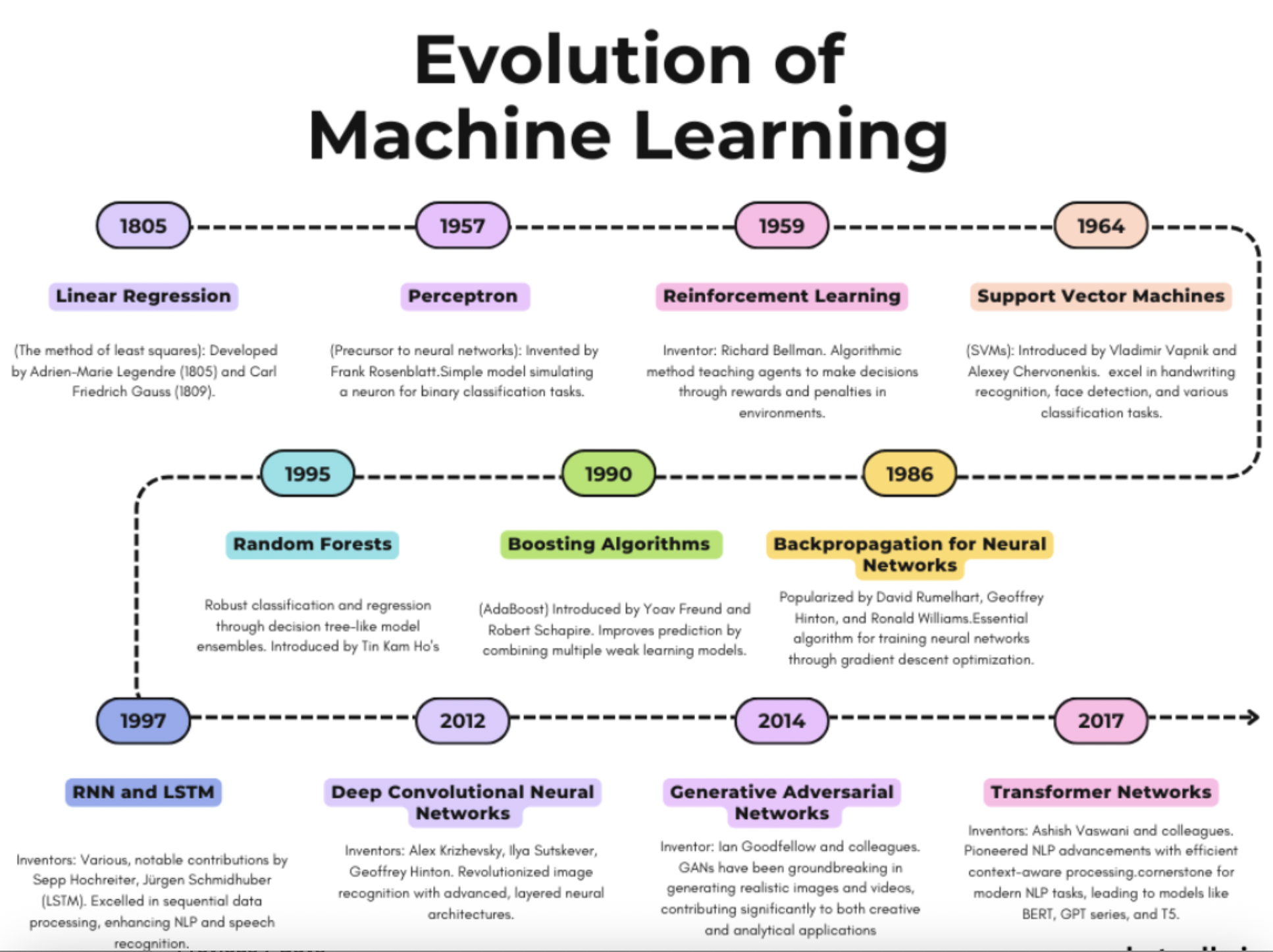
Long before the phrase “Artificial Intelligence” became popular, scientists and statisticians were already building tools that tried to predict things.
One of the earliest ideas was regression, developed in statistics. It sounds intimidating, but the idea is simple: look at patterns in data and use them to estimate outcomes.
For example:
- Predicting crop yields based on rainfall
- Estimating housing prices based on neighborhood features
- Predicting disease outbreaks from environmental patterns

These models didn’t “think” in any human sense. But they could analyze patterns in large amounts of data and make educated guesses about the future.
Throughout the 20th century, these ideas expanded. Probabilistic models, Bayesian methods, and early machine learning algorithms began helping solve real-world problems.
Airlines optimized routes. Banks evaluated credit risk. Meteorologists improved weather forecasting. Early spam filters started learning how to detect junk email.
None of these systems were called “AI” at first. But they laid the foundation for what would later become modern artificial intelligence.
When Did We Start Calling It Artificial Intelligence?
The term Artificial Intelligence was formally introduced in 1956 at the famous Dartmouth Conference, where researchers proposed an ambitious idea: machines might someday simulate aspects of human intelligence.
But that raises an interesting question:
What do we actually mean by intelligence?
Human intelligence includes many abilities:
- Recognizing patterns
- Learning from experience
- Solving problems
- Understanding language
- Making decisions under uncertainty
- Emotional Intelligence
AI systems attempt to reproduce some of these abilities using data and algorithms. They are not conscious, and they do not “understand” the world the way humans do. But they can perform tasks that previously required human judgment.

What Is an AI Model, Really?
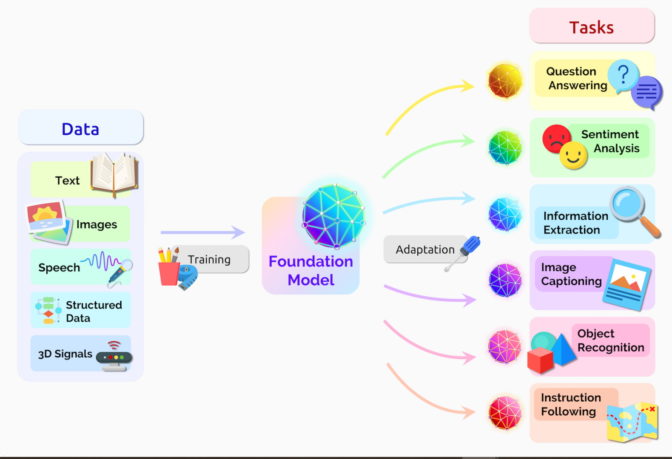
At its core, an AI model is a system that learns patterns from data.
One of the most influential modern architectures is the Transformer, which powers many of today’s language models, translation tools, and generative AI systems.
But here’s an important concept that often surprises people:
AI systems are probabilistic, not deterministic.
That means they work with likelihoods rather than exact rules.
Think about a simple example.
If someone asks you:
“What is 23 + 44?”
You probably don’t consciously add 3 + 4 and then 2 + 4 every time. Instead, your brain recognizes a pattern you’ve seen thousands of times. You simply know the answer is 67.
In a sense, you are extremely confident — maybe 99.99% certain — because of repeated exposure.
AI models operate in a similar spirit. They analyze enormous amounts of data and learn which outputs are most likely given a particular input.
They are not “thinking” through problems the way humans do. They are identifying patterns and predicting the most probable continuation.
Where Is AI Being Used Today?
AI has quietly spread into many parts of our daily lives.
Chatbots and Virtual Assistants
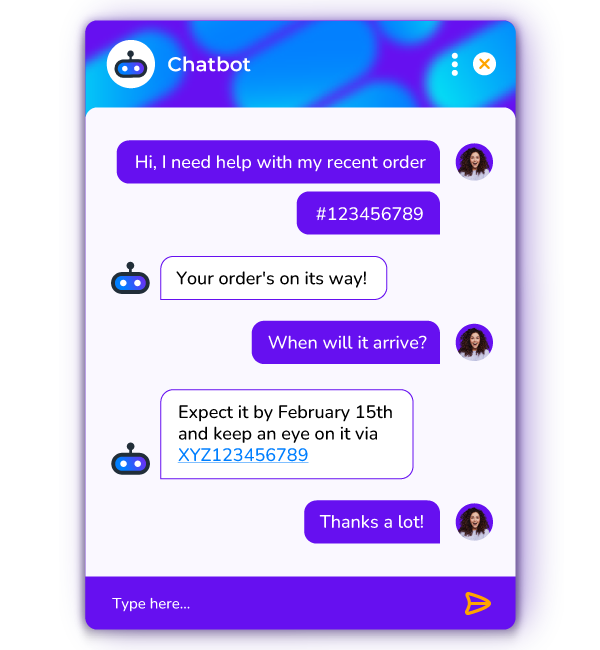
Modern chatbots can answer questions, assist customers, and help users interact with complex systems. Businesses now use them for customer support, scheduling, and troubleshooting.
Generative AI
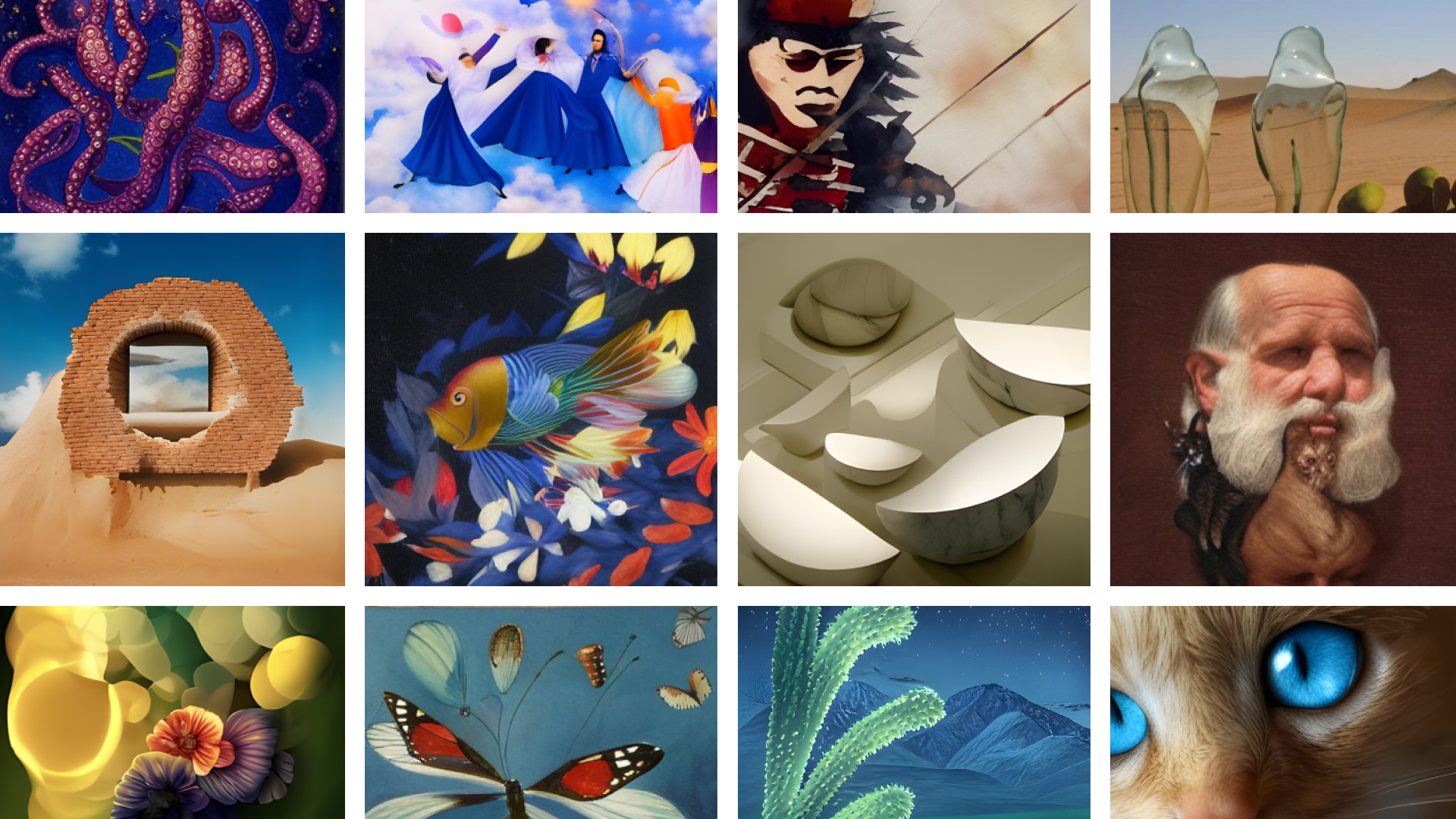
Generative AI can create text, images, music, and even videos. Artists, designers, and writers use these tools to brainstorm ideas, prototype concepts, and accelerate creative work.
Agentic AI
Agentic systems go a step further. Instead of simply responding to prompts, they can perform multi-step tasks: planning actions, searching information, and executing workflows.
Imagine telling a system: “Plan my trip to Tokyo.” The system might search flights, compare hotels, recommend attractions, and organize an itinerary.
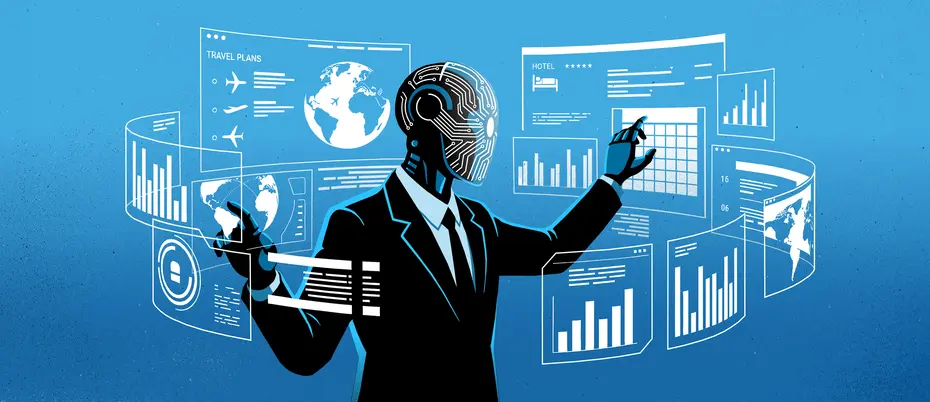
GANs and Creative Generation
Generative Adversarial Networks (GANs) introduced a clever idea: two neural networks are trained together in a kind of competition. One network, called the generator, tries to create new content—such as images, audio, or video—while the other network, called the discriminator, evaluates that content and decides whether it looks real or artificially generated. During training, the generator continuously improves its outputs in an attempt to fool the discriminator, while the discriminator becomes better at detecting fakes. This back-and-forth process gradually pushes the generator to produce increasingly realistic results. GANs have been used to create highly convincing images of people who do not exist, generate music in the style or voice of artists, and produce synthetic media such as deepfake videos.
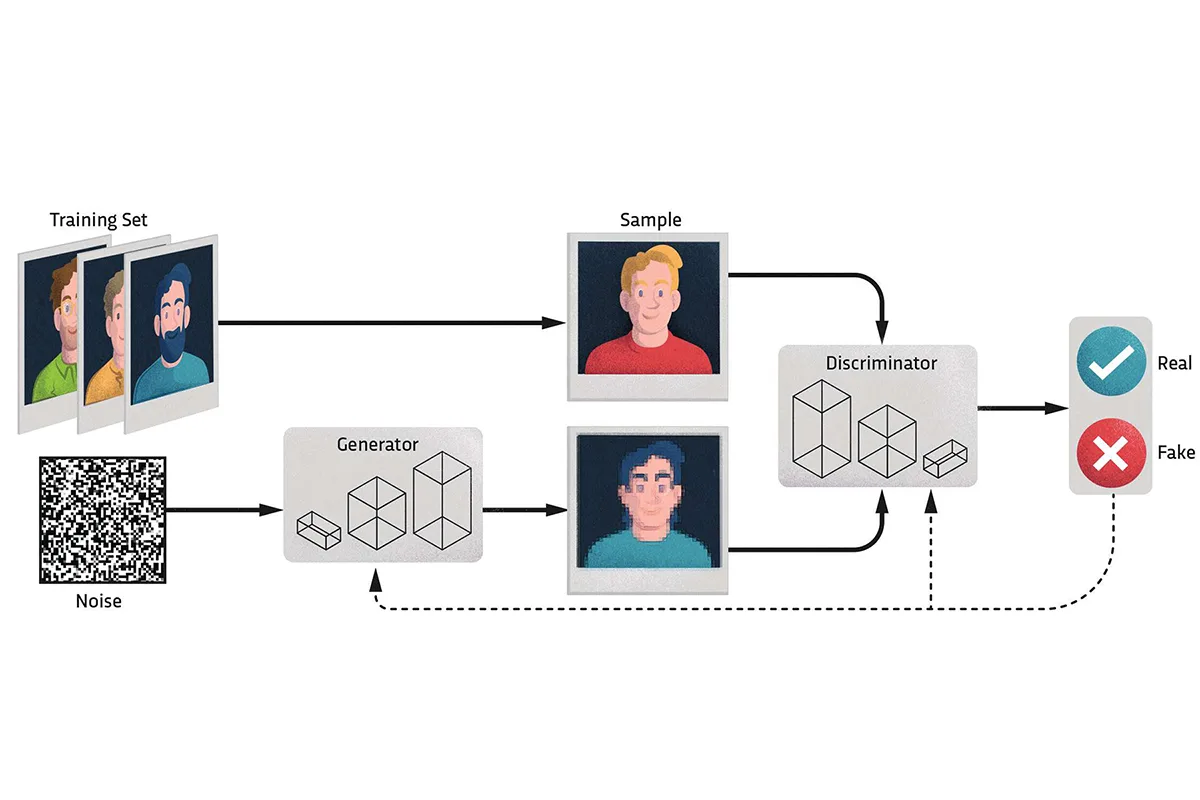
Real-World Impact
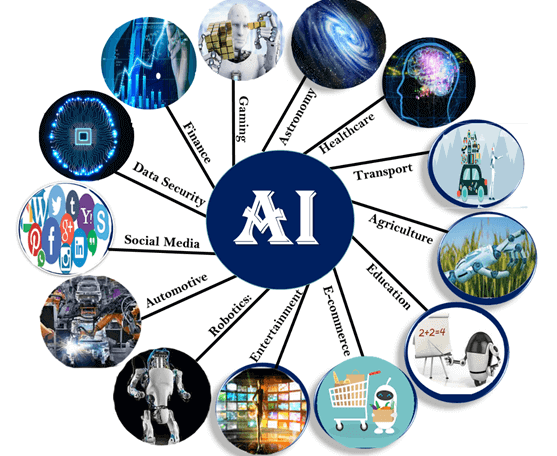
Artificial intelligence is no longer something that lives only in research labs or science fiction movies. It is quietly working behind the scenes in many parts of our everyday lives—sometimes in ways we don’t even notice.
In healthcare, AI systems can analyze medical images such as X-rays, MRIs, and CT scans and help doctors detect diseases like cancer earlier than before. Think of it as giving doctors an incredibly fast assistant that has looked at millions of images and can point out tiny patterns that might otherwise be missed.
On the roads, AI powers driver-assistance systems that help cars stay in their lanes, avoid collisions, and navigate traffic. While your car might not be fully driving you to work yet, it is already acting like a cautious co-pilot reminding you to keep your eyes on the road and your hands where they belong.
Behind the scenes of global commerce, AI helps companies predict what people will want to buy and when they will want it. That means warehouses can stock the right products and delivery systems can move them more efficiently—so the package you ordered at midnight might still somehow arrive the next day.
Language translation has also been transformed. AI tools can translate conversations, documents, and websites almost instantly, allowing people from different countries to communicate more easily. It’s not perfect—sometimes the translations can still sound a bit funny—but it is getting better every year.
Scientists are also using AI to accelerate discoveries. From identifying new drug candidates to predicting the structures of proteins, AI systems can analyze enormous amounts of data far faster than any human team could manage on its own.
And of course, there are the everyday conveniences. Your streaming platform seems to know exactly which show you will binge next. Your phone organizes thousands of photos and somehow knows which ones contain your dog. Your email filters quietly rescue you from a daily avalanche of spam.
In many ways, AI is becoming like electricity or the internet: an invisible layer of technology that quietly powers the tools we rely on every day—sometimes impressively, sometimes imperfectly, and occasionally in ways that make us laugh.
And yes, there is a small chance that an AI system may or may not have assisted in polishing parts of this blog post. But don’t worry—the curiosity behind it, the questions it tries to answer, and the motivation to understand AI still came from a very human place.
The Challenges and Risks of AI
Like any powerful technology, AI comes with challenges.
Learning Gaps
As AI tools spread quickly, many people feel left behind because they never had the opportunity to learn about them.
Human and Social Connections
Heavy reliance on digital tools can sometimes reduce meaningful human interaction. Education, workplaces, and communities must carefully balance automation with human connection.
Bias and Discrimination
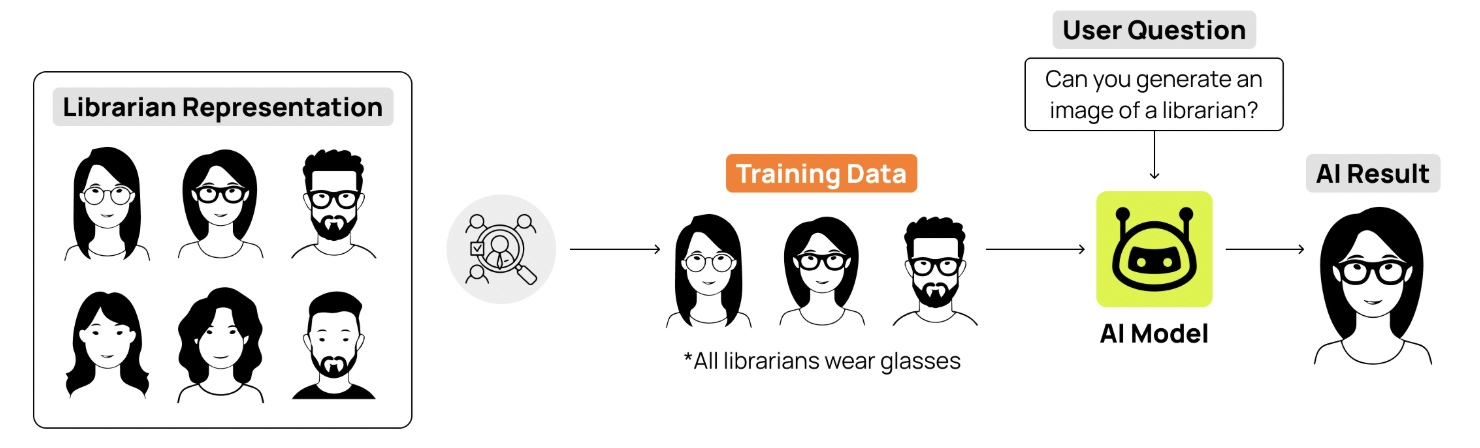
AI systems learn from historical data. If that data reflects past biases, the system may unintentionally reproduce them.
There have been real-world cases where hiring algorithms favored certain demographics or facial recognition systems performed unevenly across populations.
Security and Misuse
AI can generate convincing fake content, including deepfakes and misinformation. This creates new challenges for media verification, cybersecurity, and public trust.
So Where Do We Go From Here?
Artificial Intelligence is not a passing trend.
Like electricity, the internet, and smartphones before it, AI is becoming part of the infrastructure of modern life.
But the story is not about machines replacing humans. The real opportunity lies in humans working with AI.
Doctors using AI to detect diseases earlier. Engineers using AI to design better systems. Teachers using AI to personalize education.
The people who benefit most will not necessarily be the ones who build AI systems — but the ones who learn how to collaborate with them.
In other words:
We should learn to work with AI, rather than getting worked by AI.
Curiosity, adaptability, and lifelong learning will matter more than ever.
And the good news is that you have already taken the first step — by wanting to understand it.
Image Credits
- AI in Everyday Life Illustration – Source: Google Gemini
- Predicting House Prices – Source: Github
- Early Statistical Models Timeline – Source: https://www.devopsschool.com/
- 1950s AI Laboratory Photograph – Source: https://techgenies.com/
- Transformer Architecture Diagram – Source: Nvidia Blogs
- Chatbot Interface Illustration – Source: https://www.cm.com/
- AI Generated Artwork – Source: Meta
- Agentic AI Workflow Diagram – Source: https://mitsloan.mit.edu/
- GAN Training Visualization – Source: ScienceFocus
- AI Applications Across Industries – Source: LinkedIn
- AI Bias Illustration – Source: https://cut-the-saas.com/
- Human–AI Collaboration Illustration – Source: https://www.qodequay.com/
Be First to Comment