
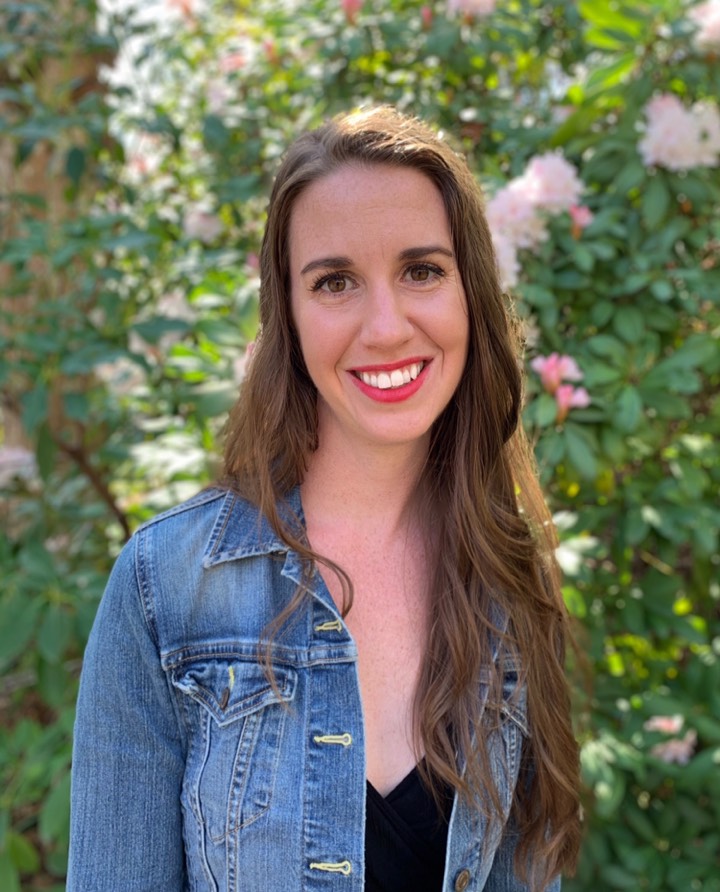
Callie Walsh-Bailey, PhD, MPH
Assistant Professor, Northwestern University Feinberg School of Medicine, Department of Medical Social Sciences
Callie Walsh-Bailey is an assistant professor in the Northwestern University Feinberg School of Medicine Department of Medical Social Sciences and core faculty in the Center for Dissemination and Implementation Science. She earned her PhD in Public Health Sciences with a concentration in Dissemination and Implementation Science from Washington University in St. Louis. Her methodological work focuses on developing and applying pragmatic tools and approaches to center equity in implementation research across clinical and community contexts. The goal of her research is to improve the delivery of chronic disease prevention and control interventions to elevate the health and wellbeing of marginalized populations.

Alex Dopp, PhD
Behavioral/Social Scientist, RAND
Alex Dopp is an implementation scientist and child clinical psychologist who broadly studies the use of research evidence, and related policy implications, for improving youth mental health and substance use services. He has rare dual expertise in behavioral health services and economic evaluation, which has allowed him to conduct research on “upstream” influences (financing strategies) and “downstream” outcomes (economic impact) of the implementation of evidence-based youth behavioral health treatments. His research involves frequent collaboration with a variety of health policy, services, economics, and outcomes researchers, as well as patients and community partners, within an interdisciplinary team science approach.
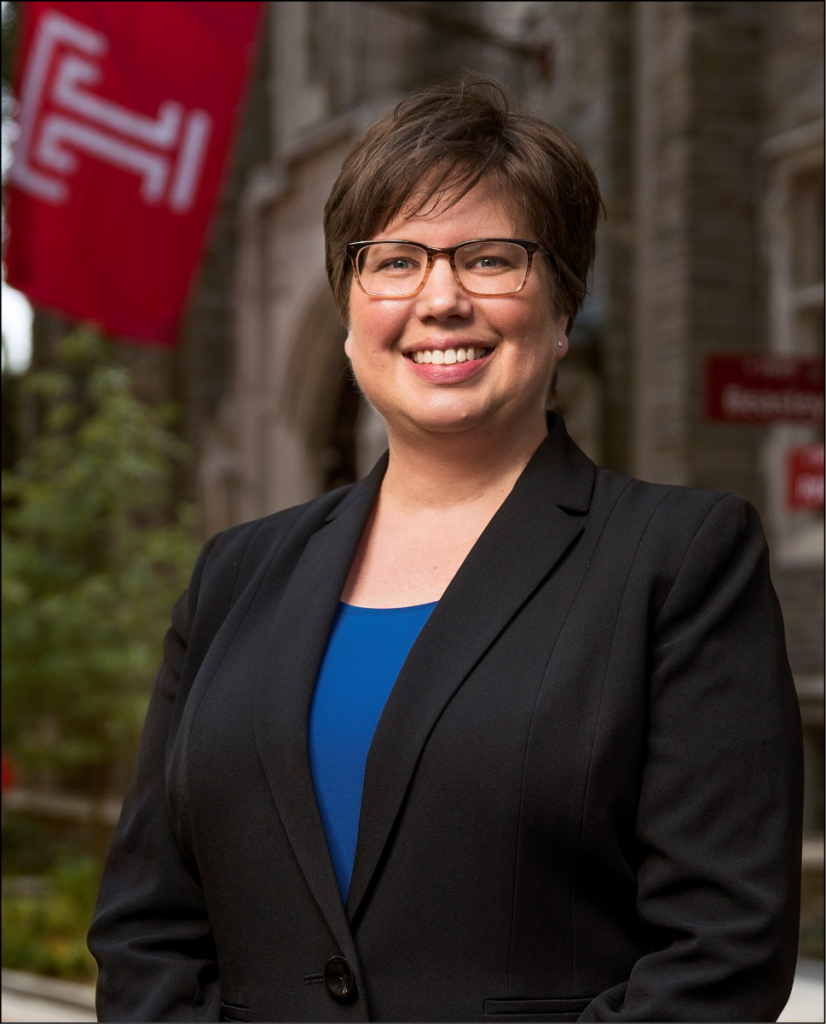
Resa M. Jones, PhD
Associate Professor and Department Chair in Dept. of Epidemiology and Biostatistics, College of Public Health, Temple University
As a behavioral, cancer epidemiologist, Dr. Jones’ primary research focus is on the behavioral, environmental, and social predictors and barriers of behaviors relating to cancer prevention and control as well as the development of effective interventions for behavior change in general and underserved populations. She has 20+ years of experience in the creation, implementation, and evaluation of observational epidemiologic research, clinical- and community-based intervention, and pragmatic trials. She is the PI of five currently funded grants that: explore the association of PFAS-contaminated water exposure and cancer incidence as well as general health impacts, assess residential neighborhood exposome exposures and the associations with cancer incidence, and explore post-COVID conditions. She was PI of two multi-level, community-based clinical trials to increase colorectal cancer screening through partnerships with community-based primary care practices.

Erin McCrossen, PhD
Senior Research Associate, School District of Philadelphia, Office of Research and Evaluation
Erin McCrossan, PhD, is a Senior Research Associate in the School District of Philadelphia’s Office of Research and Evaluation. A former high school English teacher, she earned her doctorate in Urban Education from Temple University in 2017. A qualitative researcher by training, Erin leads projects ranging from math and literacy curriculum implementation to health and nutrition grant evaluations, including the evaluation of the SNAP-Ed funded Eat Right Philly program

Jonathan Deutsch, PhD, CRC, CHE
Professor & Director, Drexel University, Drexel Food Lab
Jonathan Deutsch, Ph.D., CHE, CRC is Professor and Vice Chair of Health Sciences, which encompasses Culinary, Food, Nutrition, Exercise and Health Sciences at Drexel University. He is the Founding Program Director of Drexel’s Food Innovation and Entrepreneurship Programs. He is past President of the Upcycled Food Foundation and previously was the inaugural James Beard Foundation Impact Fellow, leading a national curriculum effort on food waste reduction for chefs and culinary educators. At Drexel, he directs the Drexel Food Lab, a culinary innovation and food product research and development lab focused on solving real world food system problems in the areas of sustainability, health promotion, and inclusive dining.

Krista Schroeder, PhD, RN, CCRN
Associate Professor of Nursing
Dr. Krista Schroeder is a nurse scientist who studies how life circumstances and environments shape people’s health. Her recent work looks specifically at how experiences of trauma can affect health across a lifetime. Her research — much of it supported by large funders such as the National Institutes of Health (NIH) — brings together ideas from nursing, public health, and social science. She uses advanced data and mapping techniques to understand how individual, social, and environmental factors interact to influence health, and how that knowledge can guide better care and policy. Dr. Schroeder believes that research has the greatest impact when it’s grounded in real-world experience engaging with patients and communities, so she works as an intensive care unit nurse at a safety-net hospital and an on-call sexual-assault nurse examiner at a citywide clinic. She completed a BSN from Bloomsburg University, a PhD and NIH pre-doctoral fellowship at Columbia University, and an NIH post-doctoral fellowship at University of Pennsylvania.

Ross C. Brownson, PhD
Lipstein Distinguished Professor of Public Health, Washington University in St. Louis
Ross C. Brownson, PhD, is the Lipstein Distinguished Professor of Public Health at Washington University in St. Louis. He directs the Prevention Research Center at Washington University. Dr. Brownson studies the translation of evidence to public health practice and policy, focusing on environmental and policy determinants of chronic diseases. Dr. Brownson has published over 650 peer-reviewed articles and 16 books, including the first comprehensive texts on dissemination and implementation research and evidence-based public health. He has received numerous awards for his work in research, public health practice, and mentori

Recai Yucel, PhD
Director of the Biostatistics Core in Temple University Department of Epidemiology and Biostatistics
Recai Yucel is a professor and the director of the Biostatistics Core in the Department of Epidemiology and Biostatistics. Prior to joining Temple University, he was a professor of biostatistics and the chair of the Department of Epidemiology and Biostatistics at the School of Public Health, State University of New York at Albany. Following his doctoral training at Pennsylvania State University, he completed a postdoctoral fellowship at the Department of Health Care Policy at Harvard Medical School. He then worked as a statistical advisor at the Institute for Health Policy at the Massachusetts General Hospital and Harvard Medical School. During this time, Dr. Yucel was awarded a fellowship by the American Statistical Association and the National Center for Health Statistics to develop and disseminate methods for handling item nonresponse in complex sample surveys.
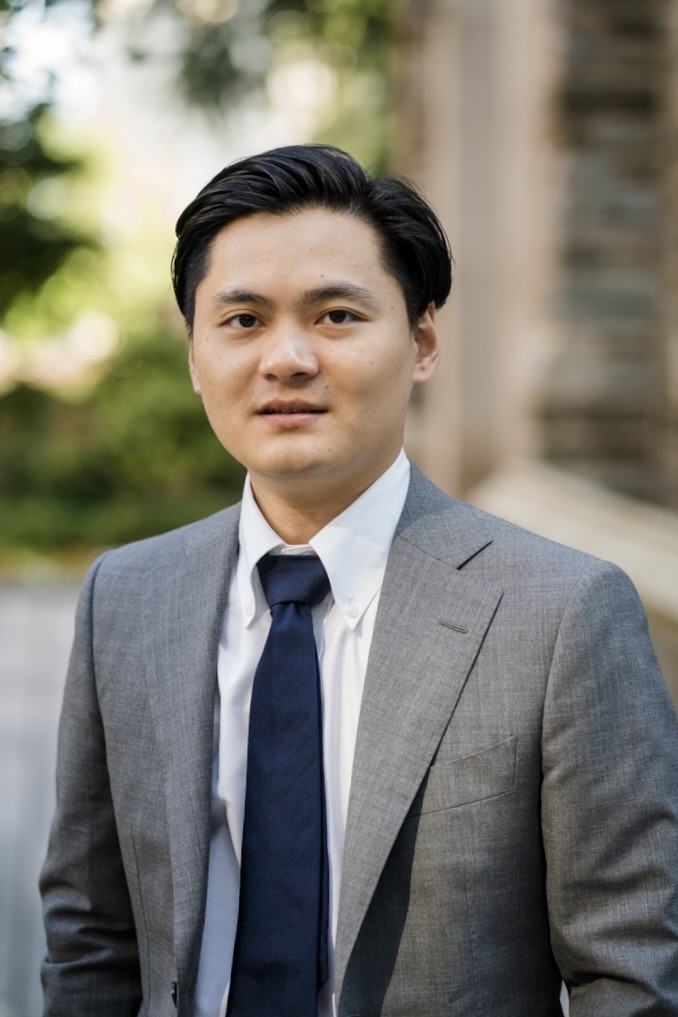
Yanda Lang, PhD
Assistant Professor of Instruction at Temple University Department of Epidemiology and Biostatistics