How Muse gets things done
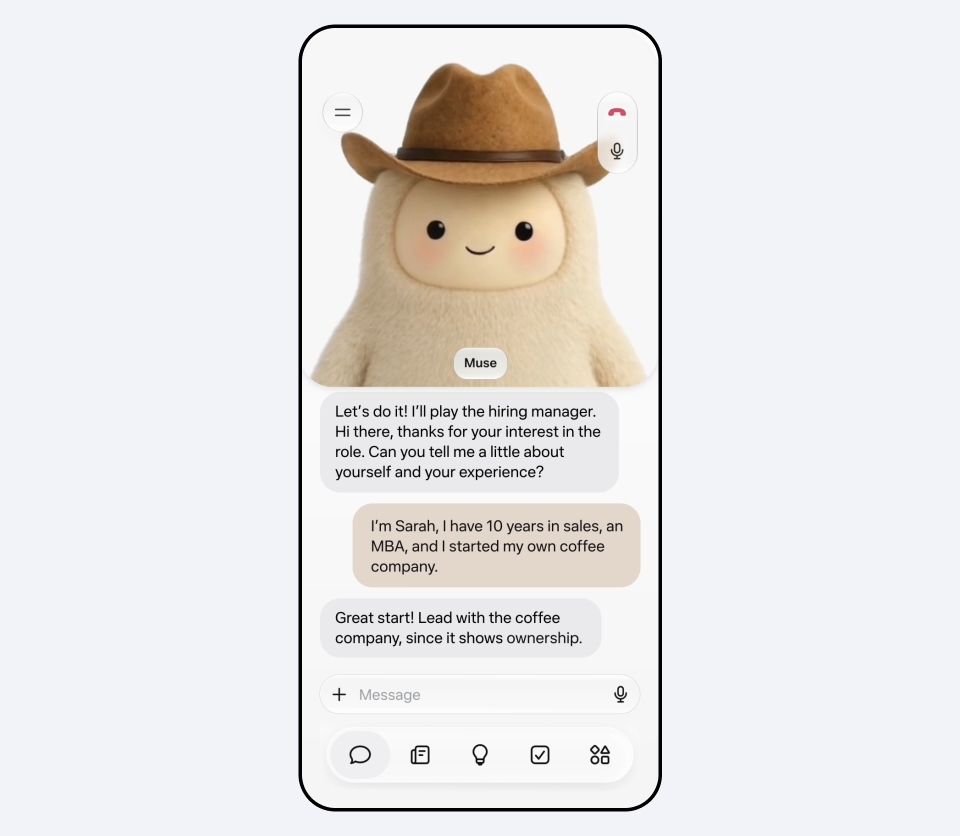
- You tell it what you need. Describe a task in plain language, like texting a person.
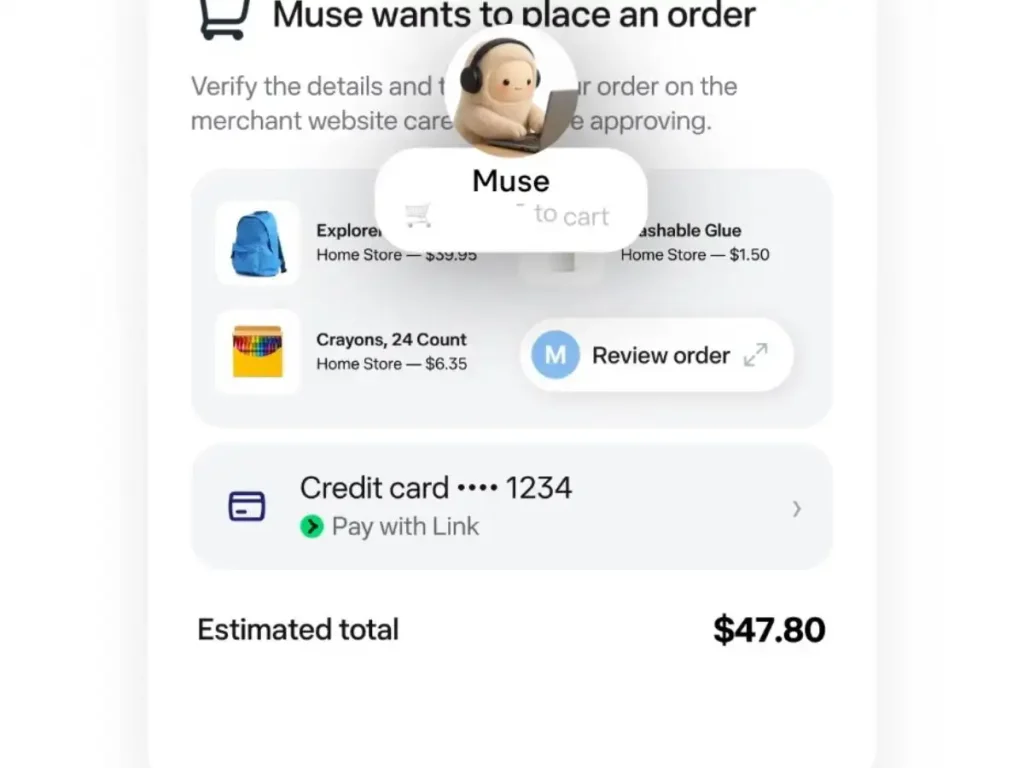
- Muse Spark makes a plan. The Muse Spark model breaks a bigger goal into steps, tracks progress, and checks back with you when it needs approval.
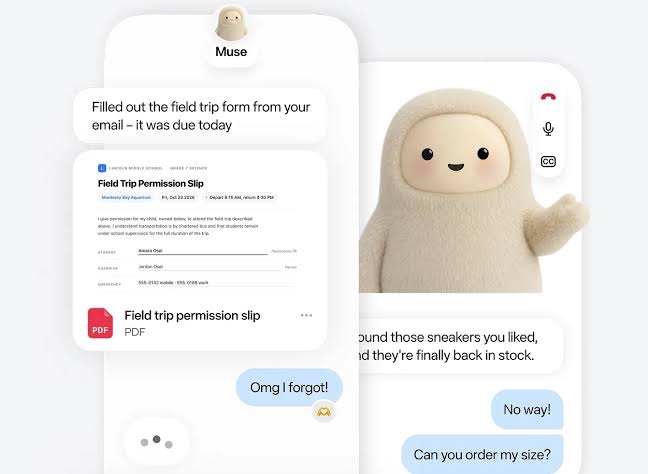
- It connects to your apps. Muse is designed to work with email, calendar, payments, health, shopping, and smart home apps. If there is no direct connection, it can browse a website like a person would.
- It works inside its own computer. Each user’s agent runs on a dedicated cloud computer called the Muse Secure VM. This is why Muse can keep working after you close the app.
- It pays safely. For purchases, Muse can use Link by Stripe, which creates a one-time-use card so your real payment details are not exposed.
How Muse stays safe
A big risk for AI agents is prompt injection, where a bad website or email hides instructions to trick the agent. Meta says it fights this in layers: the model is trained to resist it, content from untrusted sources is marked, and extra checks catch threats before they reach the model.
Memory and suggestions
Muse keeps information it finds useful and can make suggestions without being asked, like offering to order costumes when Halloween gets close.
What they are
- Soul.md is a markdown file used by Muse to configure the AI companion’s persona and identity, following the same plain-text pattern as CLAUDE.md and AGENTS.md.
- SOUL.md is a personality file that defines Muse’s tone, values and behavioral boundaries, and it can be edited directly in the app.
- Muse’s data controls expose editable memory files, including Memory, Soul and Identity documents, and users can export chats and manage stored files and goals.