
Last updated on September 16, 2025
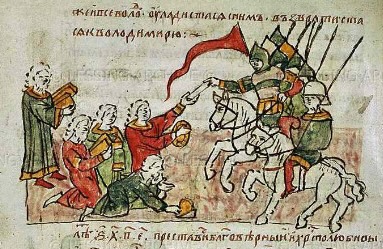
I read several pieces this week on the origins of modern Oral History. I use the term modern here because it is, indeed, very much a new thing. It is not like the oral history of medieval chronicles commissioned by and for lords to detail and brag about their own achievements in life and reign. Nor is it Herodotus, aptly named Histories, who travelled the Mediterranean collecting myths, postulations, and his own skepticisms. No, indeed, oral history is very much new and has bitterly fought to prove that it is a respectable method of researching and collecting history. Its most ardent critics? The people who should love it most, historians.
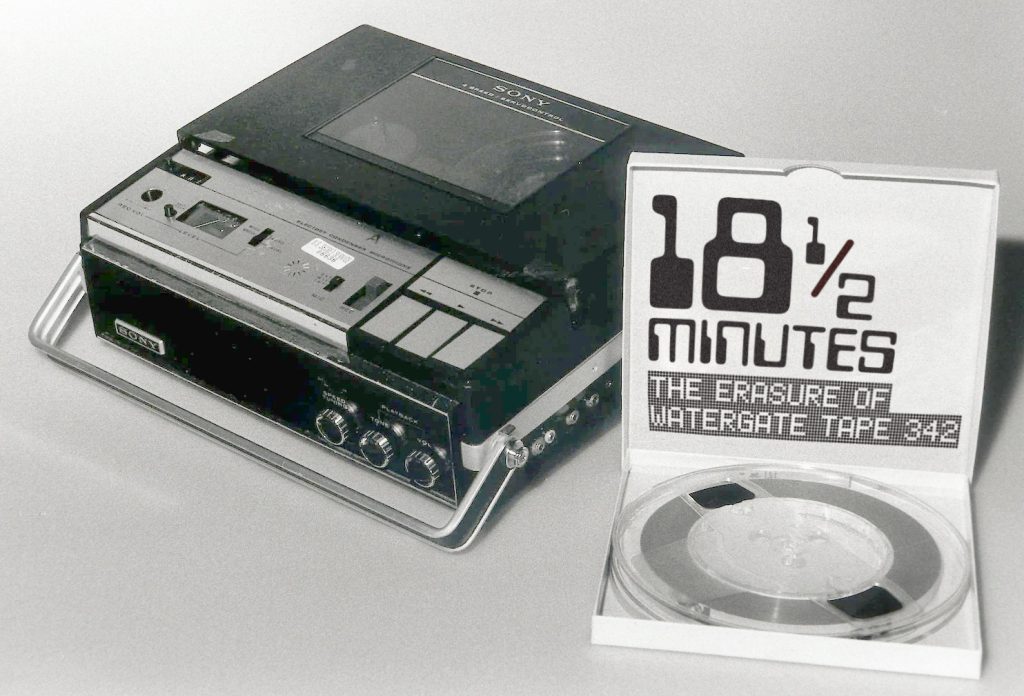
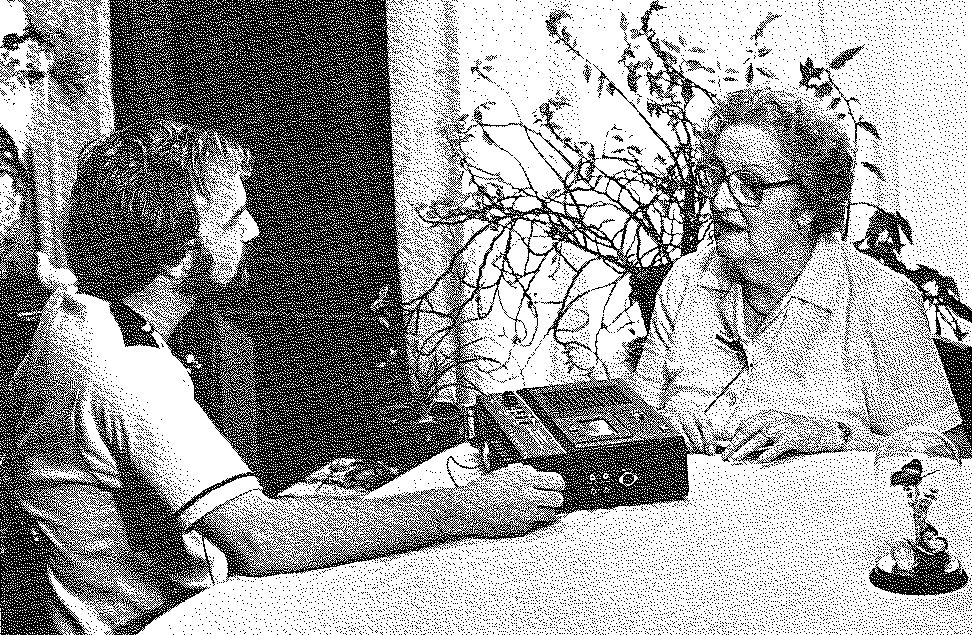
Allan Nevins, the “Father of Oral History,” helped form the auditory new medium by establishing methods and best practices. It is not simply recording someone talking about their life experiences, which suddenly makes it history. The multi-stage approach requires a trained historian to thoroughly research the topic and interviewee for whom they are about to engage, and later archive such work. Therefore, oral history is born from modern technology: the tape recorder. Various historians, even oral historians, have argued that recording is not a requirement, but I, like Nevins and Louis Starr, would argue that it is vital that the listener hear the source’s inflections, pitch, and tone to understand what is actually being conveyed.1 Rick Halpern mentions in Oral History and Labor History how, in some cases, transcripts of audio recordings were questionably edited to present a certain narrative.2
Alessandro Portelli’s The Death of Luigi Trastulli and Other Stories documents the now-famous death of Trastulli, whose exact date was misremembered by fellow villagers, highlighting the important need for well-researched historians.3 Without oral history, the interesting phenomenon it disclosed would never have entered modern discourse. Additionally, Portelli notes that: “. . oral sources give us information about illiterate people or social groups whose written history is either missing or distorted.”4 Louis Starr similarly writes how the digital age has made hand-written letters, notes, diaries, and paper documents as a whole almost entirely obsolete for the historian to discover. Oral history is a new way to fill in such gaps that our modern age has made more difficult.5
It is quite paradoxical, then, how oral history, perhaps the most basic form of all histories, has been battled at most every turn. What could be a more archaic and arbitrary mode of thinking than “History is not a recording, it’s a dusty old book in the back of the archives!” Or a blog for that matter. Yet these fears stem from conducting oral history without Nevins’ or Starr’s guidelines, as noted by Rick Halpern’s comments on the Lynd tradition “[which were conducted in a] haphazard manner, their silence on the editing process, and their apparent obliviousness to issues of hindsight and memory.”6 For all these concerns, the invention of the tape recorder has allowed more voices to be heard across various, previously nearly silent, socio-economic, racial, and ethnic backgrounds. It has helped democratize history. Portelli succinctly noted: “Oral sources are a necessary (not a sufficient) condition for a history of the non-hegemonic classes.”7 It provides the source’s thought processes, narrative, opinions, line of thinking, fears, confidences, and even lies. Its range is complex and so likewise requires a robust historian to situate its significance correctly within their research. All three of my images showcase history at different points throughout time, but all still require an experience and a well-researched historian to understand and interpret their significance (and authenticity or absence) in history. Oral history is likewise no different than these old methods.
- Allan Nevins, “Oral History: How and Why It Was Born,” in Oral History : An Interdisciplinary Anthology (Lanham: AltaMira Press, 1996), 35. ↩︎
- Rick Halpern, “Oral History and Labor History: A Historiographic Assessment after Twenty- Five Years,” The Journal of American History 85, no. 2 (September 1998): 601,605, https://doi.org/10.2307/2567754. ↩︎
- Alessandro Portelli, “What Makes Oral History Different,” in The Death of Luigi Trastulli, and Other Stories : Form and Meaning in Oral History (Albany, N.Y.: State University of New York Press, 1991), 45–58. ↩︎
- Portelli, What Makes Oral History Different, 47. ↩︎
- Louis Starr, “Oral History,” in Oral History : An Interdisciplinary Anthology (Lanham: AltaMira Press, 1996), 41. ↩︎
- Halpern, Oral History and Labor History, 597. ↩︎
- Portelli, What Makes Oral History Different, 56. ↩︎
Comments