Monthly Archives: September 2025

Blog#5 From Literature to Lived Experience: Crafting My Interview Questions

This week I read the article Social comparisons on social media: The impact of Facebook on young women’s body image concerns and mood by Fardouly, Diedrichs, Vartanian, and Halliwell (2015). The study investigates how brief exposure to Facebook affects women’s mood, body dissatisfaction, and perceived discrepancies in weight/shape, face, hair, and skin. The researchers compared Facebook exposure with viewing an online fashion magazine and an appearance-neutral control website. They hypothesized that Facebook use would lead to more negative mood and greater dissatisfaction with body and facial features than appearance-neutral content, due to the highly social and comparative nature of Facebook. They also examined whether trait appearance comparison tendency moderated these effects. Results showed that Facebook use can heighten body dissatisfaction and negative mood, especially among women who already have a tendency to compare their appearance to others.

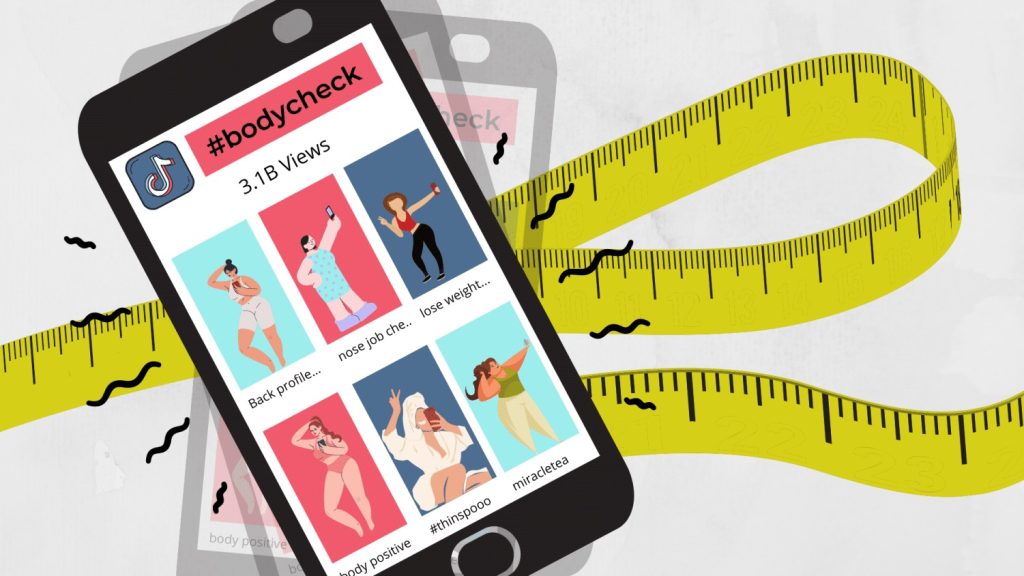
This article contributes directly to my MA project, which explores how social media platforms such as TikTok and Instagram influence body image anxiety and eating concerns among female college students. Although this study focused on Facebook, its findings about social comparison processes and appearance-based content are highly transferable to TikTok and Instagram, where visual self-presentation and peer interaction are even stronger. It gives me a theoretical basis to explain how constant exposure to curated images and peer comparisons can worsen body dissatisfaction and eating-related anxiety. It also highlights the role of individual vulnerability (like a pre-existing tendency to compare) — an idea I want to bring into my documentary by asking participants about how they personally respond to social media images.

This week, I didn’t make much progress on production work because of other deadlines. However, in recent class exercises, I felt that I improved a lot, especially since I hadn’t used a camera for a long time. I really missed being in the studio, and the part I enjoy most is interviewing people. In this week’s class, I was responsible for asking the interview questions, which helped me practice my interviewing skills and reminded me why I love this process!! I also started drafting some potential interview questions for my own project, and doing that suddenly made my project feel much clearer. Next week, I plan to identify potential participants and continue reading more research and articles related to social media and body image to keep building a strong foundation for my documentary.

Reference 

Fardouly, J., Diedrichs, P. C., Vartanian, L. R., & Halliwell, E. (2015). Social comparisons on social media: The impact of Facebook on young women’s body image concerns and mood. Body Image, 13, 38–45. https://doi.org/10.1016/j.bodyim.2014.12.002
Blog#4 Time Management and Project Progress ⏳

This week I read the article A systematic review of the impact of the use of social networking sites on body image and disordered eating outcomes by Holland and Tiggemann (2016). The authors review 20 empirical studies examining the relationship between social networking site use and body image concerns. Their findings suggest consistent links between time spent on platforms like Facebook and Instagram and negative body image outcomes, such as body dissatisfaction, appearance comparison, and disordered eating symptoms. The review highlights how highly visual and interactive aspects of social media intensify pressures around appearance, particularly for adolescent and young adult women. Importantly, it also identifies methodological gaps in prior studies, such as over-reliance on correlational designs and lack of longitudinal data.

This article contributes directly to my project by reinforcing the idea that social media platforms play an important role in shaping body image anxiety among young women. My MA documentary project will not only explore these issues from a statistical or correlational perspective but also bring them to life through interviews and personal narratives. Holland and Tiggemann’s findings show the academic consensus on the harmful role of social media in this area, which gives my project a strong research foundation. At the same time, the article’s critique of existing methodologies motivates me to approach the topic differently—by using qualitative storytelling methods that can capture nuance and lived experiences that numbers alone cannot provide.

This week, I did not make much progress on my project beyond keeping up with the reading. It has been a busy week with other commitments, and I struggled with time management. However, in Dr. Shaw’s Tuesday class, I learned many useful tips about time management, which gave me a clearer idea of how to plan my project timeline. This was really helpful and made me feel more confident about organizing my work for the semester!!!! Next week, I plan to outline my interview questions and review at least two additional academic sources so I can continue to build a strong literature base.

References

Holland, G., & Tiggemann, M. (2016). A systematic review of the impact of the use of social networking sites on body image and disordered eating outcomes. Body Image, 17, 100–110. https://doi.org/10.1016/j.bodyim.2016.02.008

The Weight of Images: Social Media and Eating Anxiety in College Life

Published September 12, 2025 by Weinala Hailati

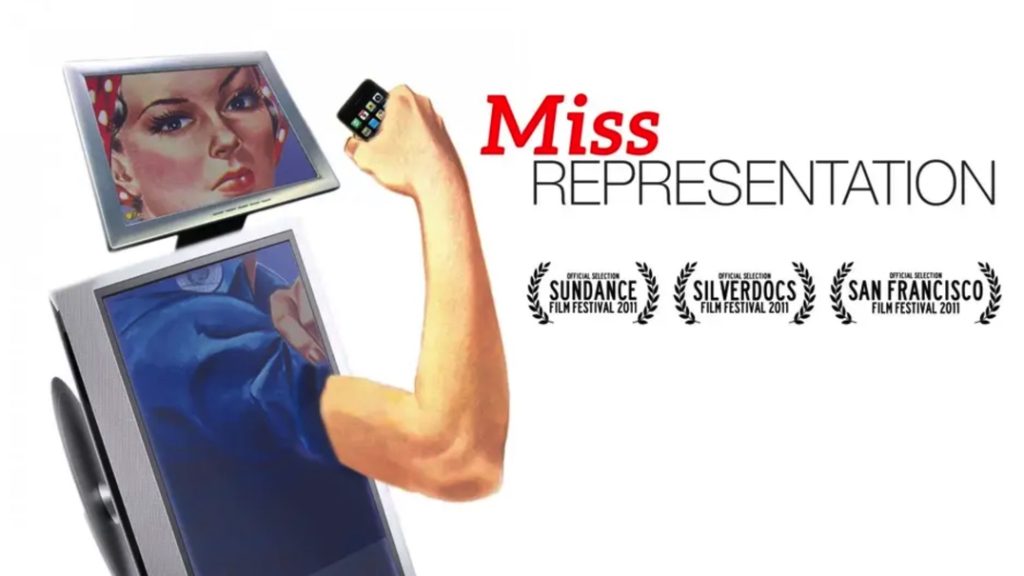
One media product that closely inspires my project is the documentary Miss Representation (Newsom, 2011). Although the film broadly examines how media shapes women’s self-perceptions and societal opportunities, what I found most compelling was its ability to balance individual stories with expert analysis. The film combines interviews with young women, activists, and academics, weaving these voices into a larger critique of how media constructs and perpetuates gendered norms. This combination of personal narrative and structural analysis mirrors what I hope to achieve in my own MA project, which will focus on how social media platforms such as TikTok and Instagram amplify body image anxiety and eating concerns among female college students. To make a similar project, I will need strong interviewing skills, careful planning of visual storytelling, and the ability to create a tone that balances empathy with critical insight.

In order to accomplish my project, I will also need to develop both technical and research-related background knowledge. From previous coursework, I already have significant experience making short documentaries, and I especially enjoy conducting interviews. I feel confident in my ability to guide conversations, ask meaningful questions, and create a comfortable space where people can share their personal stories. However, my production skills are not as strong. I am not very familiar with how to capture high-quality images, and I often struggle with recording clear audio—my sound tends to come out uneven or distracting. These are areas I know I need to improve through practice this semester. On the research side, Perloff (2014) points out that while there is extensive literature on mass media and body image, “there has been relatively little theoretically-driven research on processes and effects of social media on young women’s body image and self-perceptions” (p. 364). This gap highlights why my project is timely and necessary. Perloff further argues that the interactive and visual nature of social media—“working via negative social comparisons, transportation, and peer normative processes”—can significantly influence body dissatisfaction and disordered eating (p. 365). These insights provide a theoretical framework that will strengthen the foundation of my project. By combining my strength in interviewing with improved technical skills and these scholarly perspectives, I will be better prepared to produce a documentary that is both impactful and responsible.

References


Fardouly, J., Diedrichs, P. C., Vartanian, L. R., & Halliwell, E. (2015). Social comparisons on social media: The impact of Facebook on young women’s body image concerns and mood. Body Image, 13, 38–45. https://doi.org/10.1016/j.bodyim.2014.12.002

Perloff, R. M. (2014). Social media effects on young women’s body image concerns: Theoretical perspectives and an agenda for research. Sex Roles, 71(11–12), 363–377. https://doi.org/10.1007/s11199-014-0384-6

Newsom, J. S. (Director). (2011). Miss Representation [Film]. Girls’ Club Entertainment.

When Likes Shape Our Bodies: Exploring Social Media and Eating Anxiety

This week I read the article “Social Media Use and Body Image Disorders: Association Between Frequency of Comparing One’s Own Physical Appearance to Others’ Physical Appearance on Social Media and Body Dissatisfaction and Eating Disorders” by Fardouly et al. (2015). The study investigates how frequent appearance-related comparisons on social media platforms are linked to negative body image outcomes, particularly among young women. Using survey data, the authors found that higher levels of comparison correlated strongly with body dissatisfaction and disordered eating behaviors. The article highlights the role of visual-based platforms (such as Facebook and Instagram) in promoting unrealistic body ideals and amplifying appearance-based anxiety.

This article contributes directly to my project because it provides empirical evidence that social media engagement—especially appearance-related comparison—is a critical factor in shaping body image anxiety among female students. My documentary aims to explore the lived experiences behind these statistics, giving voice to students who feel pressured by constant exposure to filtered images and diet trends. While the article is quantitative and focuses on correlations, my work will build on this by presenting narrative and visual storytelling that humanizes these findings. It affirms that my project has both academic and social relevance, as it connects personal stories with broader cultural patterns identified in the literature.

This week, I worked on refining my topic. At first, my project idea was too broad—simply “female college students and body anxiety.” After further research, I decided to narrow my focus to the impact of social media platforms like TikTok and Instagram on eating habits and body image. I also drafted potential interview questions and started thinking about which students I could approach as participants. Next week, I plan to gather at least two more academic sources and possibly schedule my first informal conversation with a peer to test my interview prompts.

Reference
Fardouly, J., Diedrichs, P. C., Vartanian, L. R., & Halliwell, E. (2015). Social comparisons on social media: The impact of Facebook on young women’s body image concerns and mood. Body Image, 13, 38–45. https://doi.org/10.1016/j.bodyim.2014.12.002