
Money matters
Those who have traveled internationally are likely aware that in most countries around the world you can use your bank cards (typically branded with Visa, MasterCard, or American Express) with relative ease, and that’s also true in Tokyo–at least, kind of. There are a few things that you should be aware of that will seem unusual, especially to Americans, but there are some easy ways to prepare yourself. Here’s what I discovered.
First and foremost, note that your American bank or credit card company is very likely to charge you international transaction fees. It’s much more of an exception than the norm for stateside institutions to not charge these fees, so you’ll want to check on that. Checking accounts and debit cards almost universally charge international fees, but there are a few notable exceptions. Capital One 360 Checking is completely free, and charges no international transaction fees–and that includes foreign ATM fees. This is extremely unusual, to be sure, especially for a free account. I opened one of these accounts before I left, and so far I have had zero issues using the debit card here in Tokyo, with one small hiccup related to placing an order on Amazon.co.jp. Otherwise it’s been extremely beneficial to have, as I’ve avoided tons of extra fees. (Full disclosure: While I wish I was getting some kind of kick-back from Capital One for this plug, I am not… I’m just a fan!)
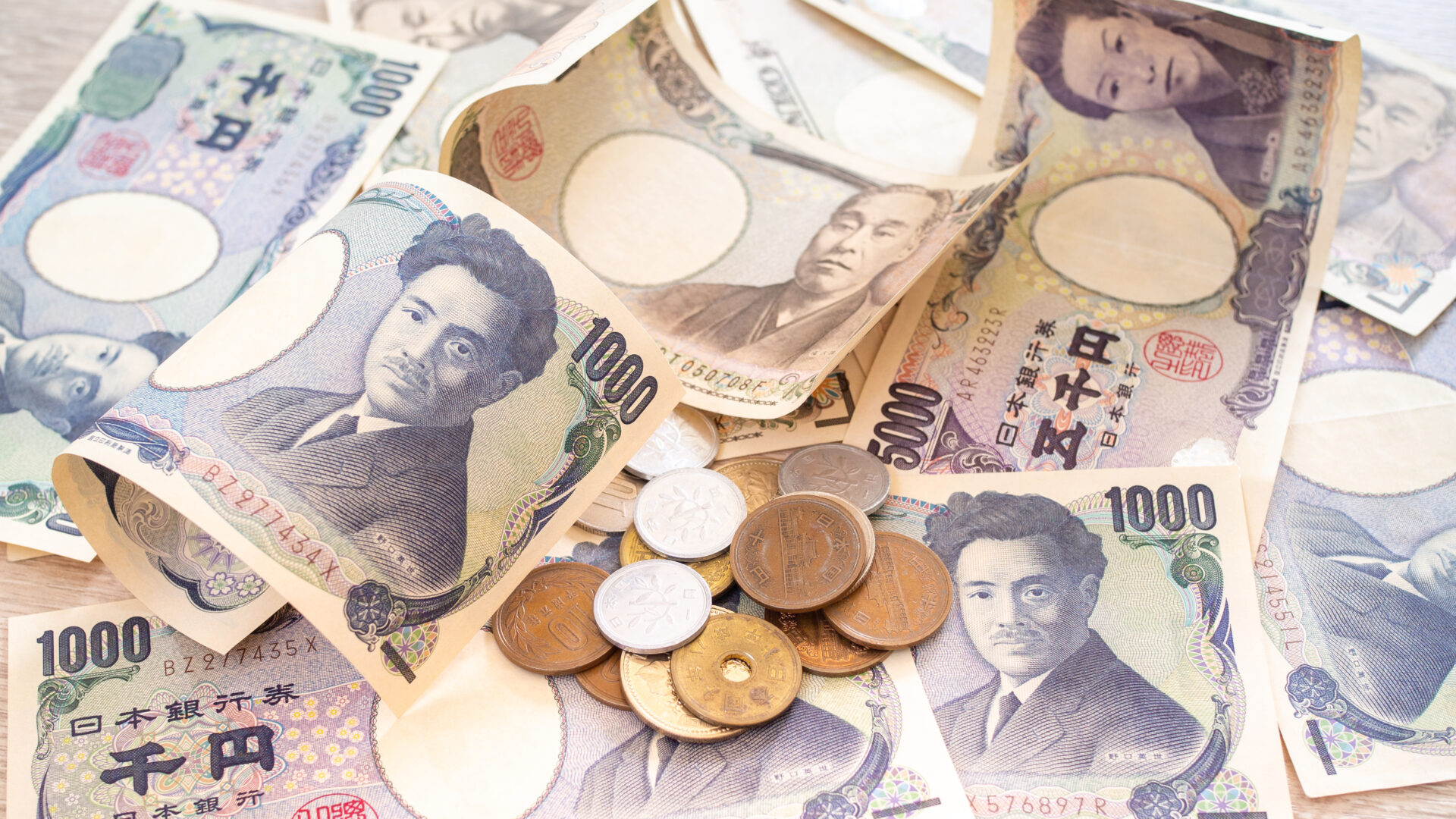
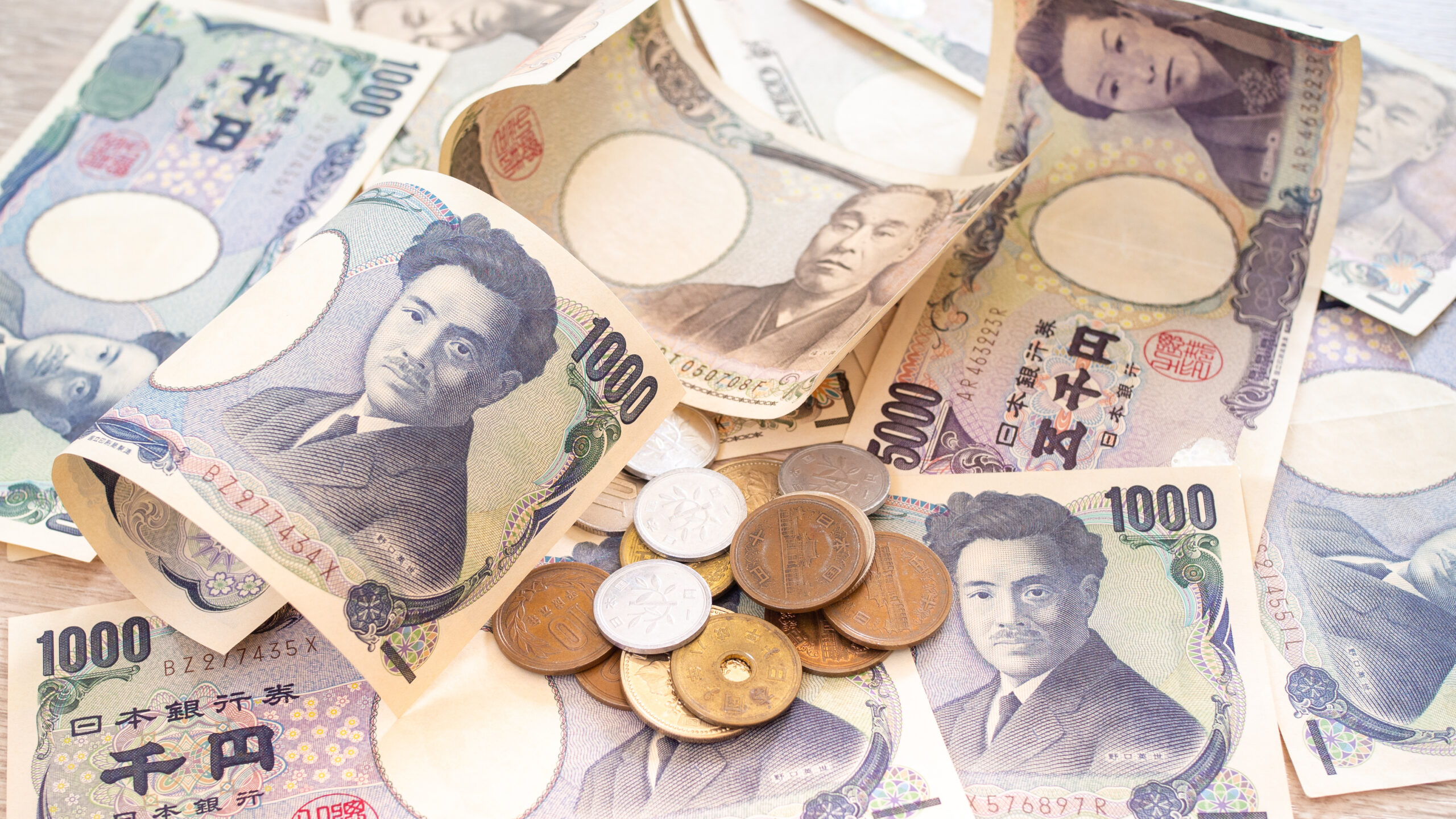
Getting cash is fairly easy, but keep in mind that many ATMs have some limitations that will likely seem unusual to Americans. For one thing, some have operating hours, meaning that they are “closed” (unavailable) overnight. Many will simply not accept foreign bank cards; they’ll just be rejected with an error message. Using ATMs located in convenience stores like 7-Eleven or Lawson is a safe bet, though you are likely to be charged a small convenience fee (usually less than 200¥, which is currently about $1.50). Even with this fee, you will tend to get the best exchange rates at ATMs (so say the experts).
Finally, there may be situations where you are asked whether you want to pay in your home currency or in the local currency. It tends to be a better bargain to do the latter; the exchange rate is not as good in these cases, and the supposed “convenience” of converting back to dollars is not much more than a cash grab (even if the vendor might like to call it a “value-added service”).