By Maddi
The environmental sustainability movement began to take flight in the late 1950s and early 1960s, post World War II. Some societal changes which kickstarted the movement were the increased standard of living and amenities that became accessible to Americans during this time. America now had more of an advanced industrial society, and people were more capable of adopting values outside of their own personal affairs. In other words, people had “more time to care” about the environment and its wellbeing. Alongside these new values came new technology. Industrialization paved the way for technology, chemical usage, etc. that effectively began to hurt the environment even more. One aspect of the movement that had existed long before the movement itself, was the concern of conserving nonrenewable resources. This was known as the conservation movement. In the 1970s more concerns about pollution began to arise, and the average American expressed concern for the planet, thus making the movement rise in popularity. (Hays).
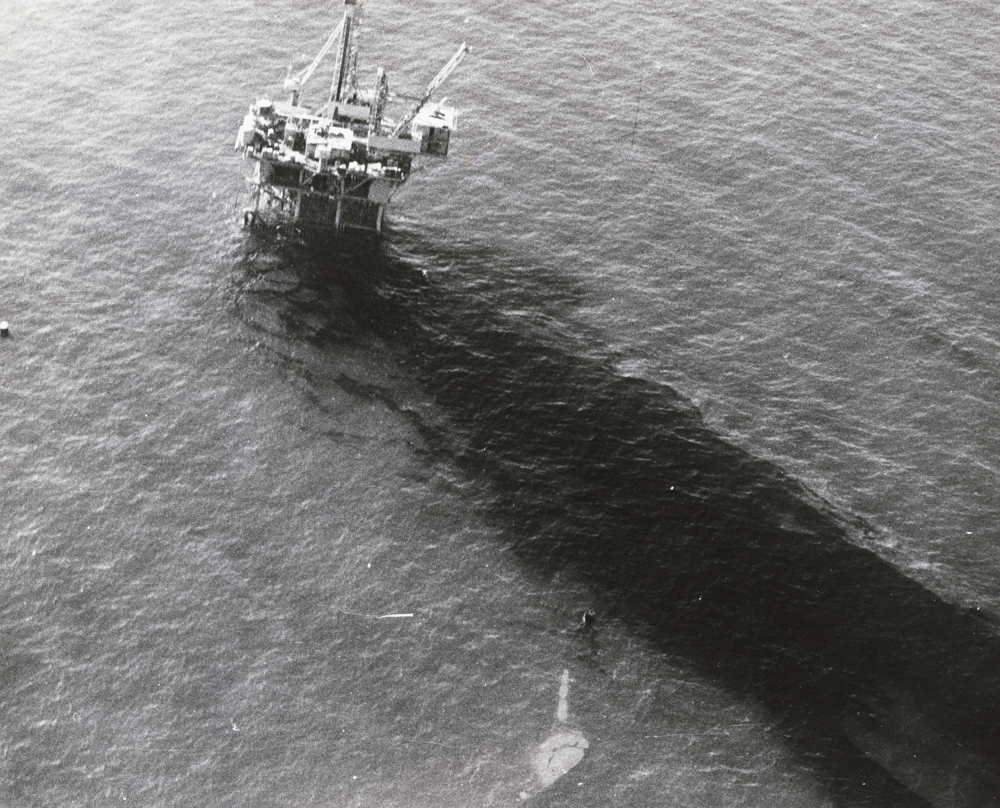
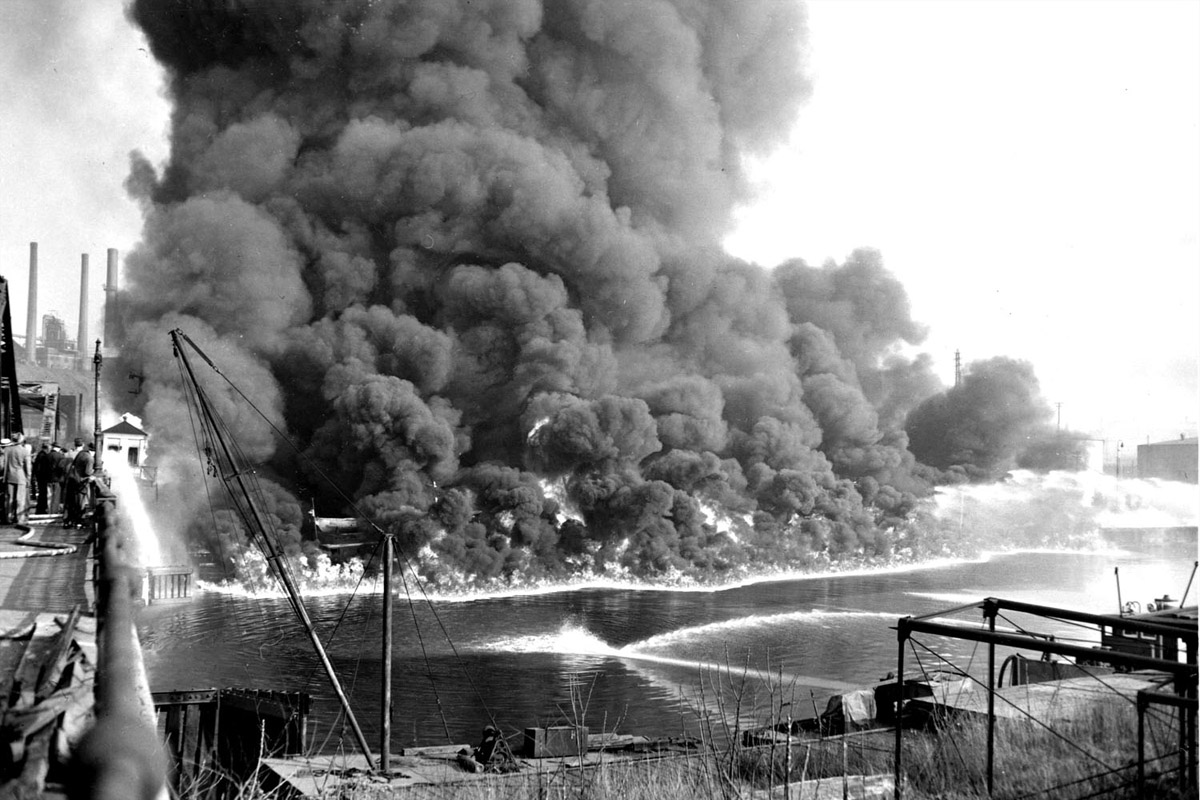
Some notable events which contributed to the momentum of the movement took place in 1969 including a massive oil spill in Santa Barbara, CA and the Cuyahoga River in Ohio setting on fire because it was so polluted. These events led directly to a spur of concern and caused the Clean Water Act to take action (see photos below). The same year the National Environmental Policy Act (NEPA), the first major U.S. environmental law, was enacted and signed into law in 1970 by President Nixon. NEPA requires all federal agencies to go through a formal process before taking any action anticipated to have substantial impact on the environment.
Another very renowned pinpoint of sustainability history is the book “Silent Spring” by Rachel Carlson. The book was published in 1962 and condemns the overuse of pesticides in farming. Between 1950-1962 the amount of DDT found in human tissue had tripled, and the book raised awareness for this issue.
In 1970 on April 22nd, we celebrated the very first “Earth Day,” which still to this day is used as a reason to appreciate and promote the protection of the environment. Oftentimes this day is marked as the official beginning of the modern environmental sustainability movement.
Although there are many notable dates within the early stages of the environmental movement which mark its progression, the movement continues to gain traction over time, and it changes drastically with the new technology and society we live with today.