
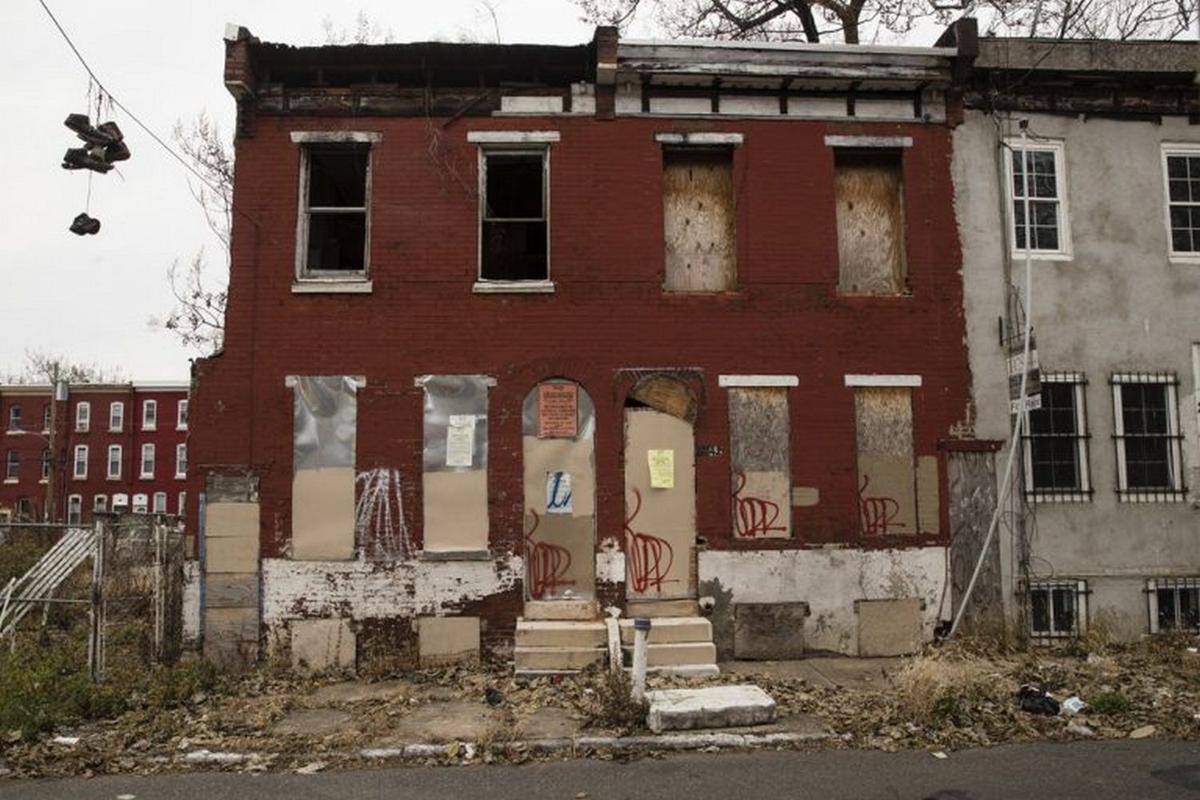
Philadelphia has been home to some of the brightest minds, as well as a loving, diverse community that has held the place for many generations of families for a long time, but over many years, the recurring crisis of vacant homes and lots continues to linger in the city. The wasteland of abandoned buildings that pervades most of the low-income areas not only imbues a fearful environment for its surrounding residents but also prevents the homeless population of Philadelphia to the right of a roof over their heads. My experience with these buildings comes from adventuring through the surrounding Temple area, entering buildings that have been untouched or unchanged for many years. Wandering through these locations made me curious as to why these buildings are left in their conditions and what has prevented them from being turned into something beneficial for the community.
Neglection and Poverty
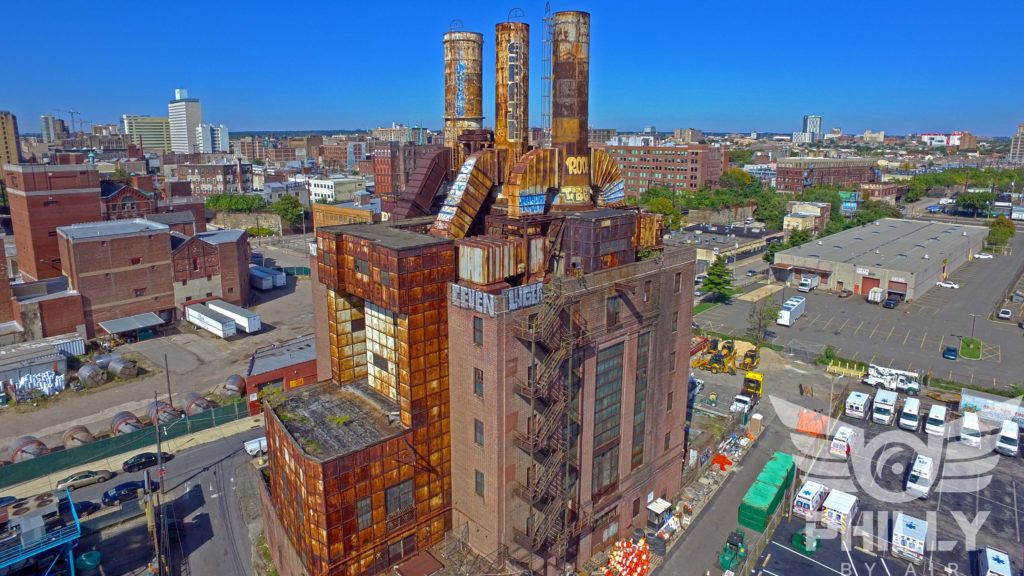
The problem with vacant lots in Philadelphia is very long and complex and comes with a history behind it. To give some background, Philadelphia reached a height in population in the 1950s with over 2 million residents. As times changed and technology expanded, manufacturing jobs either moved to cheaper labor markets or became automated, resulting in a loss of jobs and the general population decreasing to 1.5 million by 2000. With the decline in population, came the growth of abandoned and vacant buildings in the Philadelphia area. Many of these buildings and factories over time have either become demolished or still stand today through neglect and lack of change. (Esposito, 2020). By 2010, Philadelphia had a documented 40,000 or so vacant lots, with 30,000 of those lots privately owned, and the other 10,000 handled by public agencies. Out of all of the vacant properties, 3,000 have buildings and other various structures standing. (Kondo et al. 2015).

With the number of vacant properties still existing in Philadelphia, there are more than enough vacant lots that could be turned into public/affordable housing for low-income families and the homeless, along with any other endeavors for these lots that would improve the welfare of these communities. This could be achieved by the city alone as well if you’re only accounting for the properties owned by public agencies. According to a 2020 tally of people experiencing homelessness carried out by the Philadelphia Office of Homeless services, more than 6,000 people in the city are considered destitute, with more than 950 of those people being unsheltered. On a larger scale, there are 17 million registered vacant homes and 552,830 people currently homeless in the U.S. overall, displaying a huge dissonance within our capitalist nation. (NAEH, 2018) (Census Bureau, 2019). Seeing these numbers together, it is clear that a reutilization of these vacant properties into public and affordable housing could end the homeless problem in Philadelphia for good, but why has the city not done this already?
Abandoned buildings and vacant lots illustrate a far-reaching problem with the current strategies of urban development, and under this comes the issue of urban sprawl, the preservation of development outside of a municipal area. Urban sprawl is a consequence of a city’s hesitancy to develop inner-city areas due to socioeconomic trends and demographic changes. In recent years, many areas in the city of Philadelphia where these buildings reside have undergone renovation changes, but it was done through the process of gentrification. These areas include Fishtown (formerly known as Old Kensington), Northern Liberties, and university areas where majority-black populations used to reside like Cedar Park and Spruce Hill in West Philly, as well as many of the surrounding neighborhoods near Temple University (Brey, 2016.). While the renovation in these locations made the overall atmosphere more “lively”, gentrification is not a solution to the abandoned and vacant lot crisis, it has only created more problems when it comes to displacing pre-existing communities and giving low-income residents and the homeless fewer options for housing and shelter.
Power To The People
With many of these vacant properties being present within these neglected neighborhoods, the city should view these lots as less of a liability and a financial burden and instead be seen as community assets. It is estimated that the city of Philadelphia spends almost $10 million a year cleaning up illegal dumping, which often happens in vacant lots. (Esposito, 2020). It also requires the city $20 million in annual upkeep of those vacant lots and deprives the city of $3.6 million in possible annual tax revenue (Kondo et. al, 2015). If our community, the most important element to this process, and the government can come to a conclusion of how to utilize these vacant lots, not only would it benefit the well-being of these neighborhoods, but would also benefit the government financially where they wouldn’t be spending so much money on vacant lots not being used. A step in the right direction that gives the communities any leverage is having the city alternatively entrust vacant land to community members to build local assets and prosperity, becoming a path to community improvement rather than commercial development.
Adjacent to this vision, there are examples of many community gardens and farms in Philadelphia that took up and reutilized the vacant lots. Philadelphia is also currently investing in an urban agricultural plan to allow a process of protecting the gardens and farms that exist in communities right now along with making more in the future. (Philadelphia Parks & Recreation, 2019). While this is only one example, we can also illustrate the other uses for these lots such as pop-up restaurants and markets, sculpture gardens, community centers, public housing, the possibilities are endless. Leaving these lots vacant in the shape they are in will only continue to create a negative impact if action is not taken accordingly. With many of the vacant and abandoned buildings left alone and neglected, a distressing atmosphere looms over the communities struggling due to the broken environment. If put to use, the revitalized lots can change a neighborhood from a fearful environment into a welcoming place, relieving the psychological effects that it has on many residents with the presence of these torn and barren buildings.
Broken Windows in a Broken Atmosphere
Through the neglect of these lots, there becomes a psychological effect on the neighborhood due to their poor quality and welcomes an unconditional relationship with crime. There is a theory called the “Broken Window Theory” coined by researchers George Keeling and James Q Wilson, which predicates that “if a window in a building is broken and left unrepaired, all the rest of the windows will soon be broken.” (Wallace & Schalliol, 2015). The structures become breeding grounds for social disorder and other problems of the like, creating a stressful, fearful and anxious atmosphere for the communities where they permeate. Residents of the area would observe criminal activity developing nearby but remain distant to it for their own safety. This gives the person who plans to carry out a crime an indication that neighborhood inhabitants feel indifferent to what happens around the buildings, and as a result, increases the likelihood of the crime being committed.
As these buildings stand as symbols of affliction in the areas they inhabit, it rids the surrounding inhabitants of any relieving view of more green areas, which is linked to a decrease in depression and a decrease in crime. Behavioral scientists at the University of Pennsylvania conducted a study on behavior around vacant lots and found that violent gun crime can drop by as much as 29% in areas where vacant lots are cleaned and greened. (Esposito, 2020). Researchers also measured the mental health of Philly residents before and after nearby vacant lots converted into green spaces, along with residents living nearby abandoned lots. It was found that people living within a quarter-mile radius of these green spaces had a 41.5 percent decrease in feelings of depression compared to the residents that live near uncleaned abandoned lots. They also found that the people living near the green lots experienced close to a 63 percent decrease in self-reported poor mental health. (Penn Medicine News, 2018).
Reaching Out & Getting Involved

It becomes more evident that the utilization of these abandoned lots is undoubtedly necessary to improve the welfare and prosperity of the communities it occupies, along with the involvement of the community to be able to make these changes happen. Fortunately, there are programs to get involved in that help make this future for everyone possible. These programs include PHS (Pennsylvania Horticultural Society), which, as defined by their site uses “horticulture to advance the health and well-being of the greater Philadelphia region.” The City of Philadelphia’s Vacant Lot Program, promoting clean neighborhoods by enforcing the city’s property maintenance codes through inspections and cleanups and Rebuilding Together Philadelphia which revitalizes communities by transforming vulnerable, owner-occupied houses into safe, healthy, and energy-efficient homes. As people living in these communities, it is important for us to take action and help each other out in creating an environment that we want to live in and be a part of. Together, we can go towards a direction where many of these abandoned and vacant lots can turn into affordable housing, green lots, and any other endeavors that will help our communities grow in strength and care.