
By Joelle DelPrete
/cloudfront-us-east-1.images.arcpublishing.com/pmn/OVLGUBB5RRD7JPYZYEWH26KY5U.jpg)
In May of 2021, the half-acre of land on the corner of 15th and Parrish Streets in Francisville, North Philadelphia, was a sight to behold. Dogs of varying breeds played amongst newly constructed benches and fences, and residents congregated in a lot that was once filled with trash and overgrown weeds. This small dog park oasis represents the many vacant lots across Philadelphia revitalized by locals as gardens, playgrounds, parks and more.
However, many of the people repurposing these abandoned spaces do not own them. This is the case with the property in Francisville. The Philadelphia Redevelopment Authority, who owns the lot, issued a warning for residents to vacate and remove everything by May 12th, or be charged with trespassing. If developed, the city will be taking away more than just a dog park, but the only community green space Francisville residents can call their own.
Vacant lots across the city are owned by different organizations and resold to developers for various reasons; in the case of the Francisville property, the Philadelphia Redevelopment Authority has already pre-approved the space for affordable housing. After all the hard work put into the project, residents are not happy with the order. Neighbors created a petition that got over 1,300 signatures to keep the area undeveloped. Andrew Tsvikevich, one of the original creators of the dog park, said the community space has made it easier to make friends.
“Before, everyone was seeing each other’s faces but were too shy to start conversation, and now that we are in the park- it’s like way easier”, he said. This aspect is important, and there have been plenty of studies that highlight other reasons why open lots should be preserved for the community.
Many vacant lots that are waiting for development are often trashed-strewn, overgrown, and a hub for criminal activity. In a research journal conducting random trails on restored vacant lots in cities and their effect on violence, crime, and fear, they found that “…residents who lived near newly renovated spaces reported experiencing significantly less crime and vandalism, independently corroborating findings from police-reported data.” (PNAS, 2018, p.4). As is the case in Francisville, the study also found that shared spaces such as community gardens encourage people to go out and meet with neighbors, fostering more social interactions while beautifying the space.
/cloudfront-us-east-1.images.arcpublishing.com/pmn/AAQB76LCC5GP3NK55UQGKJEIII.jpg)
After talking with the Housing Authority of Philadelphia, Tsvikevich found the biggest issue is the liability of owning the property. A dog park would be considered active use of the land, where if something bad were to happen (like a dog biting), any potential consequences like a lawsuit would fall upon the city.
On top of that, the city has said it will not sell the land for recreational use because it has already been pre-approved for affordable housing. However, this has yet to come to fruition, and Tsvikevich and his neighbors believe that many of the organizations who own vacant lots across Philly are just slowly waiting to sell out for the most profit.
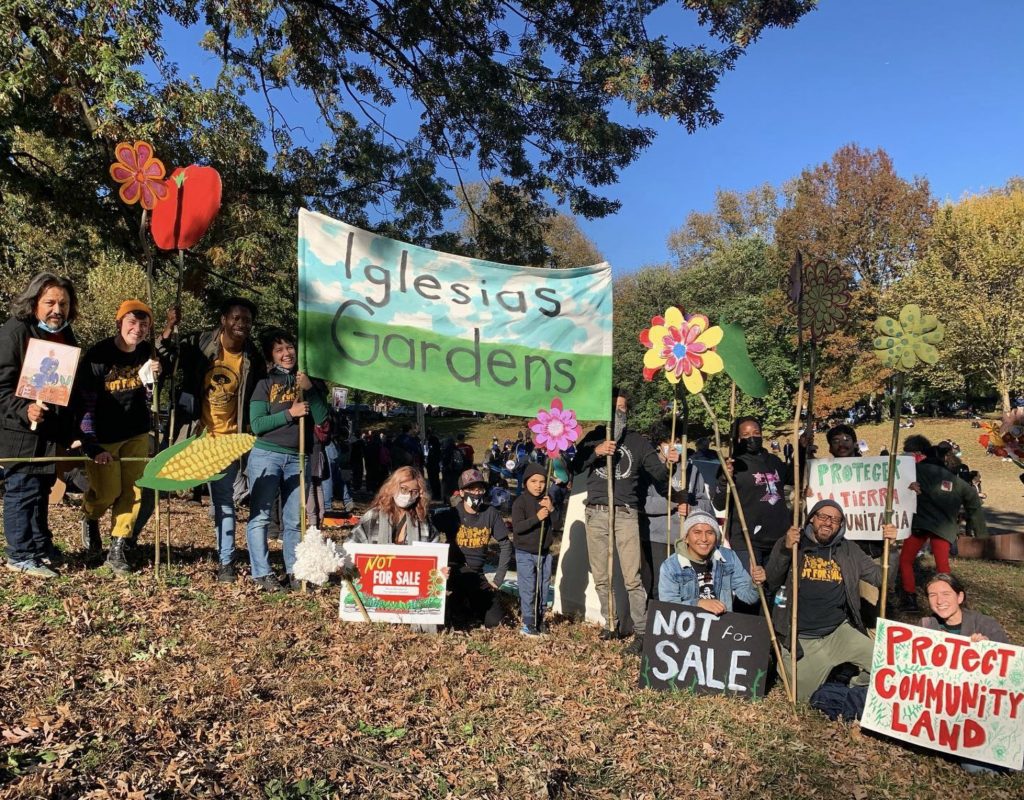
One such organization is The Philadelphia Land Bank. A report published in January 2021 by the Philadelphia Coalition for Affordable Communities criticized the agency due to the very low number of properties they gave to private community residents. However, as of this year, things are getting better. Former executive director of Land Bank Angel Rodriguez pointed out the efforts made to preserve the César Andreu Iglesias Community Garden, in West Kensington. The garden, which is a popular meeting spot for Hispanic residents, narrowly avoided plans to build a high rise on American street within their property.
With all the trouble involved in getting permission to legally use the space, the neighbors at Francisville have decided to keep using the property until they are forcibly stopped. This Halloween the lot will host a doggy costume contest, and Tsvikevich will be dressing up his Blue Heeler-Australian Shepherd pooch he originally created the park for.
His plan, he said, is to keep developing and get more people involved, until the city sees that this park is something worth keeping around. This community, among so many others, will continue to shape the landscape of Philadelphia, one pocket of preserved, open land at a time.