DOG PARK STRUGGLES TO STAY OPEN AFTER CITY ANNOUNCES PLANS TO DEVELOP

By Joelle DelPrete

Photo by Tyger Williams for The Philadelphia Inquirer

In May of 2021, the half-acre of land on the corner of 15th and Parrish Streets in Francisville, North Philadelphia, was a sight to behold. Dogs of varying breeds played amongst newly constructed benches and fences, and residents congregated in a lot that was once filled with trash and overgrown weeds. This small dog park oasis represents the many vacant lots across Philadelphia revitalized by locals as gardens, playgrounds, parks and more.

However, many of the people repurposing these abandoned spaces do not own them. This is the case with the property in Francisville. The Philadelphia Redevelopment Authority, who owns the lot, issued a warning for residents to vacate and remove everything by May 12th, or be charged with trespassing. If developed, the city will be taking away more than just a dog park, but the only community green space Francisville residents can call their own.

Who Let the Dogs Out?

Vacant lots across the city are owned by different organizations and resold to developers for various reasons; in the case of the Francisville property, the Philadelphia Redevelopment Authority has already pre-approved the space for affordable housing. After all the hard work put into the project, residents are not happy with the order. Neighbors created a petition that got over 1,300 signatures to keep the area undeveloped. Andrew Tsvikevich, one of the original creators of the dog park, said the community space has made it easier to make friends.

“Before, everyone was seeing each other’s faces but were too shy to start conversation, and now that we are in the park- it’s like way easier”- Tsvikevich.

This aspect is important, and there have been plenty of studies that highlight other reasons why open lots should be preserved for the community.

Why Restoration Matters

 Many vacant lots that are waiting for development are often trashed-strewn, overgrown, and a hub for criminal activity. In a research journal conducting random trails on restored vacant lots in cities and their effect on violence, crime, and fear, they found that “…residents who lived near newly renovated spaces reported experiencing significantly less crime and vandalism, independently corroborating findings from police-reported data.” (PNAS, 2018, p.4). As is the case in Francisville, the study also found that shared spaces such as community gardens encourage people to go out and meet with neighbors, fostering more social interactions while beautifying the space.

Photo by Tyger Williams for The Philadelphia Inquirer

 After talking with the Housing Authority of Philadelphia, Tsvikevich found the biggest issue is the liability of owning the property. A dog park would be considered active use of the land, where if something bad were to happen (like a dog biting), any potential consequences like a lawsuit would fall upon the city.

On top of that, the city has said it will not sell the land for recreational use because it has already been pre-approved for affordable housing. However, this has yet to come to fruition, and Tsvikevich and his neighbors believe that many of the organizations who own vacant lots across Philly are just slowly waiting to sell out for the most profit.

One such organization is The Philadelphia Land Bank. A report published in January 2021 by the Philadelphia Coalition for Affordable Communities criticized the agency due to the very low number of properties they gave to private community residents. However, as of this year, things are getting better. Former executive director of Land Bank Angel Rodriguez pointed out the efforts made to preserve the César Andreu Iglesias Community Garden, in West Kensington. The garden, which is a popular meeting spot for Hispanic residents, narrowly avoided plans to build a high rise on American street within their property.
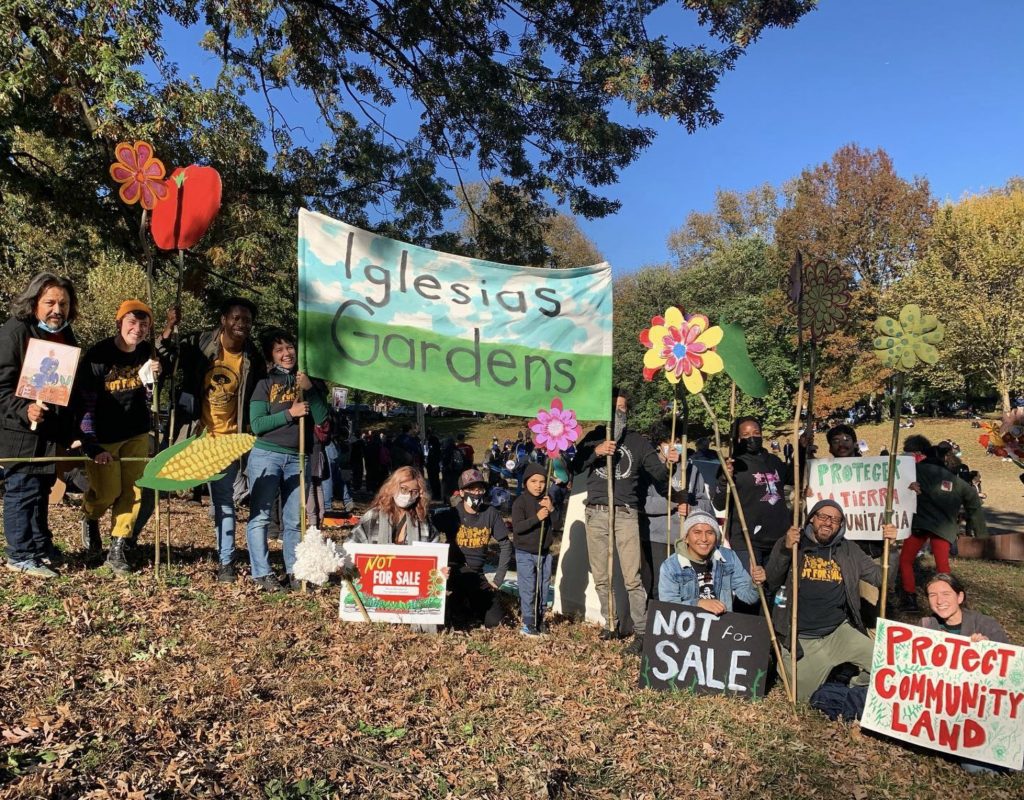
Image from César Andreu Iglesias Community Garden Facebook page, posted November 6, 2021

With all the trouble involved in getting permission to legally use the space, the neighbors at Francisville have decided to keep using the property until they are forcibly stopped. This Halloween the lot will host a doggy costume contest, and Tsvikevich will be dressing up his Blue Heeler-Australian Shepherd pooch he originally created the park for.

His plan, he said, is to keep developing and get more people involved, until the city sees that this park is something worth keeping around. This community, among so many others, will continue to shape the landscape of Philadelphia, one pocket of preserved, open land at a time.

Stella: Philly’s Horror Hostess And Her Legacy

By Celina Ehrlich

Floating down a misty hallway with her long black hair, skin tight black dress and long red fingernails, Vampira birthed the horror hosting genre with her signature blood-curdling scream. Her TV production, The Vampira Show, which aired on KABC-TV in Los Angeles, was the first of its kind, creating a timeless format where a ghoulish host introduces a classic horror movie that they watch with the audience, making comedic comments along the way. In the 1980s, Philadelphia’s own horror show, Saturday Night Dead, was hosted by Stella, “that maneater from Manayunk ” who represented a uniquely Philadelphian brand of horror hosting that is remembered to this day.

Continue reading Stella: Philly’s Horror Hostess And Her Legacy

Domo’s Barn: A View from the Stoop

photo via @domosbarn on Instagram

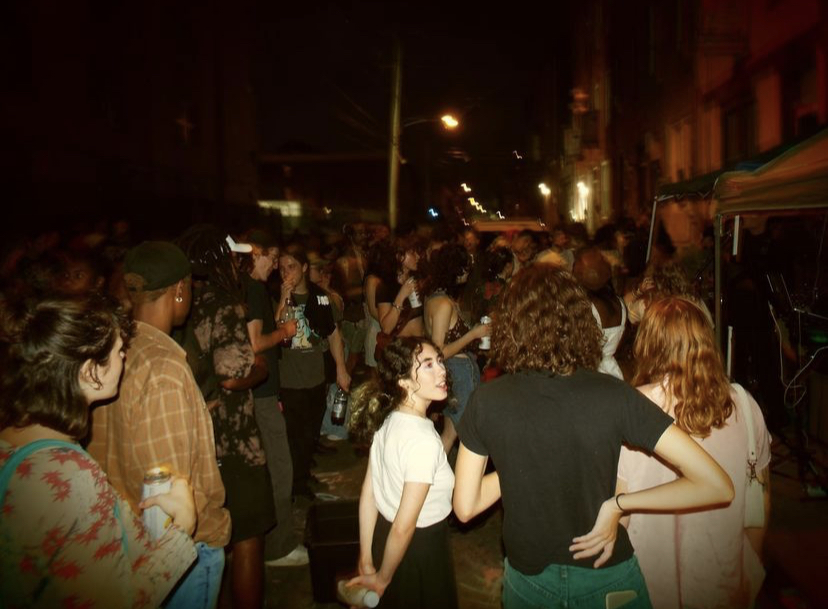
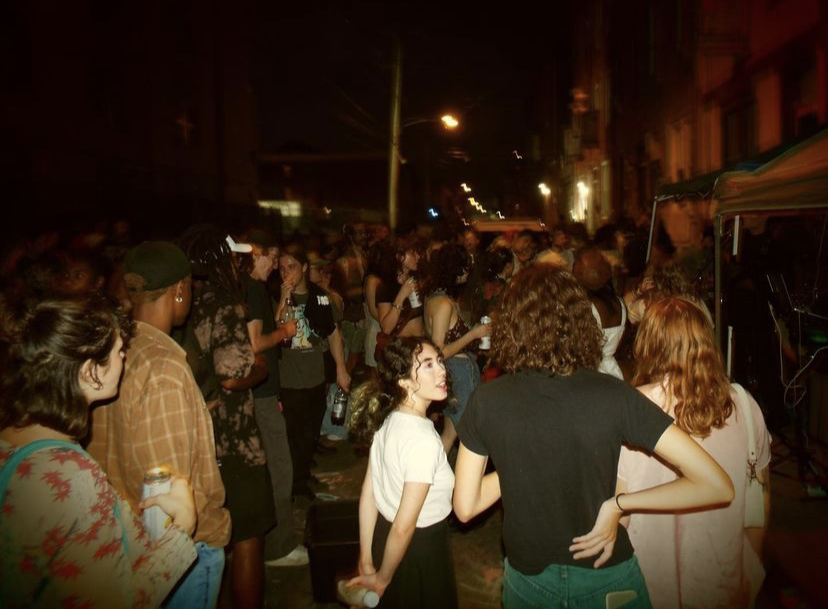
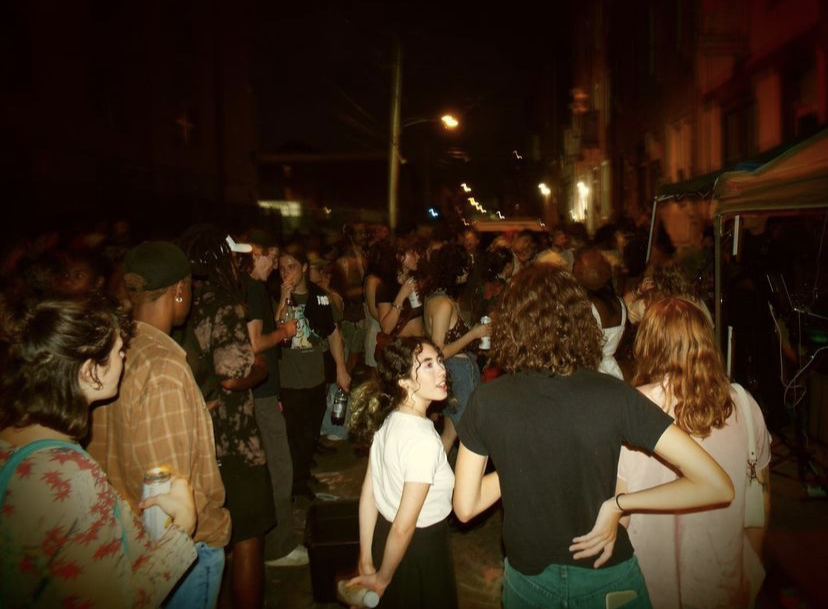
The street is decorated with various shapes and colors. Sidewalks are lined with people, mugs in hand. The yellow glow of the streetlights takes the place of the sun against the dusk sky. Colorful gobos travel across the crowd as they jump in sync with the drummer. The vibrations create an earthquake in your chest. You raise your arms to the night sky, eyes closed and ears ringing with the slaps, screeches and hums flying through the amps on the sidewalks. Welcome to the Barn.

The Barn at a Glance

Local concert venue, Domo’s Barn, has become a local phenomenon, playing the streets of North Philadelphia for the past 2 years. Located at 1528 N. Carlisle St., Domo’s Barn hosts local bands and crowds every month. Through its epic celebration of life, music and artistry, Domo’s Barn contributes to Philadelphia’s existing culture by advocating for diversity, promoting local artistry and creating an energetic and inclusive community in North Philadelphia. 

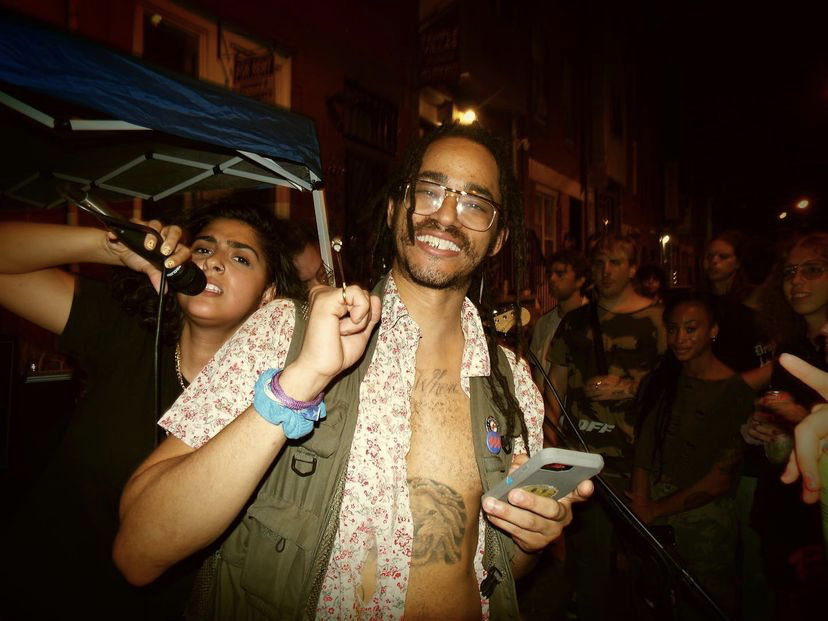
Domo – picture via @herefromhill and @domosbarn on Instagram

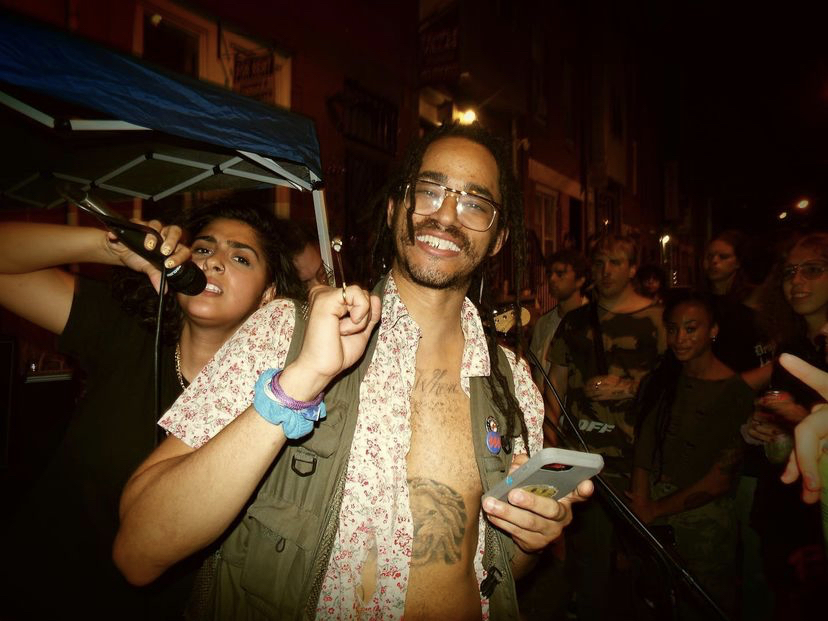
Domo, the founder of the venue, is the man behind the stoop that makes it all happen. Inspired by his upbringing, he started the Barn just for fun. “When I first moved to Philly from California, I loved the outdoors shows so we always did it in my backyard. [N]ow the barn has been born to funk up the block.” This deep-rooted passion for live music has carried him across the country and drawn groups of hundreds to his block to share it with him.

The Sound of the Stoop

Domo’s wide-range music taste helps promote a diverse selection of local bands. “[It’s] a fucking mashup. […] I love local music of all kinds. Rock, rap, funk jazz, if my ear likes what it hears then here it will be […] at the barn.” Digging into Philadelphia’s roots that gave birth to artists like Billie Holiday and Hall and Oates, the Barn honors the city’s diverse musical history.

Over 40 artists have performed in the venue’s 2 year existence. Local indie bands like Cat in the Wall, DJ’s Parunormal and Calo, and funk-based groups such as Knuckle Deep are just a sample. The alternating sound of Domo’s Barn keeps the bands and their audience coming back.

Andrew Montoya, lead singer of local band Graffiti Smile, has been a recurring artist at the Barn since April 2021. The band’s funk-based influence landed them a spot in the Barn’s May show and have since played their August set.

The shows are free, however, they give bands like Graffiti Smile the opportunity to expand their horizons. “The Barn has allowed us to reach a much broader audience. [It’s] not just for friends and friends of friends. It’s for everyone and anyone who enjoys live music,” Montoya says. “The crowd is what keeps us coming back.”

Domo’s Vision

Domo also acts as the Godfather of local music PR, working alongside his social media coordinator, Jules, to create the artistic vision of the Barn. Bringing the show to life visually as much as it exists dynamically, he encapsulates the vision of Philadelphia.

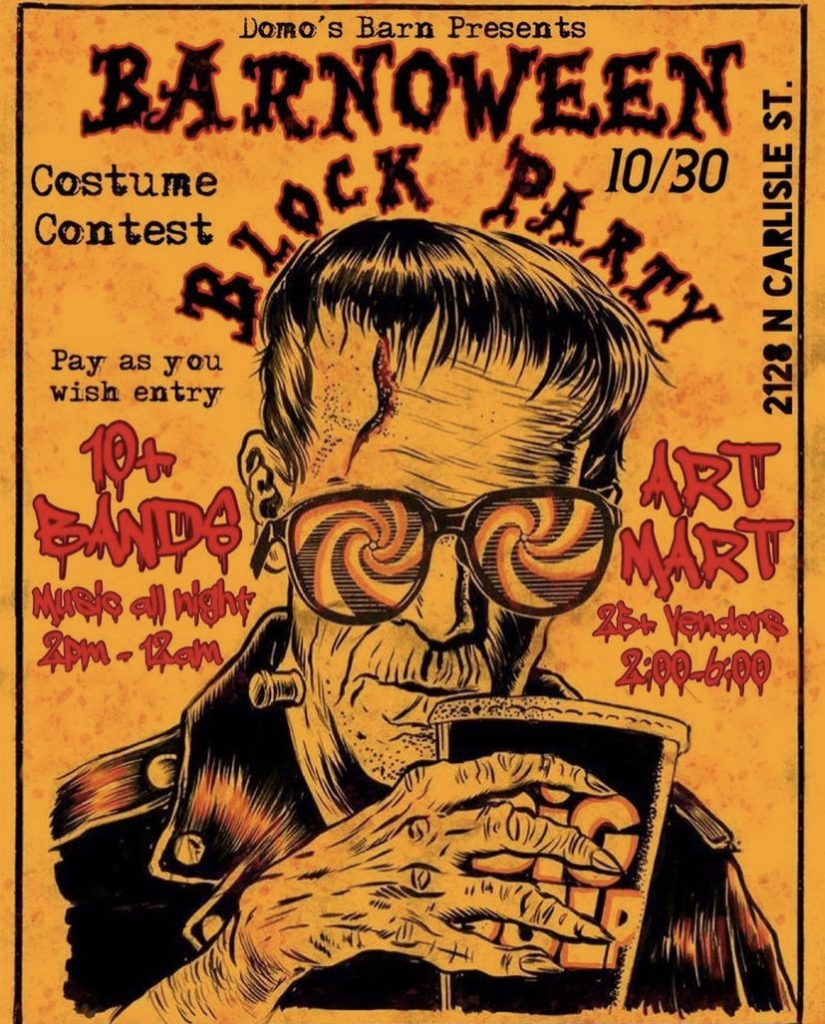
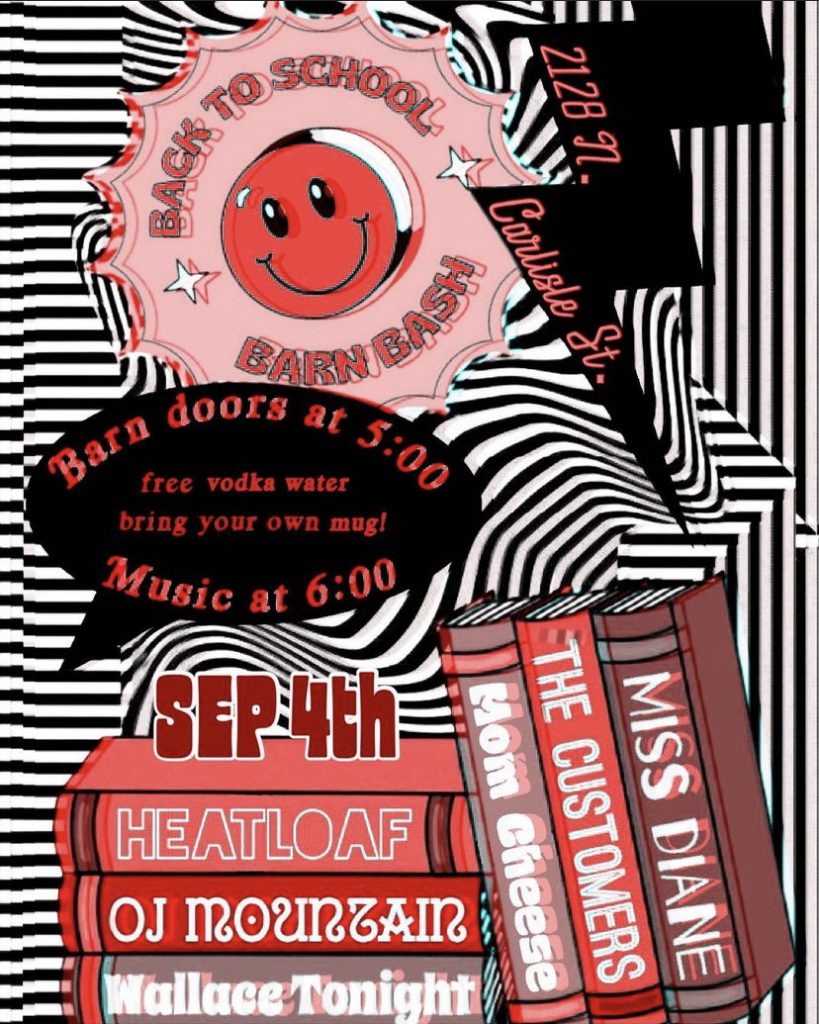
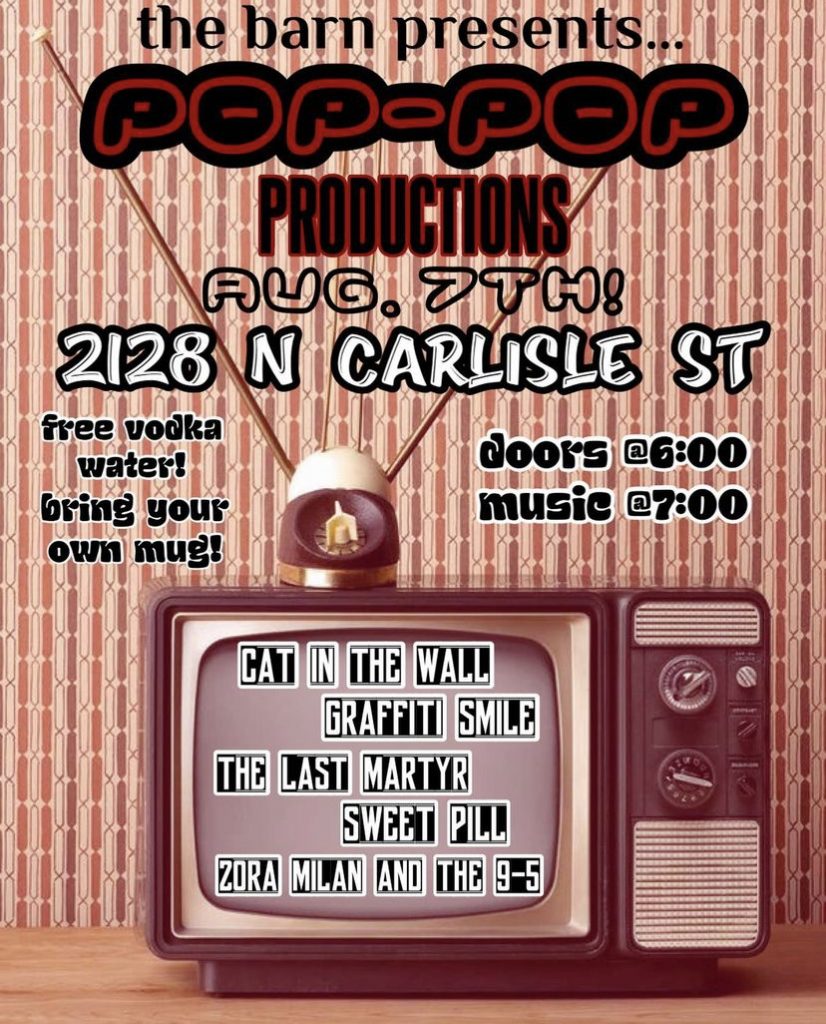
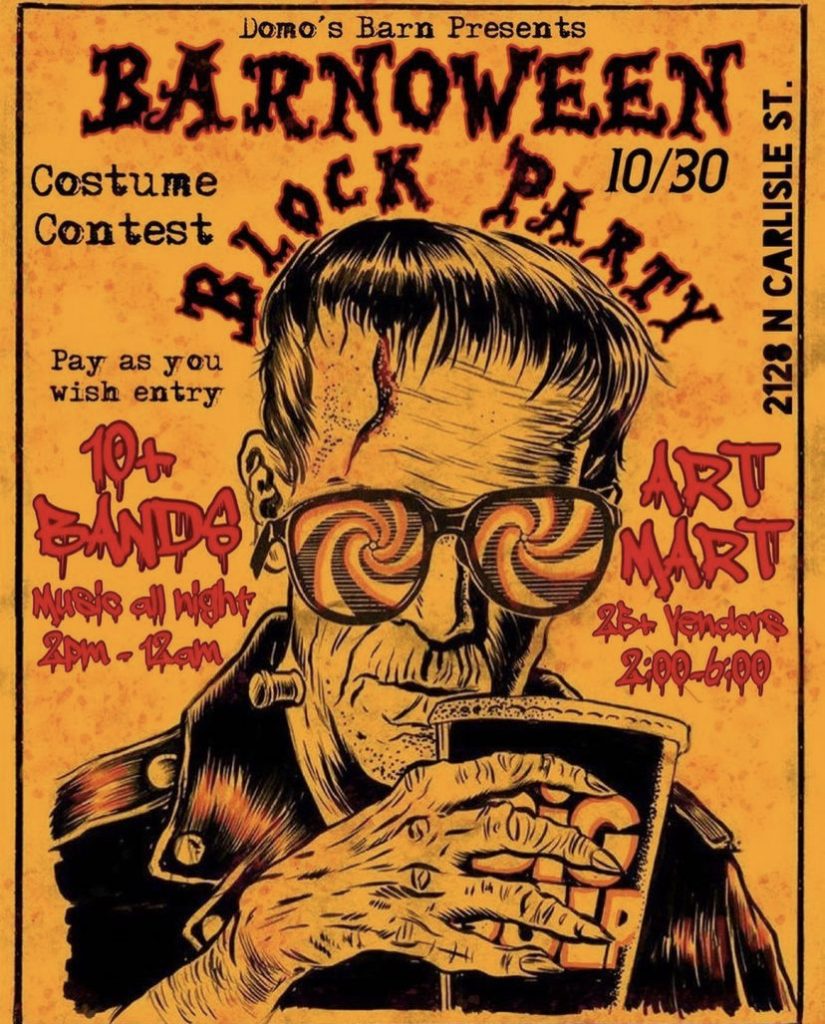
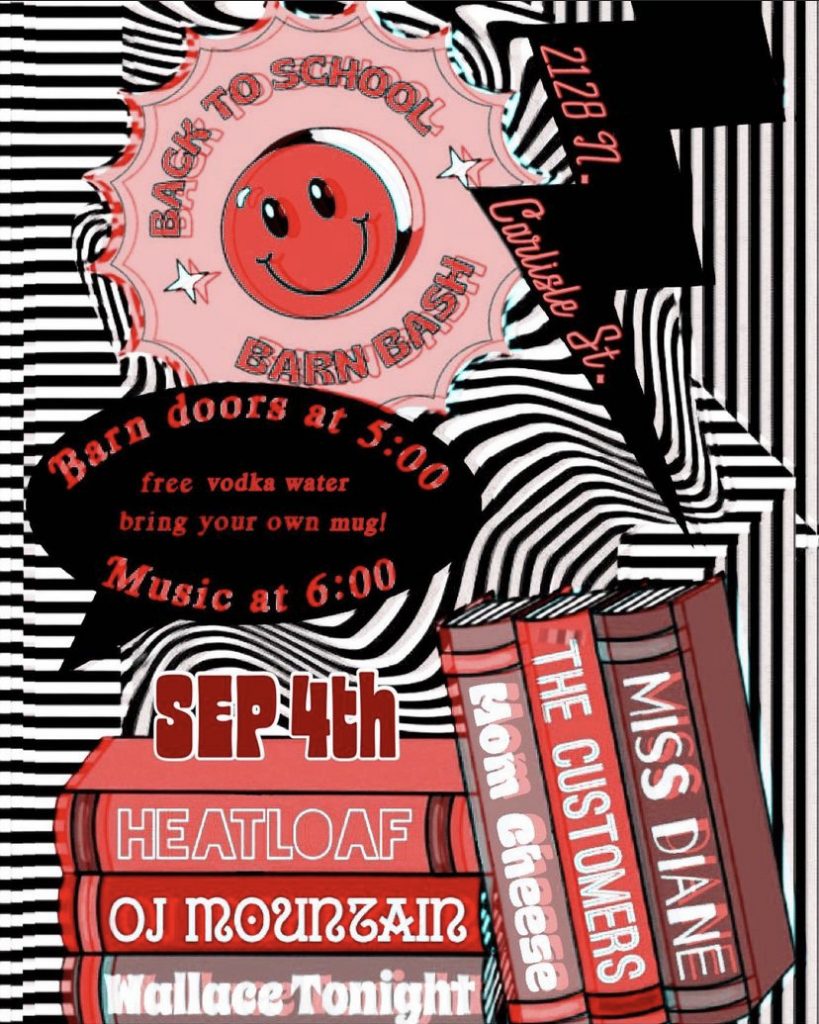
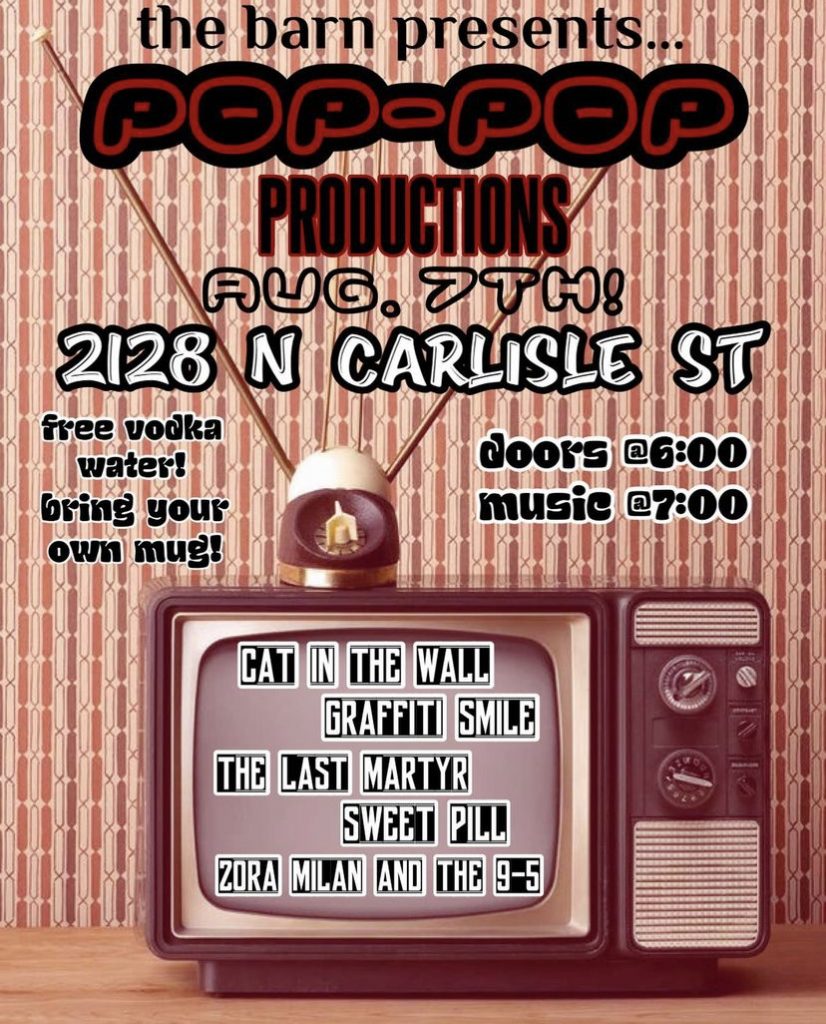
The visual artistry of the Barn is displayed primarily through their Instagram account, featuring flyers announcing the upcoming shows. The various themes, in combination with their selection of artists, cultivate a show that matches visually and musically. Using graffiti-style graphics and fonts, they emulate the murals popular to Philadelphia.

Photography and videos featured in feed and story posts depict the venue in action: crowds dancing in the street, drawing chalk art, drinking with friends, and artists performing. Domo and Jules’ combined artistry translates the Barn experience to reach beyond the stoop.

The Barn Family

Following its fearless leaders, the audience is at the heart of the Barn. Temple University students make up a significant portion of the crowd alongside neighbors of the stoop. Several of those who have already experienced it have returned to see more.

Temple University student Kieran Cunningham says, “I found that I could easily connect to every new person I talked to because of the shared love of music. […]  I loved hearing different instruments, like trumpets or keyboards, that you wouldn’t expect to be at an indie band show.”

Crowds of people from diverse backgrounds, unified under their passion and love for live music perfectly emulate the city’s motto of “Brotherly Love.” Taking that energy into his work as the leader of the Barn, Domo also gives a voice and an audience to those he believes deserve it most.

“[W]hen I choose the bands I give special slots for Black [and] Brown people,” Domo says. “LGQTB+ and women base bands [have] higher priority.” While the sound itself is paramount to the Barn experience, Domo also carefully selects who provides it.

Fans and artists’ varying backgrounds give the Barn an inclusive sound, look and perspective. It openly speaks and listens for people of all races, sexualities and genders, emphasizing the importance of diversity in the local community.

Looking into the Future

The full vision of the future of Domo’s Barn has yet to be fully revealed. However, Domo has no hesitation in confirming it will continue and evolve as it commands more attention and wider audiences.

Domo’s plan to widen the stoop’s horizons will continue to create waves, representing the diverse culture of North Philly. The energy and passion of the Barn community is guaranteed to last into its future, carrying its artistic vision and musical influence with it.

Domo’s Barn: A View from the Stoop

photo via @domosbarn on Instagram

The street is decorated with various shapes and colors. Sidewalks are lined with people, mugs in hand. The yellow glow of the streetlights takes the place of the sun against the dusk sky. Colorful gobos travel across the crowd as they jump in sync with the drummer. The vibrations create an earthquake in your chest. You raise your arms to the night sky, eyes closed and ears ringing with the slaps, screeches and hums flying through the amps on the sidewalks. Welcome to the Barn.

Local concert venue, Domo’s Barn, has become a local phenomenon, playing the streets of North Philadelphia for the past 2 years. Located at 1528 N. Carlisle St., Domo’s Barn hosts local bands and crowds every month. Through its epic celebration of life, music and artistry, Domo’s Barn contributes to Philadelphia’s existing culture by advocating for diversity, promoting local artistry and enhancing the sense of community in North Philadelphia. 

Domo – picture via @herefromhill and @domosbarn on Instagram

Domo, the founder of the venue, is the man behind the stoop that makes it all happen. Inspired by his upbringing, he started the Barn just for fun. “When I first moved to Philly from California, I loved the outdoors shows so we always did it in my backyard. [N]ow the barn has been born to funk up the block.” This deep-rooted passion for live music has carried him across the country and drawn groups of hundreds to his block to share it with him.

His wide-range music taste helps promote a diverse selection of local bands. “[It’s] a fucking mashup. […] I love local music of all kinds. Rock, rap, funk jazz, if my ear likes what it hears then here it will be […] at the barn.” Digging into Philadelphia’s roots that gave birth to artists like Billie Holiday and Hall and Oates, the Barn honors the city’s diverse musical history. Over 40 artists have performed in the venue’s 2 year existence. Local indie bands like Cat in the Wall, DJ’s Parunormal and Calo, and funk-based groups such as Knuckle Deep are just a sample. The alternating sound of Domo’s Barn keeps the bands and their audience coming back.

Andrew Montoya, lead singer of local band Graffiti Smile, has been a recurring artist at the Barn since April 2021. The band’s funk-based influence landed them a spot in the Barn’s May show and have since played their August set. The shows are free, however, they give bands like Graffiti Smile the opportunity to expand their horizons. “The Barn has allowed us to reach a much broader audience. [It’s] not just for friends and friends of friends. It’s for everyone and anyone who enjoys live music,” Montoya says. “The crowd is what keeps us coming back.”

Domo also acts as the Godfather of local music PR, working alongside his social media coordinator, Jules, to create the artistic vision of the Barn. Bringing the show to life visually as much as it exists dynamically, he encapsulates the vision of Philadelphia.

The visual artistry of the Barn is displayed primarily through their Instagram account, featuring flyers announcing the upcoming shows. The various themes, in combination with their selection of artists, cultivate a show that matches visually and musically. Using graffiti-style graphics and fonts, they emulate the murals popular to Philadelphia.

Photography and videos featured in feed and story posts depict the venue in action: crowds dancing in the street, drawing chalk art, drinking with friends, and artists performing. Domo and Jules’ combined artistry translates the Barn experience to reach beyond the stoop.

Following its fearless leaders, the audience is at the heart of the Barn. Temple University students make up a significant portion of the crowd alongside neighbors of the stoop. Several of those who have already experienced it have returned to see more.

Temple University student Kieran Cunningham says, “I found that I could easily connect to every new person I talked to because of the shared love of music. […]  I loved hearing different instruments, like trumpets or keyboards, that you wouldn’t expect to be at an indie band show.”

Crowds of people from diverse backgrounds, unified under their passion and love for live music perfectly emulate the city’s motto of “Brotherly Love.” Taking that energy into his work as the leader of the Barn, Domo also gives a voice and an audience to those he believes deserve it most.

“[W]hen I choose the bands I give special slots for Black [and] Brown people,” Domo says. “LGQTB+ and women base bands [have] higher priority.” While the sound itself is paramount to the Barn experience, Domo also carefully selects who provides it. Fans and artists’ varying backgrounds give the Barn an inclusive sound, look and perspective. It openly speaks and listens for people of all races, sexualities and genders, emphasizing the importance of diversity in the local community.

The full vision of the future of Domo’s Barn has yet to be fully revealed. However, Domo has no hesitation in confirming it will continue and evolve as it commands more attention and wider audiences. Domo’s plan to widen the stoop’s horizons will continue to create waves, representing the diverse culture of North Philly. The energy and passion of the Barn community is guaranteed to last into its future, carrying its artistic vision and musical influence with it.

Stella: Philly’s Horror Hostess and her Legacy

By Celina Ehrlich

Stella’s headshot retrieved from Broadcast Pioneers of Philadelphia Archives

Floating down a misty hallway with her long black hair, skin tight black dress and long red fingernails, Vampira birthed the horror hosting genre with her signature blood-curdling scream. Her TV production, The Vampira Show, which aired on KABC-TV in Los Angeles, was the first of its kind, creating a timeless format where a ghoulish host introduces a classic horror movie that they watch with the audience, making comedic comments along the way. In the 1980s, Philadelphia’s own horror show, Saturday Night Dead, was hosted by Stella, “that maneater from Manayunk ” who represented a uniquely Philadelphian brand of horror hosting that is remembered to this day.

Continue reading Stella: Philly’s Horror Hostess and her Legacy

resident-built Dog park struggles to stay open after city announces plans to develop

By Joelle DelPrete

Photo by Tyger Williams for The Philadelphia Inquirer

In May of 2021, the half-acre of land on the corner of 15th and Parrish Streets in Francisville, North Philadelphia, was a sight to behold. Dogs of varying breeds played amongst newly constructed benches and fences, and residents congregated in a lot that was once filled with trash and overgrown weeds. This small dog park oasis represents the many vacant lots across Philadelphia revitalized by locals as gardens, playgrounds, parks and more.

However, many of the people repurposing these abandoned spaces do not own them. This is the case with the property in Francisville. The Philadelphia Redevelopment Authority, who owns the lot, issued a warning for residents to vacate and remove everything by May 12th, or be charged with trespassing. If developed, the city will be taking away more than just a dog park, but the only community green space Francisville residents can call their own.

Vacant lots across the city are owned by different organizations and resold to developers for various reasons; in the case of the Francisville property, the Philadelphia Redevelopment Authority has already pre-approved the space for affordable housing. After all the hard work put into the project, residents are not happy with the order. Neighbors created a petition that got over 1,300 signatures to keep the area undeveloped. Andrew Tsvikevich, one of the original creators of the dog park, said the community space has made it easier to make friends.

“Before, everyone was seeing each other’s faces but were too shy to start conversation, and now that we are in the park- it’s like way easier”, he said. This aspect is important, and there have been plenty of studies that highlight other reasons why open lots should be preserved for the community.

 Many vacant lots that are waiting for development are often trashed-strewn, overgrown, and a hub for criminal activity. In a research journal conducting random trails on restored vacant lots in cities and their effect on violence, crime, and fear, they found that “…residents who lived near newly renovated spaces reported experiencing significantly less crime and vandalism, independently corroborating findings from police-reported data.” (PNAS, 2018, p.4). As is the case in Francisville, the study also found that shared spaces such as community gardens encourage people to go out and meet with neighbors, fostering more social interactions while beautifying the space.

Photo by Tyger Williams for The Philadelphia Inquirer

 After talking with the Housing Authority of Philadelphia, Tsvikevich found the biggest issue is the liability of owning the property. A dog park would be considered active use of the land, where if something bad were to happen (like a dog biting), any potential consequences like a lawsuit would fall upon the city.

On top of that, the city has said it will not sell the land for recreational use because it has already been pre-approved for affordable housing. However, this has yet to come to fruition, and Tsvikevich and his neighbors believe that many of the organizations who own vacant lots across Philly are just slowly waiting to sell out for the most profit.

One such organization is The Philadelphia Land Bank. A report published in January 2021 by the Philadelphia Coalition for Affordable Communities criticized the agency due to the very low number of properties they gave to private community residents. However, as of this year, things are getting better. Former executive director of Land Bank Angel Rodriguez pointed out the efforts made to preserve the César Andreu Iglesias Community Garden, in West Kensington. The garden, which is a popular meeting spot for Hispanic residents, narrowly avoided plans to build a high rise on American street within their property.

Image from César Andreu Iglesias Community Garden Facebook page, posted November 6, 2021

With all the trouble involved in getting permission to legally use the space, the neighbors at Francisville have decided to keep using the property until they are forcibly stopped. This Halloween the lot will host a doggy costume contest, and Tsvikevich will be dressing up his Blue Heeler-Australian Shepherd pooch he originally created the park for.

His plan, he said, is to keep developing and get more people involved, until the city sees that this park is something worth keeping around. This community, among so many others, will continue to shape the landscape of Philadelphia, one pocket of preserved, open land at a time.
First Post

Here is an example of a post for the Fall 2021 Writing Workshop site.

https://youtu.be/jlZZ3ldob_0

This is an embedded video from Nate Stanley’s live shot on car crimes, Temple Update, October 14, 2021.

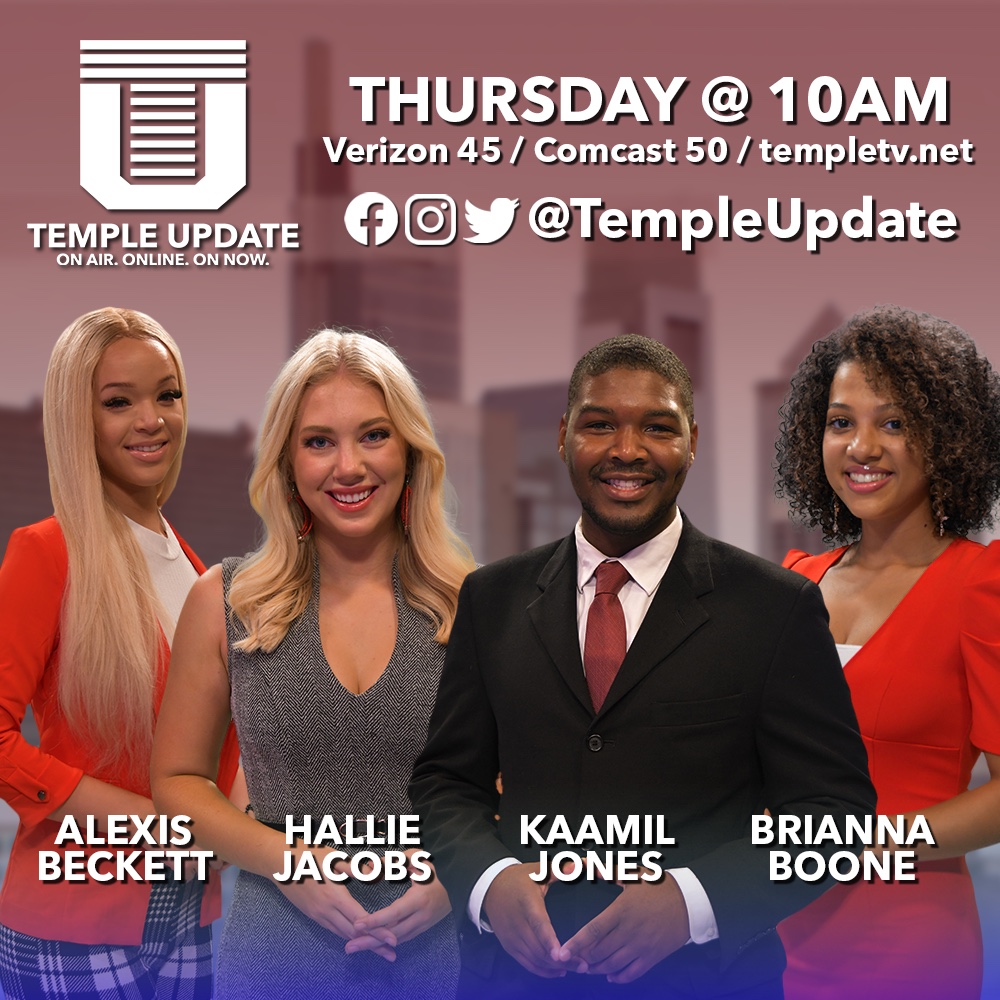
Temple Update White Anchor Team, Fall 2021 Photo by Chris Berger

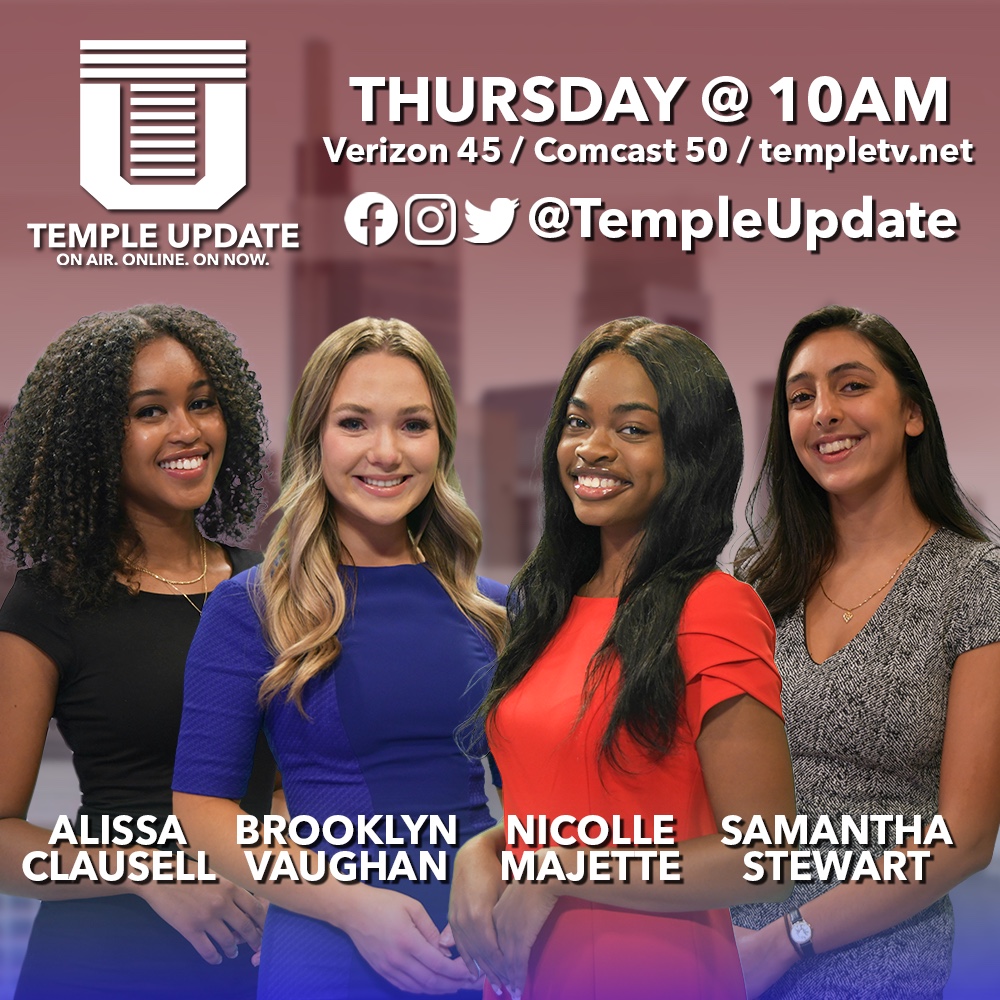
Every year Temple Update producers select Cherry and White anchor teams. Below is the Cherry anchor team: