The Black Panther Party in Philadelphia
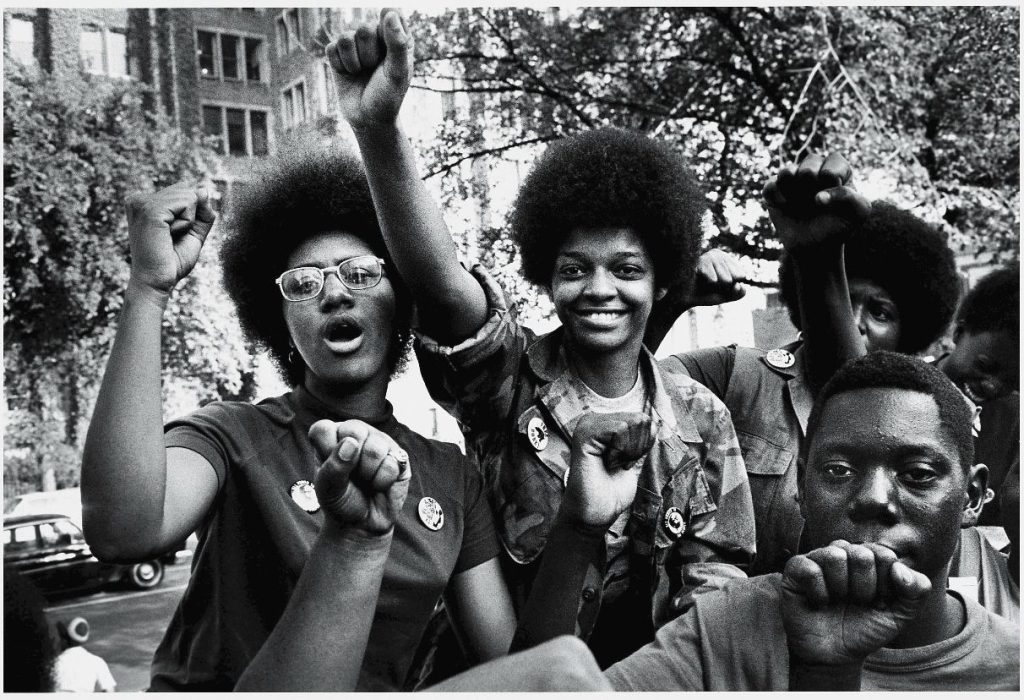
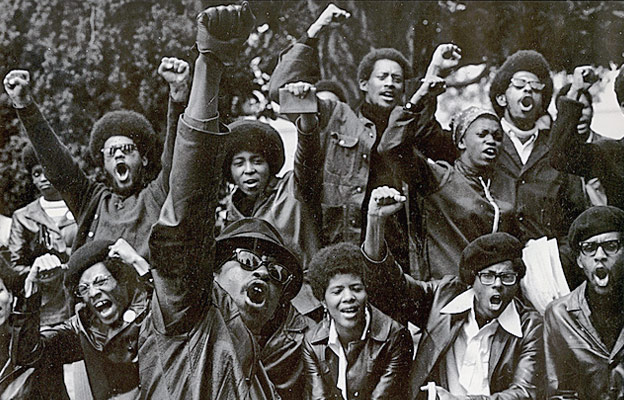
When many people hear the words “Black Panther Party,” they associate it with violence,
confrontation, and armed militants. But that’s not the whole story. The Black Panther Party
(BPP) was not just a group of angry Black people with guns, they had a purpose, and that was to
fight for survival, fight for the rights of their community, and fight against a system that was
killing them. In Philadelphia, the Black Panther Party was more than just a political movement.
They were the lifeline for hundreds of Black people who were ignored by the government and
left to suffer in poverty. This article is here to show that the Black Panther Party in Philadelphia
was a force for good in the Black community, and that their positive and impactful work has
been buried under decades of misinformation and lies.
Who the Black Panther Party Was
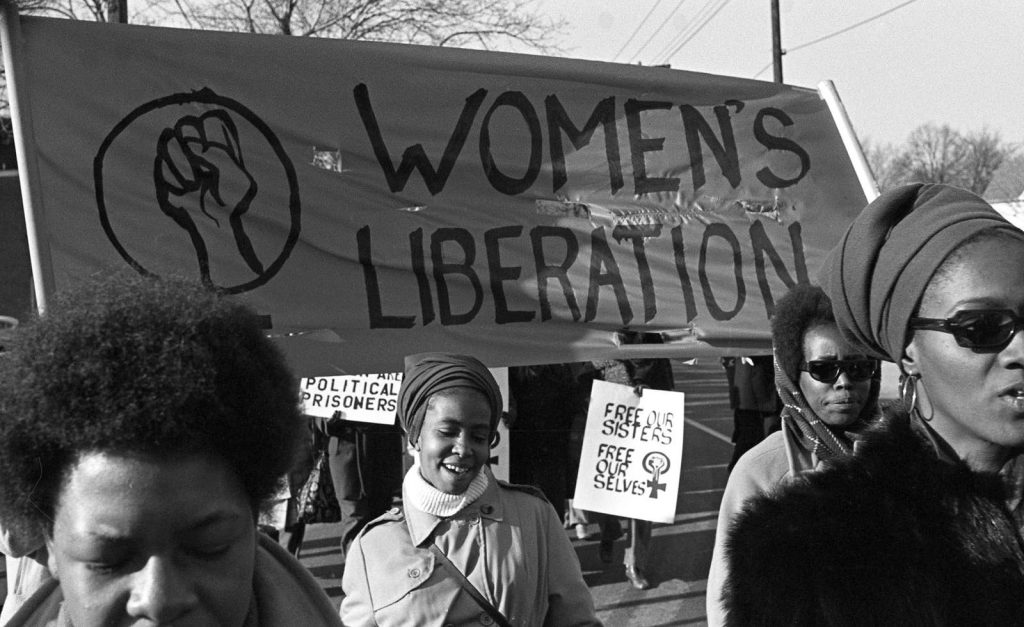
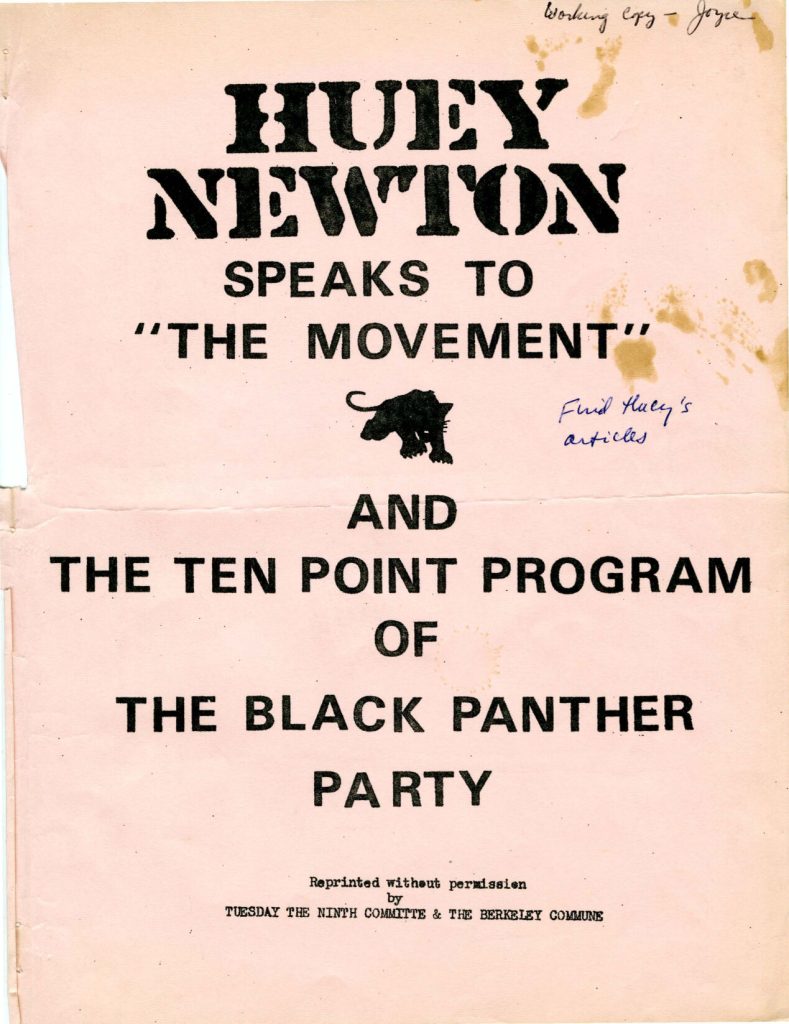
According to the National Archives, The Black Panther Party was founded in 1966 in Oakland, California, by Huey Newton and Bobby Seale (2015). They were fueled by the brutal treatment of Black people at the hands of police officers across the country. In the face of constant violence and oppression, they decided to form a movement to fight back. The Black Panther Party saw the entire Black community as family, and they knew that real change would only come if they took matters into their own hands and took care of their own. Contrary to popular belief, and the belief of the Federal Borough of Investigations (FBI), The Black Panther Party was not an “extremist terrorist group”, but a movement with a mission to protect Black communities from police brutality and to provide services that were desperately needed in neighborhoods with a high population of Black people.
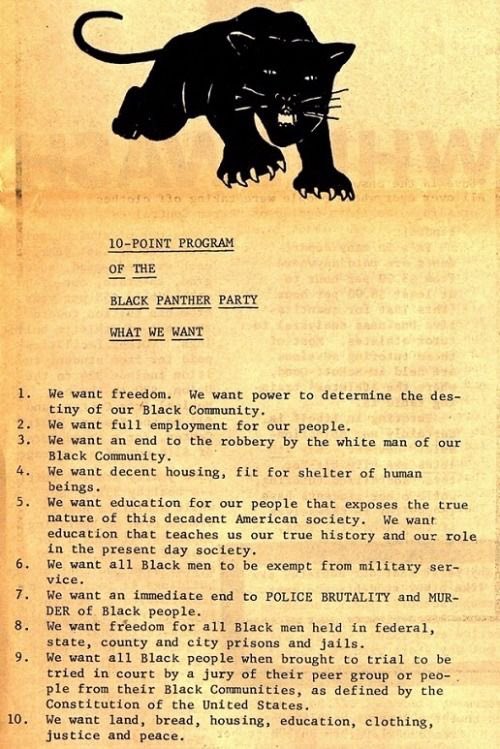
The BPP was about survival and providing Black people the ability to live in all of their Black glory. The movement was about fighting a system that treated Black people like they didn’t matter. The Black Panther Party’s message was clear, and they followed a 10-point program:
- We want freedom. We want power to determine the destiny of our Black Community.
- We want full employment for our people.
- We want an end to the robbery by the white man of our Black Community.
- We want decent housing, fit for shelter of human beings.
- We want education for our people that exposes the true nature of this decadent American society. We want education that teaches us our true history and our role in the present-day society.
- We want all black men to be exempt from military service.
- We want an immediate end to police brutality and murder of black people.
- We want freedom for all black men held in federal, state, county, and city prisons and jails.
- We want all black people when brought to trial to be tried in court by a jury of their peer group or people from their black communities, as defined by the Constitution of the United States.
- We want land, bread, housing, education, clothing, justice, and peace. And as our major political objective, a United Nations– supervised plebiscite to be held throughout the black colony in which only black colonial subjects will be allowed to participate for the purpose of determining the will of black people as to their national destiny.
The Black Panther Party didn’t believe in sitting back and waiting for change to come; they were going to make it happen. And in Philadelphia, they did.
The Impact of the BPP in Philadelphia
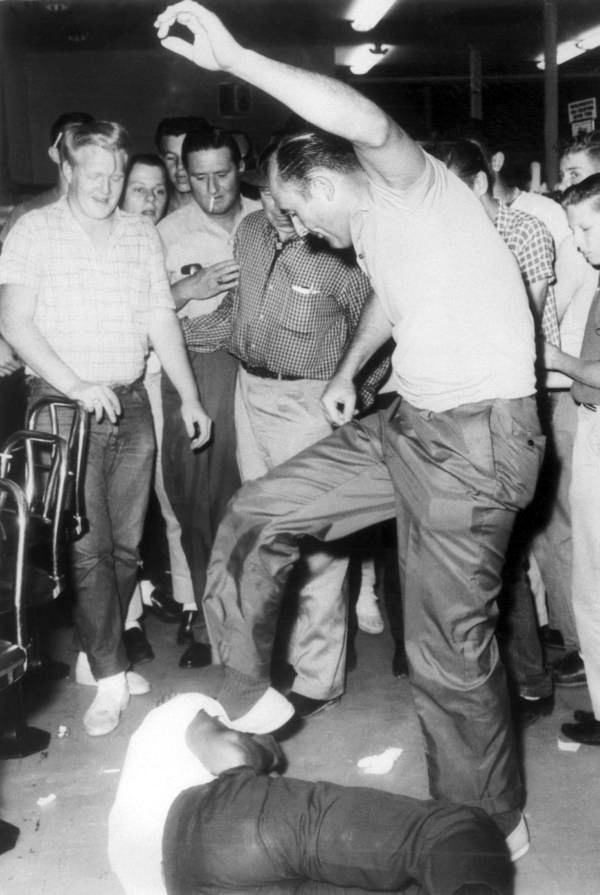
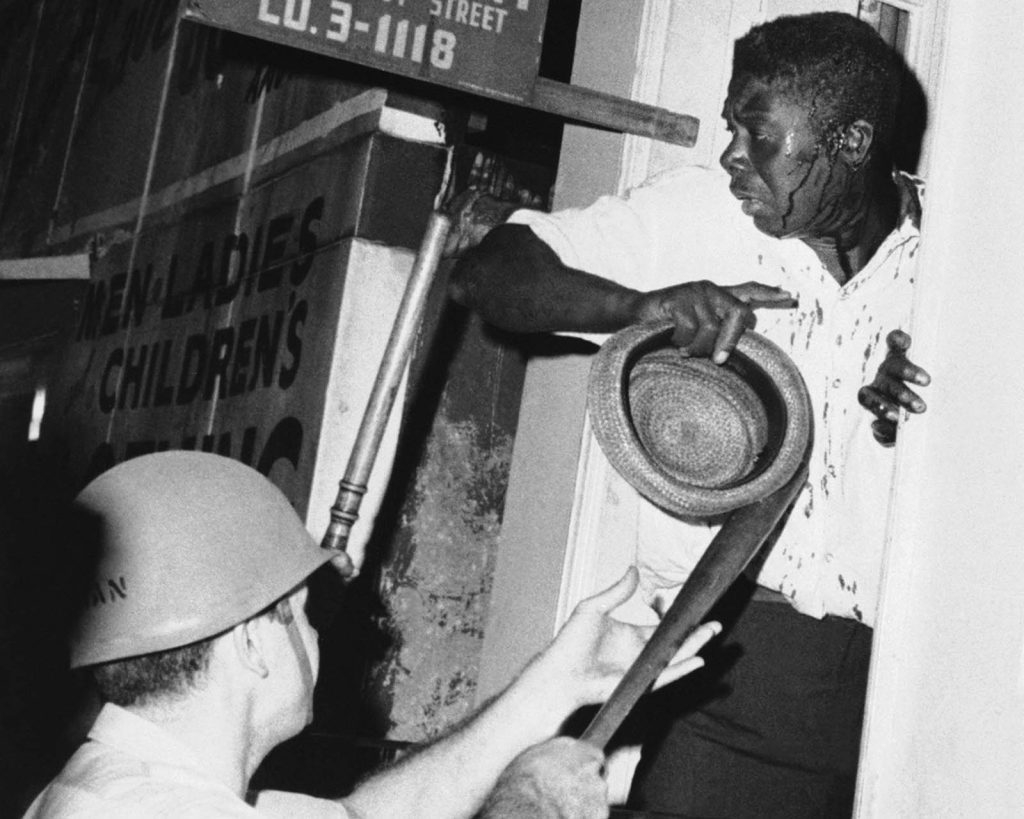
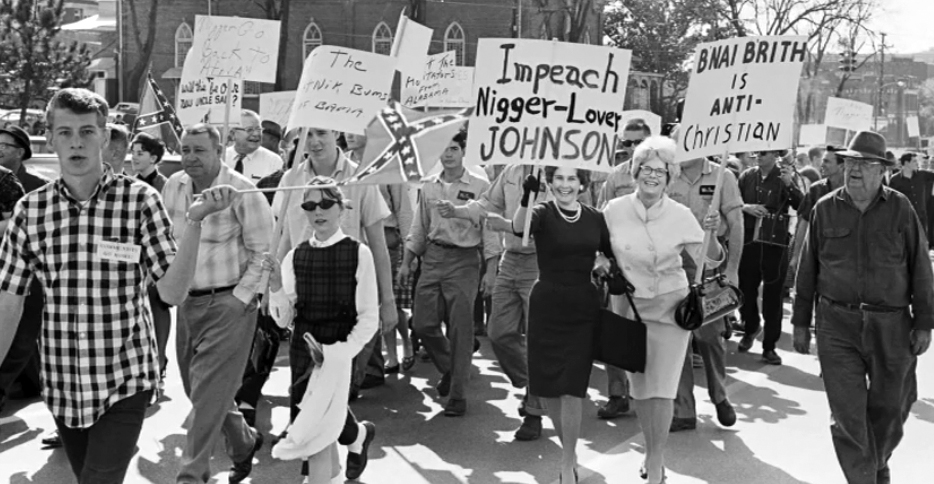
The Black Panther Party’s chapter in Philadelphia started in 1969, and during the time, the city was experiencing high levels of racial tension. The Black community was constantly under attack, not only by the police but by a state government system that ignored their basic needs. Enter Frank Rizzo, the Police Commissioner (1967-1971) who became mayor (1972-1980), and whose legacy in Philadelphia is tied to racism, abuse of power, and hostility towards Black and minority activists. Under his leadership, the police were encouraged to and used intimidation tactics and violence to control Black neighborhoods. The BPP wasn’t just fighting for the rights of Black people on a federal government level, they were also fighting for the survival of the Black community in a city full of people that didn’t want them there.

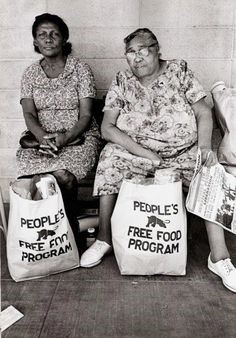
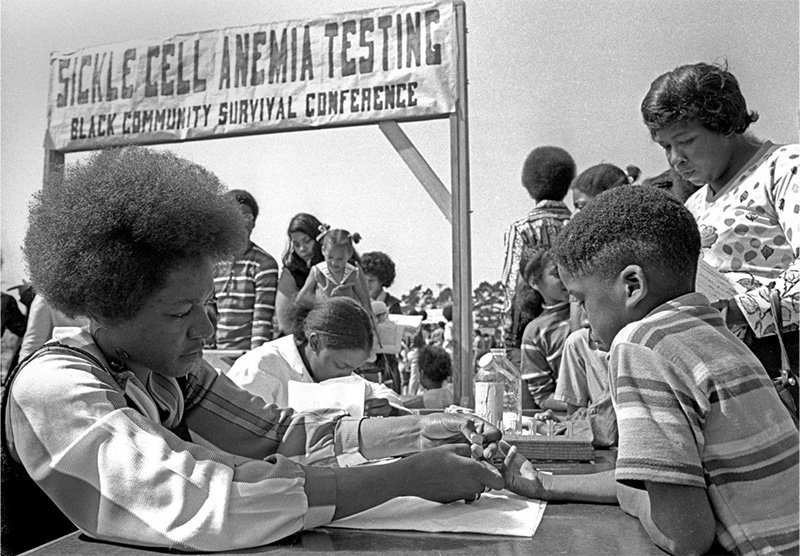
But – while Rizzo focused on violence and criminalizing the Black Panther Party and minority communities, the movement picked up Rizzo’s slack and began to take care of the communities itself. The BPP established programs like the People’s Free Food Program, free healthcare clinics, and giving people the education they needed to get out of poverty. These programs still exist today under different names and organizations. For example, People’s Community Medics provide free healthcare, following the Black Panther model, and Freedom Schools, started by the Children’s Defense Fund, continue their focus on education.
Free Breakfast for Children Program
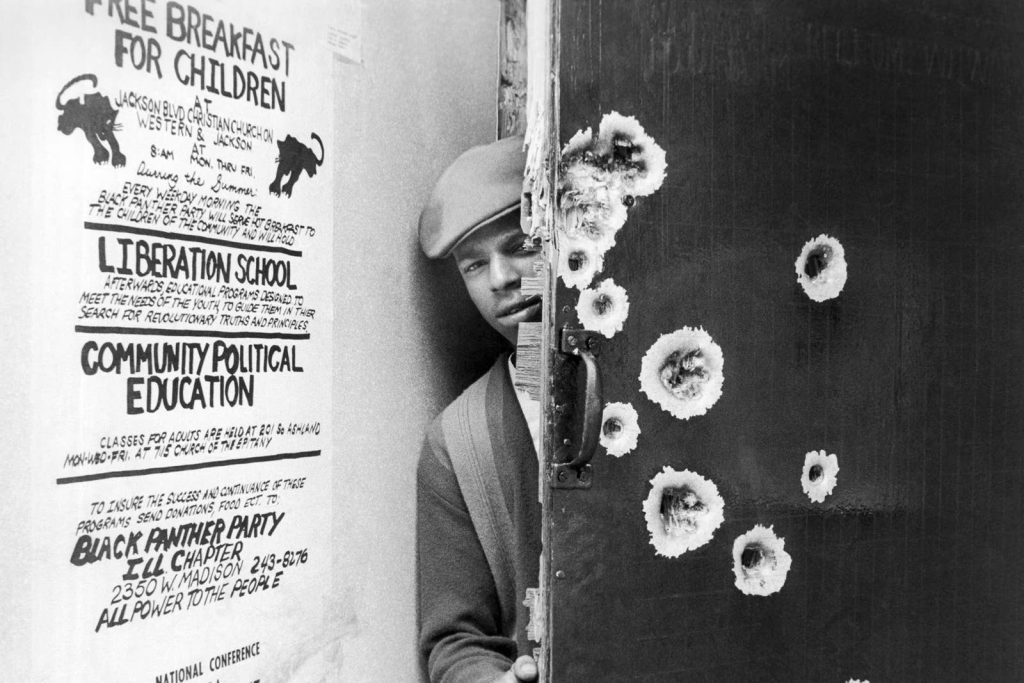
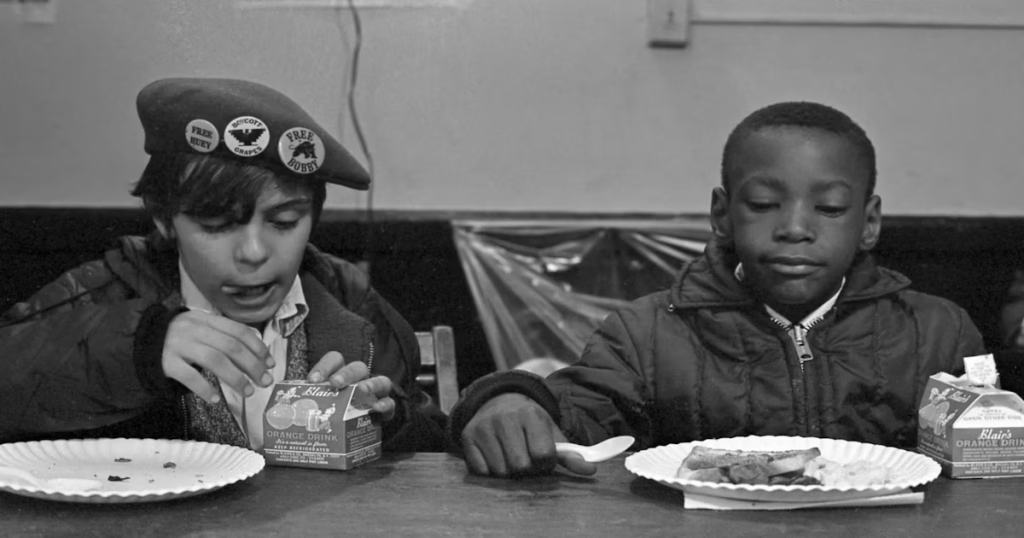
One of the Black Panther Party’s most powerful and lasting contributions in Philadelphia was the Free Breakfast for Children program, which started in 1970. This program gave free, hot, nutritious meals to thousands of children every morning before school. The BPP knew that children couldn’t focus in class if they were hungry, and many families in Philadelphia, especially in Black neighborhoods, were struggling to make ends meet. The breakfast program fed their children and gave them the chance to succeed in school. It was an act of love and an act of survival. Although the city had turned its back on them, the BPP gave these children hope and a fighting chance for a better future.

Health Clinics
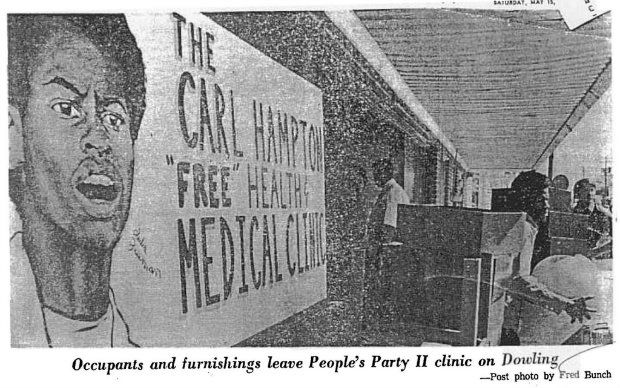
The Black Panther Party also established free health clinics in Philadelphia to provide medical care to those who couldn’t afford it. These clinics helped prevent diseases, gave out vaccinations, and provided health education. During a time when Black people were often discriminated against in hospitals or turned away altogether, these clinics were lifesavers. They gave Black families the healthcare they deserved and needed. The clinics weren’t just about medicine; they were about dignity. They showed that Black lives mattered, that the people in these neighborhoods deserved to be treated with respect.

Rizzo’s Impact: A Legacy of Racism and Fear
Rizzo used fear to control the narrative. He labeled the Black Panther Party as violent and dangerous, calling them a threat to public safety. He twisted the Black Panther Party’s message by turning their right to defend themselves and bear arms into a crime. Rizzo’s police force went after the BPP with everything they had. They used intimidation, violence, and lies to tear down everything the BPP was trying to build.
https://youtu.be/5fqtezFjTwc?si=0fQBn2Q8CdbAek3u
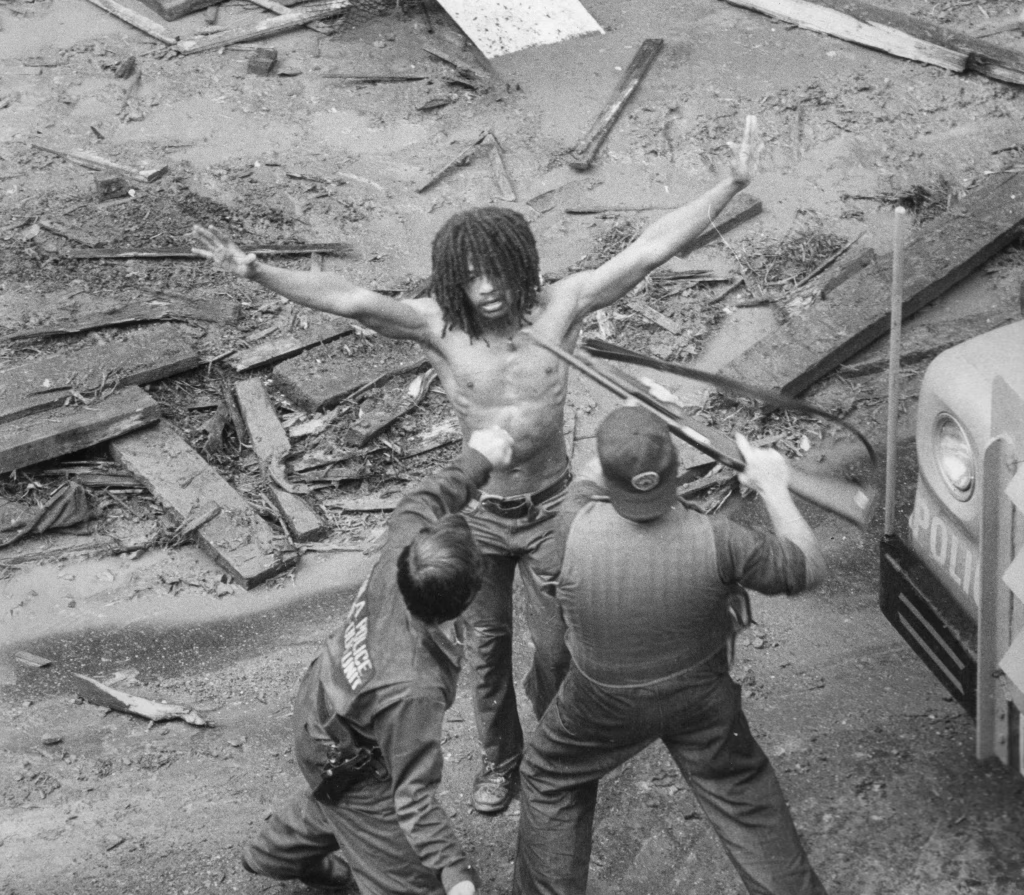


The damage Rizzo caused, the fear he spread, and the lies he told about the Black Panther Party have rippled through generations. The false narrative of the BPP as a “violent” group has stuck for years, overshadowing the real work they did. It’s time to set the record straight and correct that narrative.
Changing the Narrative: The Truth About the Black Panther Party
The Black Panther Party was never about violence or getting revenge. It was about love. It was about community. It was about survival. They weren’t trying to destroy anything but the system that held the Black community down for so long, they were trying to build something better for their people and the future of their people. The Black Panther Party helped thousands of people in Philadelphia and across the country. They provided food, medical care, and education when no one else would. They stood up to a system that was designed to keep them down and said, “We will fight for our rights and by any means necessary”. But they also said, “We will fight for each other” (Huey P. Newton, Bobby Seale, and Elbert Howard). And that’s what we need to remember. The Black Panther Party wasn’t just a political organization, it was a movement of love, a movement of empowerment, and a movement of survival.
It’s time to honor that legacy. We have to tell the truth about who they were and what they did, because their story is our story, too.