
In March of 2023, I attended my first Inhaler concert. I took the Septa to the Theatre of the Living Arts in Philadelphia, Pennsylvania. I went early in the morning to get a good spot in line. In front of me in line was a friend group of girls, a couple years younger than me. When they noticed I was there alone, they quickly embraced me into their group. Behind me in line was a girl who was also there by herself. She told me about how she is from Pennsylvania and goes to school at George Washington University in D.C. The next thing I knew, I was no longer waiting alone in this line but wedged between young women who were there for the same reason I was. To see our favorite band, Inhaler. The initial nerves of attending a concert alone began to fade. That is what is so special about music and concerts. It becomes very easy to connect with those around you at a music event, because you are all there for the same reason. It is something very unique, there are not many places where instant connection is fostered with such ease.
The foundation of fan culture is “fangirls,” which Merriam-Webster defines as “a girl or woman who is an extremely or overly enthusiastic fan of someone or something.” I find this definition interesting, especially the usage of the word “overly,” implying that fangirls are going too far. Admittedly, sometimes we do. However, I think this generalization of fangirls being “crazy” is damaging and is rooted in misogyny. A common comparison that exposes this misogyny is the idea of the male sports fan. A male sports fan arrives to the stadium early to tailgate, as a fangirl arrives to the venue early to queue for the barricade. A male sports fan wears their teams gear as a fangirl wears a bands merchandise. A male sports fan screams just as a fangirl does. So, what really is a fangirl? Behind the “crazy” stereotypes is a woman who is passionate about a particular artists, band, movie, book or other piece of media. They connect with other fangirls through social media, shows, and events. They express their passion through creative outlets. By reframing our understanding of fangirls, we can appreciate the vibrant communities they create, and the genuine passion they bring to the cultural landscape.
Online spaces are the backbone of fan culture and have been since the dawn of its existence. Tumblr, Twitter, and other sites have a history of bringing together fans from across the globe. There is a global exchange of cultures. From my bedroom in my college house in Philadelphia, I can open my phone and be instantly connected to other Inhaler fans from around the country and overseas. One common way that fans will connect online is through group chats. Typically, these will start on apps such as Twitter. Someone makes a post asking if anyone would like to join their group chat. I have been a part of many of these. Online group chats are a great space for women to connect on their interests. This is a place, for women, to gain a sense of belonging. It is accessible way for woman, intersectionally including those who are queer, people of color, and disabled, to come together. It creates inclusivity for those who may not have that safe space “irl” (in real life). The internet allows fans to organize fan projects. Most importantly, in my opinion, the internet is the beginning of many friendships that blossom in the fan space. Personally, I have made many friends from online fan culture. Some, I’ve stayed friends with for nearly five years. Some, I have plans to travel the east coast with this fall for Inhaler’s upcoming tour.
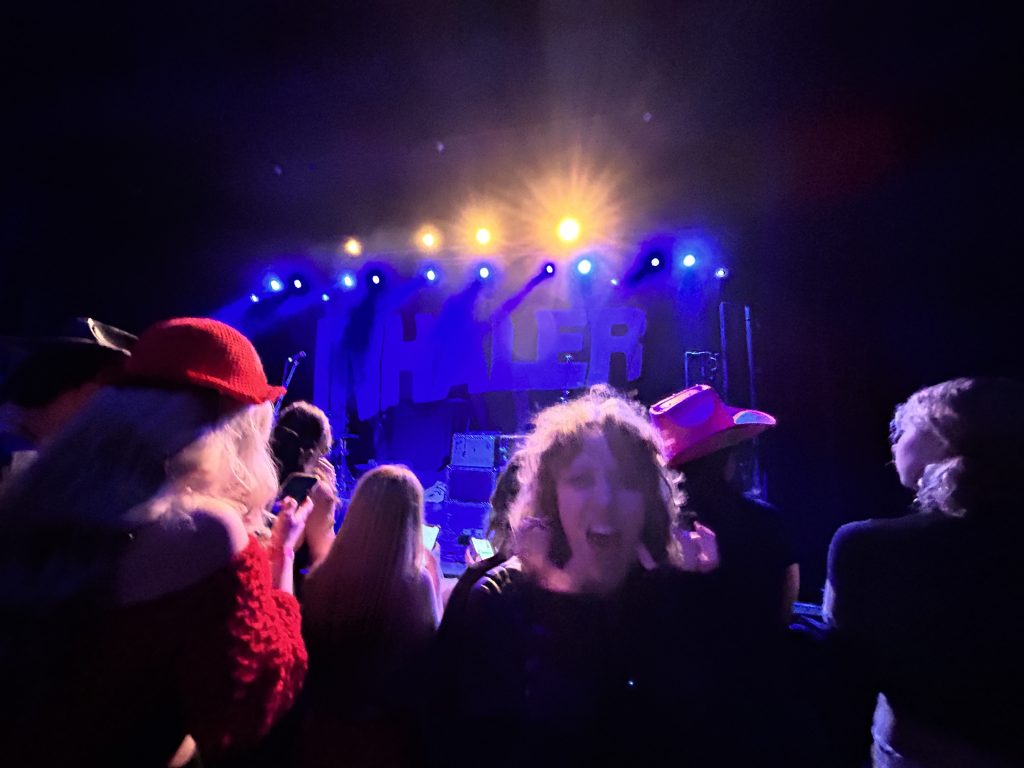
At a Harry Styles concert, you’ll find the floors littered with boa feathers. Arrive to the back of the pit at a Gracie Abrams show to see a crowd of hair bows. At Taylor Swift’s Eras tour, you’ll find fans of all ages trading friendship bracelets. Symbolism is a huge piece of fan culture and is a driving force in the community aspect. At an Inhaler concert in 2023, your view was almost guaranteed to be hindered by a cowboy hat if you were not at the barricade. These cowboy hats were customized and decorated by fans, with lyrics and song titles. This expression of using customized accessories creates a uniform for fans, which contributes to that sense of connection between fans. At the show I went to in Philadelphia last year, my view was partially blocked by one of these hats. I took my concerns to Twitter, and soon discovered that the online Inhaler community is very small. The girl in front of me, wearing the hat, ended up seeing my post. Ironically enough, through conversation over text the days after the show, we bonded. Even in a moment of initial annoyance, we were very quickly able to toss that tension and become closer through a love for the band. She told me her story; about her struggles and an abusive relationship she has just gotten out of. She explained to me that Inhaler has really helped her cope with some of her challenges. Ultimately, it was the band and the “silly” cowboy hat that brought us together. While we don’t talk much anymore, it was nice to connect in that moment.
As exemplified by these fans made accessories and symbols, fan culture is responsible for creativity among fans. These spaces allow fans to discover new hobbies and sometimes even passions revolving around the arts. A very standard form of this is fan art, which includes drawings, painting, etc, of someone’s favorite character or musician. Concert photography is another creative outlet for fans, who take the art of photo and capture images of shows that are shared by other fans. Another creative niche is social media influencers who base their content around being a fan of something. In some ways these influencers are considered “mini celebrities” among fans. Fans will create magazines and zines based around their favorite musicians. One example of creative journalism sprouted through fan culture is the magazine “Pleaser.” Its title is based off the Wallows song, “Pleaser.” The founder is Philadelphia based and is a Temple University Alumna. All of this to say, fan culture has made an impact on my own creative endeavors and my career. My love for live music is the backbone of my career goals, and I hope to work in the music industry. Through attending concerts, I discovered my dream job of being a multi-cam director for live shows. I am surrounded by a community of people who also are working towards being in the music industry due to their love for live music and being a part of fan culture. Ambitious young women in media, public relations, sound engineering and the arts with a desire to take their passions and create a career. Women are beginning to take up these male dominated spaces that they previously might not have even know they could be a part of.
In some ways, fan culture encourages consumption and spending money, particularly when it comes to concert tickets and merchandise. However, what is special about fan culture is that the ratio of consumption to creation is greater on the creation side. Fans create their own customized merchandise, fan projects, and events. Back in 2020 during the pandemic for example, Harry Styles fans recreated an iconic cardigan that Harry Styles wore on the Today Show with crochet and knitting. When I saw Inhaler in Toronto last year, a friend of mine created friendship bracelets to distribute throughout the crowd. This communal aspect of creativity within fan culture emphasizes connection among fandoms. Many forms of media in current times “take.” For example, scrolling on TikTok you will be met with an advertisement every few videos. Fan culture encourages making something out of their interest rather than purchasing.
Mental health can be improved through fan culture for a number of reasons. The sense of community provides a space for those who might overwise feel lonely or isolated. Fandoms provide a support network. Through the creative endeavors that come from being a part of fan culture, people can express their emotions. In some ways, fan culture is used as an escape from the challenges of reality. Especially in concert fan culture, fans can attend a gig to forget the world around them. Participating in fan culture can be a coping mechanism for some. A fan network can be supportive when needing someone to talk to. I myself have reached out to online fan-friends for support and have supported my online friends likewise. It also gives fans purpose, and in some cases a reason to continue all together. While it may sound odd from the outside, musicians can be the reason people keep on going. Knowing that a concert is coming up or an album is coming out can be enough to help a person get through their daily challenges. Ultimately, while it may sound odd from the outside, the connections formed through fan culture can be life-affirming.
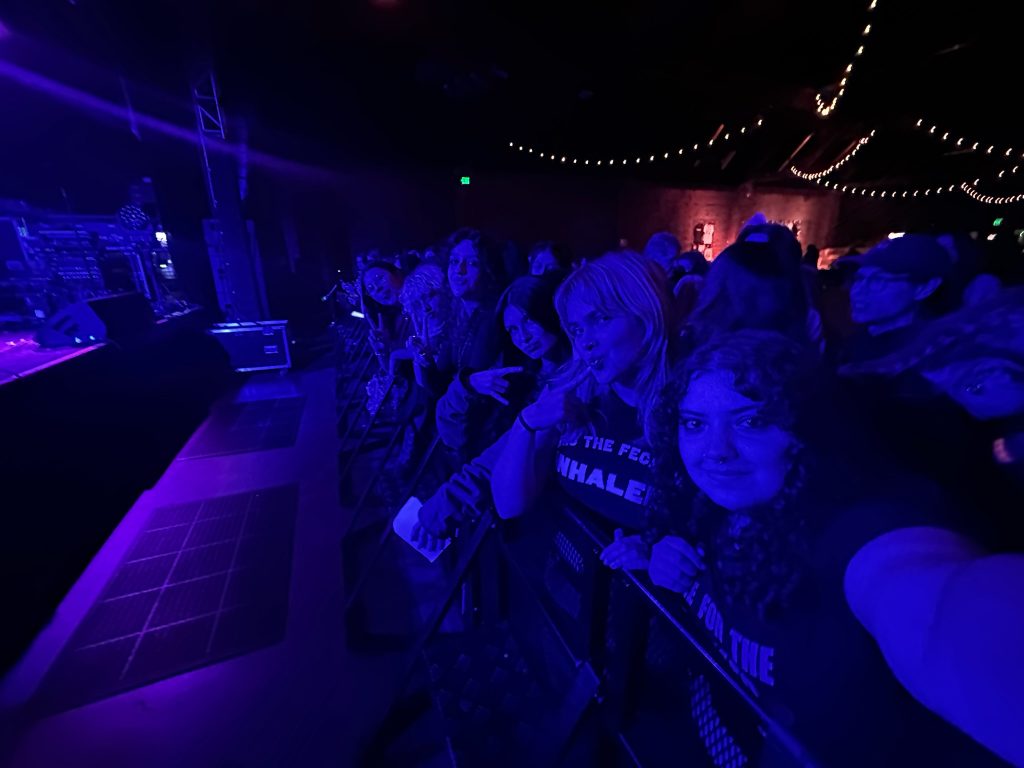
What started as just one concert in Philadelphia, has grown into something much larger than that. I have friends from all over the world and it expands beyond my physical reach. My friends and I have traveled to cities I would have never been to before, to see our favorite band. Traveling to Nashville, Toronto, and Seattle. Being in fan culture has made me feel more connected to the world around me, which I think is very special. It has expanded my global reach. It has encouraged me to share my own voice, and fan culture works to amplify the voices of those who are underrepresented. Through peer encouragement and inspiration, I have been able to identify my goals and aspirations through fan culture. It has made me believe that these goals are possible to achieve. At its core, fan culture is a love for the same piece of media that contributes to deeper connections between women around the world.