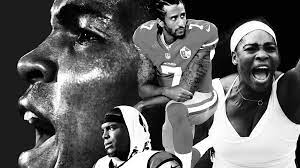
This week I decided to read a chapter in a book that features different problems and solutions pertaining to Black males and intercollegiate athletics. The chapter I read was titled Black Male Student Athletes on Predominantly White College and University Campuses. This article gave me some true insight on numbers, as far as how many Black male student athletes there are. “During the 2012-2012 academic year, there were 463,202 student-athletes who participated in intercollegiate athletics for which the NCAA conducts championships. Of that total, 23,628 were Black male students-athletes within athletic programs at colleges and universities with NCAA Division I affiliation”(Robert et al., 2015). Although the statistic was from the 2012-2013 NCAA championship season, I can use these numbers in my research to see how the narrative may or may not have shifted. Racial disparities have been the reason why many Black athletes have not yet been seen playing sports such as golf and tennis. This article hinders on the meaning of access and opportunity. They provide reasoning as to why Black athletes are more inclined to stick to sports that are “culturally relevant” rather than sports that are not readily available to them like golf or tennis. As a pre-teen growing up, I would always see my peers (who were black) playing football or basketball or at the boxing gym. These types of sports were always accessible for them given the community they lived in. As for white athletes, they are said to have greater “fiscal resources and access to different opportunities to venture off and play different sports because of their community”(Robert et al., 2015). The differences are very visible, it’s just a matter of how we as a society want to tackle them head on. All in all, I think this article will be a great use in my research given the different topics the book has in regards to black male athletes and collegiate sports.