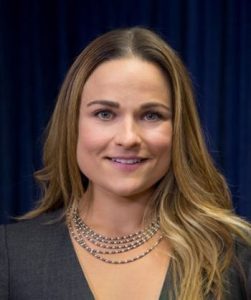
Erin Baumann, Harvard Kennedy School
Erin Baumann is a Faculty member at Woods College and the Senior Associate Director of Professional Pedagogy at the Harvard Kennedy School of Government, Harvard University. At Woods, Erin teaches a variety of courses in political science and history – including International Relations, Fundamental Concepts of Politics, Comparative Politics, and Modern Russia: culture, politics, and foreign policy. At HKS, Erin oversees the SLATE (Strengthening Learning and Teaching Excellence) Pedagogy Team and their work in instructional support, pedagogical research, and faculty programming.
Derek Bruff, University of Virginia; Derek Bruff Consulting
Derek Bruff is an educator, author, and higher ed consultant. He directed the Vanderbilt University Center for Teaching for more than a decade, where he helped faculty and other instructors develop foundational teaching skills and explore new ideas in teaching. Bruff consults regularly with faculty and administrators across higher education on issues of teaching, learning, and faculty development, and he is currently an associate director at the Center for Teaching Excellence at the University of Virginia.

Anna Wells Piotti Castonguay, Bates College
Wells Castonguay is the Associate Director for the Center of Inclusive Teaching and Learning at Bates College, which is in Maine (their home state). Wells has a background in language pedagogy and second language acquisition, with a dual title PhD in German Linguistics and Language Science. Wells’ favorite course to teach is titled Beyond the Rainbow: Exploring the Language (and the Science, Art, and Culture) of Color.

Anne Fensie, University of Maine at Presque Isle
Anne Fensie is the Director of the Center for Teaching and Learning at the University of Maine at Presque Isle. She supports faculty across modalities and oversees course development and quality for the university’s self-paced, online competency-based education program. Her scholarly interests focus on investigating cognitive processes in adult learning and using research to improve the design and effectiveness of distance instruction. Anne is dedicated to tracking emerging trends in higher education, generating evidence of learning in instructional settings, and keeping humans at the center of design decisions.
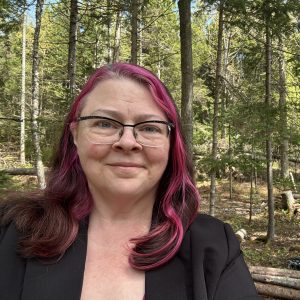
Nicole Frank, Fort Hays State University
Nicole Frank works to design, develop, and evaluate evidence-based, relevant faculty professional development opportunities ranging from full-day, on-ground conferences to online, asynchronous modules. Nicole holds a BA in English Education from Fort Hays State University, and an M.Ed. in Adult Education and Training from Colorado State University, and an Ed.D. in Higher Education Leadership from Baker University. Her scholarly and practice interests include Writing Across the Curriculum (WAC), faculty motivation, and CTL assessment.
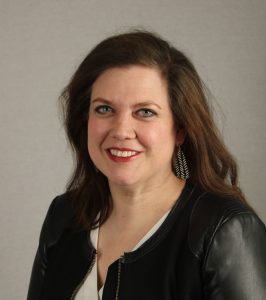
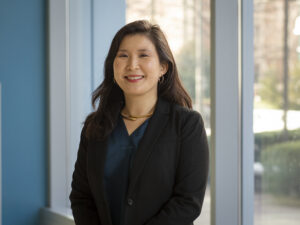
Linda Hasunuma, Temple University
Linda has a PhD in political science from UCLA and was an assistant professor and program chair before she joined the CAT. At the CAT, she focuses on supporting teaching assistants and faculty with inclusive teaching and mentoring, teaching statements and portfolios, and preparing for challenging discussions in the classroom. Recent publications include an article on AAPI inclusive curricula for The Journal of Political Science Education and an edited volume, Perspectives of Educational Developers of Color, (Routledge/Taylor & Francis, 2025). She is co-
Editor-in-Chief of the Journal of Diversity and Equity in Educational Development (JDEED).
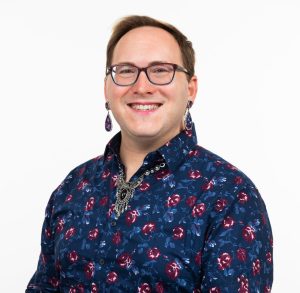
Robyn Hill, City Colleges of Chicago
Dr. Robyn Hill is a higher education professional, applied social scientist, and amateur tubist who works to advance faculty development, inclusive college teaching, and LGBTQ+ advocacy. A leader in higher education institutions for over 15 years, Rob teaches part-time for Elmhurst University and Olive-Harvey College. They are a proud graduate of Michigan State University (Ph.D. ’19), SUNY Albany (M.S. ’13) and Skidmore College (B.S. ’09). Rob lives in Chicago with their partner, Sam, and their cat, Caps Lock.
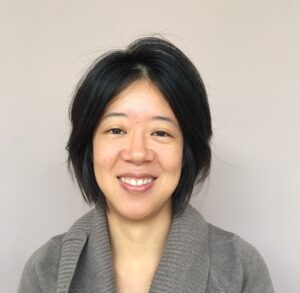
Lisa Jong, University of Wisconsin-Madison
Dr. Lisa Jong has enjoyed supporting the professional growth of instructors in higher education for the past decade. Her experience as a first generation college graduate and former instructor of academic writing drives her interest in collaborating to foster learning environments that make space for failure, curiosity, and creativity. Her work in service to the profession of educational development has included leading the Diversity, Equity, and Inclusion Committee of the POD Network (2022-2024), as well as currently coordinating scholarly engagement programming through the Journal of Diversity and Equity in Educational Development (JDEED).
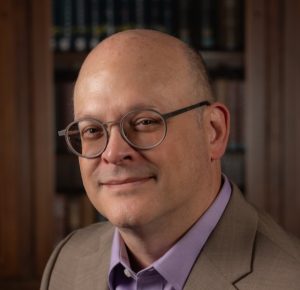
Eric Kaldor, Brown University
Eric Kaldor is Director of Assessment and Transformational Programs in the Sheridan Center for Teaching and Learning at Brown University where he focuses on the assessment of teaching, learning and curriculum and the implementation of evidence-based programs that have transformational impacts on learners and educators. He is past co-chair of the POD Network’s Professional Development Committee. Dr. Kaldor holds a Ph.D. in Sociology from Rutgers University.
JuliA Metzker, The Evergreen State College
Dr. JuliA Metzker, Director of the Washington Center for Improving Undergraduate Education at The Evergreen State College, brings extensive experience in creating equitable learning environments through learning communities and critically engaged pedagogies. She is co-author of Learning That Matters: A Field Guide to Course Design for Transformative Education, a practical resource that guides faculty in designing courses that engage students as active citizens. Her contributions to educational development include co-leading the collaborative development of a competency framework for educational development and co-facilitating a biennial pre-conference sessions for center directors at the POD conference (2016-2025).
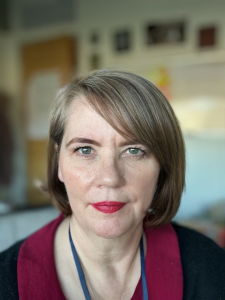
Pamela Meyers, Oregon Health and Science University
Pamela Meyers is a Faculty Development Specialist at Oregon Health & Science University, where she leads programs grounded in evidence-based practices to support new faculty success and teaching excellence. She is pursuing an EdD in Leadership and Innovation at Arizona State University, focusing on equity-minded approaches to evaluating faculty development. Her research also explores how generative AI is reshaping academic writing, curriculum design, and educational development.
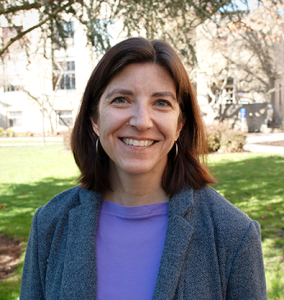
Tolulope Noah, California State University, Long Beach
Tolulope (Tolu) Noah, Ed.D. is an educational developer with a deep passion for
teaching, technology, and facilitation. She currently works as the instructional learning spaces coordinator at California State University, Long Beach, where she designs and facilitates professional learning programs for instructors about teaching and technology. Previously, Tolu was a senior professional learning specialist at Apple, an associate professor in the teacher education program at Azusa Pacific University, and a K-12 teacher. She is also the author of the book, Designing and Facilitating Workshops with Intentionality: A Guide to Crafting Engaging Professional Learning Experiences in Higher Education.
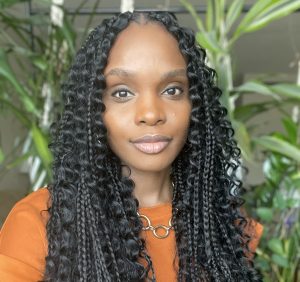
E. Shelley Reid, George Mason University
E. Shelley Reid is professor of English and executive director of the Stearns Center for Teaching and Learning at George Mason University. Her open-access textbook Rethinking Your Writing is available online from WAC Clearinghouse Press, and her work on teacher preparation, mentoring, and writing education appears in To Improve the Academy, POD Perspectives, Composition Studies, College Composition and Communication, Pedagogy, Writing Program Administration, and Writing Spaces.
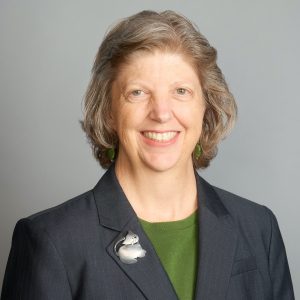
Karen Skibba, University of Wisconsin-Madison
Karen Skibba is an educator, faculty developer, and researcher with over two decades of experience in higher education, focusing since 2001 on supporting instructors in designing and delivering effective online and blended learning experiences grounded in research-based practices, adult learning theory, and emerging technologies, including Generative AI. At the University of Wisconsin–Madison, she is a Distinguished Teaching and Learning Specialist in the Center for Teaching, Learning and Mentoring, where she leads faculty development initiatives to promote inclusive, evidence-based practices across digital learning environments. Her professional contributions include leading TeachOnline@UW from 2014 to 2021, a faculty learning community that helped 450 instructors create high-quality online courses and developing Enhancing Online Education, a popular suite of micro-courses and webinars that support instructors with course planning, instructional materials, designing assessments, course management, and cultivating inclusivity. Karen’s research and scholarship explore how faculty learn to teach online and blended courses, emphasizing self-reflection, adult learning, and pedagogical transformation. She has authored and co-authored several book chapters and presented her award-winning work at global conferences, including the Robert J. Menges Award for Outstanding Research in Educational Development from the Professional and Organizational Development (POD) Network. She holds a Ph.D. in Adult and Continuing Education from the University of Wisconsin–Milwaukee and an M.A. in Communication Studies from Marquette University.
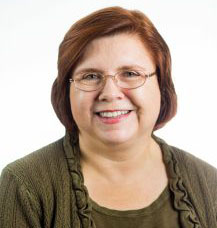
Rosemary Tyrrell, University of California, Riverside
Rosemary Tyrrell, EdD, serves as Director of the Office of Faculty Development and Assistant Professor in the Department of Social Medicine, Population, and Public Health at the University of California, Riverside School of Medicine. As the head of the faculty development office, she leads a dedicated team responsible for delivering hundreds of faculty development programs and services each year, all aimed at fostering teaching excellence across the institution.
Dr. Tyrrell co-chairs the TEACH Team (Teaching Excellence and Course Enhancement), a committee focused on advancing educational quality and assessment. She also chairs the UCR School of Medicine’s Kern National Network committee on Flourishing in Medicine and the Teaching, Learning, and Curriculum Committee for the Master of Public Health (MPH) program. In addition to these roles, she oversees the School of Medicine’s Administrative Fellowship program and contributes to strategic curriculum enhancement efforts.
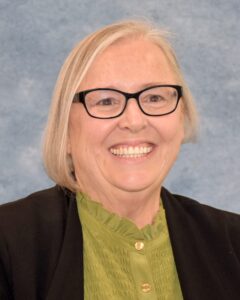
Lee Skallerup Bessette, Georgetown University
Dr. Lee Skallerup Bessette has been working in higher education for over 25 years and in faculty development for over a decade. Her work and interests lie at the intersection of digital pedagogy, innovation, and inclusivity. She most recently co-edited the book, Of Many Minds Neurodiversity and Mental Health Among University Faculty and Staff, with Rebecca Pope-Ruark and published by Johns Hopkins UP.
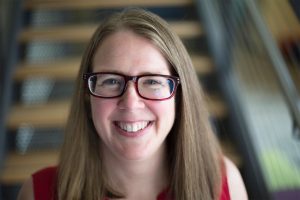
Allison Boye, University of North Texas
Dr. Allison Boye has over 18 years of professional experience in the fields of teaching and learning and faculty development in higher education. She is currently the Senior Faculty Development Specialist within the division of Strategic Educational Alliances at the University of North Texas, where amongst other duties, she leads the Generative AI Institute for Teaching. She previously served as Founding Director of the Center for Teaching and Learning for the Collin College System and Associate Director of the Teaching, Learning, and Professional Development Center at Texas Tech University. Allison has served on the Boards for the Professional and Organizational Development Network in Higher Education (POD) and the Texas Faculty Development Network, and she is also a Consulting Editor for College Teaching and former Associate Editor for IDEA Papers. Her scholarly work has appeared in publications such as To Improve the Academy, The Journal on Centers for Teaching and Learning, IDEA Papers, and The Scholarly Teacher. She is also co-editor and co-author of the book Transparent Design in Higher Education Teaching and Leadership (Taylor and Francis, 2019).

Derek Bruff, University of Virginia; Derek Bruff Consulting
Derek Bruff is an educator, author, and higher ed consultant. He directed the Vanderbilt University Center for Teaching for more than a decade, where he helped faculty and other instructors develop foundational teaching skills and explore new ideas in teaching. Bruff consults regularly with faculty and administrators across higher education on issues of teaching, learning, and faculty development, and he is currently an associate director at the Center for Teaching Excellence at the University of Virginia.
Anne Fensie, University of Maine at Presque Isle
Anne Fensie is the Director of the Center for Teaching and Learning at the University of Maine at Presque Isle. She supports faculty across modalities and oversees course development and quality for the university’s self-paced, online competency-based education program. Her scholarly interests focus on investigating cognitive processes in adult learning and using research to improve the design and effectiveness of distance instruction. Anne is dedicated to tracking emerging trends in higher education, generating evidence of learning in instructional settings, and keeping humans at the center of design decisions.
Erin Galyen, The University of Arizona
Erin Galyen is a Professor of Practice with the University Center for Assessment, Teaching, and Technology at the University of Arizona. She has been working in the field of educational development for over fifteen years and co-coordinates a 10-unit Certificate in College Teaching program. Her interdisciplinary background includes a Ph.D. in Teaching and Teacher Education, Masters degrees in Astronomy and English, and graduate certificates in instructional design and technology, as well as college teaching. Her educational development interests center around active and collaborative learning, inclusive and contemplative pedagogies, and she is a past chair of the POD Mindfulness and Contemplative Pedagogies SIG.
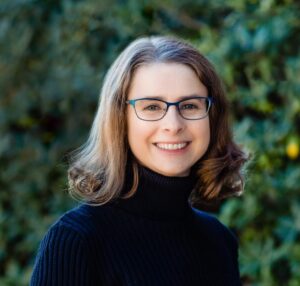
Larkin Hood, The Pennsylvania State University
Larkin Hood is an Associate Research Professor and Associate Director at the Schreyer Institute for Teaching Excellence. For the past 15 years she has worked with hundreds of Penn State instructors from a variety of ranks and disciplines on teaching and learning topics. She earned her doctorate in Anthropology (Archaeology) in 2007 from the University Washington, Seattle. Her research interests include teaching and learning in STEM, students as partners, faculty pathways through professional development in pedagogy, Decoding and Threshold Concept models of learning, and Indigenous Knowledge (IK) and higher education.
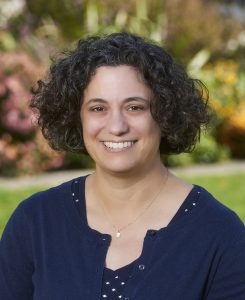
Peggy Hsieh, McGovern Medical School
Peggy Hsieh, Ph.D. earned her doctorate in Educational Psychology from the University of Texas at Austin, specializing in learning and instruction. Peggy has delivered more than 50 invited presentations at national and international conferences to advance teaching and learning. As the Founder and Director of the Physician Educator Certificate Program, she leads an impactful initiative that strengthens teaching effectiveness among residents and fellows while fostering a culture of educational excellence and innovation.
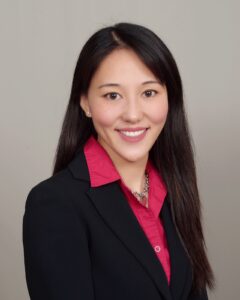
Cynthia Korpan, University of Victoria
Up until 2023, Cynthia was the Director of Teaching Excellence, University of Victoria (UVic), designing and teaching graduate and faculty development courses. She holds a doctorate from UVic that focuses on early academics learning how to teach in the academic workplace. Currently, Cynthia holds the position of Secretary on the Board of Directors for the Society for Teaching and Learning in Higher Education (STLHE), is an Associate Editor for the Canadian Journal for the Scholarship of Teaching and Learning (CJSoTL), a Committee Member for the Graduate Student, Professional Student, and Postdoctoral Scholar Development Special Interest Group (GPPD SIG) of the Professional and Organizational Development (POD), Adjunct Professor (UVic), and Director of ITeach: Certification in Higher Ed Inc.
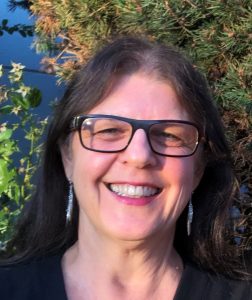
Jessica Kruger, University of Buffalo
Dr. Jessica S. Kruger is the Director of Teaching Innovation and Excellence for the School of Public Health and Health Professions and a Clinical Associate Professor in the Department of Community Health and Health Behavior at the University at Buffalo. Her scholarly work centers on advancing innovative and inclusive pedagogical approaches in public health education, with an emphasis on experiential learning, community engagement, and the ethical application of emerging technologies. She is dedicated to fostering interdisciplinary collaboration to address health inequities and to preparing future public health professionals to serve as effective and compassionate leaders. Dr. Kruger’s teaching and research reflect a commitment to integrating academic rigor with meaningful community impact.
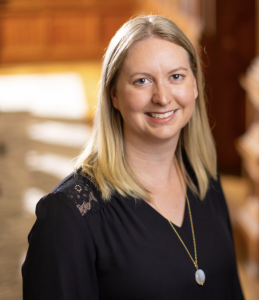
Lori Mumpower, University of Illinois Chicago
Lori Mumpower is the Executive Director for the Center for the Advancement of Teaching Excellence. She joined UIC in May 2024, having spent 6 years directing the teaching and learning center at Embry-Riddle Aeronautical University. Lori is a co-recipient of the 2024 Robert J. Menges Award for Outstanding Research in Educational Development for “Driving and Resisting Pedagogical Change: Lessons Post-Pandemic.” She is also a co-recipient of the 2023 Professional and Organizational Development Network Innovation Award for “Small Teaching, Big Results: Leveraging Department Chairpersons to Improve Teaching and Learning.” Her scholarly research centers on educational development, student-centered teaching practices, and faculty mentoring.
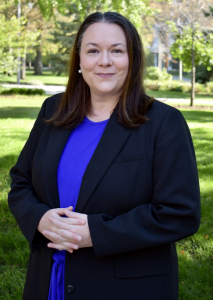
Tolulope Noah, California State University, Long Beach
Tolulope (Tolu) Noah, Ed.D. is an educational developer with a deep passion for
teaching, technology, and facilitation. She currently works as the instructional learning spaces coordinator at California State University, Long Beach, where she designs and facilitates professional learning programs for instructors about teaching and technology. Previously, Tolu was a senior professional learning specialist at Apple, an associate professor in the teacher education program at Azusa Pacific University, and a K-12 teacher. She is also the author of the book, Designing and Facilitating Workshops with Intentionality: A Guide to Crafting Engaging Professional Learning Experiences in Higher Education.
Marika Preziuso, Massachusetts College of Art and Design
Marika Preziuso (she, her) is Professor and Chairperson of the Humanities department at the Massachusetts College of Art and Design (MassArt). Marika holds an M.A. in Gender, Society, and Culture and a Ph.D. in Literature from the Caribbean Diaspora, both at the University of London, UK. Marika’s teaching focuses on postcolonial literature, particularly literature and art by migrant and diasporic writers working on the uncanny and reclaiming notions of “otherness”. Marika’s long-standing scholarship in intercultural pedagogy for the creative classroom has enabled her to develop and facilitate faculty professional development at MassArt and other higher ed institutions. Since 2023, she has served on the leadership team of the MassArt Learning & Teaching Center (LTC).
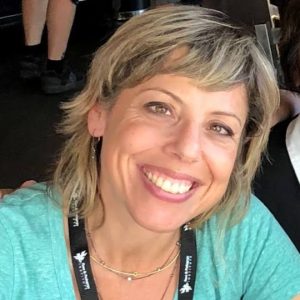
Susan Robison, Professor Destressor
Susan Robison, Ph.D. is a psychologist, author, and faculty development consultant. Her book, The Peak Performing Professor: A Practical Guide to Productivity and Happiness (Jossey-Bass, 2013) has been selected for faculty book clubs all over North America.
A former academic department chair and professor of psychology at Notre Dame of Maryland University, Susan has also authored a leadership book for academic leaders, Coaching Skills for Academic Leaders: Bringing Out the Best in Yourself and Others, (Routledge Publishing, 2023) which has formed the basis for leadership workshops and consultation work with chairs, deans, and provosts at higher education conferences and colleges.
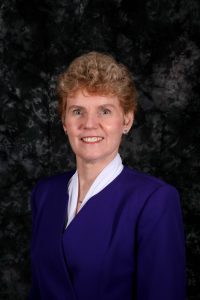
Kristi Rudenga, University of Notre Dame
Kristi Rudenga is Director of the Kaneb Center for Teaching Excellence as well as Teaching Professor at the University of Notre Dame. She oversees the Kaneb Center team and is responsible for the Center’s strategy, partnerships, and initiatives including the Notre Dame Inclusive Teaching Academy, Kaneb Center Course Design Academy, and Foundational Course Transformation Academy. She also consults with instructors on pedagogical approaches and facilitates seminar series and workshops on teaching and mentoring. Kristi writes for the Chronicle of Higher Education and teaches courses such as “Food and the Brain”, “Pedagogy and Practice in the College Classroom,” and “The Art and Science of Learning.”
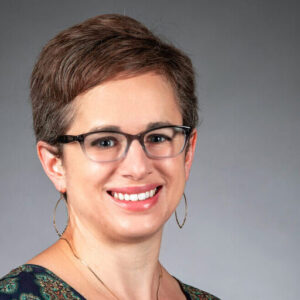
Marissa Stewart, University of North Carolina at Chapel Hill
Marissa Stewart is an educational developer with over ten years of experience
supporting instructors across multiple institutions. She joined the Center for Faculty
Excellence at the University of North Carolina at Chapel Hill in 2022 and now leads the Teaching & Learning team to provide evidence-based programs, resources, and support for instructors across career stages and schools. Her Ph.D. Is in bioarchaeology from The Ohio State University where she examined biological evidence for social inequality in medieval Italian cemeteries, and she also has master’s degrees in skeletal biology and instructional design.
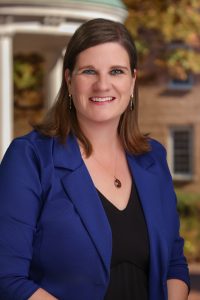
Jennifer Vannatta-Hall, Middle Tennessee State University
Jennifer Vannatta-Hall is the inaugural director of the Center for Teaching and Mentoring at Middle Tennessee State University, where she continues to teach undergraduate and graduate courses in music education. She has over 27 years’ experience as a professional educator in both elementary/secondary public-school settings and in higher education. Jennifer has presented workshops and conference sessions all over the United States and was a visiting professor of music at Hangzhou Normal University in China in March 2019.
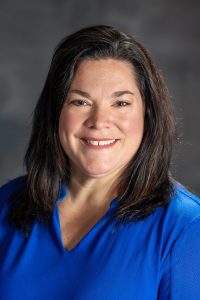
Monica Vesely, University of Waterloo
Monica Vesely is a higher education professional focusing on the facilitation of learning and the incorporation of lifelong learning skills. She currently leads the curriculum integration efforts for the Centre for Work-Integrated Learning at the University of Waterloo. Monica’s areas of expertise include faculty program development, consultative leadership, project management, course and curriculum design (online, blended and face-to-face) and reflective practice. She is currently engaged in research on exploring leadership pathways in educational development, the longitudinal impact of the experiential-learning based, Facilitator Development Workshop (FDW), on teaching development and the mobilization efficacy of her newly developed CLEAR Reflection Process (a practical, guided approach to reflection that aims to maximize learning).
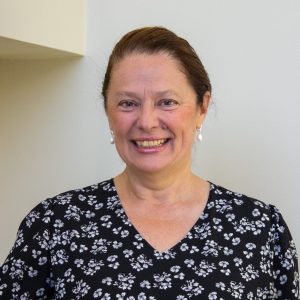
Allison Boye, University of North Texas
Dr. Allison Boye has over 18 years of professional experience in the fields of teaching and learning and faculty development in higher education. She is currently the Senior Faculty Development Specialist within the division of Strategic Educational Alliances at the University of North Texas, where amongst other duties, she leads the Generative AI Institute for Teaching. She previously served as Founding Director of the Center for Teaching and Learning for the Collin College System and Associate Director of the Teaching, Learning, and Professional Development Center at Texas Tech University. Allison has served on the Boards for the Professional and Organizational Development Network in Higher Education (POD) and the Texas Faculty Development Network, and she is also a Consulting Editor for College Teaching and former Associate Editor for IDEA Papers. Her scholarly work has appeared in publications such as To Improve the Academy, The Journal on Centers for Teaching and Learning, IDEA Papers, and The Scholarly Teacher. She is also co-editor and co-author of the book Transparent Design in Higher Education Teaching and Leadership (Taylor and Francis, 2019).
Esin Çağlayan, Izmir University of Economics
Asst. Prof. Esin Çağlayan is an assistant professor of Educational Sciences at Izmir University of Economics, Turkey. She currently serves as the Director of the Teaching and Learning Research and Application Center – TLC, providing training in instructional design, technology-enhanced teaching, and assessment to academic staff. Her academic interests encompass educational technologies, instructional design, learning analytics, organizational behaviour, and assessment and evaluation.
https://www.linkedin.com/in/esin-caglayan-phd-6307/
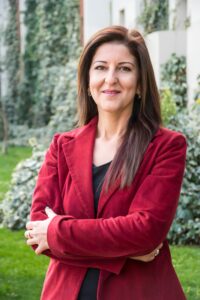
Nicole Frank, Fort Hays State University
Nicole Frank works to design, develop, and evaluate evidence-based, relevant faculty professional development opportunities ranging from full-day, on-ground conferences to online, asynchronous modules. Nicole holds a BA in English Education from Fort Hays State University, and an M.Ed. in Adult Education and Training from Colorado State University, and an Ed.D. in Higher Education Leadership from Baker University. Her scholarly and practice interests include Writing Across the Curriculum (WAC), faculty motivation, and CTL assessment.
Erin Galyen, The University of Arizona
Erin Galyen is a Professor of Practice with the University Center for Assessment, Teaching, and Technology at the University of Arizona. She has been working in the field of educational development for over fifteen years and co-coordinates a 10-unit Certificate in College Teaching program. Her interdisciplinary background includes a Ph.D. in Teaching and Teacher Education, Masters degrees in Astronomy and English, and graduate certificates in instructional design and technology, as well as college teaching. Her educational development interests center around active and collaborative learning, inclusive and contemplative pedagogies, and she is a past chair of the POD Mindfulness and Contemplative Pedagogies SIG.
Peggy Hsieh, McGovern Medical School
Peggy Hsieh, Ph.D. earned her doctorate in Educational Psychology from the University of Texas at Austin, specializing in learning and instruction. Peggy has delivered more than 50 invited presentations at national and international conferences to advance teaching and learning. As the Founder and Director of the Physician Educator Certificate Program, she leads an impactful initiative that strengthens teaching effectiveness among residents and fellows while fostering a culture of educational excellence and innovation.
Lisa Jong, University of Wisconsin-Madison
Dr. Lisa Jong has enjoyed supporting the professional growth of instructors in higher education for the past decade. Her experience as a first generation college graduate and former instructor of academic writing drives her interest in collaborating to foster learning environments that make space for failure, curiosity, and creativity. Her work in service to the profession of educational development has included leading the Diversity, Equity, and Inclusion Committee of the POD Network (2022-2024), as well as currently coordinating scholarly engagement programming through the Journal of Diversity and Equity in Educational Development (JDEED).
Heeyoung Kim, Faculty and Higher Education Consultant
Heeyoung Kim is a former Chief Diversity office, and Dean of Library, and the Director of Teaching and Learning Center at Rider University, and is an Instructional Designer at Empire State University. Known for cultivating collaborative and inclusive learning environments, she combines strategic leadership, educational development, instructional design, and technology-enabled practices to empower educators and enhance student success.
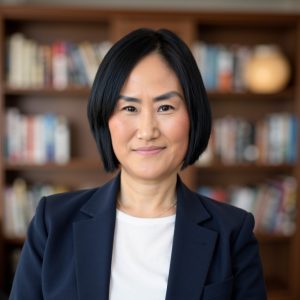
Pamela Meyers, Oregon Health and Science University
Pamela Meyers is a Faculty Development Specialist at Oregon Health & Science University, where she leads programs grounded in evidence-based practices to support new faculty success and teaching excellence. She is pursuing an EdD in Leadership and Innovation at Arizona State University, focusing on equity-minded approaches to evaluating faculty development. Her research also explores how generative AI is reshaping academic writing, curriculum design, and educational development.
Ellen Moll, Michigan State University
Ellen Moll is the Assistant Dean for Undergraduate Studies in the College of Arts & Letters at Michigan State University. Her areas of interest include higher education leadership, curriculum and pedagogy, educator development, general education, developing student leadership, and co-curricular and experiential learning.
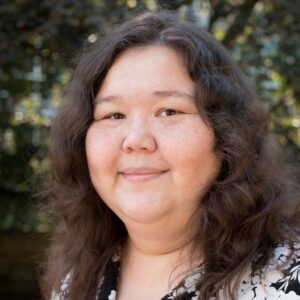
Julie Phillips, Thomas Jefferson University
Julie’s titles have included Visiting, Assistant and Adjunct Professor—Teaching, Course Director, Assistant Director, and Assistant Provost over her 25+ years in higher education. Three threads dominate her academic career—leading multi-disciplinary teams through curricular change, finding the balance among pedagogy, ideas and technology, and supporting faculty at all stages of their career to create and build robust learning experiences. She considers herself a generalist, and this can be traced back to her PhD from Purdue University in Rhetorical Theory and Public Address because ideas must be explored through communication.
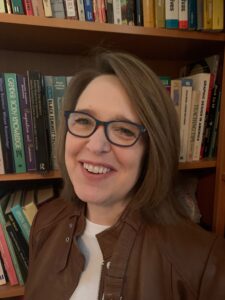
Christine Rener, Grand Valley State University
Christine Rener is Vice Provost for Instructional Development and Innovation, Director of the Robert and Mary Pew Faculty Teaching and Learning Center, and Professor of Chemistry at Grand Valley State University in Grand Rapids, Michigan and the Past President of the POD Network. She earned her Ph.D. in Biochemistry, Molecular Biology and Cell Biology from Northwestern University. Christine was the Founding Director of Faculty Development at Carthage College where she also taught chemistry and served in a variety of administrative roles. Within the POD Network, she has served on the Presidential Team, the Core Committee and as chair of the Professional Development and External Partnerships and Outreach Committees. In 2021, she received the Bob Pierleoni Spirit of POD Award.
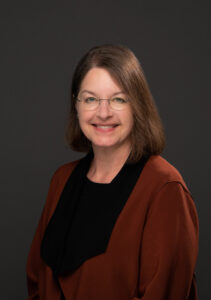
Marissa Stewart, University of North Carolina at Chapel Hill
Marissa Stewart is an educational developer with over ten years of experience
supporting instructors across multiple institutions. She joined the Center for Faculty
Excellence at the University of North Carolina at Chapel Hill in 2022 and now leads the Teaching & Learning team to provide evidence-based programs, resources, and support for instructors across career stages and schools. Her Ph.D. Is in bioarchaeology from The Ohio State University where she examined biological evidence for social inequality in medieval Italian cemeteries, and she also has master’s degrees in skeletal biology and instructional design.
Rosemary Tyrrell, University of California, Riverside
Rosemary Tyrrell, EdD, serves as Director of the Office of Faculty Development and Assistant Professor in the Department of Social Medicine, Population, and Public Health at the University of California, Riverside School of Medicine. As the head of the faculty development office, she leads a dedicated team responsible for delivering hundreds of faculty development programs and services each year, all aimed at fostering teaching excellence across the institution.
Dr. Tyrrell co-chairs the TEACH Team (Teaching Excellence and Course Enhancement), a committee focused on advancing educational quality and assessment. She also chairs the UCR School of Medicine’s Kern National Network committee on Flourishing in Medicine and the Teaching, Learning, and Curriculum Committee for the Master of Public Health (MPH) program. In addition to these roles, she oversees the School of Medicine’s Administrative Fellowship program and contributes to strategic curriculum enhancement efforts.
Monica Vesely, University of Waterloo
Monica Vesely is a higher education professional focusing on the facilitation of learning and the incorporation of lifelong learning skills. She currently leads the curriculum integration efforts for the Centre for Work-Integrated Learning at the University of Waterloo. Monica’s areas of expertise include faculty program development, consultative leadership, project management, course and curriculum design (online, blended and face-to-face) and reflective practice. She is currently engaged in research on exploring leadership pathways in educational development, the longitudinal impact of the experiential-learning based, Facilitator Development Workshop (FDW), on teaching development and the mobilization efficacy of her newly developed CLEAR Reflection Process (a practical, guided approach to reflection that aims to maximize learning).
Stacy Ybarra, Our Lady of the Lake University
Dr. Stacy Ybarra, EdD, is a visionary educational leader and consultant specializing in the future of teaching and learning, currently serving as the Director of the Center for Teaching Excellence at Our Lady of the Lake University. She has over 15 years of experience driving institutional transformation through expertise in AI-resistant pedagogy, UDL, and faculty development. She is a recognized scholar and Master Reviewer for Quality Matters, having secured significant grant funding for digital learning and student success initiatives.
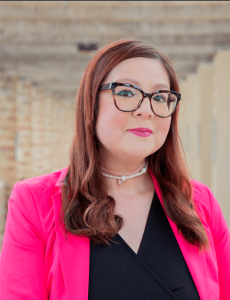
Kevin Yee, University of Central Florida
Kevin has worked in educational development since 2004, serving as director
of various teaching centers since 2012. He joined UCF’s Faculty Center in
2022. He has also previously held 9-month faculty positions at Duke
University, Pomona College, and the University of Iowa. In the classroom,
Kevin believes the science of learning provides a crucial foundation for
instructors, influencing everything from course design and assessment
structure, to classroom management and lesson planning. He is an avid
believer in interactive teaching, and has curated a popular list of interactive
techniques since 1992. More recently, he’s been writing books for faculty
related to AI fluency and how to use generative AI (such as ChatGPT) in the
college classroom, as well as ways faculty can use AI in their day job. In early
2025, he added the role of AI coordinator for the entire university, helping to
track, connect, and publicize “AI for All” efforts across all UCF stakeholders
(faculty, staff, students).

Donohon Abdugafurova, Ph.D., Wake Forest University
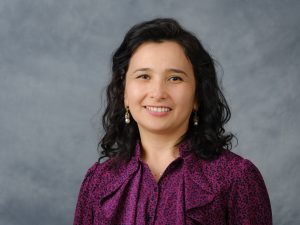
Bridget Arend, Ph.D., Metropolitan State University of Denver

Jaclyn Carter, University of Calgary
Jaclyn is an Educational Developer at the University of Calgary in Alberta, Canada. Her work focuses on curriculum review, renewal, and development across the institution. This work includes consultation with various stakeholders to support the development of new academic programs of all kinds, and ranges from one-to-one faculty consultation to supporting wider institutional and government initiatives and mandates that relate to academic programming. She also contributes to several key programs in the Taylor Institute for Teaching and Learning, including professional teaching development of graduate students and postdoctoral scholars.
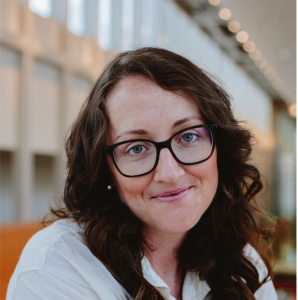
Michele DiPietro, Kennesaw State University
Dr. Michele DiPietro is the Executive Director for Faculty Development, Recognition, and the Center for Excellence in Teaching and Learning and a Professor in the School of Data Science and Analytics at Kennesaw State University. Dr. DiPietro is a co-author of “How Learning Works: 8 Research-Based Principles for Smart Teaching” (revised and expanded 2nd edition). They have presented hundreds of workshops and keynotes at numerous institutions and conferences in the US and abroad, and their scholarship has been translated into 7 languages. Dr. DiPietro is a former president of the POD Network and a recipient of the Bob Pierleoni Spirit of POD award, the highest honor bestowed in the field of educational development.
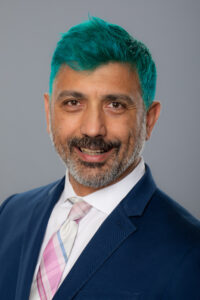
Diana Direiter, Lesley University
Dr. Direiter recently returned to full-time faculty after serving as Lesley University’s Dean of Faculty for 7 years. During her tenure, she fully transformed the role to focus on access, equity, and empowerment for faculty. She is the co-author and co-editor of Leadership Enrichment and Development (part of the Routledge Studies in Leadership Research) which is grounded in a feminist, peer mentorship model of faculty leadership she developed with colleagues.

Amanda Irvin, Columbia University
Amanda Irvin (she/her) serves as Executive Director of the CTL. In this role, she provides the academic vision and strategic leadership for the CTL, advancing the culture of teaching on Columbia’s campuses. She works closely with the Senior Vice Provost, Columbia’s schools and colleges, and faculty leaders to determine priorities for the CTL and develop new initiatives and programs.
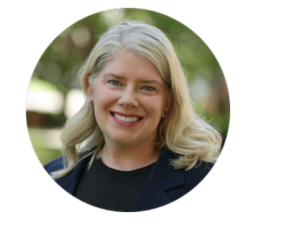
Heeyoung Kim, Faculty and Higher Education Consultant
Heeyoung Kim is a former Chief Diversity office, and Dean of Library, and the Director of Teaching and Learning Center at Rider University, and is an Instructional Designer at Empire State University. Known for cultivating collaborative and inclusive learning environments, she combines strategic leadership, educational development, instructional design, and technology-enabled practices to empower educators and enhance student success.
Cynthia Korpan, University of Victoria
Up until 2023, Cynthia was the Director of Teaching Excellence, University of Victoria (UVic), designing and teaching graduate and faculty development courses. She holds a doctorate from UVic that focuses on early academics learning how to teach in the academic workplace. Currently, Cynthia holds the position of Secretary on the Board of Directors for the Society for Teaching and Learning in Higher Education (STLHE), is an Associate Editor for the Canadian Journal for the Scholarship of Teaching and Learning (CJSoTL), a Committee Member for the Graduate Student, Professional Student, and Postdoctoral Scholar Development Special Interest Group (GPPD SIG) of the Professional and Organizational Development (POD), Adjunct Professor (UVic), and Director of ITeach: Certification in Higher Ed Inc.
Jessica Kruger, University at Buffalo
Dr. Jessica S. Kruger is the Director of Teaching Innovation and Excellence for the School of Public Health and Health Professions and a Clinical Associate Professor in the Department of Community Health and Health Behavior at the University at Buffalo. Her scholarly work centers on advancing innovative and inclusive pedagogical approaches in public health education, with an emphasis on experiential learning, community engagement, and the ethical application of emerging technologies. She is dedicated to fostering interdisciplinary collaboration to address health inequities and to preparing future public health professionals to serve as effective and compassionate leaders. Dr. Kruger’s teaching and research reflect a commitment to integrating academic rigor with meaningful community impact.
JuliA Metzker, The Evergreen State College
Dr. JuliA Metzker, Director of the Washington Center for Improving Undergraduate Education at The Evergreen State College, brings extensive experience in creating equitable learning environments through learning communities and critically engaged pedagogies. She is co-author of Learning That Matters: A Field Guide to Course Design for Transformative Education, a practical resource that guides faculty in designing courses that engage students as active citizens. Her contributions to educational development include co-leading the collaborative development of a competency framework for educational development and co-facilitating a biennial pre-conference sessions for center directors at the POD conference (2016-2025).
Ellen Moll, Michigan State University
Ellen Moll is the Assistant Dean for Undergraduate Studies in the College of Arts & Letters at Michigan State University. Her areas of interest include higher education leadership, curriculum and pedagogy, educator development, general education, developing student leadership, and co-curricular and experiential learning.
Mathew Ouellett, Faculty and Higher Education Consultant
Dr. Mathew L. Ouellett has directed three centers for teaching and learning, most recently as the founding executive director of Cornell University’s Center for Teaching Innovation. A long-standing member of POD, Matt has served on conference committees, as a CORE member, and as president (2007-2008). He was honored with the 2012 Robert Pierleoni Spirit of POD Award. Currently, He co-teaches Teaching & Learning in the Diverse Classroom (CornellX/edX).
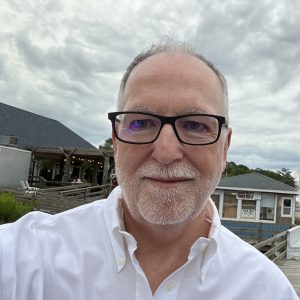
Ligia Pamfilie, AAC&U; Wayne State University
Ligia Pamfilie serves as Instructional Designer in the Office for Curricular, Pedagogical, and Digital Innovation at The American Association of Colleges and Universities (AAC&U), where she supports the development and delivery of professional and faculty development programs across multiple learning modalities. Previously, she was the Global Learning Design Coordinator at Wayne State University (WSU), where she created the institution’s first in-house Collaborative Online International Learning (COIL) training program and provided instructional design consultation through the Office for Teaching and Learning. A 2023 Fulbright International Education Administration award recipient, Ligia brings a global perspective to her work, having taught in Romania, Italy, and the United States. She is currently pursuing a PhD in education leadership and policy at Wayne State University and holds an MEd in instructional design from WSU, along with graduate and undergraduate degrees in literature from Petru Maior University in Romania.

Christine Rener, Grand Valley State University
Christine Rener is Vice Provost for Instructional Development and Innovation, Director of the Robert and Mary Pew Faculty Teaching and Learning Center, and Professor of Chemistry at Grand Valley State University in Grand Rapids, Michigan and the Past President of the POD Network. She earned her Ph.D. in Biochemistry, Molecular Biology and Cell Biology from Northwestern University. Christine was the Founding Director of Faculty Development at Carthage College where she also taught chemistry and served in a variety of administrative roles. Within the POD Network, she has served on the Presidential Team, the Core Committee and as chair of the Professional Development and External Partnerships and Outreach Committees. In 2021, she received the Bob Pierleoni Spirit of POD Award.
Kristi Rudenga, University of Notre Dame
Kristi Rudenga is Director of the Kaneb Center for Teaching Excellence as well as Teaching Professor at the University of Notre Dame. She oversees the Kaneb Center team and is responsible for the Center’s strategy, partnerships, and initiatives including the Notre Dame Inclusive Teaching Academy, Kaneb Center Course Design Academy, and Foundational Course Transformation Academy. She also consults with instructors on pedagogical approaches and facilitates seminar series and workshops on teaching and mentoring. Kristi writes for the Chronicle of Higher Education and teaches courses such as “Food and the Brain”, “Pedagogy and Practice in the College Classroom,” and “The Art and Science of Learning.”
Christine Stanley, Texas A&M University
Christine A. Stanley is a regents professor, professor of higher education, holder of the Ruth Harrington Endowed Chair for Educational Leadership, and vice president and associate provost for diversity emerita in the College of Education and Human Development at Texas A&M University. She has served the university as vice president and associate provost for diversity, acting vice provost for academic affairs, interim associate provost for undergraduate studies, executive associate dean for faculty affairs in the College of Education and Human Development, associate director of the Center for Teaching Excellence (CTE), and associate dean of faculties. She provided leadership for the TAMU NSF ADVANCE Scholar Program and served on the presidential task force to develop and write the first Standards of Professional Practice for Chief Diversity Officers, commissioned by the National Association of Diversity Officers in Higher Education (NADOHE).
A past president of the Professional and Organizational Development (POD) Network in Higher Education, she chaired the POD Diversity Committee for six years and received two awards from the organization–the Robert Pierleoni Spirit of POD Award for leadership efforts in diversity and, the named Christine A. Stanley Award for Diversity and Inclusion Research in Educational Development. She is a recipient of numerous university and national awards including the Outstanding Staff Award from The Ohio State University, TAMU Women’s Faculty Network (WFN) Award for Mentoring, the TAMU Association of Former Students (AFS) Distinguished Achievement Award for Graduate Mentoring, the Outstanding New Faculty Award from the College of Education Development Council, and the Mildred Garcia Award for Exemplary Scholarship for a Senior-Practitioner Scholar from the Association for the Study of Higher Education (ASHE).
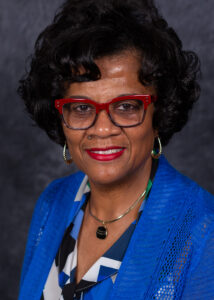
Tom Tobin, University of Wisconsin-Madison
Thomas J. Tobin, PhD, MSLS, PMP, MOT, CPACC is an internationally recognized scholar, author, and speaker on technology-mediated education. Named among the world’s top 100 learning influencers by Eduflow, Tom’s books include
Evaluating Online Teaching (2015).
The Copyright Ninja (2017).
Reach Everyone, Teach Everyone: Universal Design for Learning (UDL) in Higher
Education (2018).
Going Alt-Ac: A Guide to Alternative Academic Careers (2020).
Implementing UDL in Irish Further Education and Training (2021).
UDL at Scale (forthcoming 2026).
Evaluating Teaching in the Digital Era (forthcoming 2027).
Peer Observation Made Practical (forthcoming 2027).
Find him on various social media and at thomasjtobin.com.

Amanda Valdespino, Yale University
Amanda Valdespino is an Accessibility Specialist within the Teaching Development and Initiatives team at the Poorvu Center for Teaching and Learning, and the IT Digital Accessibility team. In her role, Amanda supports faculty and staff in integrating and advancing accessible practices. She is also a co-editor of the recently published edited volume, Perspectives of Educational Developers of Color.
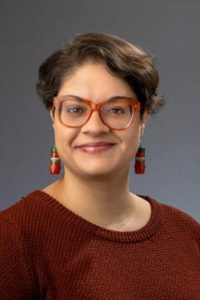
Kevin Yee, University of Central Florida
Kevin has worked in educational development since 2004, serving as director
of various teaching centers since 2012. He joined UCF’s Faculty Center in
2022. He has also previously held 9-month faculty positions at Duke
University, Pomona College, and the University of Iowa. In the classroom,
Kevin believes the science of learning provides a crucial foundation for
instructors, influencing everything from course design and assessment
structure, to classroom management and lesson planning. He is an avid
believer in interactive teaching, and has curated a popular list of interactive
techniques since 1992. More recently, he’s been writing books for faculty
related to AI fluency and how to use generative AI (such as ChatGPT) in the
college classroom, as well as ways faculty can use AI in their day job. In early
2025, he added the role of AI coordinator for the entire university, helping to
track, connect, and publicize “AI for All” efforts across all UCF stakeholders
(faculty, staff, students).