Category Archives: CSR in the Wild

CSR In the Wild

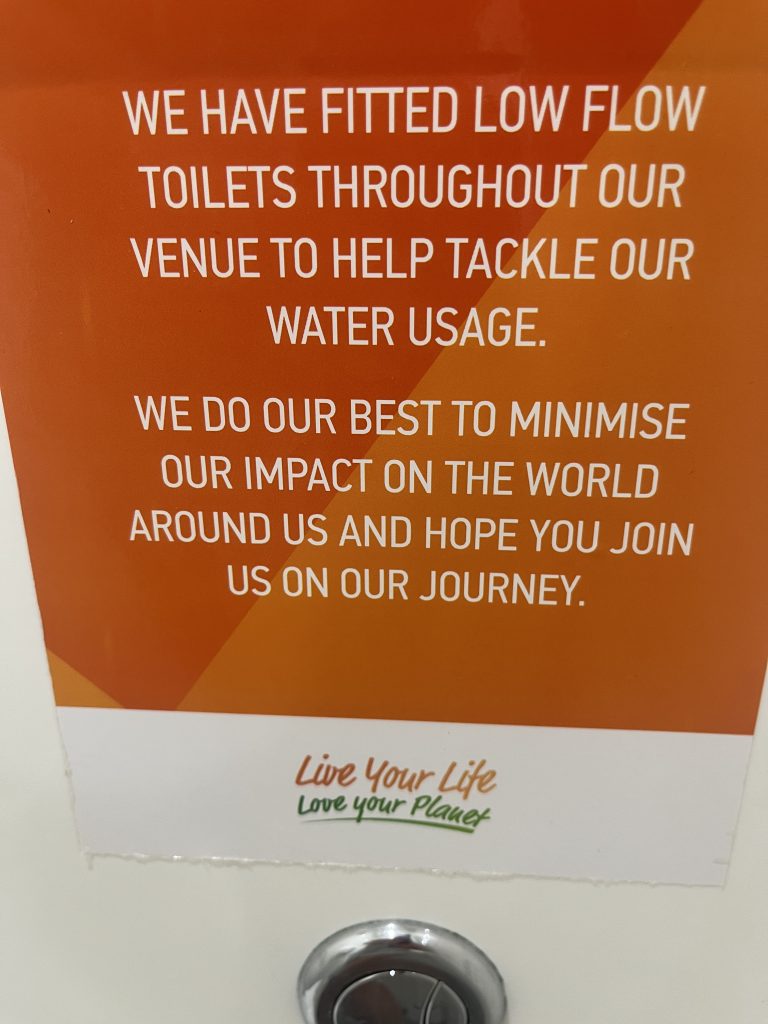
This image demonstrates effective CSR because it is clear that the business is actively working to reduce its environmental footprint by installing low-flow toilets, which conserve water. The message on the sign highlights their commitment to reducing negative impacts on the world and encourages others to join them. The slogan at the bottom, “Live Your Life, Love your Planet,” connects individual good with environmental sustainability, conveying that making responsible choices is good for both people and the planet. With this, I think this simple sign above each toilet is a good example of CSR in the wild.

CSR, Advocacy or Sustainability Communication Scavenger Hunt: Heinz Meanz Meals

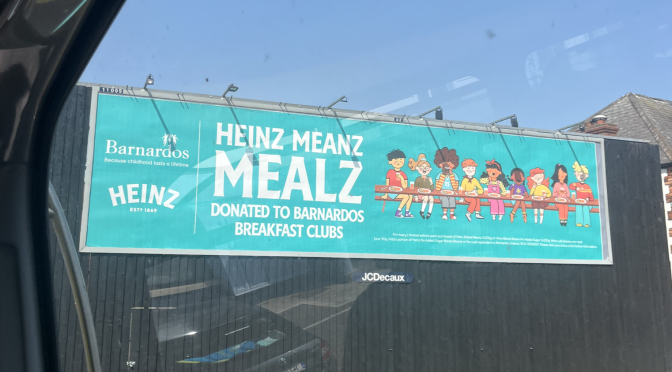
On our final full day in Dublin, a few classmates and I visited the National Botanical Gardens of Ireland. On the way, I noticed a billboard promoting a corporate social responsibility (CSR) campaign: “Heinz Meanz Meals.” The ad featured a diverse group of chidlren enjoying beans and toast alongside a message reading “Donated to Barnados Breakfast Club”. For every limited edition pack sold, Heinz donates one meal—or the cash equivalent—to Bardnados Breakfast Clubs.

The campaign, which is now running for its third consecutive year, highlights food vulnerability, an issue we discussed throughout our trip. At Airfield Estate, we debated organic farming and its potential impact on food accessibility for families with tight schedules and budgets. While visiting Alice PR, my group worked on a mock campaign that focused on an audience concerned with balancing affordability, nutrition, and convince when feeding their families.

Heinz’s campaign ties all of these concerns together, emphasizing the importance of sharing a family meal, specifically without breaking the bank. A three-pack of cans is practical for families. It can cover multiple dinners, reduce the number of trips to the grocery store, and reduce overall spending. The product meets the needs of the consumers, but also gives customers a good feeling about the purchase. Knowing that their purchase helped to give back to society can give customers a feeling of responsibility and can induce empathy.

Teaching children the importance of giving back can be a great dinner table conversation!

I believe that supporting children’s physical, social, and emotional well-being is a true showcase of sustainability. Investing in future generations has a long-term value much more impressive than yearly revenue.

-Ila van Schaik

Reusing the Cask!

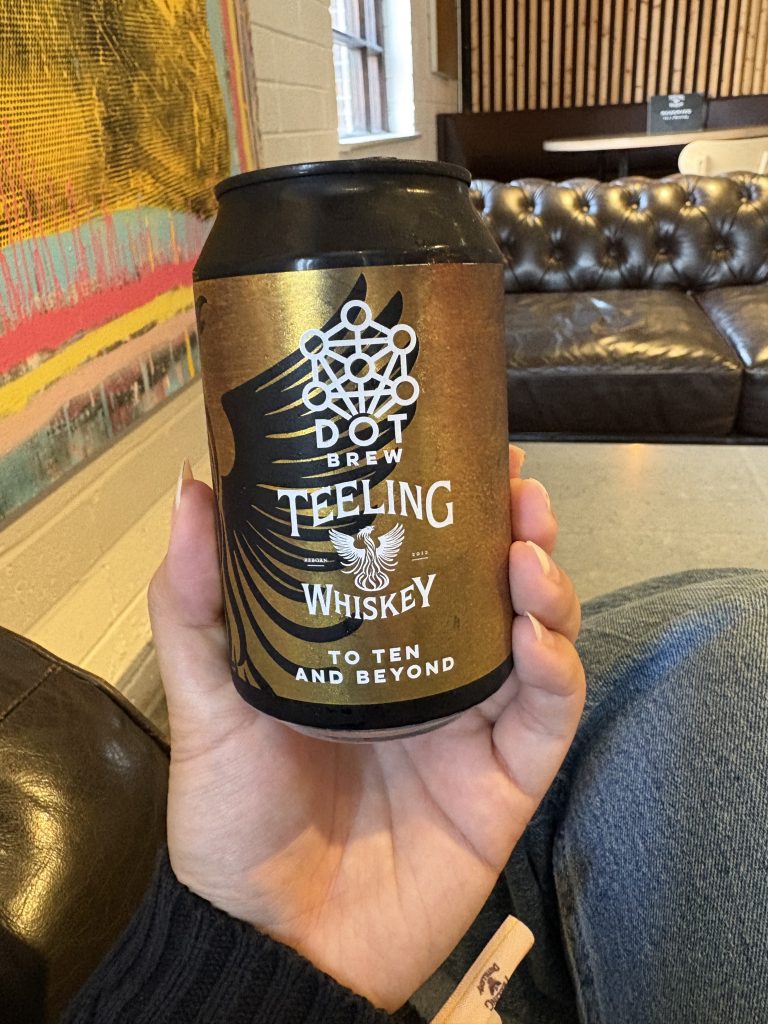
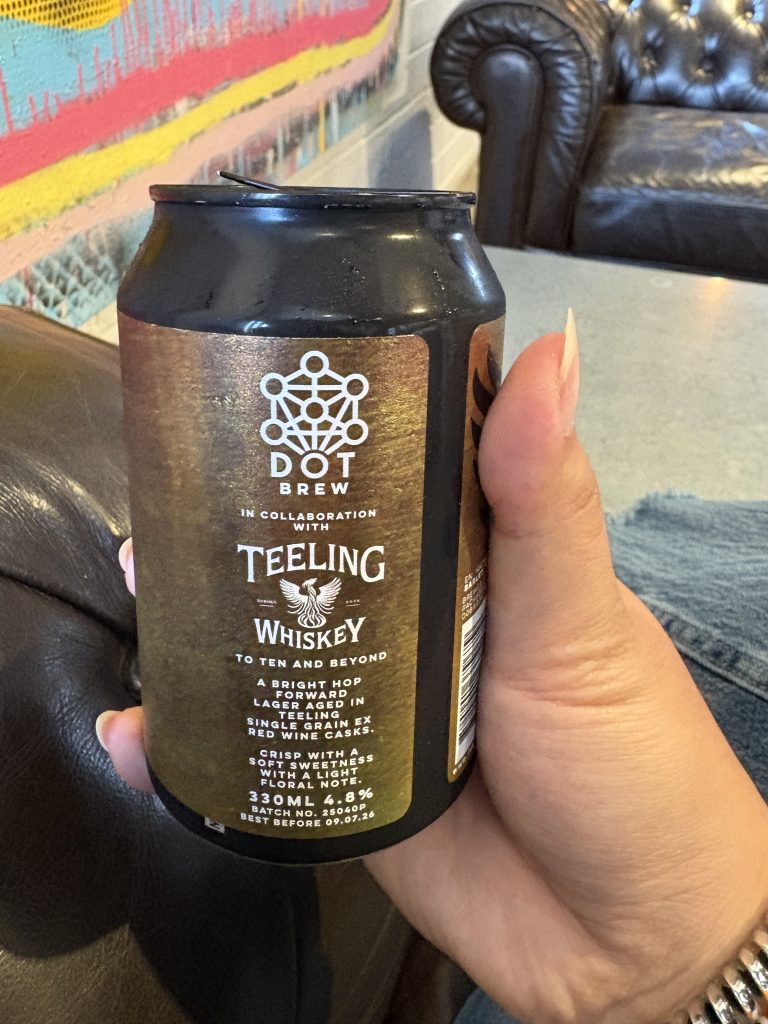
After our trip to ThinkHOUSE, I went to the Teeling Whiskey Distillery. There, I tried a lager aged in a red wine casking. Teeling Whiskey reused various casks that previously aged another alcohol. Not only is this a act of sustainability, but it is fundamental to the creation of Teeling’s Whiskey. The act of sustainability is printed on their label.

CSR, Advocacy, and Sustainability Scavenger Hunt: WB Yeats Water


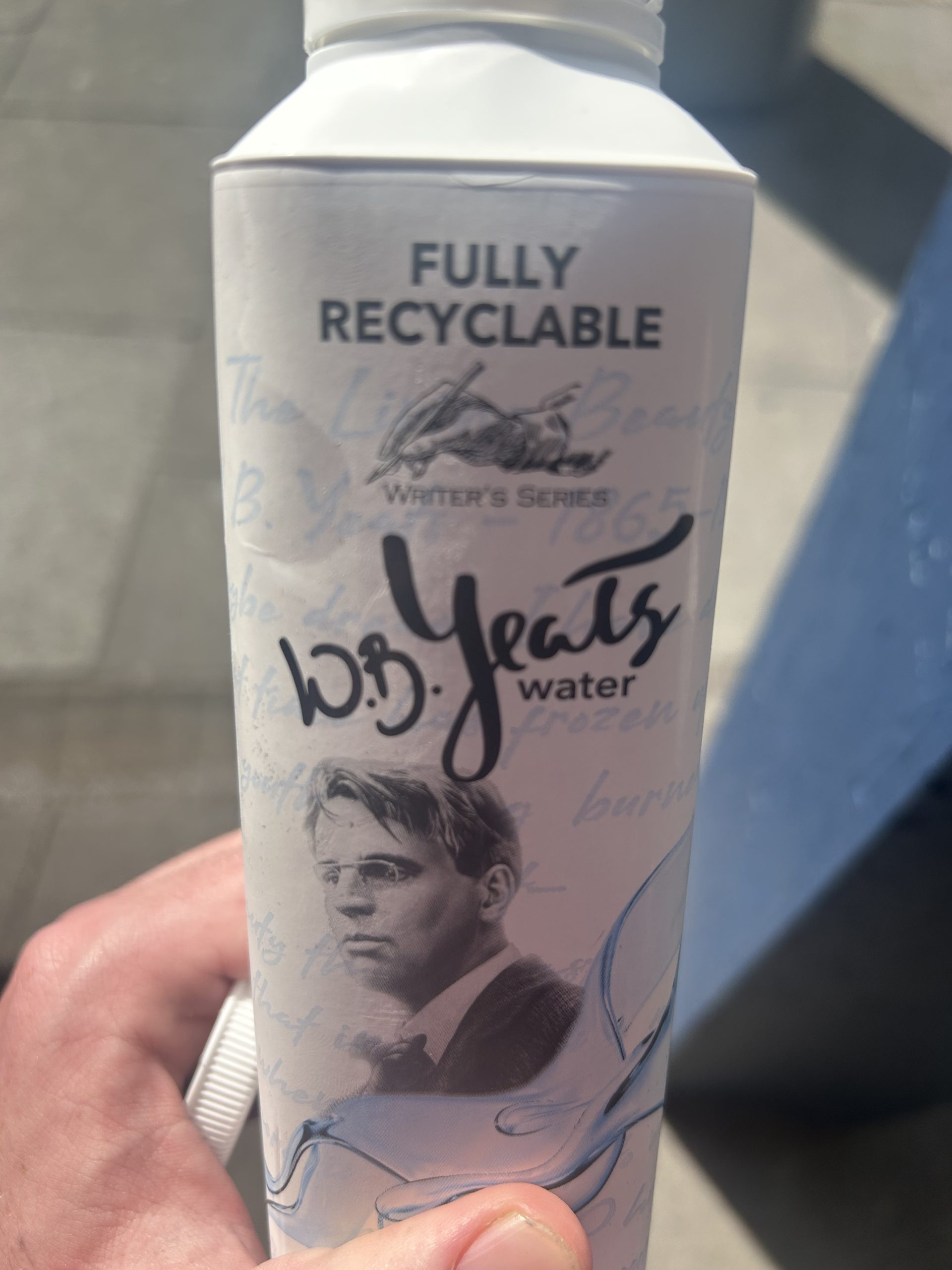
One example of CSR and Sustainability in the wild I saw while in Dublin were the WB Yeats water cartons sold throughout much of the city. During the trip, I found myself buying these water bottles to stay hydrated, and I couldn’t help but notice that they are quite different from the plastic water bottles you may find in the US, as the bottle promotes the fact that it is fully recyclable and is made from 88% plant based material. The bottle displays the famous Irish poet WB Yeats, and its lack of single use plastic material makes it extremely easy to recycle and great for sustainability. I think the US could greatly benefit from adopting use of these plant based cartons for water as opposed to single use plastic bottles.

CSR in the Wild: Gourmet Burger Kitchen

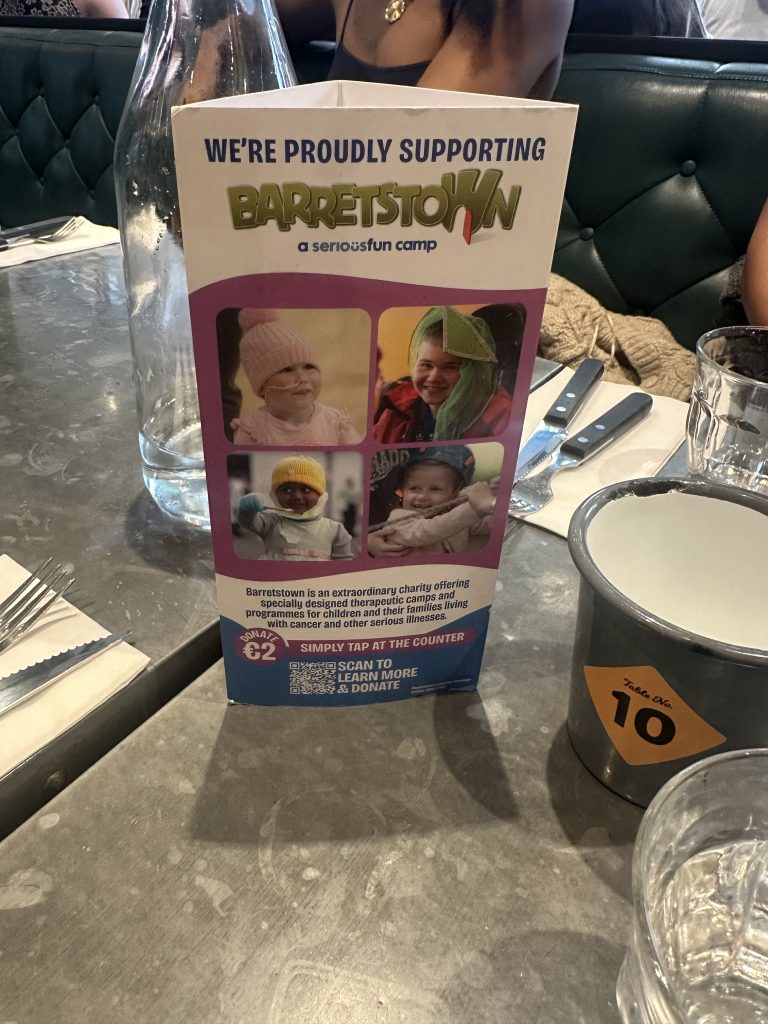
For dinner one of the nights me and a couple of others went to Gourmet Burger Kitchen in Temple Bar. While sitting at our table, I was looking at some of the specials I turned the triangular paper around and noticed a side that highlighted a charity they supported and how to donate.

Barretstown is a children’s charity that aims to provide camps and resources for children with cancer or other serious illnesses. Spreading awareness of this charity to Gourmet Burger Kitchen customers and giving them a QR code to learn more or donate, is a good example of CSR in action. Since Barretstown relies on donations as a non-profit, advertising the charity in one of Dublin’s busiest hotspots raises awareness to a variety of different audiences.

Overall, Gourmet Burger Kitchen’s promotion of Barretstown shows how simple and effective CSR initiatives can be. By placing the charity’s information directly in front of those dining in helps to spread awareness to even those who don’t scan the QR code, because now the charity name is embedded in their mind. This shows that CSR doesn’t always have to require large scale campaigns, but it can be small and thoughtful actions that can make a difference.

CSR In The Wild: Airfield Estates

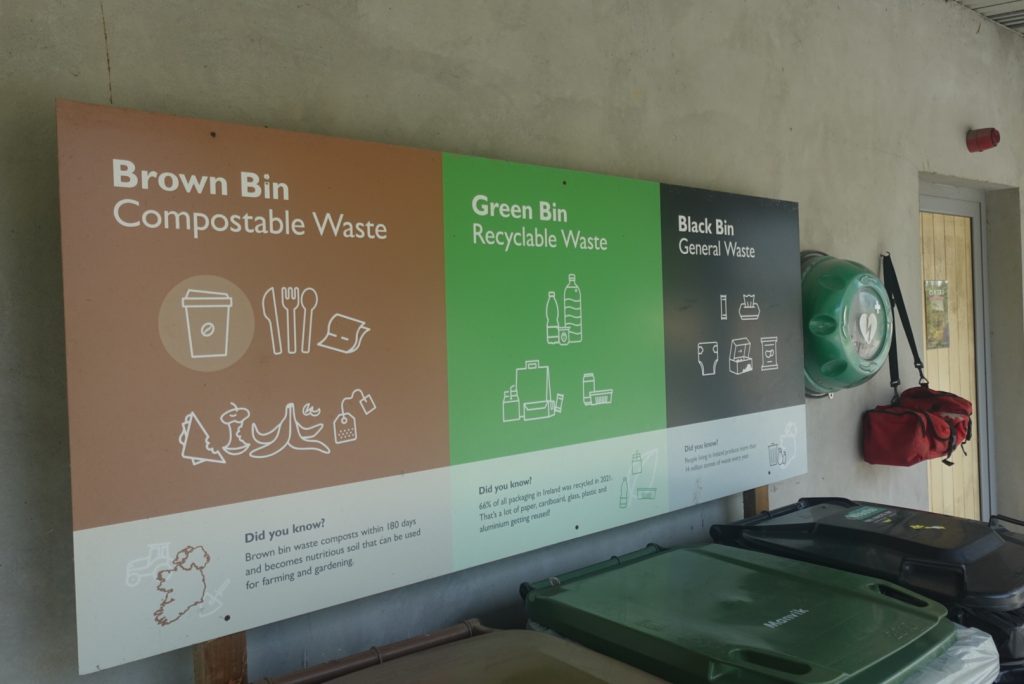
At Airfield Estates, a 100% organic urban farm, they used clearly marked trash bins to separate their waste by compostables, recyclables, and general waste. This is a simple but effective system that ensures their commitment to sustainability is visible in each of their routines, such as throwing away garbage. Through encouraging its visitors to separate their garbage, Airfield Estates is not only reducing its own environmental footprint but also educating its visitors about sustainable practices that they can include in their everyday lives. This small action makes their values clear to anyone who visits the farm.

CSR in the Wild

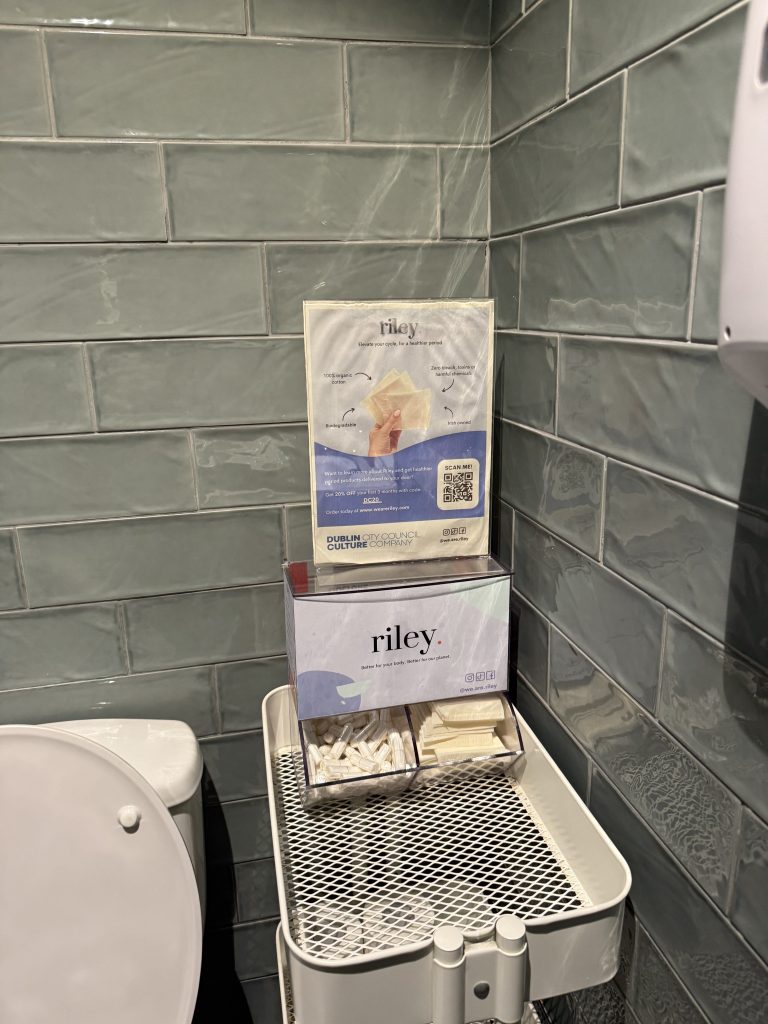
This was located in the bathroom at the 14 Henrietta street tour. The brand exhibited is called “riley” which sells period products. They hit a few sustainability points being biodegradable, 100% organic cotton, and zero toxins or harmful chemicals. It is also an Irish owned business. 

First, having period products should be in every bathroom but unfortunately it is not. This is very conveniently placed and is easy to use. As for the actual brand and attracting customers the font is small and hard to read. It gets points for offering a discount with a code and having a QR code to scan. 

Overall having environmentally friendly period products packaged and displayed in an easy to access manner is very convenient and a very enticing product. It gets points deducted for not broadcasting their products to sell and attracting customers with hard to read labels.

CSR, Advocacy or Sustainability Communication Scavenger Hunt

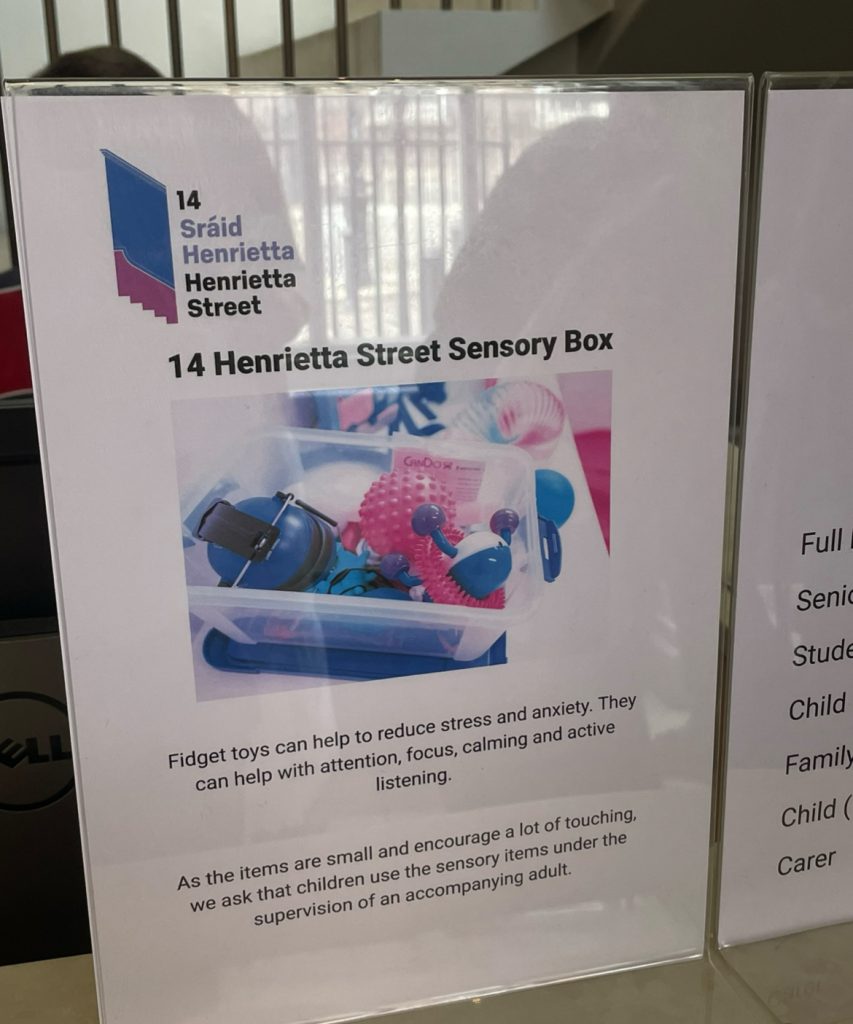
During our trip in Dublin, we can all agree that Henrietta Street was an emotional tour. I came across this sign at their front desk. The location provides fidget toys for the public to help them reduce any stress or anxiety throughout the tour. The only concerns for this sign is if everyone is welcome to grab a fidget toy (such as grown individuals with Autism, ADHD or any other mental/anxiety conditions) or if this is meant for only young children. In addition to this, there was no sensory box that was out in display or any guidance on where people could receive a toy.

A Historic Home with a Heart: CSR in Action at 14 Henrietta Street

Our visit to 14 Henrietta Street was one I will never forget. We laughed, we cried, and we left with a deep knowledge of the rich history that is 14 Henrietta Street.


When we arrived for our tour, I noticed a sign on their front desk that drew attention to their sensory box. As an avid fidget and sensory toy lover, I found this to be a remarkable example of CSR in the wild. As we learned about the history of Henrietta Street, the tour was quite heavy and somber at times. I can imagine how a child must feel during the tour, as the stories of those who lived on Henrietta Street were tragic and anxiety-inducing.


Giving not just children, but people of all ages, the opportunity to have something small to bring with them on the tour to calm them down and reduce sensory overload is an incredible initiative that the Henrietta Street tour is taking. The sensory box is a great example of a CSR initiative, and it is clear that the staff at 14 Henrietta Street truly care about the well-being of their visitors.

Airfield Estate: Farm-to-Table at Overends Kitchen

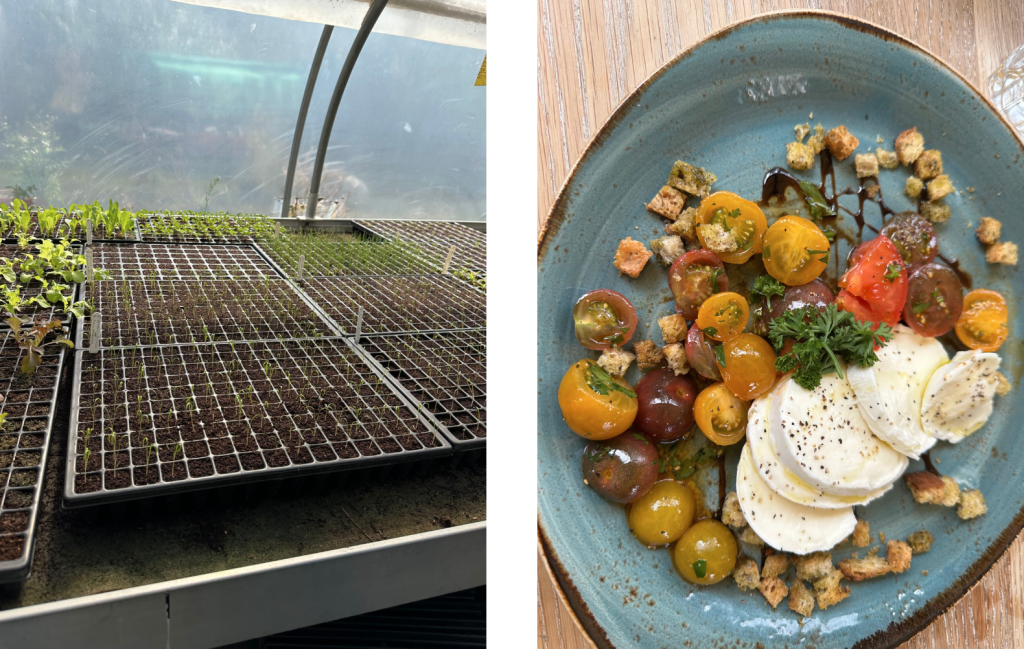
During our visit to Airfield Estate, we were guided through various greenhouses. Some were dedicated to growing fruits and vegetables, and the others were specifically dedicated to microgreens and herbs.

There, our guide Darragh explained how the produce grown on the estate is then used as ingredients for their on-site restaurant, Overends Kitchen. Hearing this, I was excited to see their menu and see which dishes included the fresh produce from the farm. 

The menu is always changing to reflect what is currently being harvested from their organic gardens. While the description mentions that meals are “designed around the weekly harvest and produce from our garden and farm teams,” there was not much signage or menu detail explaining which ingredients came directly from the estate. The estate had various personable features, especially in Letitia and Naomi’s home. It would have been more impactful as a consumer to see just how local my food was. 

The concept strongly supports environmental and educational CSR by showcasing true farm-to-table practices, but it could boost visitor engagement and sustainability messaging by labeling dishes with ‘on-site produce’ or highlighting the connection between greenhouse to table.

I would have loved to see a separate brochure or guide, detailing which ingredients were fresh from the farm, however I do understand it is difficult to do so with a constantly changing menu.