American Material Culture Reading Responses
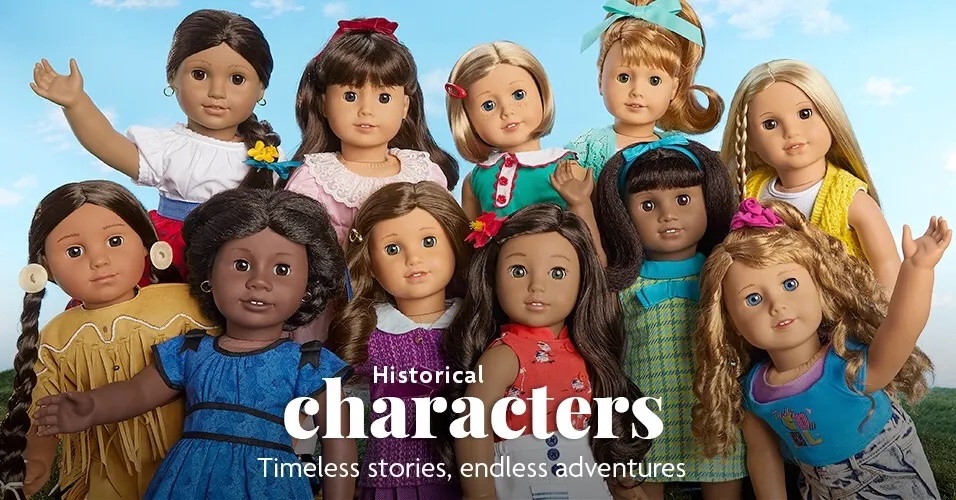
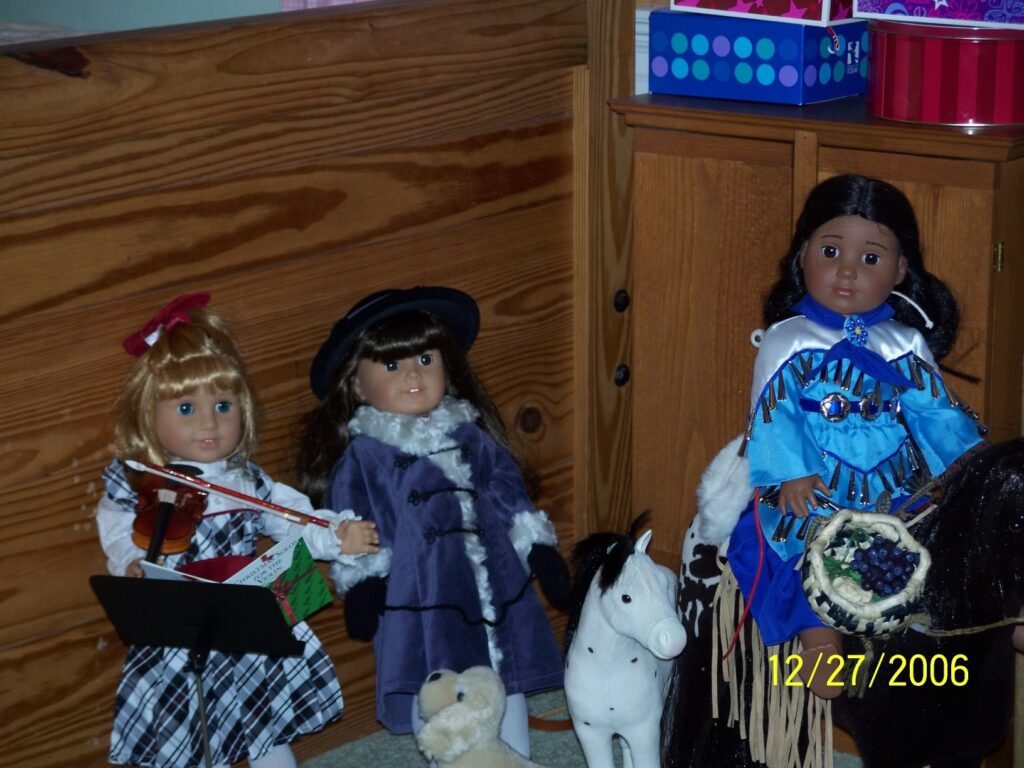
The object I have chosen for study this semester is my Samantha doll, an American girl doll produced by Mattel and purchased for my 7th birthday, in 2005. The method I found most persuasive in our readings for this week was the feminist methodology. I am especially interested in the ability of material culture to reveal the dimensions of women’s lives in a way the archival documentary record cannot. The feminist methodology is interested, if only tangentially, on whether any object created by or for women could be considered feminist. Can the American Girl Doll be considered a feminist object? It is an interesting question to explore.
I was also swayed by the “activist object” ideas in the article, although given that Bartlett and Henderson describe feminist material culture as an anti-capitalist culture, I am unsure whether a doll which is currently priced at $115 can be such a thing. But, given that the dolls were originally meant to run counter to uber-feminine and supposedly shallow Barbie dolls, and to prompt an interest in history in young girls, perhaps the American Girl Doll mission can be considered a feminist one. In that paradigm, the closest match would perhaps be the “world making things,” and perhaps would fall into decorative objects.
The American girl doll represents a slight challenge when attempting to apply a methodology like connoisseurship or even Prown’s “Style as Evidence.” The American Girl Doll franchise attempts to recreate historical styles; in Samantha’s case, she is a ten year old girl in 1904. The franchise’s “style,” then, is not a reflection of the time period it was created (in contrast to Barbie dolls which might be an example of popular fashion trends). As such, context will need to be considered in any methodology for studying the dolls.
Firstly: consider the doll’s physical materials. Where is the doll made? What is it made out of?
Secondly: consider the character the doll is meant to portray. What skills or messages is this doll trying to convey to the children who purchase it?
Thirdly: even though the doll is a both a historical object itself (from 2007, though her arm was repaired at some point in the years following), given that it is meant to represent a given time period, how has it changed over time? I.e. the “Samantha” doll being sold today is quite different from my own doll. What has changed and what has motivated this change?