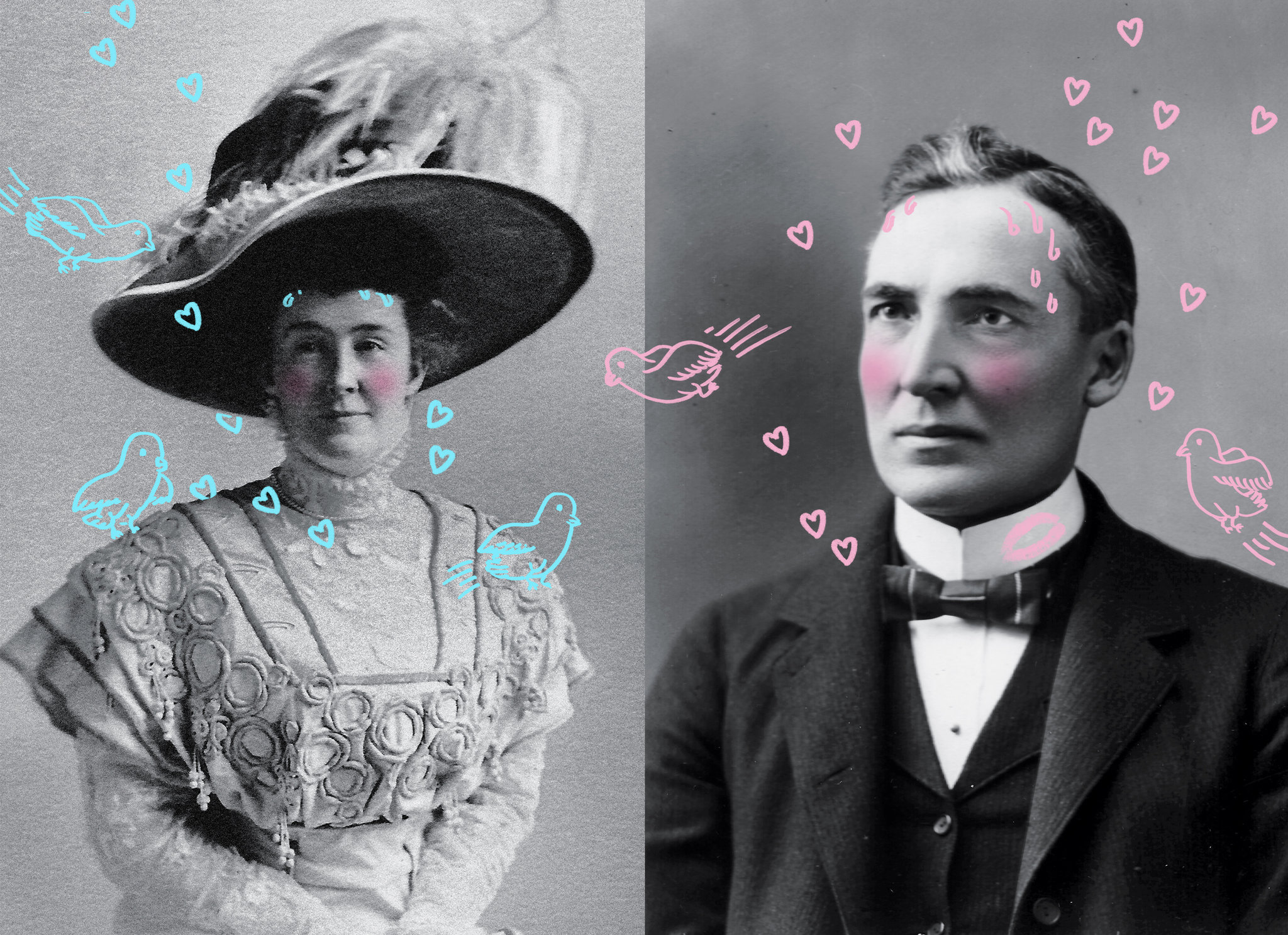
I so enjoyed reading the Harding Affair case study. I stand by my idea that there should be a movie about this! We’ve had too many journalism movies about exposing politicians who are still alive- we need one about exposing someone who had been dead for 40 years!
I think I made it clear in class that although Duckett did definitely act unethically, I think he did it in service of a higher archival mission: to preserve the past in service of the public good. The layers to this case show how often the competing missions of privacy, preservation, and access conflict with each other. Duckett’s actions were extreme, and archivists should not regularly undertake actions like that. Hiding microfilm in strategic locations is not an everyday move.
I was curious about how the Harding letters were received when the Library of Congress unsealed them in 2014. Most of the popular news articles focus on the often explicit nature of the letters, and how shocking that is for a president like Warren G. Harding. But I was struck by the subtitle of this NPR article: “Harding typically ranks near the bottom of U.S. presidents — but a steamy trove of love letters is putting him back in the public eye.” Now, is this the way that the Harding heirs would have liked for him to get more attention? No! But James Huston, the chief archivist of the manuscript division at LOC said it’s “possible all of this attention could also spark interest in Harding’s presidency more broadly, and perhaps help him climb the rankings of the U.S. presidents.” Most Americans cannot tell you anything about Warren G. Harding- except that he was not very influential. So, for Harding, perhaps any press is good press.